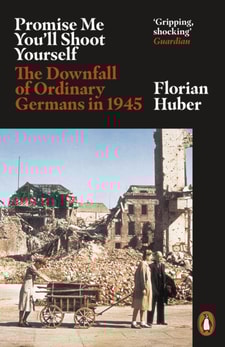
The extraordinary German bestseller on the final days of the Third ReichOne of the least understood stories of the Third Reich is that of the extraordinary wave of suicides, carried out not just by much of the Nazi leadership, but also by thousands of ordinary Germans, during in the war's closing period.
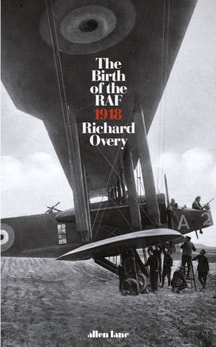
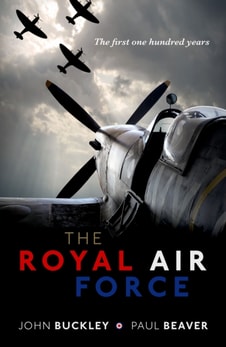
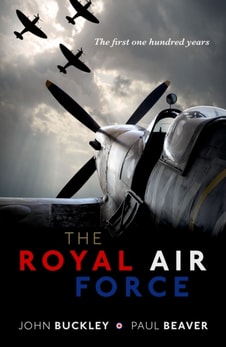
A short, brilliant account of the birth of the RAF for the centenary of its foundingThe dizzying pace of technological change in the early 20th century meant that it took only a little over ten years from the first flight by the Wright Brothers to the clash of fighter planes in the Great War.
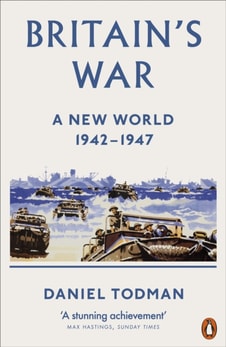
WINNER OF THE TEMPLER MEDAL BOOK PRIZE 2020A SPECTATOR, FINANCIAL TIMES AND DAILY TELEGRAPH BOOK OF THE YEAR 2020'A stunning achievement' Max Hastings, Sunday TimesPart Two of Daniel Todman's epic history of the Second World War opens with one of the greatest disasters in British military history - the fall of Singapore in February 1942.
Among the greatest developments in conventional war since 1914 has been the rise of air/land power - the interaction between air forces and armies in military operations.
In this fascinating study, Carolyn Kitching examines the role which Britain played at the Geneva Disarmament Conference, an event which marked a watershed in inter-war international relations.
The following study is primarily concerned with the unifying and destructive forces that affected the Anglo-American relationship between 1938 and 1944, as those involved searched for a strategic solution to the war in Europe.
"e;Harmsen makes a convincing argument that the occupation of Greenland fits within the broader narrative of the war, and is just as important to remember and understand as 'bigger' events that overshadow it.
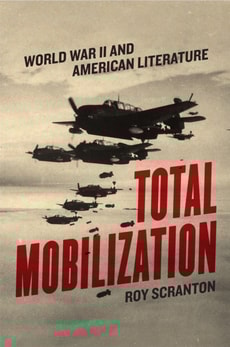
Since World War II, the story of the trauma hero-the noble white man psychologically wounded by his encounter with violence-has become omnipresent in America's narratives of war, an imaginary solution to the contradictions of American political hegemony.
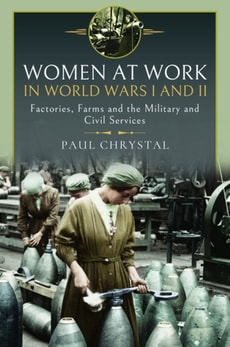
This book is about women in World Wars I & II - women working in factories and on farms, or toiling perilously in field stations just behind the front lines, in inhospitable hospitals and convalescent homes.
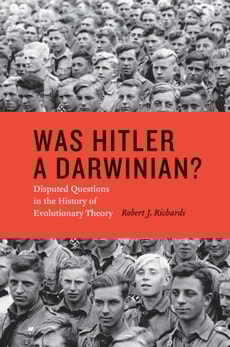
In tracing the history of Darwin's accomplishment and the trajectory of evolutionary theory during the late nineteenth and early twentieth centuries, most scholars agree that Darwin introduced blind mechanism into biology, thus banishing moral values from the understanding of nature.
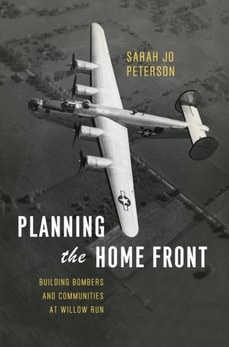
Before Franklin Roosevelt declared December 7 to be a "e;date which will live in infamy"e;; before American soldiers landed on D-Day; before the B-17s, B-24s, and B-29s roared over Europe and Asia, there was Willow Run.
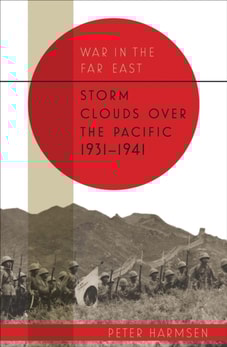
"e;An excellent primer about World War II in Asia prior to the involvement of the United States"e;-part one of a fascinating history trilogy (New York Journal of Books).
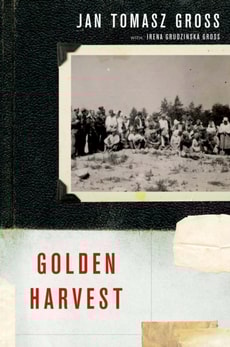
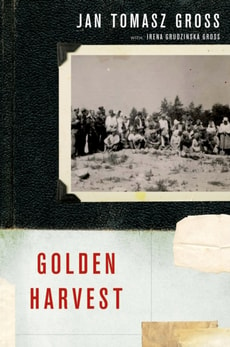
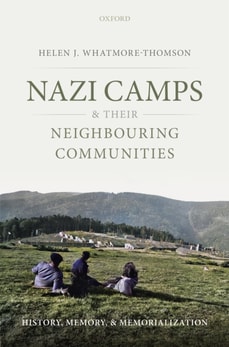
It seems at first commonplace: a group photograph of peasants at harvest time, after hard work well done, resting contentedly with their tools behind the fruits of their labor.
It seems at first commonplace: a group photograph of peasants at harvest time, after hard work well done, resting contentedly with their tools behind the fruits of their labor.
Winner of both the National Book Award for Arts and Letters and the National Book Critics Circle Award for Criticism, Paul Fussell's The Great War and Modern Memory was one of the most original and gripping volumes ever written about the First World War.
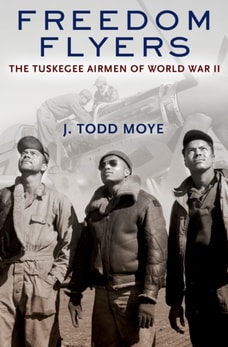
As the country's first African American military pilots, the Tuskegee Airmen fought in World War II on two fronts: against the Axis powers in the skies over Europe and against Jim Crow racism and segregation at home.
The story of the Bosnian Muslims in World War II is an epic frequently alluded to in discussions of the 1990s Balkan conflicts, but almost as frequently misunderstood or falsified.
The story of the Bosnian Muslims in World War II is an epic frequently alluded to in discussions of the 1990s Balkan conflicts, but almost as frequently misunderstood or falsified.
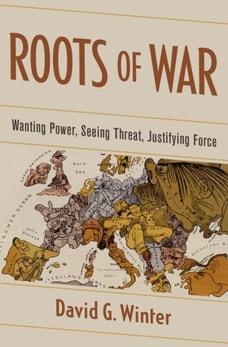
Ever since Thucydides pondered reasons for the outbreak of the Peloponnesian War, writers, philosophers, and social scientists have tried to identify factors that promote conflict escalation: for example, history (tomorrow's wars are often rooted in yesterday's conflicts), changing balance of power among nations, or domestic political forces.
Ever since Thucydides pondered reasons for the outbreak of the Peloponnesian War, writers, philosophers, and social scientists have tried to identify factors that promote conflict escalation: for example, history (tomorrow's wars are often rooted in yesterday's conflicts), changing balance of power among nations, or domestic political forces.
Retaining well-loved features from the previous editions, Challenge and Transformation has been approved by AQA and matched to the new 2015 specification.
The two decades between the first and second world wars saw the emergence of nuclear physics as the dominant field of experimental and theoretical physics, owing to the work of an international cast of gifted physicists.
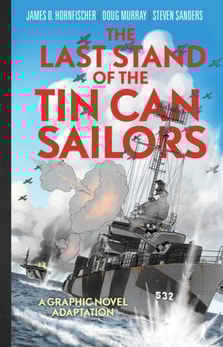
Adapted from the naval history classic and New York Times bestseller, The Last Stand of the Tin Can Sailors pieces together the action of the Battle off Samar, bringing to life a riveting story of heroism against daunting odds, duty, and sacrifice in a way never seen before.
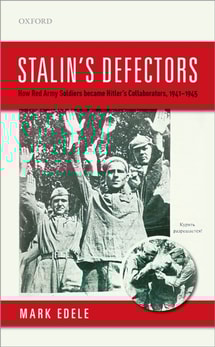
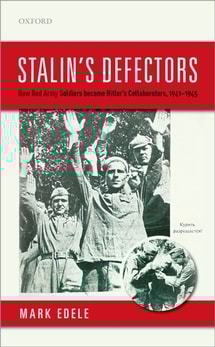
Stalin's Defectors is the first systematic study of the phenomenon of frontline surrender to the Germans in the Soviet Union's 'Great Patriotic War' against the Nazis in 1941-1945.
Stalin's Defectors is the first systematic study of the phenomenon of frontline surrender to the Germans in the Soviet Union's 'Great Patriotic War' against the Nazis in 1941-1945.
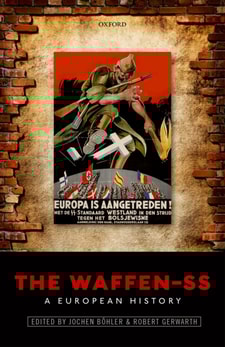
This is the first systematic pan-European study of the hundreds of thousands of non-Germans who fought -- either voluntarily or under different kinds of pressures -- for the Waffen-SS (or auxiliary police formations operating in the occupied East).
This is the first systematic pan-European study of the hundreds of thousands of non-Germans who fought -- either voluntarily or under different kinds of pressures -- for the Waffen-SS (or auxiliary police formations operating in the occupied East).
Oxford Textual Perspectives is a new series of informative and provocative studies focused upon literary texts (conceived of in the broadest sense of that term) and the technologies, cultures and communities that produce, inform, and receive them.
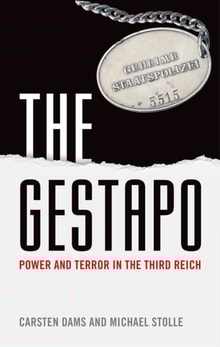
The Gestapo was the most feared instrument of political terror in the Third Reich, brutally hunting down and destroying anyone it regarded as an enemy of the Nazi regime: socialists, Communists, Jews, homosexuals, and anyone else deemed to be an 'anti-social element'.
The Gestapo was the most feared instrument of political terror in the Third Reich, brutally hunting down and destroying anyone it regarded as an enemy of the Nazi regime: socialists, Communists, Jews, homosexuals, and anyone else deemed to be an 'anti-social element'.