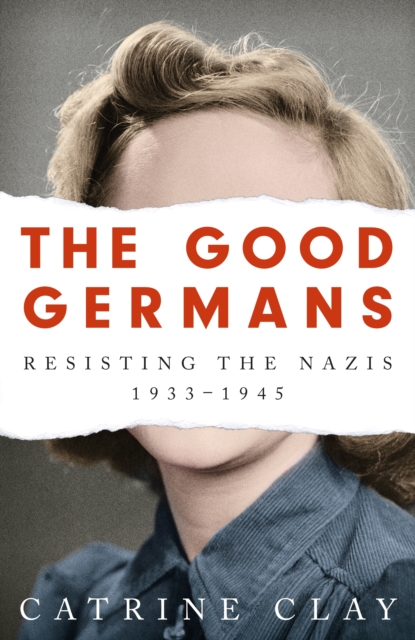
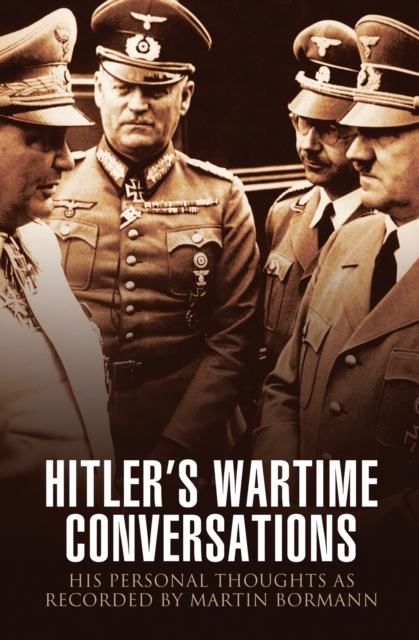
After 1933, as the brutal terror regime took hold, most of the two-thirds of Germans who had never voted for the Nazis - some 20 million people - tried to keep their heads down and protect their families.
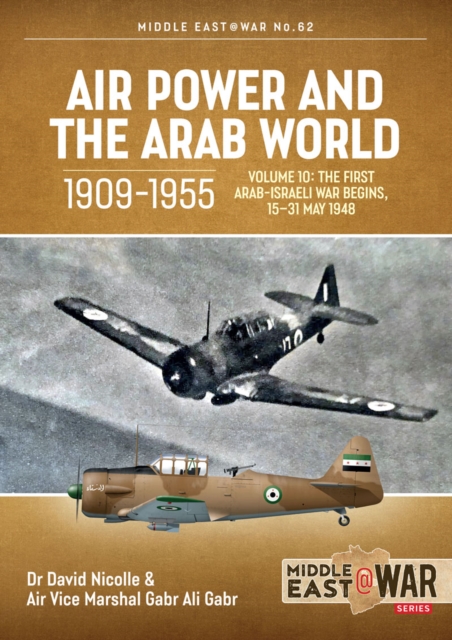
This entry in the MiddleEast@War series is illustrated with abundant photographs from previously unused, or very rarely used, private and official sources.
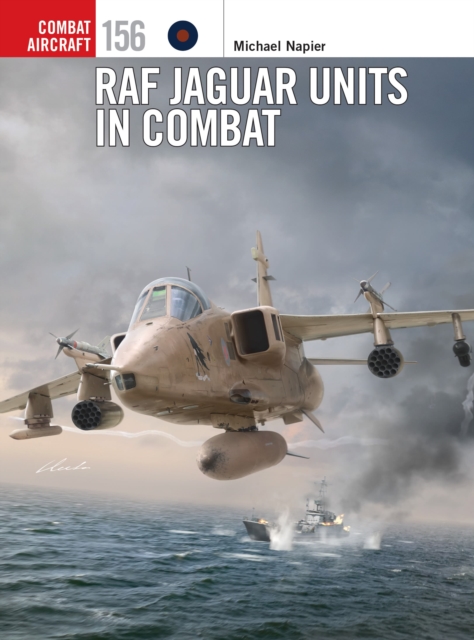
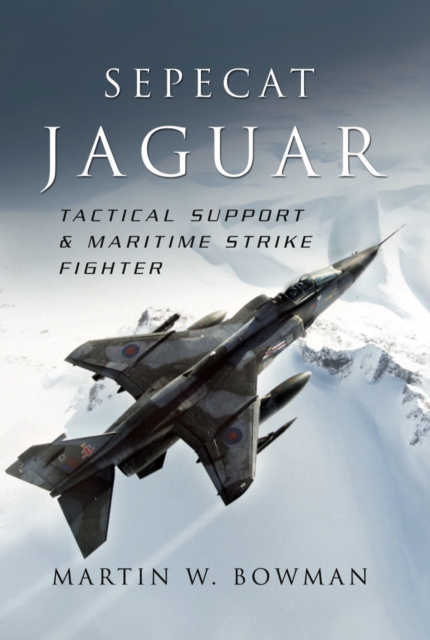
An illustrated account of the development and action-packed service history of the Jaguar attack jet, featuring first-hand accounts from the pilots that flew it into combat.
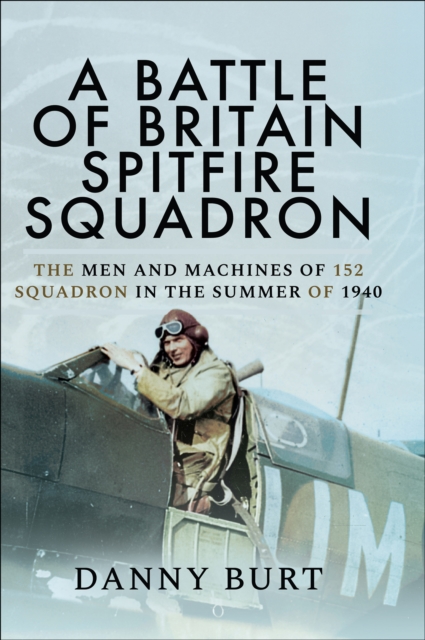
Formed at Rochford on 1 October 1918, just weeks before the Armistice that ended the First World War, 152 (Hyderabad) Squadron was originally a night fighter unit equipped with the Sopwith Camel.
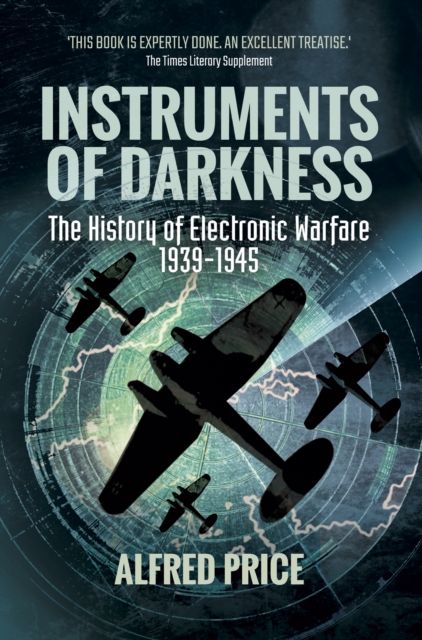
The rapid evolution of radio and radar systems for military use during the Second World War, and devices to counter them, led to a technological battle that neither the Axis nor the Allied powers could afford to lose.
The rapid evolution of radio and radar systems for military use during the Second World War, and devices to counter them, led to a technological battle that neither the Axis nor the Allied powers could afford to lose.
The helicopter came on the scene too late to play other than a minor role in the Second World War but by the Korean conflict the Bell H-13 Sioux, OH-23 Raven, and Sikorsky H-19 Chickasaw were in service.
The helicopter came on the scene too late to play other than a minor role in the Second World War but by the Korean conflict the Bell H-13 Sioux, OH-23 Raven, and Sikorsky H-19 Chickasaw were in service.
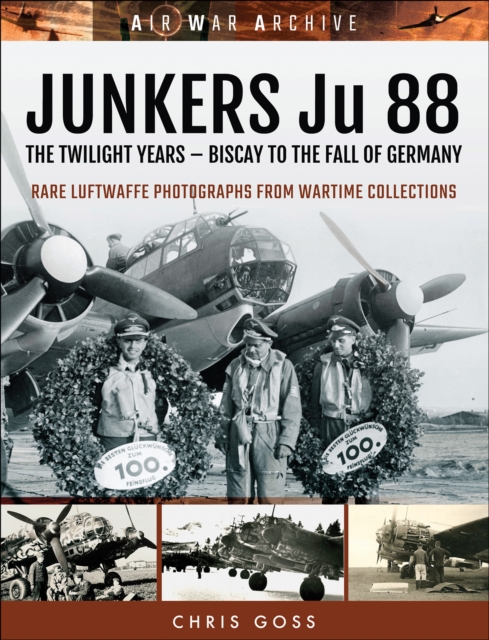
Designed as a fast bomber that could outrun the fighters of the era, the twin-engine Junkers Ju 88 became one of the most versatile aircraft of the Second World War.
Designed as a fast bomber that could outrun the fighters of the era, the twin-engine Junkers Ju 88 became one of the most versatile aircraft of the Second World War.
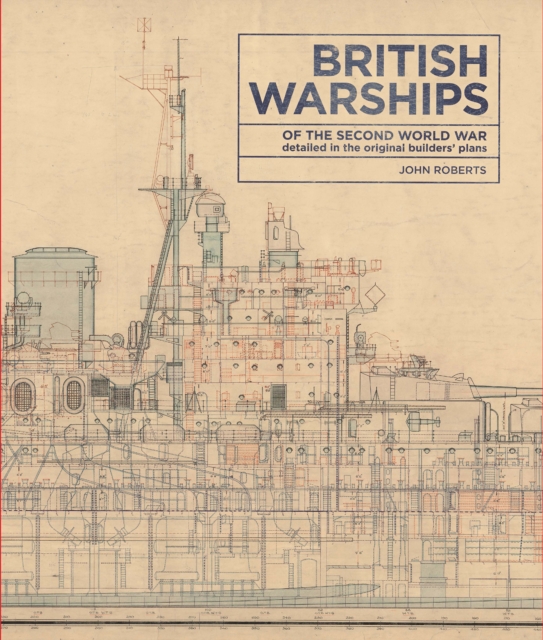
This volume reproduces a representative selection of official plans depicting the main types of warship with which the Royal Navy fought the Second World War.
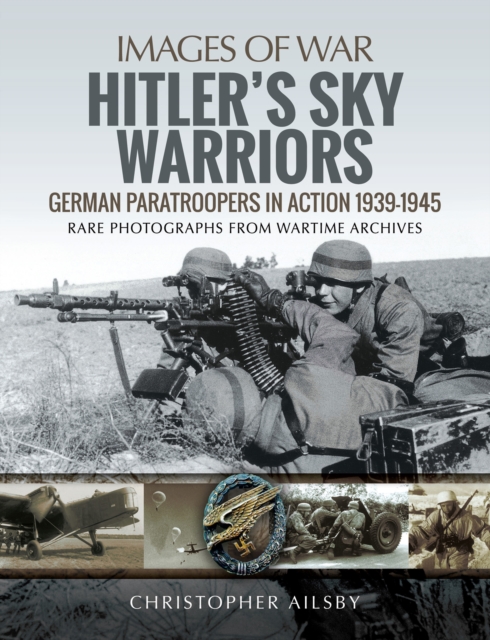
During the Second World War, the German Fallschirmjger (paratroopers) carried out many successful and daring operations, such as the capture of the Belgian fortress at Eben Emael in 1940 and the invasion of Crete in 1941.
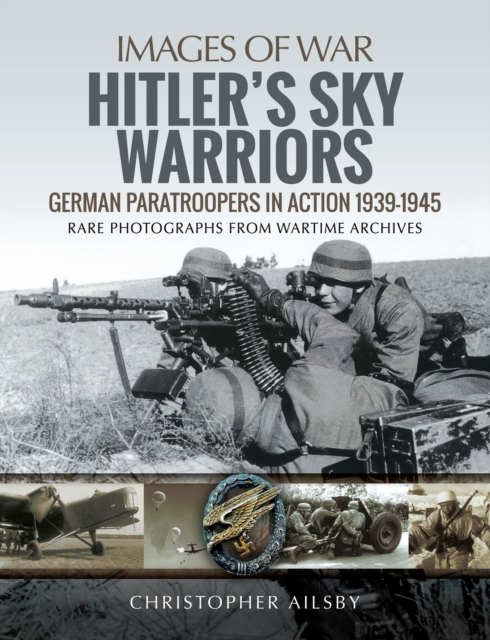
During the Second World War, the German Fallschirmjger (paratroopers) carried out many successful and daring operations, such as the capture of the Belgian fortress at Eben Emael in 1940 and the invasion of Crete in 1941.
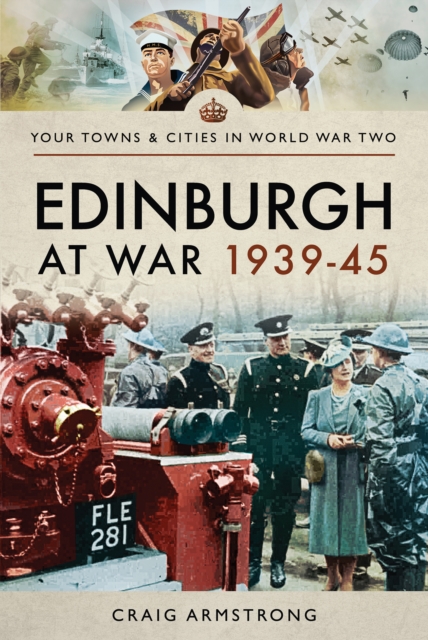
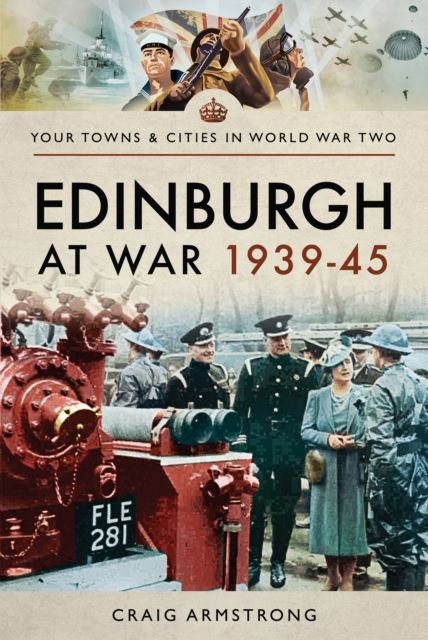
Scotland was of grave strategic importance during the war because of its geographical position and its capital was the location of a significant number of important military and civil organizations.
Scotland was of grave strategic importance during the war because of its geographical position and its capital was the location of a significant number of important military and civil organizations.
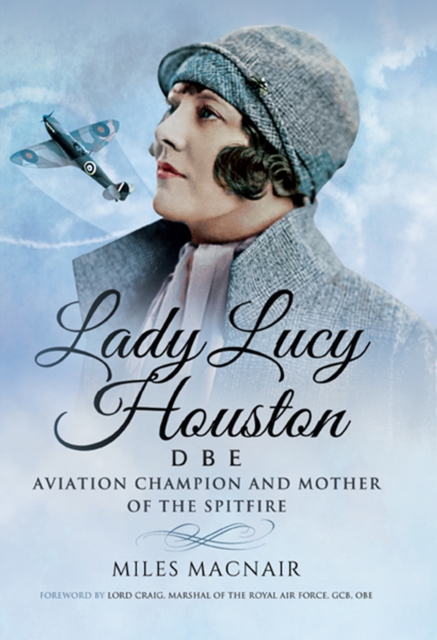
The life-story of Lady Lucy Houston DBE must surely be one of the most romantic and dramatic epics of the last one hundred and fifty years, yet nowadays she is a woman unknown.
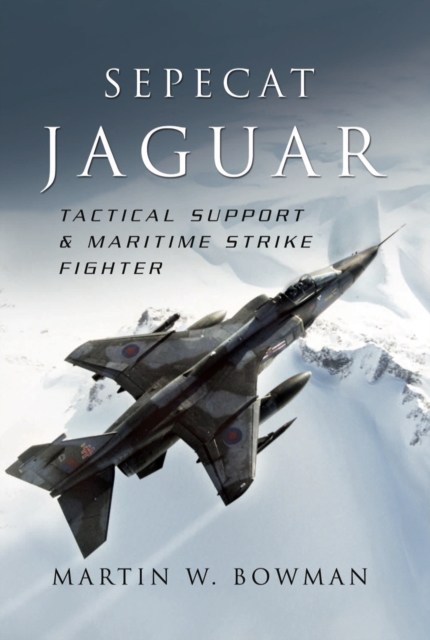
This versatile, rugged aircraft was a joint Anglo/French project and first flew in September 1968, becoming operational with both the RAF and Armèe del'Air in 1972/3.
This versatile, rugged aircraft was a joint Anglo/French project and first flew in September 1968, becoming operational with both the RAF and Armèe del'Air in 1972/3.
This thrilling new volume from Martin Bowman focusses on British, Canadian, Australian and German soldiers and airmen who were captured during the First World War.
This thrilling new volume from Martin Bowman focusses on British, Canadian, Australian and German soldiers and airmen who were captured during the First World War.
In a series of concise, thought-provoking chapters the authors summarize and make accessible the latest scholarship on the middle years of the Great War 1915 and 1916 and cover fundamental issues that are rarely explored outside the specialist journals.
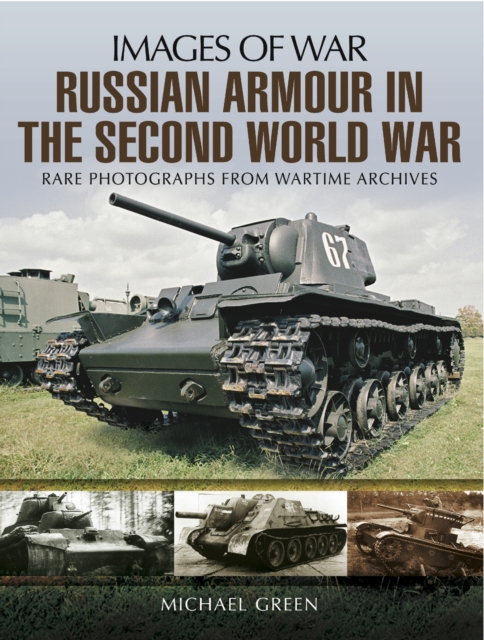
This WWII pictorial history of Russia's tanks and armored fighting vehicles provides a vivid look at the Eastern Front through rare wartime photographs.
This WWII pictorial history of Russia's tanks and armored fighting vehicles provides a vivid look at the Eastern Front through rare wartime photographs.
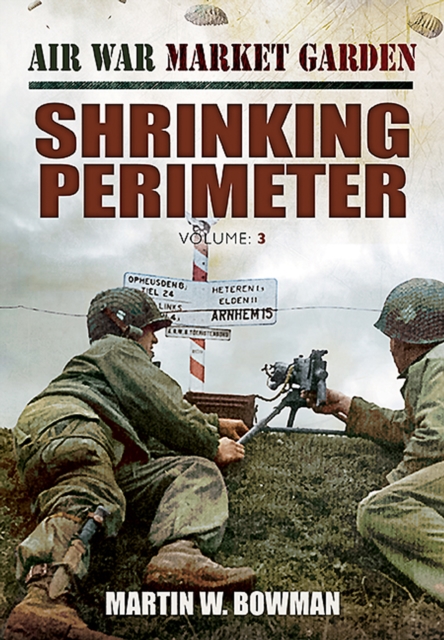
The third volume of this four-part series on Operation 'Market-Garden' in September 1944 draws on many individual soldiers and airmen's narratives to tell the story of the ongoing fight to keep the Hell's Highway' open to relieve 1st Airborne at Arnhem, and the brave attempts to re-supply them from the air.
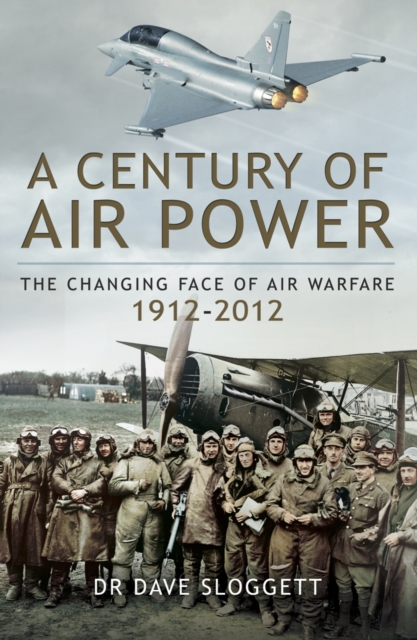
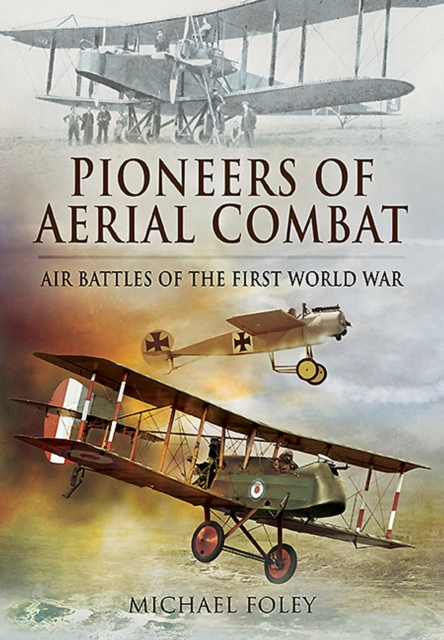
When the Wright Brothers made their first flight in the early years of the twentieth century it sparked the imagination of those who wanted to fly, both in their country and around the world.