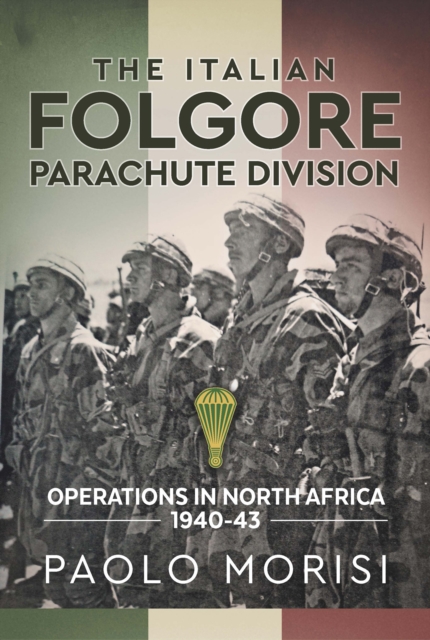
The North African campaign was one of the hardest fought episodes of the Second World War, yet the vital part played by the Italian Army - and in particular, its Folgore Parachute Division on behalf of the Axis Alliance - is frequently overlooked.
This book explores the rise of two resistance movements in Yugoslavia after its invasion and partition by Germany, Italy, Hungary, and Bulgaria in April 1941: one led by Draza Mihailovic's Chetniks, supporters of the Serb monarchy; and the Partisans, led by Josip Broz Tito and his Communist Party.
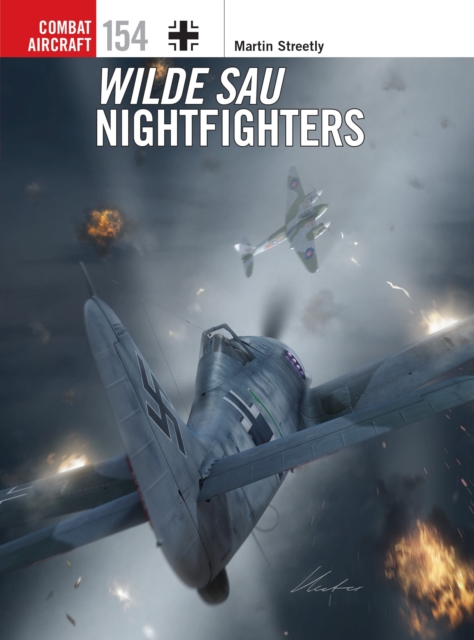
An illustrated exploration of the development, technology and operations of Wilde Sau fighters in the night skies over Germany during the Defence of the Reich.
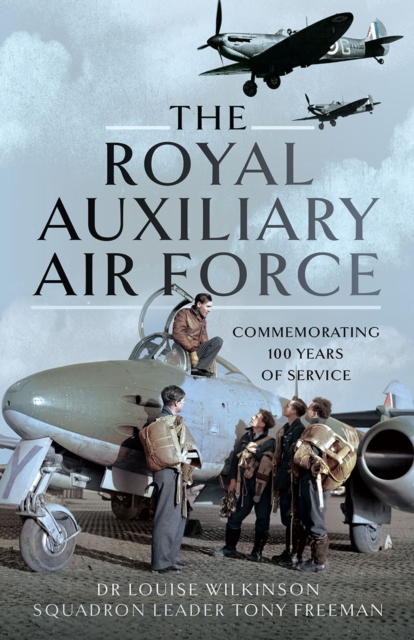
Owing its origins to Lord Trenchard's desire to establish an elite corps of civilians who would serve their country in flying squadrons during their spare time, the Auxiliary Air Force (AAF) was first formed in October 1924.
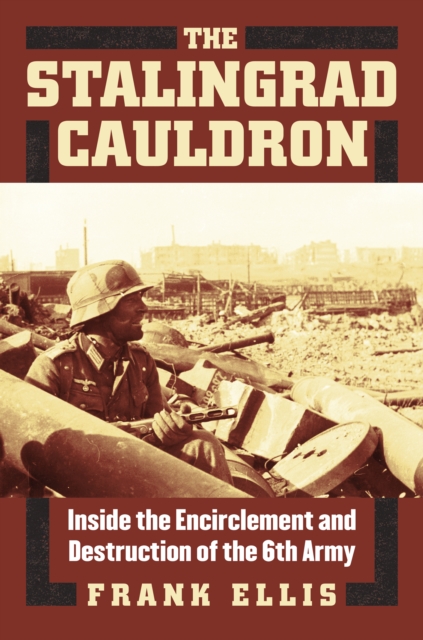
The encirclement of the German 6th Army at Stalingrad in mid-November 1942 and its final collapse in February 1943 was a signature defeat for Hitler, as more than 100,000 of his soldiers were marched off into captivity.
This book is the first to present the unique story of the city of Jerusalem during the events of the Second World War and how it played a unique role in both the military and civilian aspects of the war.
This book is the first to present the unique story of the city of Jerusalem during the events of the Second World War and how it played a unique role in both the military and civilian aspects of the war.
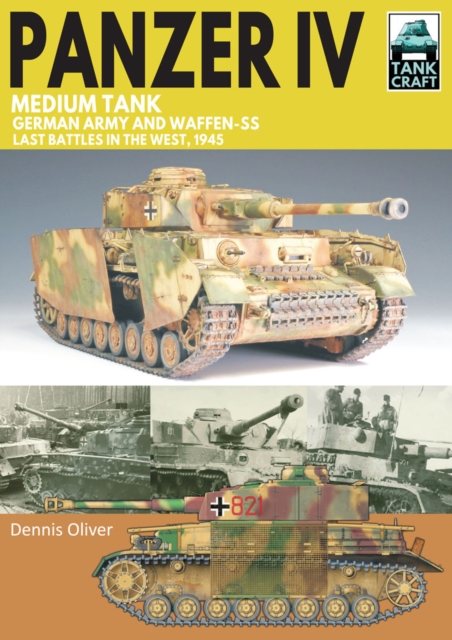
A key section of his book displays available model kits and aftermarket products, complemented by a gallery of beautifully constructed and painted models in various scales.
This book looks at the history of the US Air Force through the lens of its (lack of) preparedness for major wars, which is shown to be a result of its organizational culture.
The utilization of air power by the Communist regime in Russia during the revolutionary period and civil war to control its territories in Central Asia is an intriguing aspect of military history often overlooked in Western narratives.
"e;Taylor provides short vignettes of actual flights and combat interactions revealing performance and flight procedures used to shoot and avoid being shot down.
This is the story of a wartime bomber, its crew and of a tantalizing detective story unfolding over nearly a quarter of a century of intensive research.
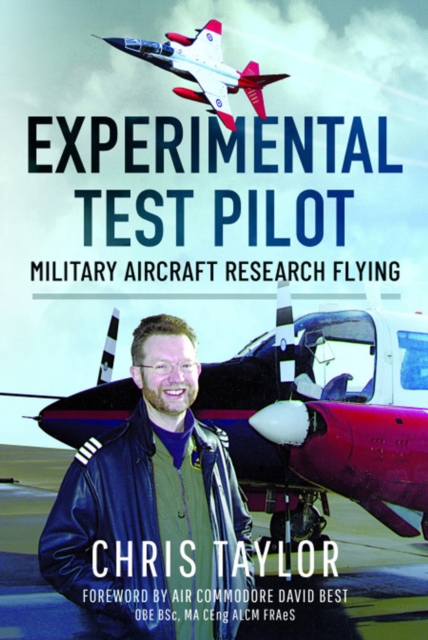
Chris Taylor has had a very successful career as a Royal Navy officer, helicopter pilot, test pilot, instructor and as an internationally acclaimed civil certification test pilot.
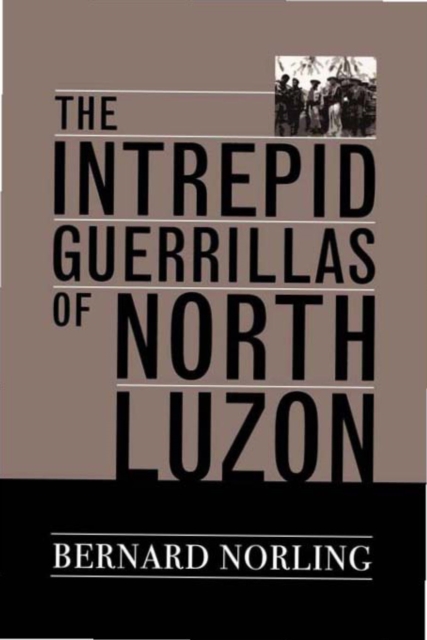
Following the Japanese invasion of the islands in 1942, North Luzon was the staging area for several Filipino-American guerrilla bands who sought to gather intelligence and to destroy enemy military installations or supplies.
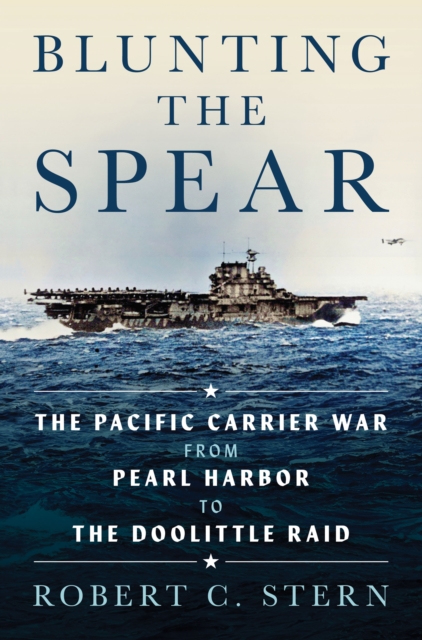
This compelling book explores the first four months of fighting in the Pacific between the United States and its Allies against Japan, focusing mainly on the aircraft carrier action of the respective navies in the Pacific Theater.
This compelling book explores the first four months of fighting in the Pacific between the United States and its Allies against Japan, focusing mainly on the aircraft carrier action of the respective navies in the Pacific Theater.
Lieutenant John Blomfield Dixon, East Riding Yeomanry, was twenty years old when he was captured near the village of Watou, Belgium, on 31 May 1940 during the retreat to Dunkirk.