This book is new in every aspect and not only because neither the official history nor an unofficial history of the KGB, and its many predecessors and successors, exists in any language.
In 1979, with El Salvador growing ever more unstable and ripe for revolution, the United States undertook a counterinsurgency intervention that over the following decade would become Washington's largest nation-building effort since Vietnam.
After nearly twenty years of SAS operations, including a never before published role in the infamous Bravo Two Zero patrol, Bob Shepherd retired from the military to work as an advisor on the international commercial security circuit.
Major General Smedley Darlington Butler was a maverick Marine, the emblem of the old corps, and one of the most controversial figures in Marine history.
The Senoi Praaq is a Malaysian special forces unit originally created in 1956 by the British colonial authorities to fight communism during the Malayan Emergency.
The Territorials 1908-1914 is a unique, comprehensive record of the part-time soldiers who made up the Territorial Force that supported the regular army in the years immediately before the outbreak of the First World War.
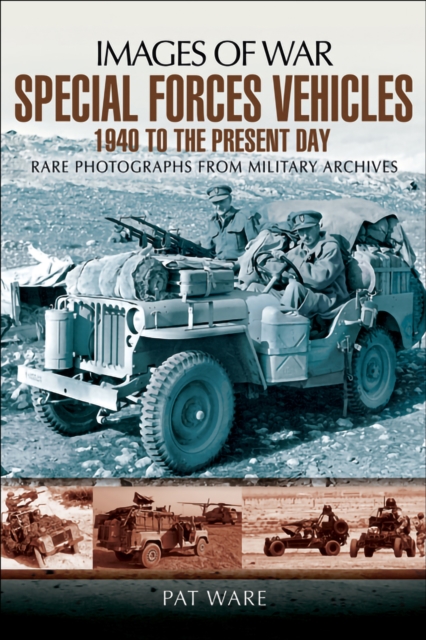
A highly illustrated guide to the unconventional vehicles that help special forces succeed in asymmetrical warfare, from the author of The Centurion Tank.
The inside story of the most daring SAS rescue mission everIn September 2000 eleven British soldiers were captured by a notorious militia gang in Sierra Leone.
A riveting follow-up to Michael Bar-Zohar and Nissim Mishal's account of the most memorable missions of the Mossad, No Mission Is Impossible sheds light on some of the most harrowing, nail-biting operations of the Israeli Special Forces.
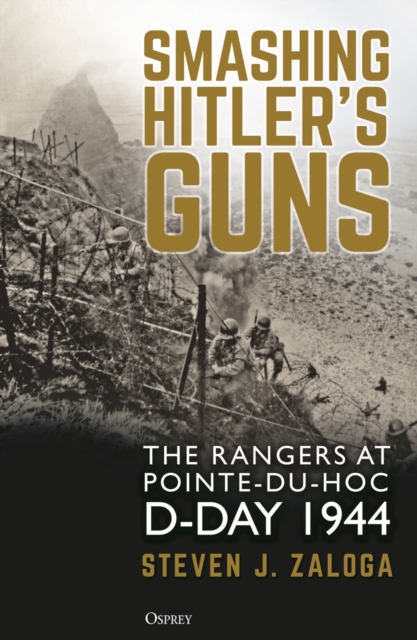
Written by one of the world's leading experts on D-Day, Smashing Hitler's Guns is a ground-breaking new history of the legendary Rangers' attack on Pointe-du-Hoc.
Written by one of the world's leading experts on D-Day, Smashing Hitler's Guns is a ground-breaking new history of the legendary Rangers' attack on Pointe-du-Hoc.
THE FINANICAL TIMES - BEST BOOKS OF 2022 'The prolific military chronicler and analyst Mark Galeotti has produced exactly the right book at the right time.
THE FINANICAL TIMES - BEST BOOKS OF 2022 'The prolific military chronicler and analyst Mark Galeotti has produced exactly the right book at the right time.
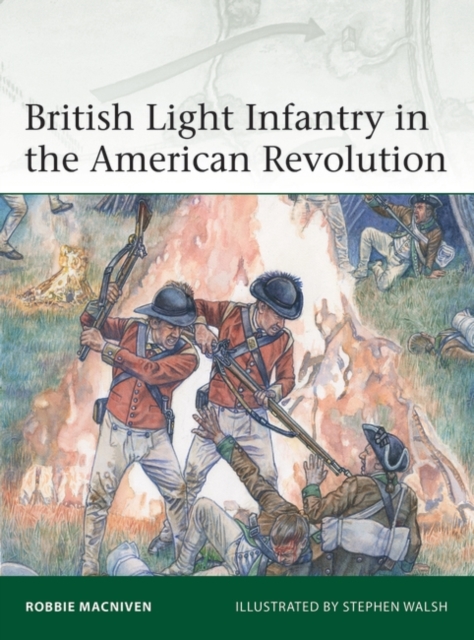
During the Seven Years' War (1755 63), a number of independent light-infantry outfits served under British command and dedicated light companies were added to the British Army's regular infantry battalions.
During the Seven Years' War (1755 63), a number of independent light-infantry outfits served under British command and dedicated light companies were added to the British Army's regular infantry battalions.
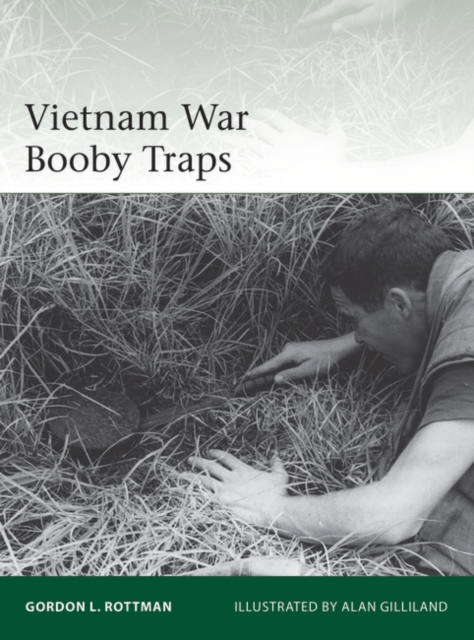
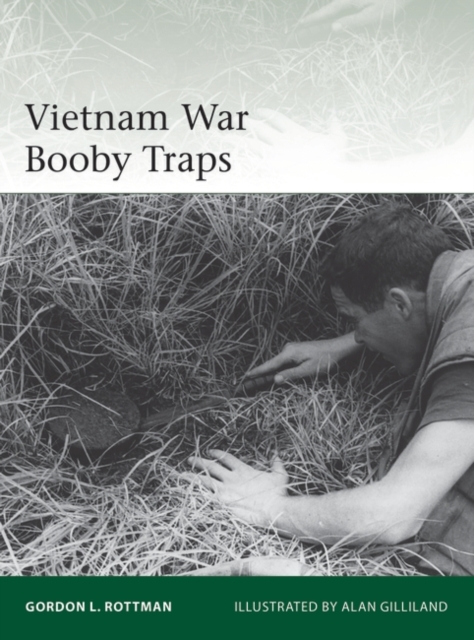
During the Vietnam War, the Viet Cong were frequently unable to hold their own in stand-up fights against US and allied forces who were superior in strength, firepower, mobility, and logistics.
During the Vietnam War, the Viet Cong were frequently unable to hold their own in stand-up fights against US and allied forces who were superior in strength, firepower, mobility, and logistics.
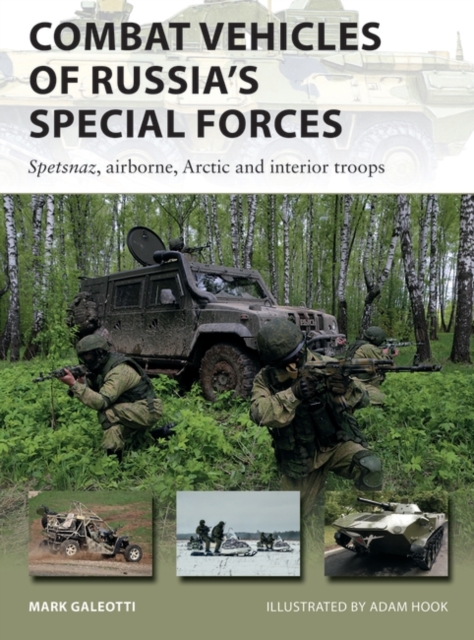
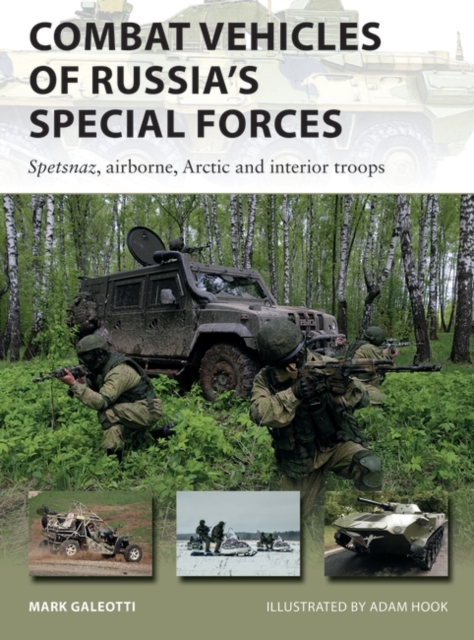
An illustrated study of both the combat vehicles of Russia's legendary Spetsnaz special forces and the whole range of unique and modified vehicles that Russia's elite units use, from combat snowmobiles to the world's biggest water-cannon.
An illustrated study of both the combat vehicles of Russia's legendary Spetsnaz special forces and the whole range of unique and modified vehicles that Russia's elite units use, from combat snowmobiles to the world's biggest water-cannon.
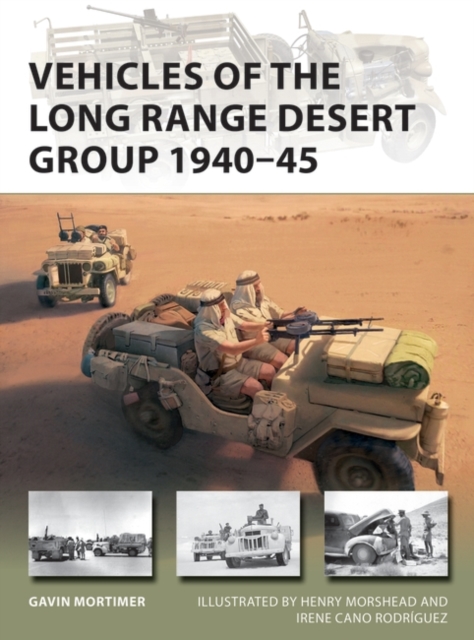
A fascinating study of the specialized vehicles, kit and techniques of the Long-Range Desert Group who pioneered long-range desert warfare in World War II and worked closely with the embryonic SAS.
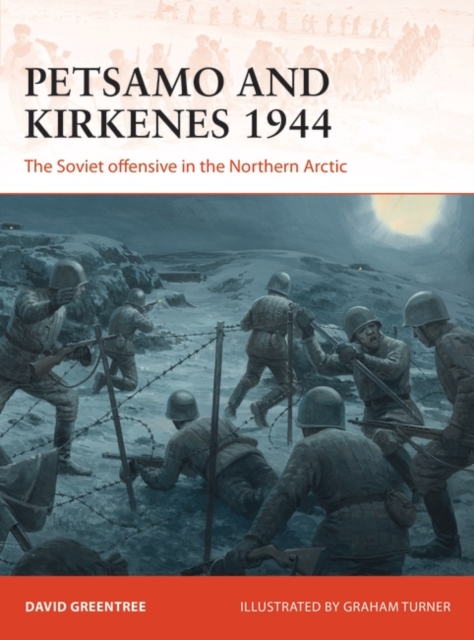
A highly illustrated study of this unique and bitter struggle in the far North, an epic battle between two elite forces fighting in a demanding environment.
From internationally bestselling author and retired FBI agent Joe Navarro, a ground-breaking look at the five powerful principles that set exceptional individuals apartJoe Navarro spent a quarter century with the FBI, pursuing spies and other dangerous criminals across the globe.
The 15:17 to Paris is the amazing true story of friendship and bravery, and of near tragedy averted by three heroic young men who found the unity and strength inside themselves when they - and 500 other innocent travellers - needed it most.