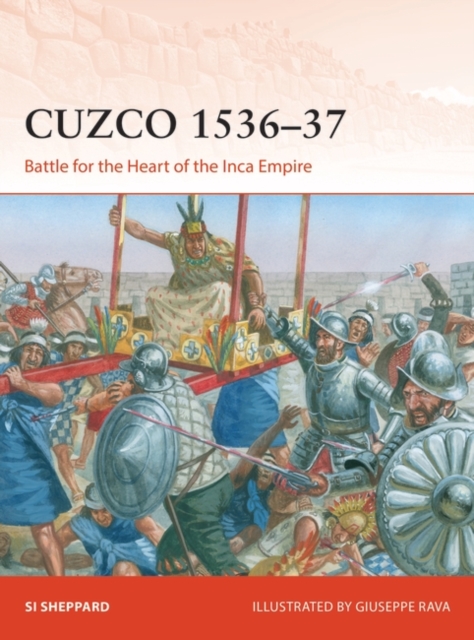
A highly illustrated and detailed study of one of the most important campaigns in the colonization of the Americas, the Spanish conquest of the vast Inca Empire.
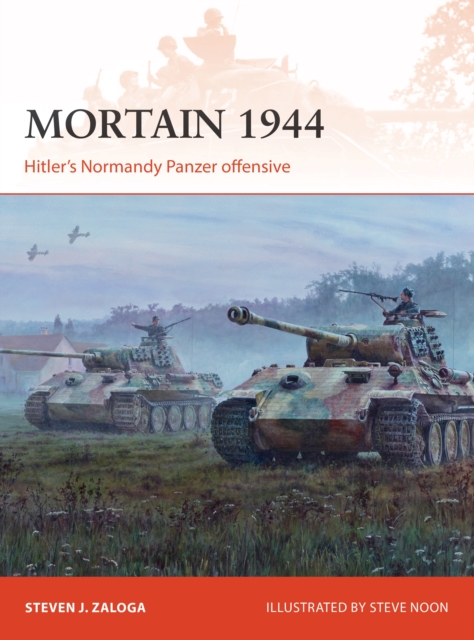
Following the successful landings in Normandy on D-Day and consolidation during Operation Cobra, the Wehrmacht was ordered to begin a counter-offensive named Operation L ttich.
Following the successful landings in Normandy on D-Day and consolidation during Operation Cobra, the Wehrmacht was ordered to begin a counter-offensive named Operation L ttich.
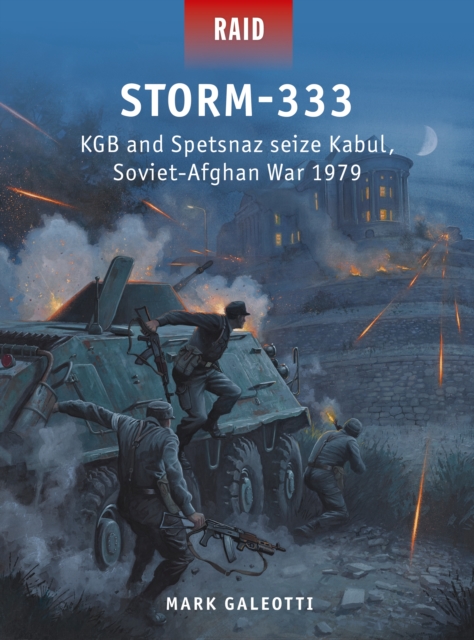
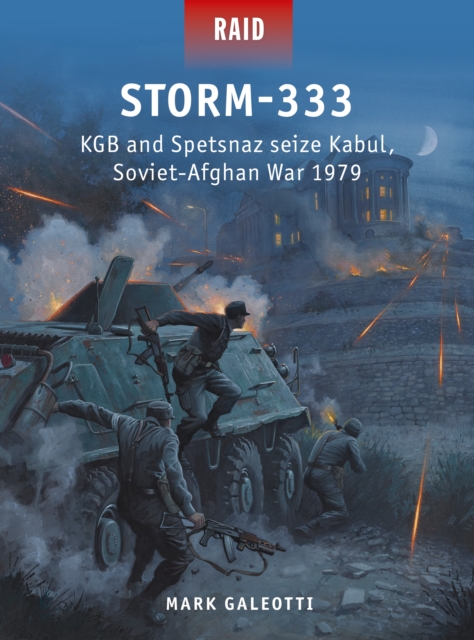
Storm-333, the operation to seize Kabul and assassinate Afghan leader Hafizullah Amin, was at once a textbook success and the start of a terrible blunder.
Storm-333, the operation to seize Kabul and assassinate Afghan leader Hafizullah Amin, was at once a textbook success and the start of a terrible blunder.
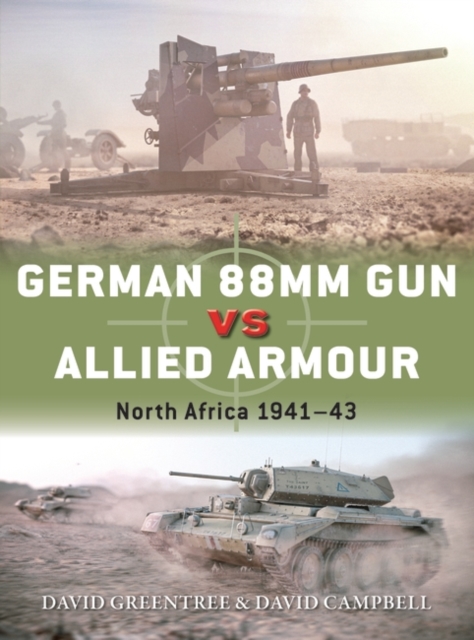
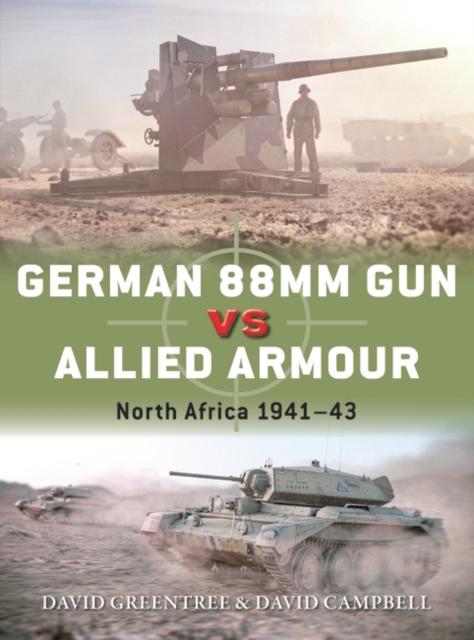
Few weapons developed a more deadly reputation than the German '88' in the role of anti-tank gun, its long reach and lethal hitting power making it a significant problem for every type of British and later American armour.
Few weapons developed a more deadly reputation than the German '88' in the role of anti-tank gun, its long reach and lethal hitting power making it a significant problem for every type of British and later American armour.
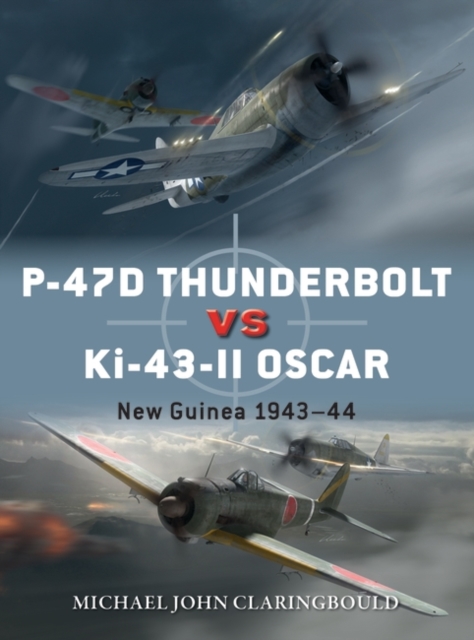
Although New Guinea's Thunderbolt pilots faced several different types of enemy aircraft in capricious tropical conditions, by far their most common adversary was the Nakajima Ki-43-II Hayabusa, codenamed 'Oscar' by the Allies.
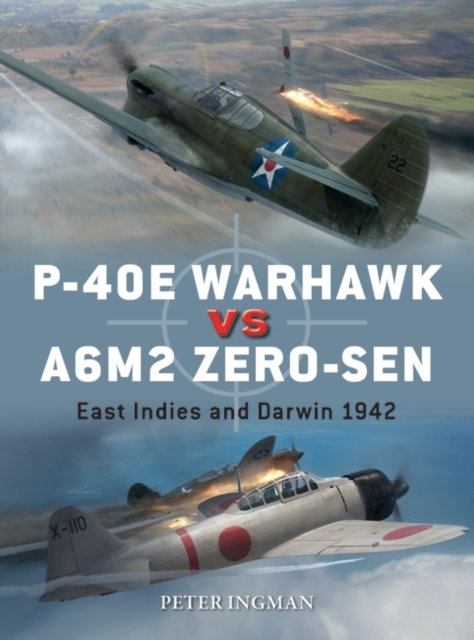
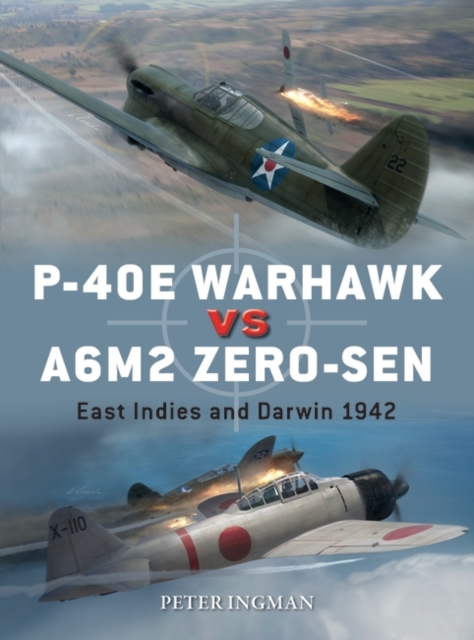
The P-40E Warhawk is often viewed as one of the less successful American fighter designs of World War II, but in 1942 the aircraft was all that was available to the USAAC in-theatre.
The P-40E Warhawk is often viewed as one of the less successful American fighter designs of World War II, but in 1942 the aircraft was all that was available to the USAAC in-theatre.
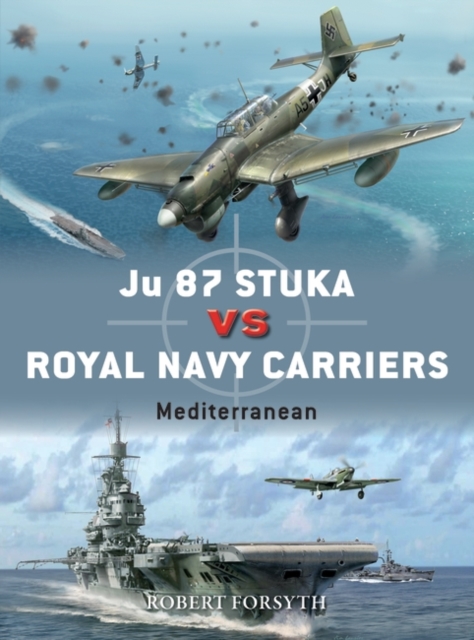
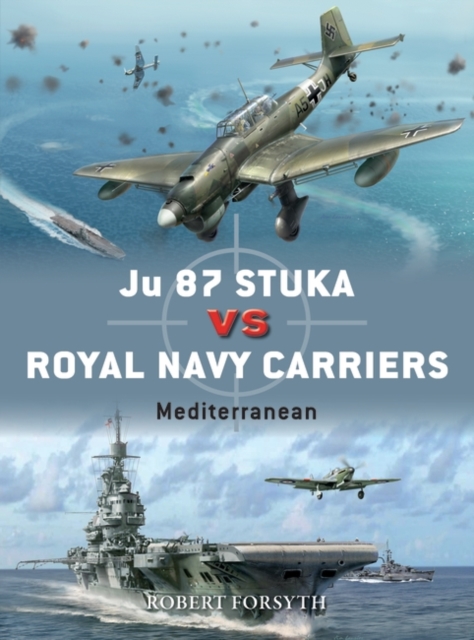
Ju 87 dive-bombers, originally developed for pin-pointing bombing missions against land targets and Allied naval vessels were deployed by both the Luftwaffe and the Regia Aeronautica against the Allied forces.
Ju 87 dive-bombers, originally developed for pin-pointing bombing missions against land targets and Allied naval vessels were deployed by both the Luftwaffe and the Regia Aeronautica against the Allied forces.
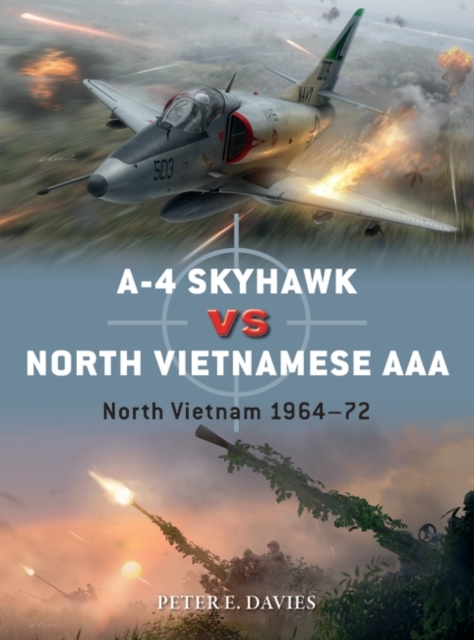
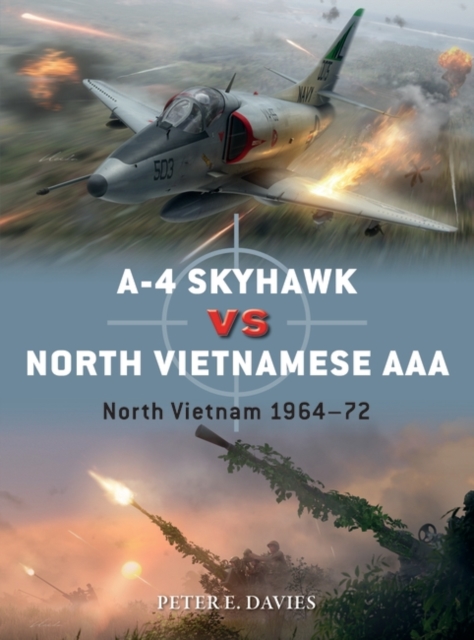
While the F 105 Thunderchief was the USAF's principal strike weapon during the Rolling Thunder campaign, the US Navy relied on the Douglas A-4 Skyhawk for the majority of its strikes on North Vietnam.
While the F 105 Thunderchief was the USAF's principal strike weapon during the Rolling Thunder campaign, the US Navy relied on the Douglas A-4 Skyhawk for the majority of its strikes on North Vietnam.
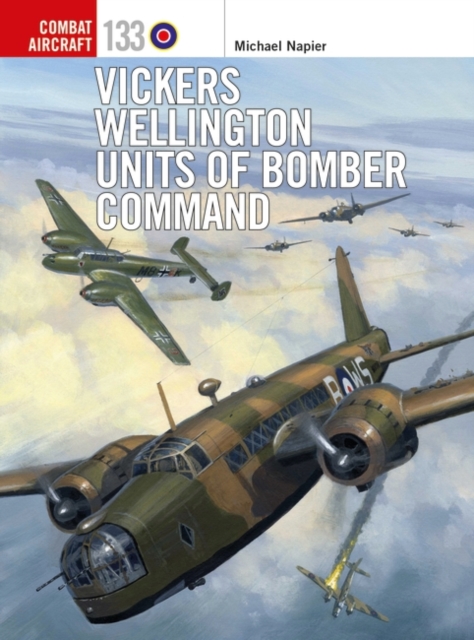
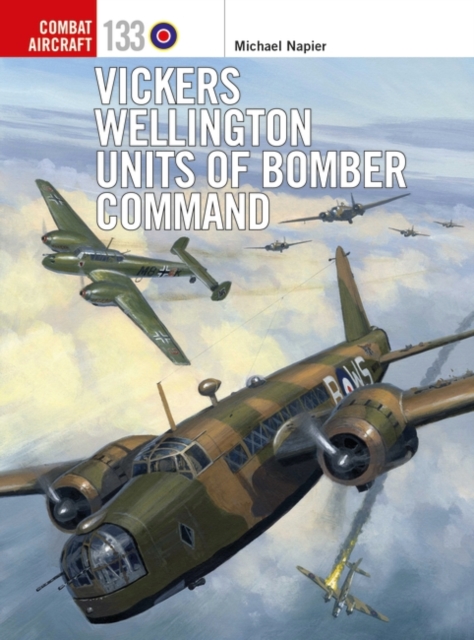
The Vickers Wellington was one of very few aircraft types to have been in production and frontline service throughout World War II, and more than 10,000 Wellingtons were built in the period.
The Vickers Wellington was one of very few aircraft types to have been in production and frontline service throughout World War II, and more than 10,000 Wellingtons were built in the period.
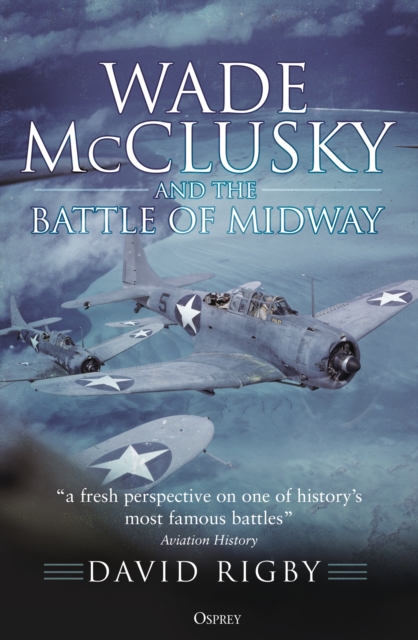
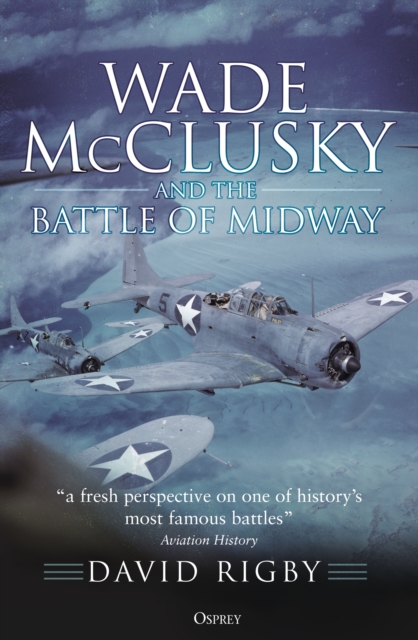
During the Battle of Midway in June 1942, US Navy dive bomber pilot Wade McClusky proved himself to be one of the greatest pilots and combat leaders in American history, but his story has never been told until now.
During the Battle of Midway in June 1942, US Navy dive bomber pilot Wade McClusky proved himself to be one of the greatest pilots and combat leaders in American history, but his story has never been told until now.
The Mosquito Pocket Manual collates authentic period sources including pilot's notes and other Air Ministry publications to provide a unique guide to this iconic aircraft.
The Mosquito Pocket Manual collates authentic period sources including pilot's notes and other Air Ministry publications to provide a unique guide to this iconic aircraft.
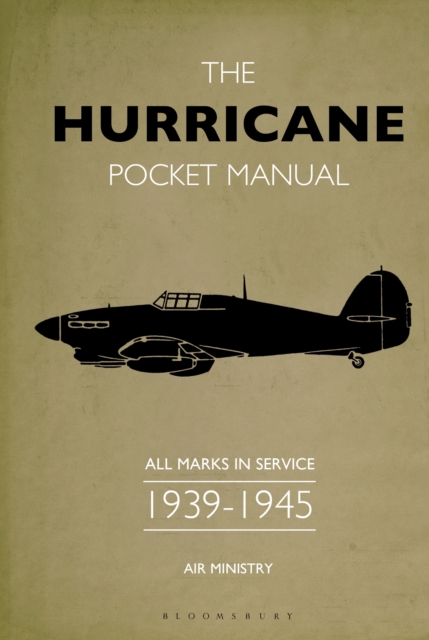
The Hurricane Pocket Manual collates authentic period sources including pilot's notes and other Air Ministry publications to provide a unique guide to this iconic aircraft.
The Hurricane Pocket Manual collates authentic period sources including pilot's notes and other Air Ministry publications to provide a unique guide to this iconic aircraft.
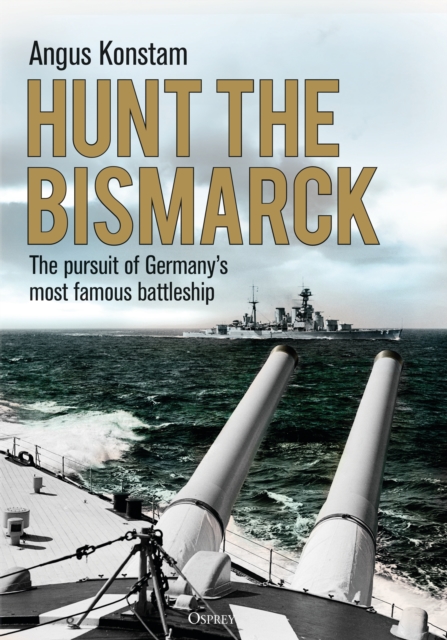
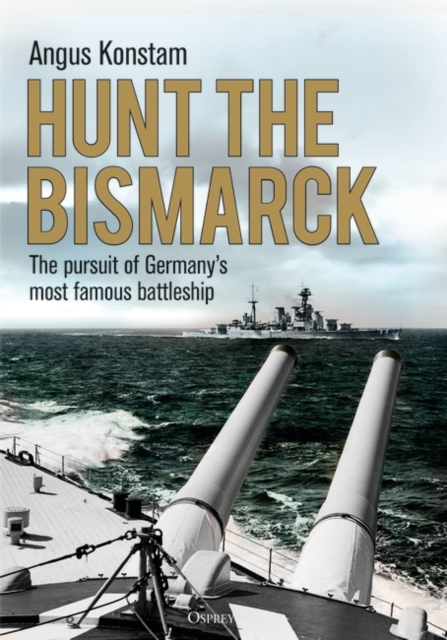
Hunt the Bismarck tells the story of Operation Rhein bung, the Atlantic sortie of Nazi Germany's largest battleship, Bismarck, in May 1941 and her subsequent pursuit by the Royal Navy.
Hunt the Bismarck tells the story of Operation Rhein bung, the Atlantic sortie of Nazi Germany's largest battleship, Bismarck, in May 1941 and her subsequent pursuit by the Royal Navy.
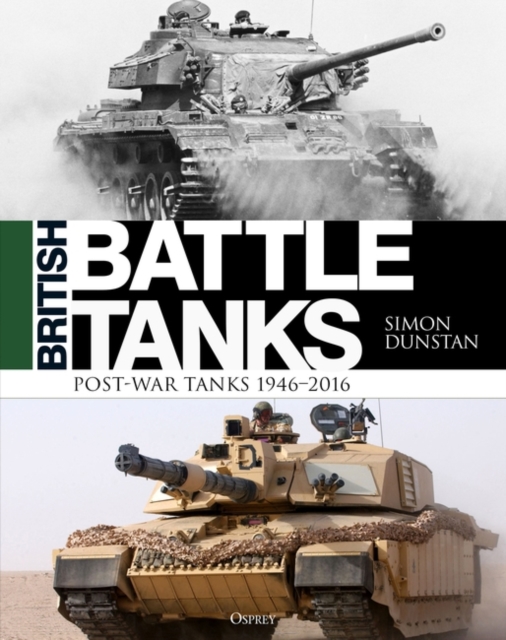
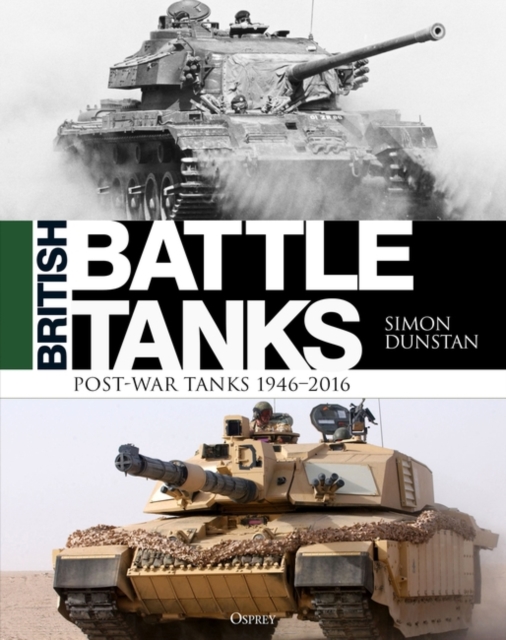
This lavishly illustrated volume details the design, development and operational history of British tanks from the end of World War II through to the present day.
This lavishly illustrated volume details the design, development and operational history of British tanks from the end of World War II through to the present day.
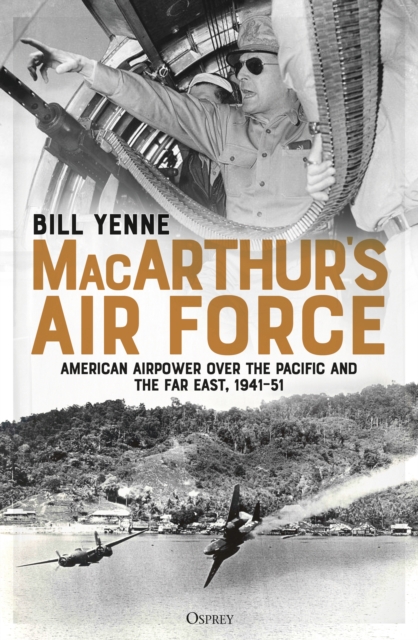
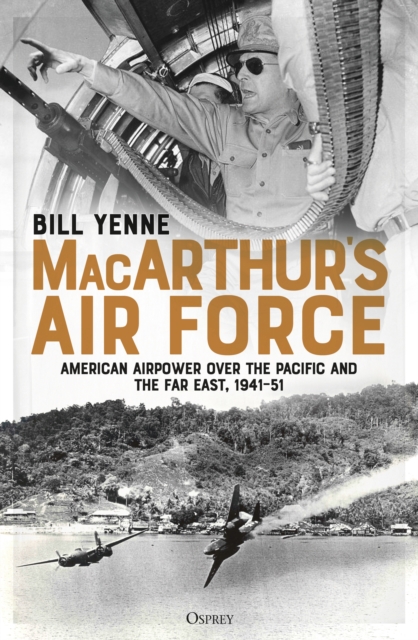
General Douglas MacArthur is one of the towering figures of World War II, and indeed of the twentieth century, but his leadership of the second largest air force in the USAAF is often overlooked.
General Douglas MacArthur is one of the towering figures of World War II, and indeed of the twentieth century, but his leadership of the second largest air force in the USAAF is often overlooked.
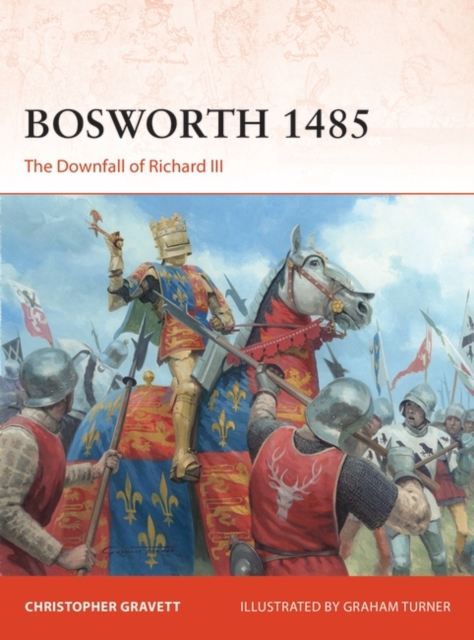
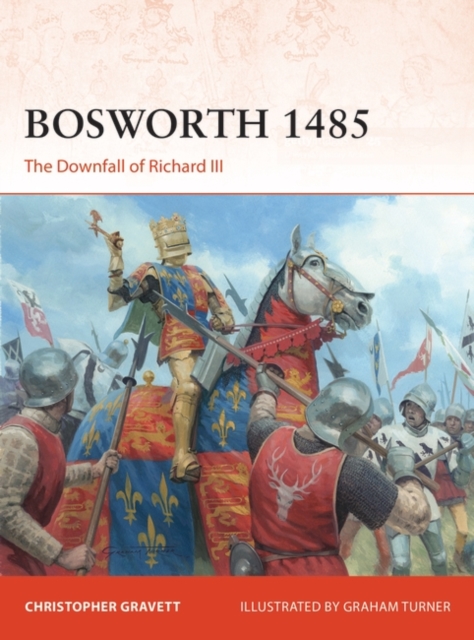
A study of the Battle of Bosworth, the climactic battle of the Wars of the Roses, based on a new interpretation of events following the discovery of the true location of the battlefield.
A study of the Battle of Bosworth, the climactic battle of the Wars of the Roses, based on a new interpretation of events following the discovery of the true location of the battlefield.
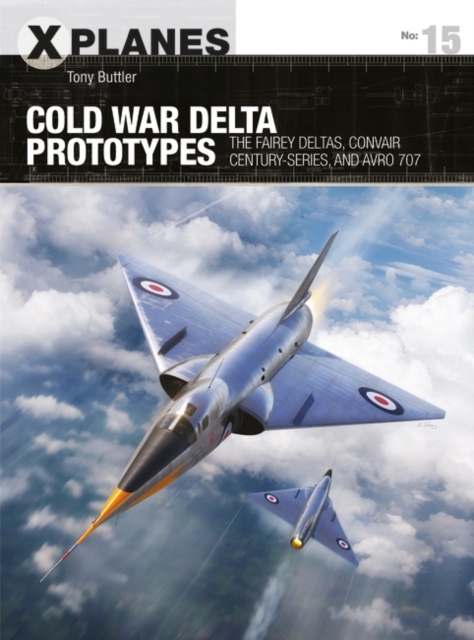
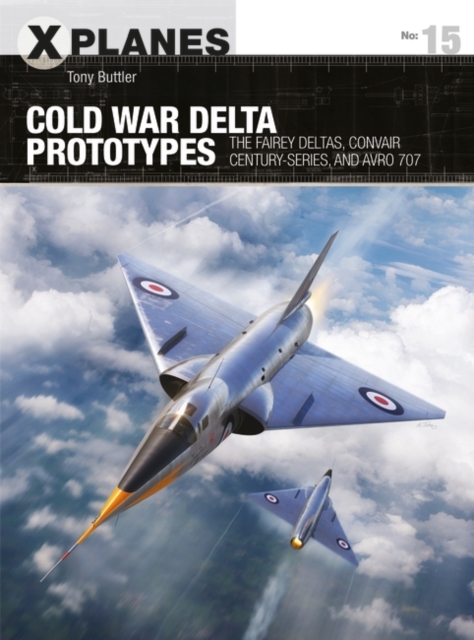
The fascinating history of how the radical delta-wing became the design of choice for early British and American high-performance jets, and of the role legendary aircraft like the Fairey Delta series played in its development.
The fascinating history of how the radical delta-wing became the design of choice for early British and American high-performance jets, and of the role legendary aircraft like the Fairey Delta series played in its development.
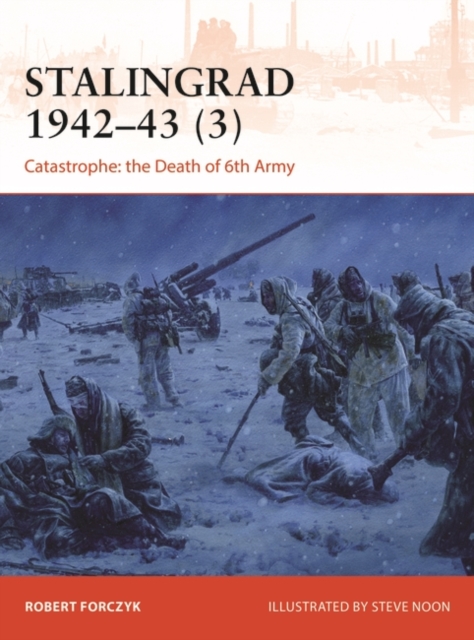
The final part in a three-book series on the Battle of Stalingrad, examining the Soviet encirclement, German relief efforts, and the final surrender of Paulus' 6.
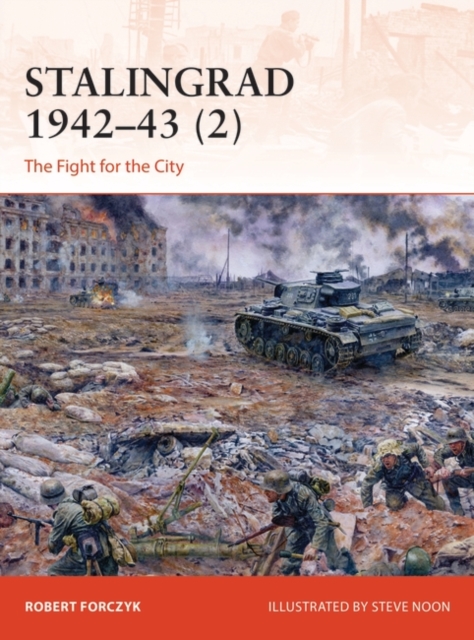
The second in a three-part series examining the Stalingrad campaign, one of the most decisive military operations in World War II, that set the stage for the ultimate defeat of the Third Reich.