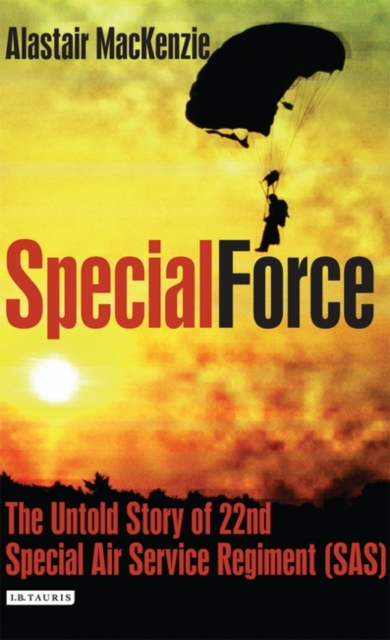
The exploits of the British Army's elite 22nd Special Air Service Regiment - the regiment of the SAS that forms part of the Regular army - are shrouded in mystery and myths abound about its members.
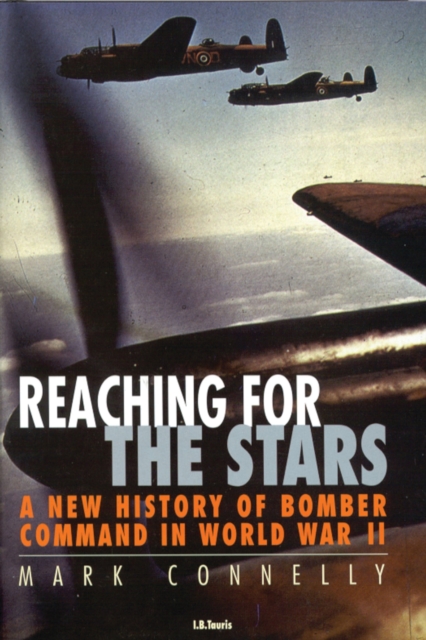
_Reaching for the Stars_ shows why Bomber Command, in one of the largest and bloodiest campaigns of the war, with 55,000 aircrew lost and more officer fatalities than in World War I, has received so much attention and yet remains a 'lost and black sheep' among British wartime achievements.
Convinced before the onset of Operation "e;Barbarossa"e; in June 1941 of both the ease, with which the Red Army would be defeated and the likelihood that the Soviet Union would collapse, the Nazi regime envisaged a radical and far-reaching occupation policy which would result in the political, economic and racial reorganization of the occupied Soviet territories and bring about the deaths of 'x million people' through a conscious policy of starvation.
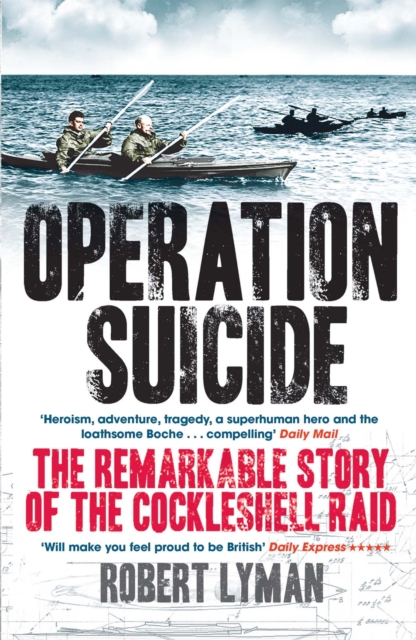
At nightfall on December 7 1942, twelve British canoeists arrived by submarine off the coast of France, tasked with infiltrating the dockyards of Bordeaux, and wreaking havoc with the German shipping they found there.
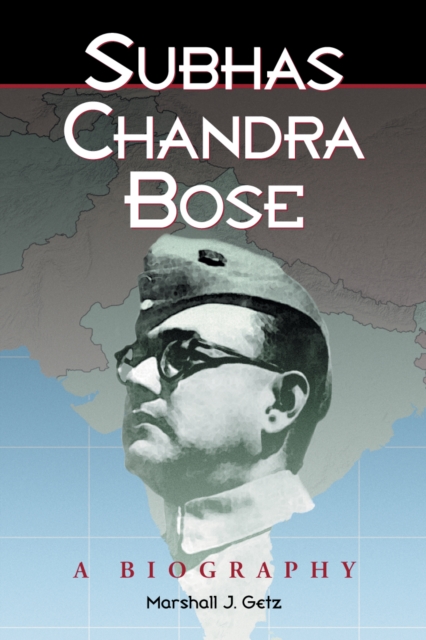
Subhas Chandra Bose continues to be a well-known figure in India more than fifty years after his death, but in the West remains a shadowy figure unknown to many.
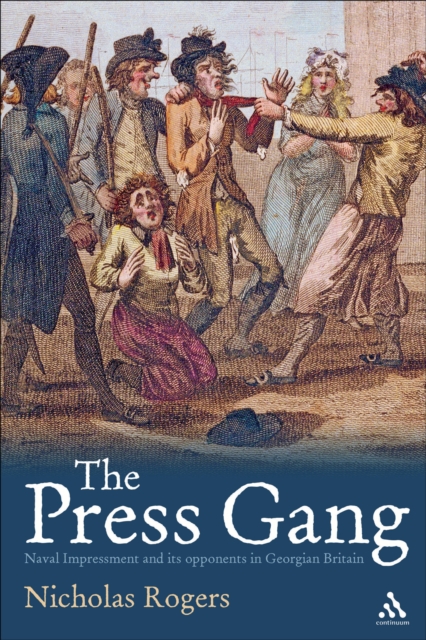
The press gang, and its forcible recruitment of sailors to man the Royal Navy in times of war, acquired notoriety for depriving men of their liberty and carrying them away to a harsh life at sea, sometimes for years at a time.
Responding to pressure from the United States, the Colombian government in 1996 intensified aerial fumigation of coca plantations in the western Amazon region.
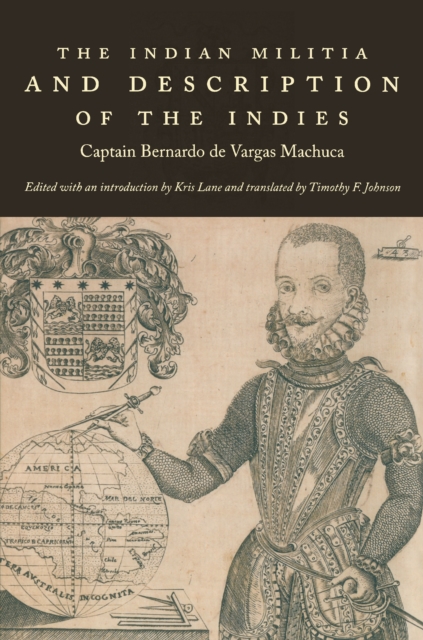
Sometimes referred to as the first published manual of guerrilla warfare, Bernardo de Vargas Machuca's Indian Militia and Description of the Indies is actually the first known manual of counterinsurgency, or anti-guerrilla warfare.
America's Miracle Man in Vietnam rethinks the motivations behind one of the most ruinous foreign-policy decisions of the postwar era: America's commitment to preserve an independent South Vietnam under the premiership of Ngo Dinh Diem.
Combining theories of calculation and property relations and using an array of archival sources, this book focuses on the building and decommissioning of state-owned defense factories in World War II-era Chicago.
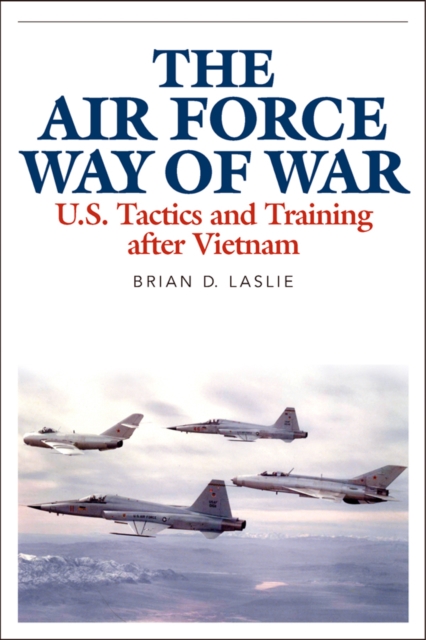
While the Clinton Administration and federal agencies were busy making government cost less and work better in the near-term, the United States Air Force was regularly visualizing the competencies needed to assure the organization's long-term effectiveness.
The history of Jerusalem as traditionally depicted is the quintessential history of conflict and strife, of ethnic tension, and of incompatible national narratives and visions.
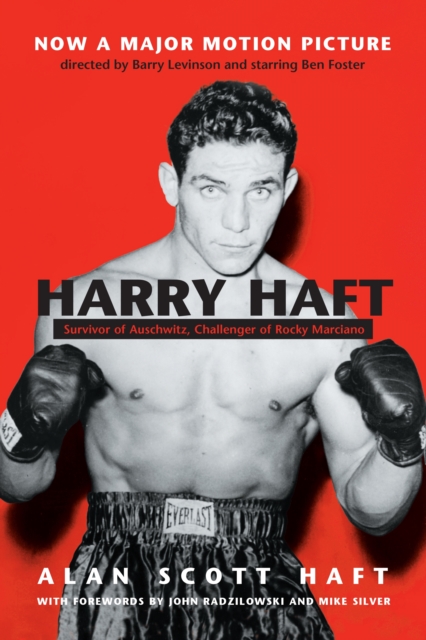
Alan Scott Haft provides the first-hand testimony of his father, Harry Haft, a holocaust victim with a singular story of endurance, desperation, and unrequited love.
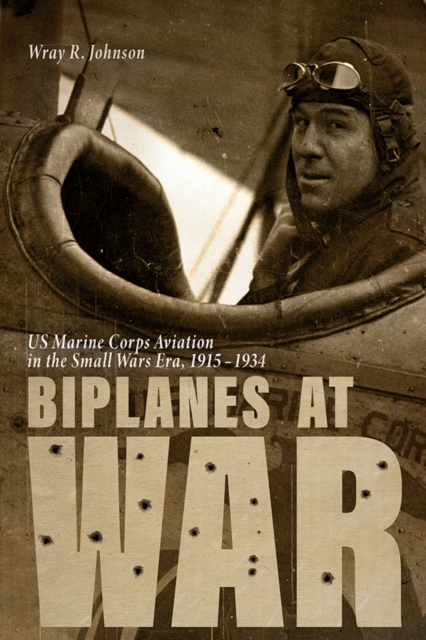
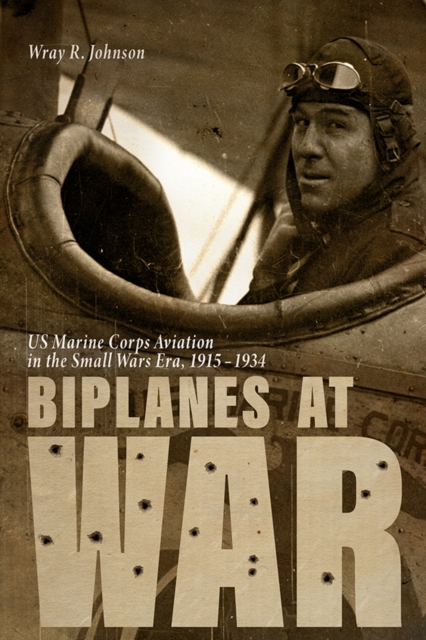
Unlike the relative uniformity of conventional warfare, the peculiarities of small wars prevent a clear definition of rules and roles for military forces to follow.
Unlike the relative uniformity of conventional warfare, the peculiarities of small wars prevent a clear definition of rules and roles for military forces to follow.
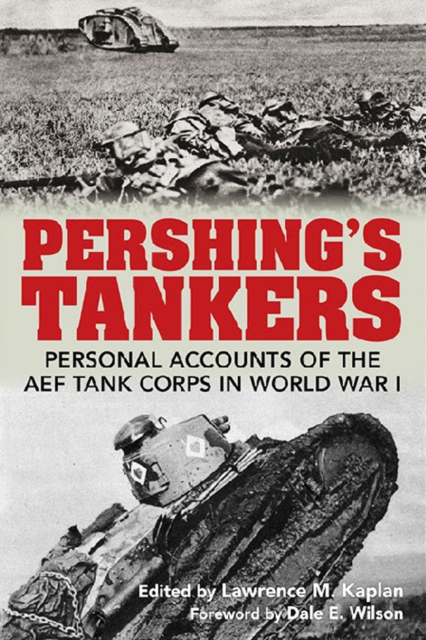
After the United States declared war against Germany in April 1917, the US Army established the Tank Corps to help break the deadlock of trench warfare in France during World War I.
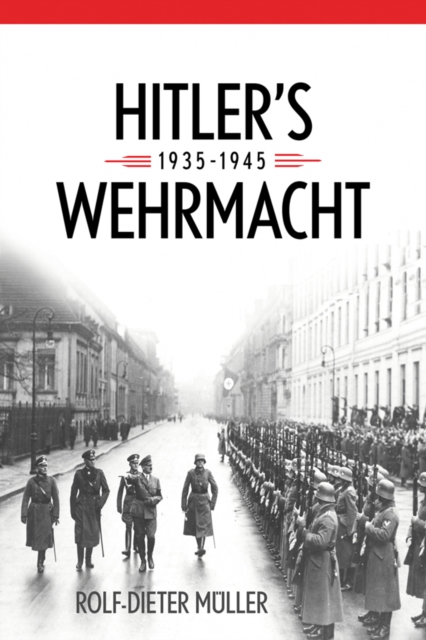
Since the end of World War II, Germans have struggled with the legacy of the Wehrmachtthe unified armed forces mobilized by Adolf Hitler in 1935 to ensure the domination of the Third Reich in perpetuity.
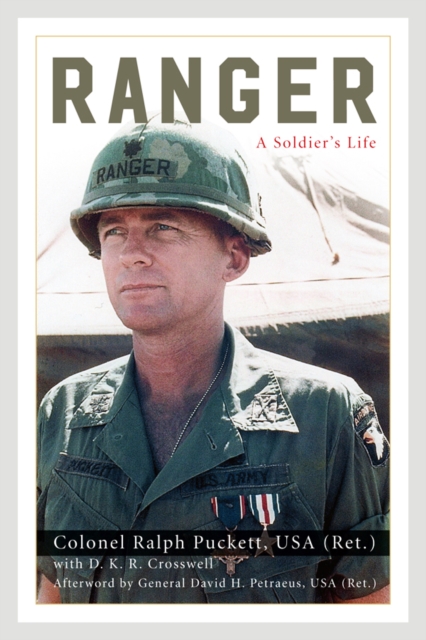
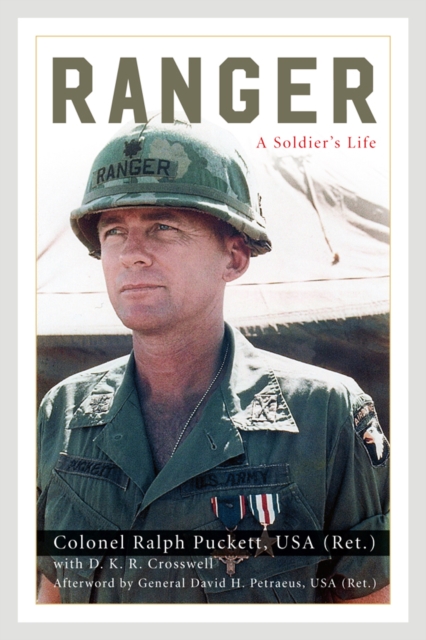
On November 25, 1950, during one of the toughest battles of the Korean War, the US Eighth Army Ranger Company seized and held the strategically important Hill 205 overlooking the Chongchon River.
On November 25, 1950, during one of the toughest battles of the Korean War, the US Eighth Army Ranger Company seized and held the strategically important Hill 205 overlooking the Chongchon River.
The naval historian presents a "e;well-written, fast-paced"e; study of Civil War riverine combat based on the personal accounts of officers and sailors (Civil War News).
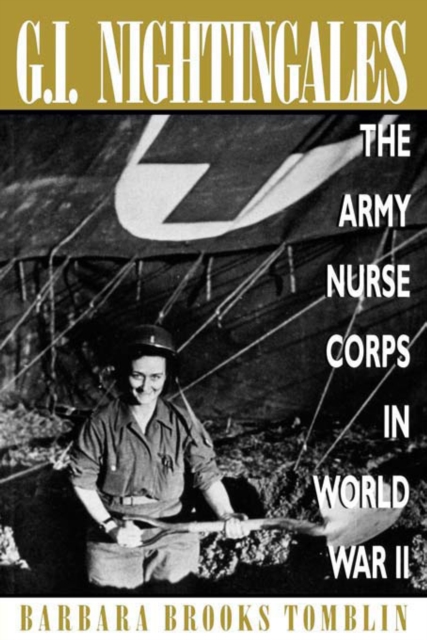
Weaving together information from official sources and personal interviews, Barbara Tomblin gives the first full-length account of the US Army Nurse Corps in the Second World War.
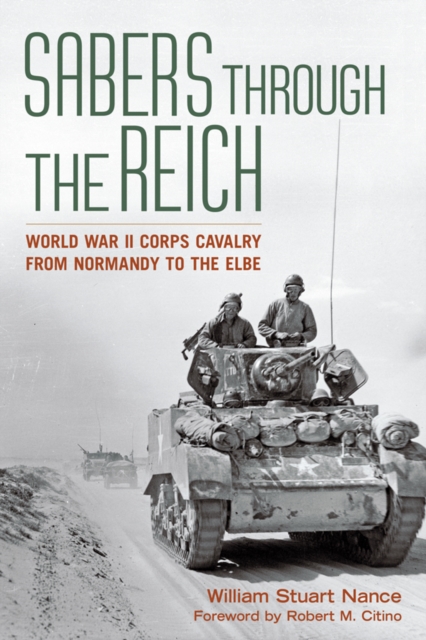
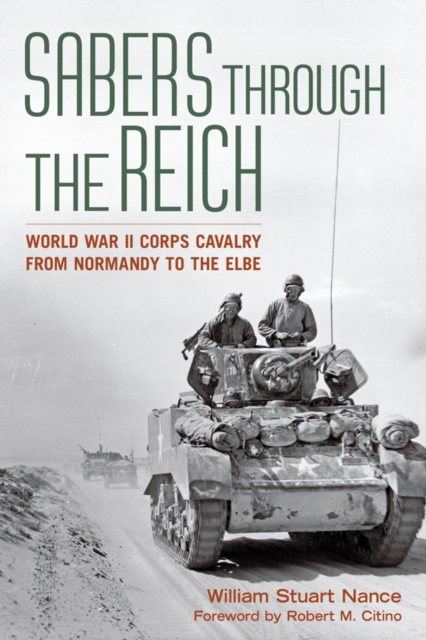
In Sabers through the Reich, William Stuart Nance provides the first comprehensive operational history of American corps cavalry in the European Theater of Operations (ETO) during World War II.
In Sabers through the Reich, William Stuart Nance provides the first comprehensive operational history of American corps cavalry in the European Theater of Operations (ETO) during World War II.