The compelling biography of the violinist who founded the Palestine Symphony Orchestra and saved hundreds of people from Hitler—as seen in Josh Aronson’s documentary Orchestra of Exiles.
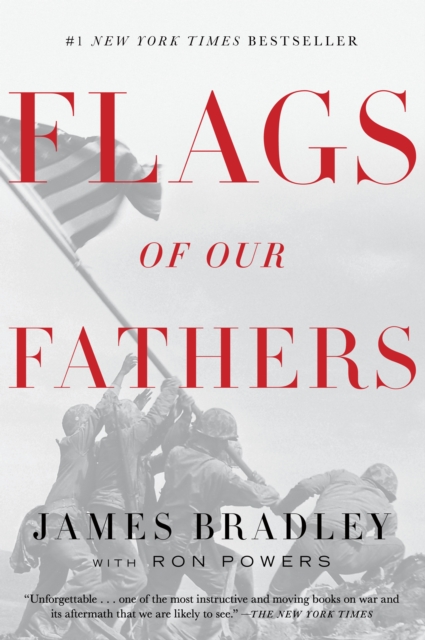
The Battle of Iwo Jima, a major event in the Pacific Theater of World War II—and one of the bloodiest in United States history—began on February 19, 1945.
In the tradition of Shadow Divers, this is the gripping true account of the search for German U-boat U-550, the last unfound, diveable wreck of a U-boat off the United States coast, and the battle in which it was sunk.
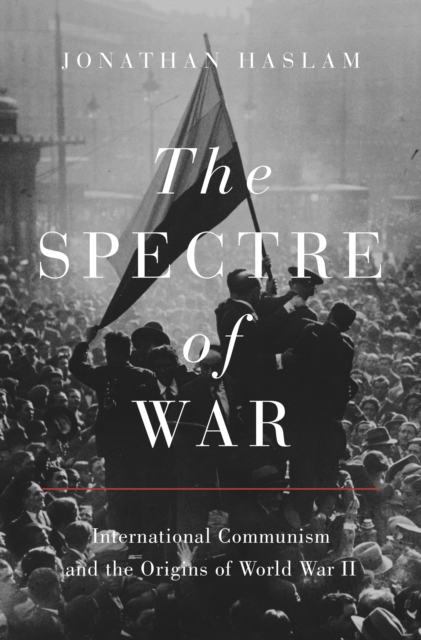
A bold new history showing that the fear of Communism was a major factor in the outbreak of World War IIThe Spectre of War looks at a subject we thought we knew-the roots of the Second World War-and upends our assumptions with a masterful new interpretation.
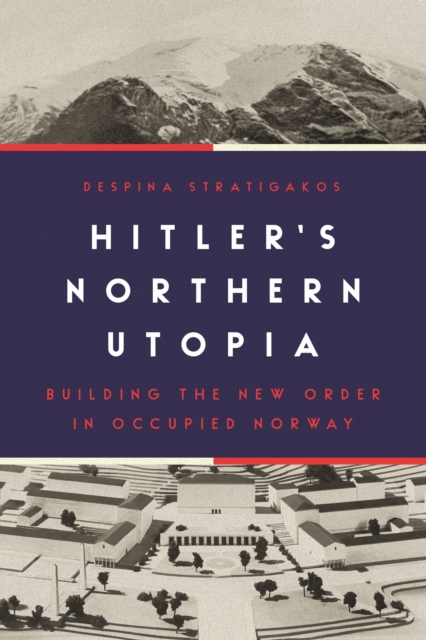
The fascinating untold story of how Nazi architects and planners envisioned and began to build a model "e;Aryan"e; society in Norway during World War IIBetween 1940 and 1945, German occupiers transformed Norway into a vast construction zone.
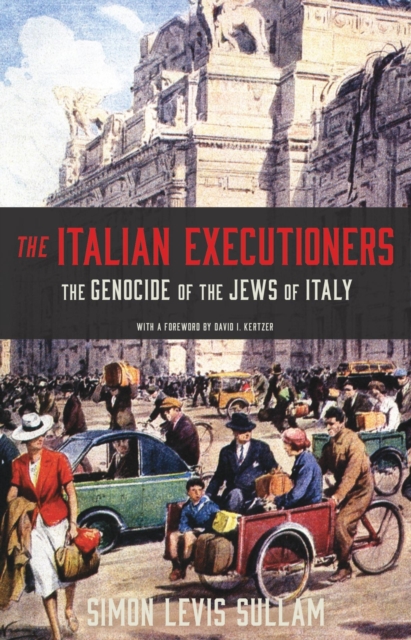
A gripping revisionist history that shows how ordinary Italians played a central role in the genocide of Italian Jews during the Second World WarIn this gripping revisionist history of Italy's role in the Holocaust, Simon Levis Sullam presents an unforgettable account of how ordinary Italians actively participated in the deportation of Italy's Jews between 1943 and 1945, when Mussolini's collaborationist republic was under German occupation.
A gripping revisionist history that shows how ordinary Italians played a central role in the genocide of Italian Jews during the Second World WarIn this gripping revisionist history of Italy's role in the Holocaust, Simon Levis Sullam presents an unforgettable account of how ordinary Italians actively participated in the deportation of Italy's Jews between 1943 and 1945, when Mussolini's collaborationist republic was under German occupation.
A ground-breaking new study that transforms our understanding of one of the most famous battles of the Second World War, widely mythologized as the largest tank battle in history.
A ground-breaking new study that transforms our understanding of one of the most famous battles of the Second World War, widely mythologized as the largest tank battle in history.
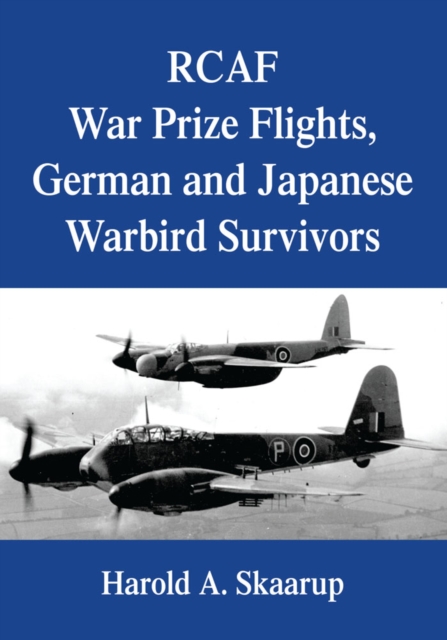
This handbook concerns the collection of Air Technical Intelligence, and the test flying of war prizes carried out by two RCAF bomber pilots who were posted to the Royal Aircraft Establishment's Foreign Aircraft Flight, Farnborough, in the United Kingdom in May 1945.
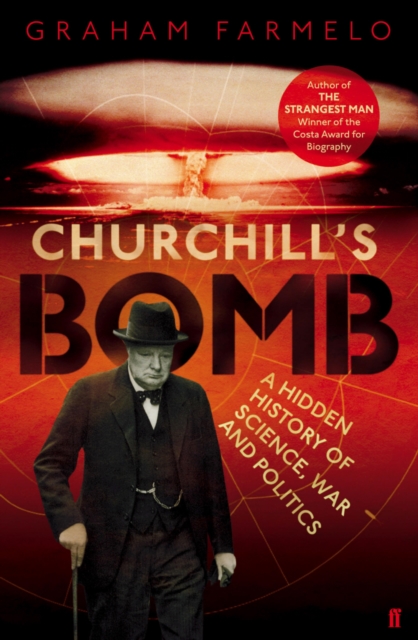
Churchill's Bomb - from the author of the Costa award-winning biography The Strangest Man - reveals a new aspect of Winston Churchill's life, so far completely neglected by historians: his relations with his nuclear scientists, and his management of Britain's policy on atomic weapons.
The Hazard Mesh, first published in 1946, is the work of a 28-year-old naval officer who disobeyed wartime regulations by keeping a diary 'in the field' during the Normandy D-Day landings and subsequent Liberation de la France.
The true story of how Britain's maritime power helped gain this country unparalleled dominance of the world's economy, Admirals celebrates the rare talents of the men who shaped the most successful fighting force in world history.
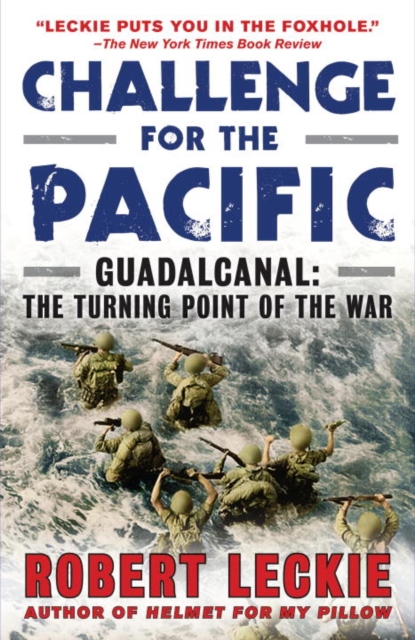
From Robert Leckie, the World War II veteran and New York Times bestselling author of Helmet for My Pillow, whose experiences were featured in the HBO miniseries The Pacific, comes this vivid narrative of the astonishing six-month campaign for Guadalcanal.
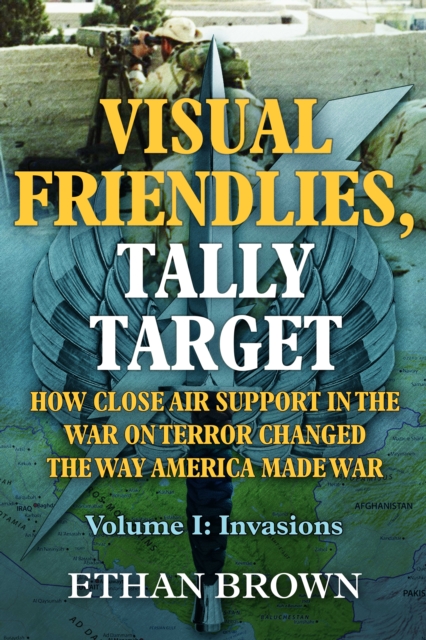
"e;Brown has taken an incredibly complex subject and made it accessible and readable, all while retaining the gravity of history and the sheer intensity of these battlefields.
This book is the latest contribution to a unique series in a common format documenting in great detail the warships of the major naval powers during the age of sail.
Dilip Sarkar has studied the Battle of Britain period for a lifetime and is renowned for his meticulous research and evidence-based approach, setting events within the broadest possible context.
This book is new in every aspect and not only because neither the official history nor an unofficial history of the KGB, and its many predecessors and successors, exists in any language.
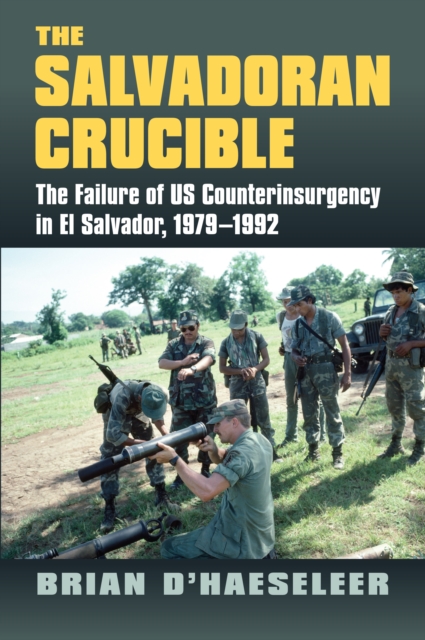
In 1979, with El Salvador growing ever more unstable and ripe for revolution, the United States undertook a counterinsurgency intervention that over the following decade would become Washington's largest nation-building effort since Vietnam.