More than 12,000 soldiers from the Highlands of Scotland were recruited to serve in Great Britain’s colonies in the Americas in the middle to the late decades of the eighteenth century.
More than three-and-a-half million men served in the British Army during the Second World War, the vast majority of them civilians who had never expected to become soldiers and had little idea what military life, with all its strange rituals, discomforts, and dangers, was going to be like.
The master historian John Lukacs explores lasting questions and enigmas about World War II, its consequences, and its persistent legacy Sixty-five years after the conclusion of World War II, its consequences are still with us.
Historian John Buckley offers a radical reappraisal of Great Britain’s fighting forces during World War Two, challenging the common belief that the British Army was no match for the forces of Hitler’s Germany.
Historians have portrayed British participation in World War I as a series of tragic debacles, with lines of men mown down by machine guns, with untried new military technology, and incompetent generals who threw their troops into improvised and unsuccessful attacks.
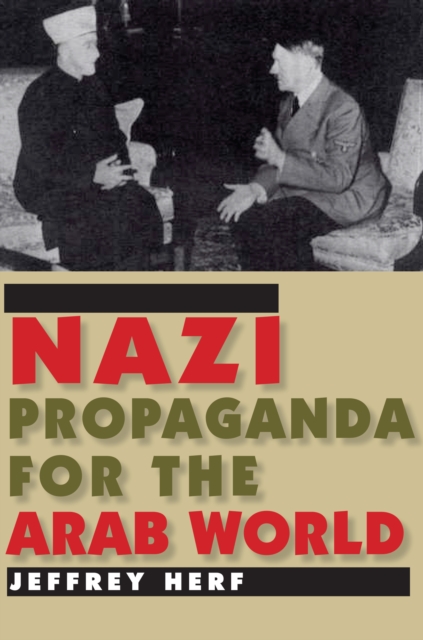
This groundbreaking history connects Nazi Germany's Arabic-language propaganda during World War II to anti-Semitism in the Middle East in the decades since.
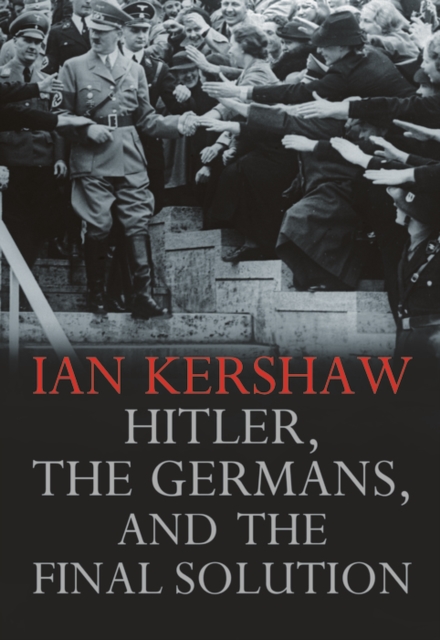
This book is the culmination of more than three decades of meticulous historiographic research on Nazi Germany by one of the period's most distinguished historians.
Upon publication of her “field manual,” The Origins of Totalitarianism, in 1951, Hannah Arendt immediately gained recognition as a major political analyst.
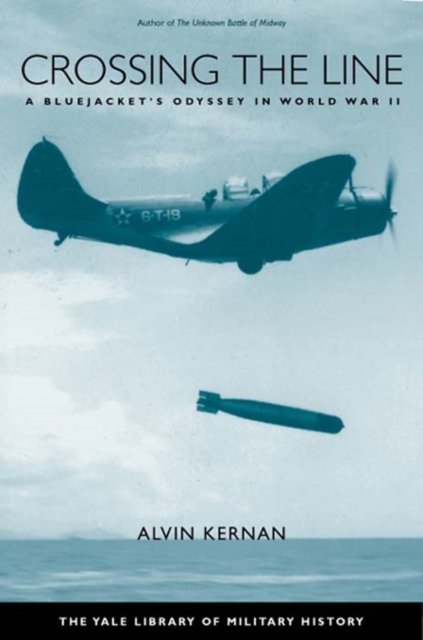
In this memoir of life aboard aircraft carriers during World War II, Alvin Kernan combines vivid recollections of his experience as a young enlisted sailor with a rich historical account of the Pacific war.
A dramatic blow-by-blow account of the defeat of the Spanish Armada by the English fleet - a tale of daring and disaster on the high seas by one of our best narrative historians.
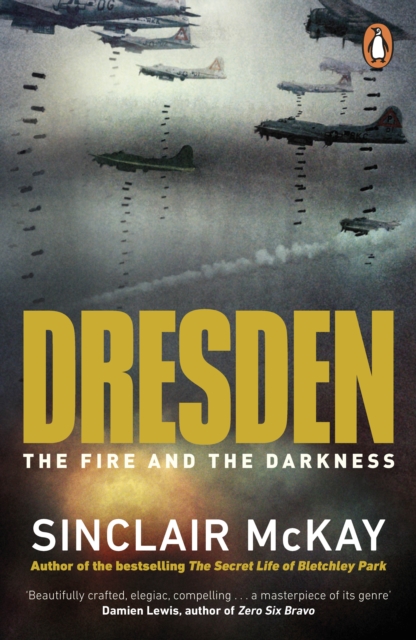
'A brilliant insight into life in the air and on the ground' ObserverIn February 1945, British and American bombers rained down thousands of tons of incendiaries on the city of Dresden, killing an estimated 25,000 people and destroying one of the most beautiful cities in Europe.
This reexamination of the controversial role Emperor Hirohito played during the Pacific War gives particular attention to the question: If the emperor could not stop Japan from going to war with the Allied Powers in 1941, why was he able to play a crucial role in ending the war in 1945?
This fascinating account of the development of aviation in Alaska examines the daring missions of pilots who initially opened up the territory for military positioning and later for trade and tourism.
On July 25, 2010, Arnold Ebneter flew across the country in a plane he designed and built himself, setting an aviation world record for aircraft of its class.
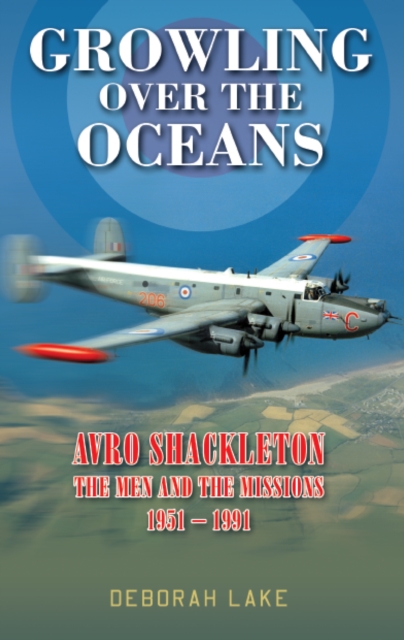
The Avro Shackleton was a formidable machine with its Griffon engines producing the characteristic grumble that gave the aircraft one of its nicknames, the Growler.
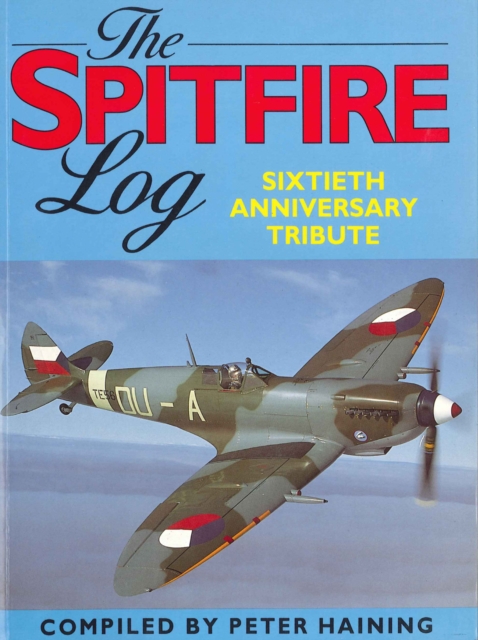
Of all the airplanes that defended Britain during World War Two, none inspired as much affection as the Spitfire, the plane that became a symbol of courage and determination during the Battle of Britain.
Drone warfare described from the perspectives of drone operators, victims of drone attacks, anti-drone activists, international law, military thinkers, and others.
Upon publication of her “field manual,” The Origins of Totalitarianism, in 1951, Hannah Arendt immediately gained recognition as a major political analyst.
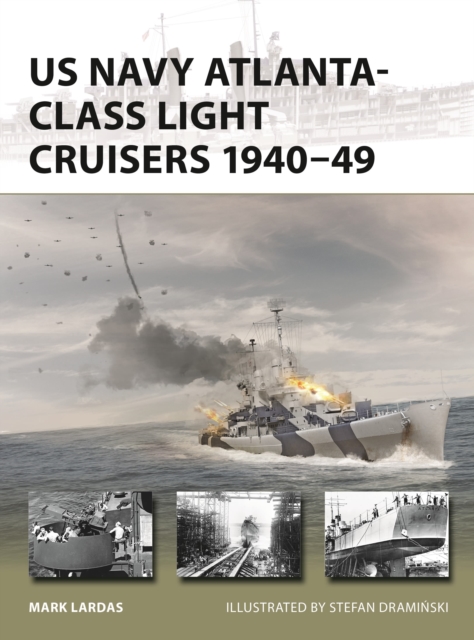
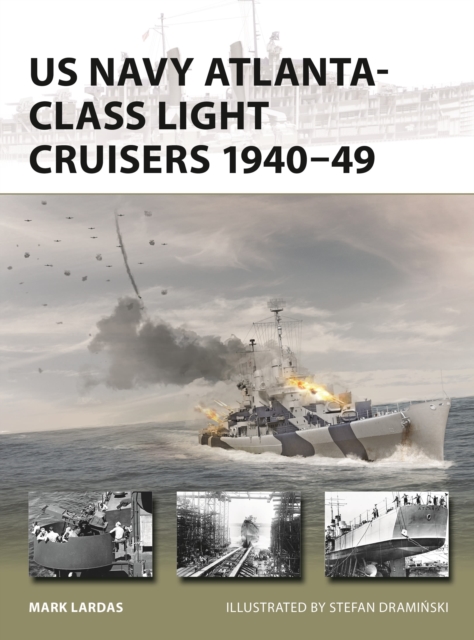
A comprehensively illustrated account of the Atlanta-class cruisers, warships that found a surprising key role in the Pacific War as the US Navy's superb antiaircraft warships.
This new book explores for the first time the full story of how two Turkish and two Chilean battleships became British capital ships after the outbreak of the First World War.
'Gorgeous, spellbinding and important' Sunday Times'Rampaging, brilliant, passionate history' Wall Street Journal'Magnificent Dalrymple has uncovered sources never used before' Guardian'Vivid unmatched revolutionary humane' Sunday Telegraph____________________________From multi-award-winning and bestselling historian William Dalrymple, a four-book collection chronicling the extraordinary story of the rise and fall of the East India Company.
This new book explores for the first time the full story of how two Turkish and two Chilean battleships became British capital ships after the outbreak of the First World War.
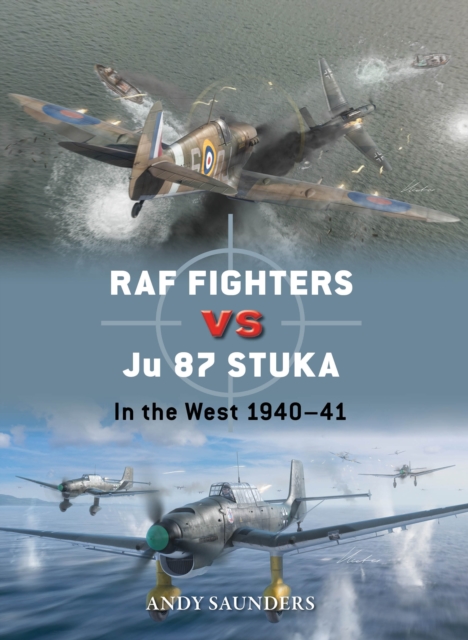
An illustrated account of the clashes between RAF Fighter Command's Hurricane and Spitfire and the Luftwaffe's Ju 87 Stuka in the skies over France, the Channel and southern England.
A comprehensively illustrated account of the Atlanta-class cruisers, warships that found a surprising key role in the Pacific War as the US Navy's superb antiaircraft warships.
The definitive account of the rise and fall of the iconic Concorde plane from British Airways' former Chief Concorde Pilot'A remarkable story' DAILY EXPRESS'A stonking good read' FLYER_________What's it like to fly faster than a bullet?
A short, brilliant account of the birth of the RAF for the centenary of its foundingThe dizzying pace of technological change in the early 20th century meant that it took only a little over ten years from the first flight by the Wright Brothers to the clash of fighter planes in the Great War.