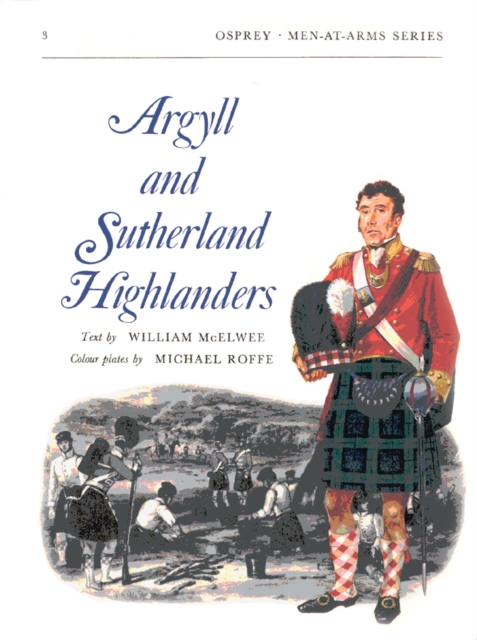
On 1 July 1881 Viscount Cardwell's wholesale reorganisation of the British Army brought into existence Priness Louise's Argyll and Sutherland Highlanders.
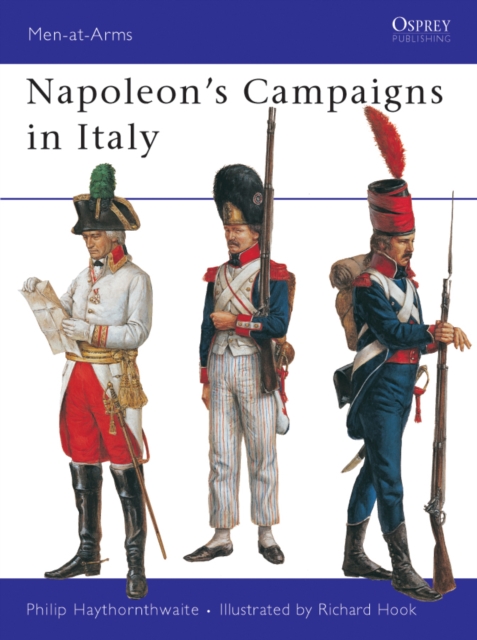
In January 1794 the French 'Army of Italy' was commanded by General Dumerbion and he acknowledged a great debt to his 25-year-old commander of artillery Napoleon Bonaparte.
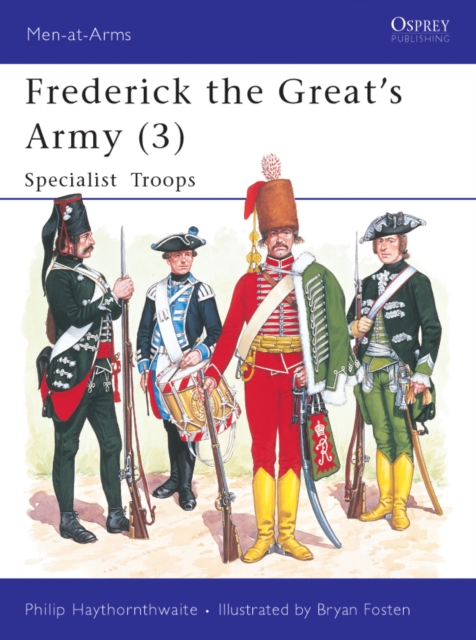
Frederick the Great was not renowned as a great artillery enthusiast, however he did recognise the importance of artillery and greatly expanded the arm.
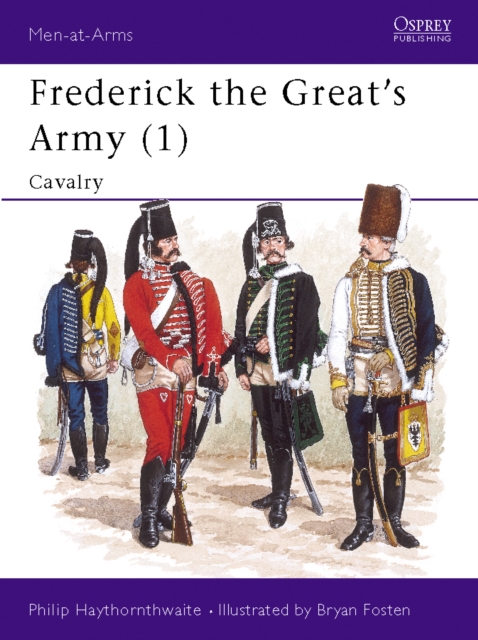
The Prussian army of King Frederick II, 'the Great', became so renowned as a result of its campaigns, principally during the Seven Years' War, that it was regarded as a model for many of the other armies of Europe.
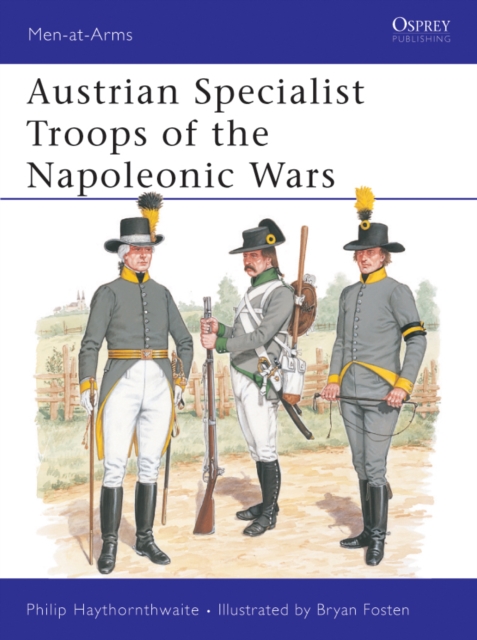
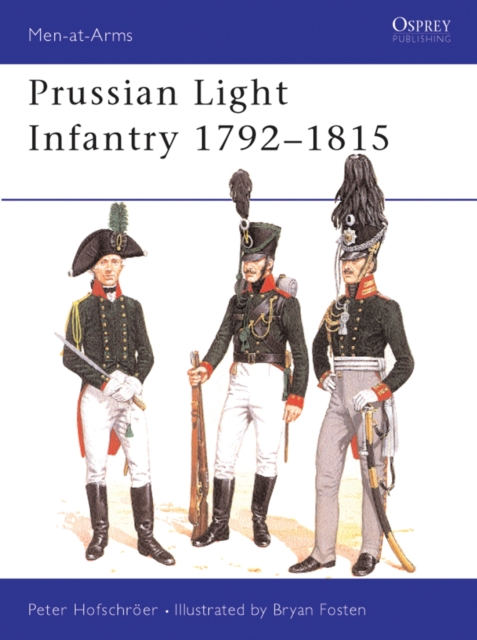
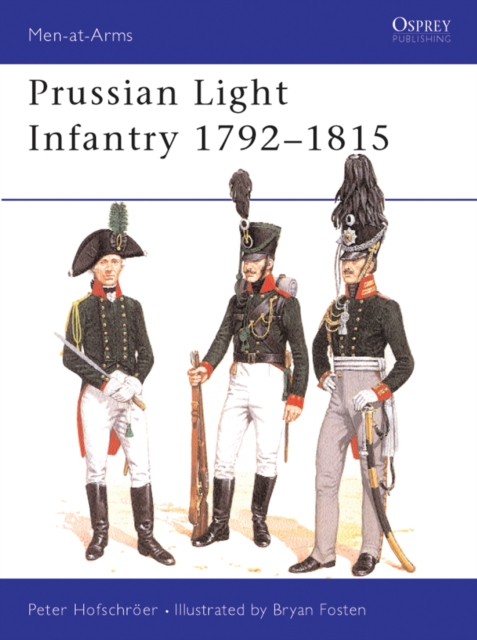
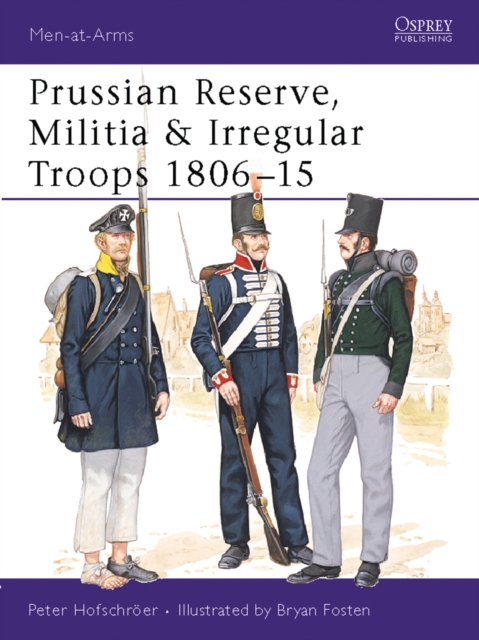
Irregular, semi-regular and reserve formations comprised a substantial part of the armed forces at the disposal of the Prussian Army throughout the Napoleonic Wars, particularly during the campaigns of the Wars of Liberation, 1813-15.
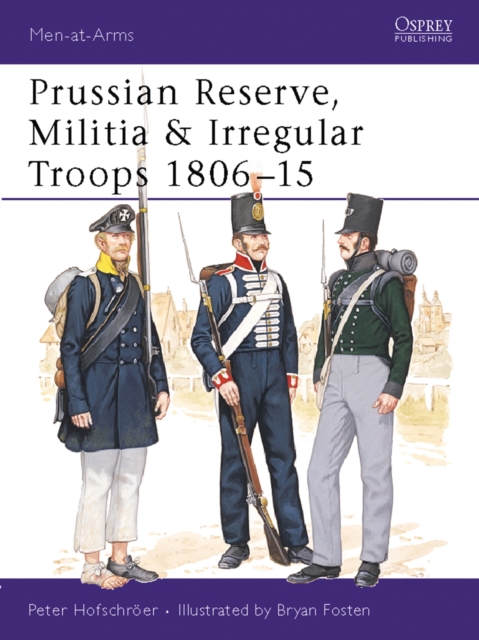
Irregular, semi-regular and reserve formations comprised a substantial part of the armed forces at the disposal of the Prussian Army throughout the Napoleonic Wars, particularly during the campaigns of the Wars of Liberation, 1813-15.
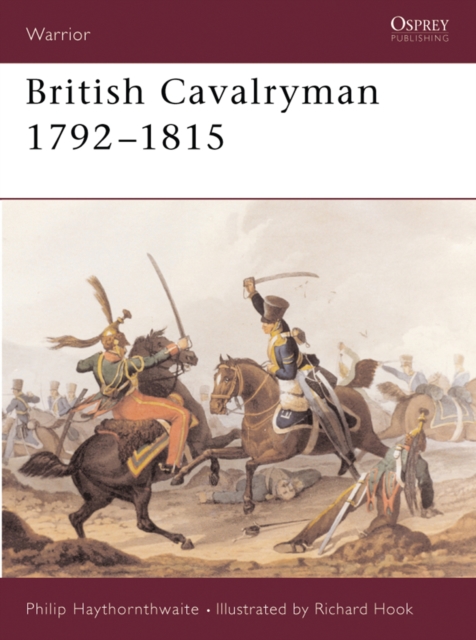
In the campaigns of the French Revolutionary and Napoleonic Wars, the deserved reputation of the British infantry has tended to overshadow the contribution of the cavalry, but in fact they did form an integral part of the army, carrying out duties crucial to the success of other arms.
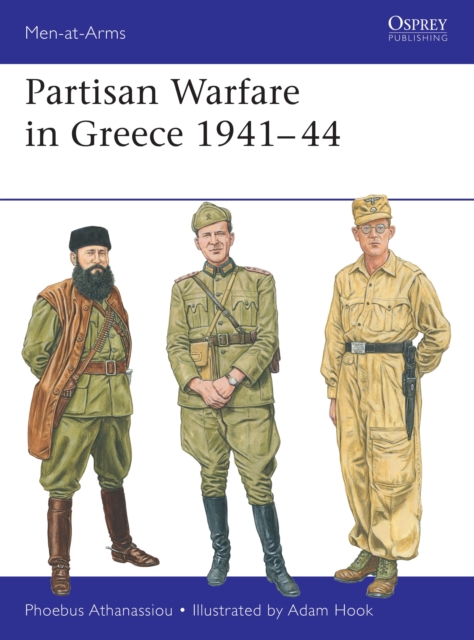
This fully illustrated study examines the German, Italian and Bulgarian occupation forces in Greece during 1941 44 as well as those of the two Greek Resistance organizations.
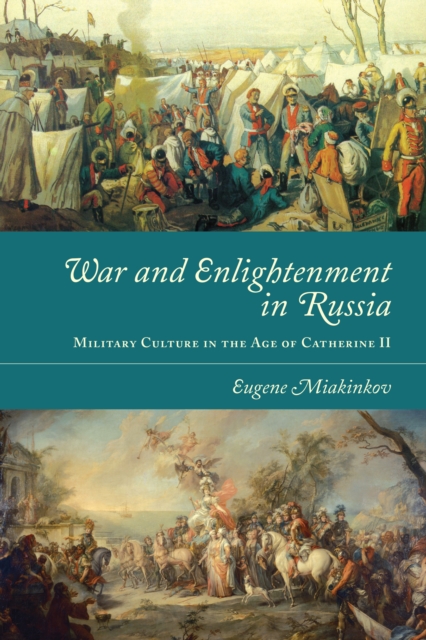
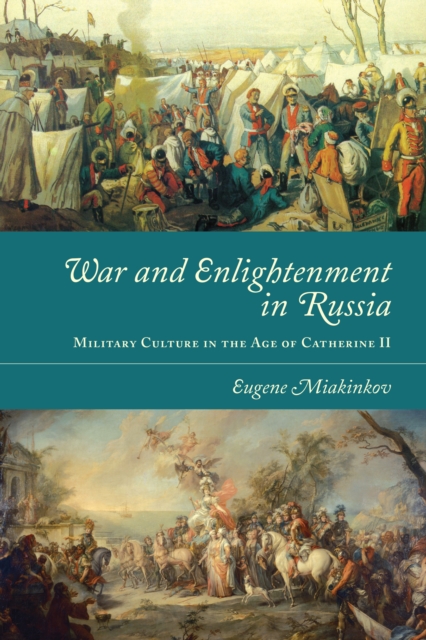
War and Enlightenment in Russia explores how members of the military during the reign of Catherine II reconciled Enlightenment ideas about the equality and moral worth of all humans with the Russian reality based on serfdom, a world governed by autocracy, absolute respect for authority, and subordination to seniority.
War and Enlightenment in Russia explores how members of the military during the reign of Catherine II reconciled Enlightenment ideas about the equality and moral worth of all humans with the Russian reality based on serfdom, a world governed by autocracy, absolute respect for authority, and subordination to seniority.
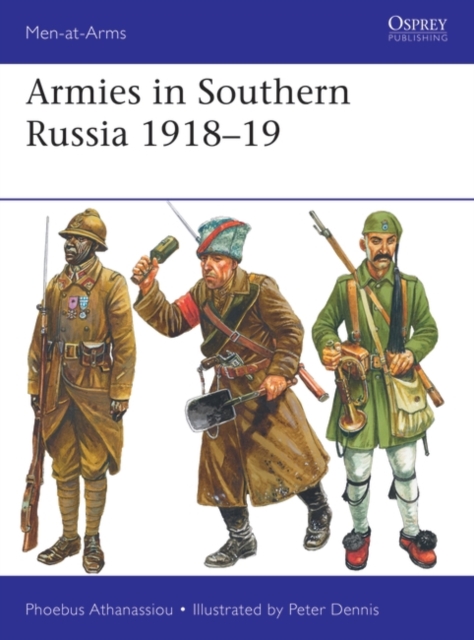
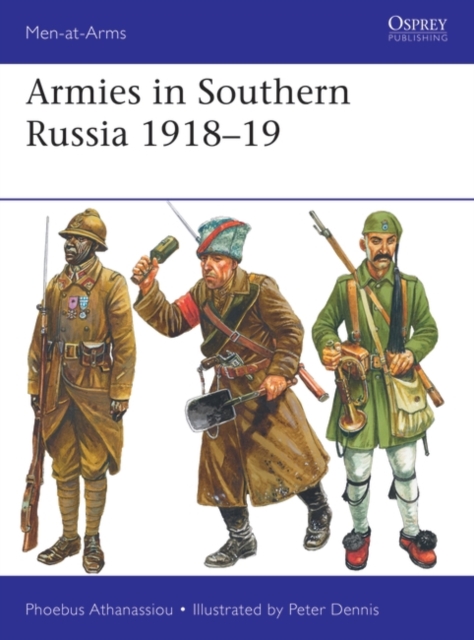
An important aspect of the Russian Civil War were the several Allied expeditions immediately following World War I in support of the disunited Russian 'White' armies resisting the Bolshevik Revolution.
An important aspect of the Russian Civil War were the several Allied expeditions immediately following World War I in support of the disunited Russian 'White' armies resisting the Bolshevik Revolution.
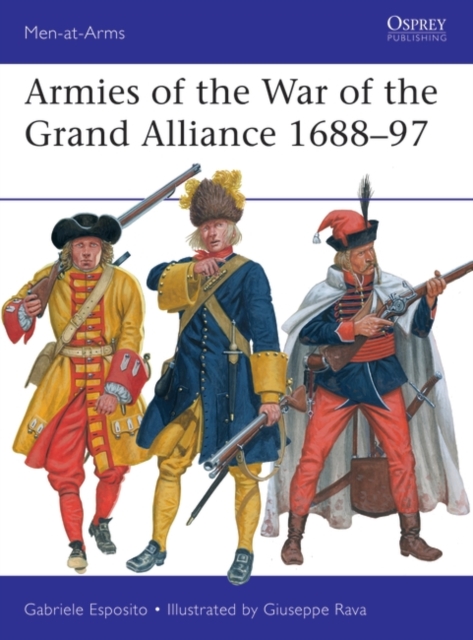
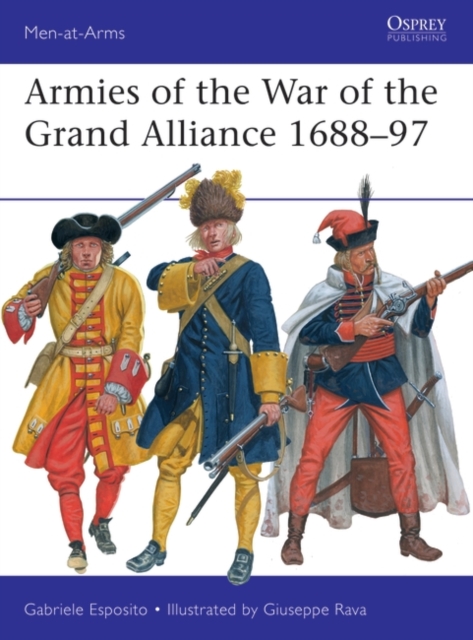
This title explores and illustrates the armies of France, and six countries allied against Louis XIV, in a wide-ranging Continental conflict that ushered in more than a century of European warfare.
This title explores and illustrates the armies of France, and six countries allied against Louis XIV, in a wide-ranging Continental conflict that ushered in more than a century of European warfare.
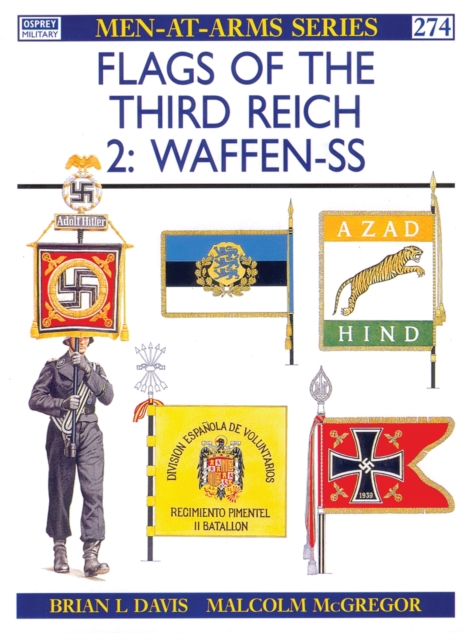
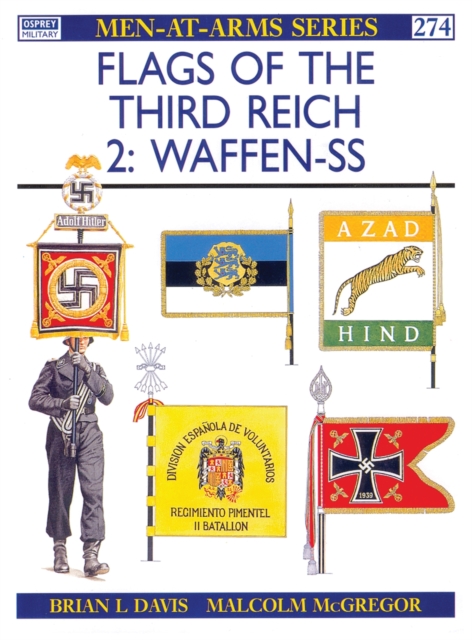
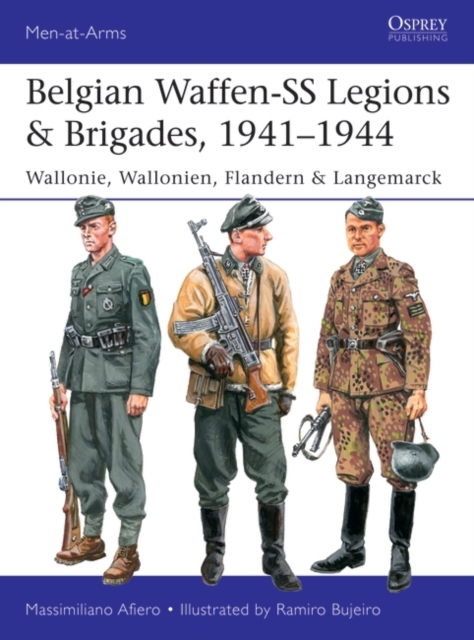
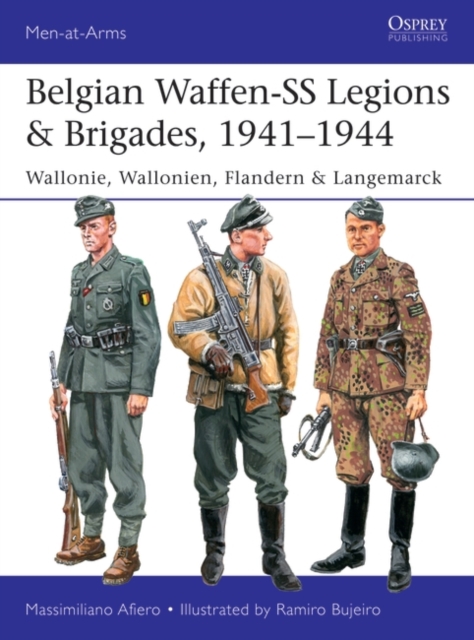
From the German occupation of Belgium in May 1940, Flemish recruits from northern Belgium considered by the Nazis to be 'Germanic' were accepted individually into Waffen-SS units.
From the German occupation of Belgium in May 1940, Flemish recruits from northern Belgium considered by the Nazis to be 'Germanic' were accepted individually into Waffen-SS units.
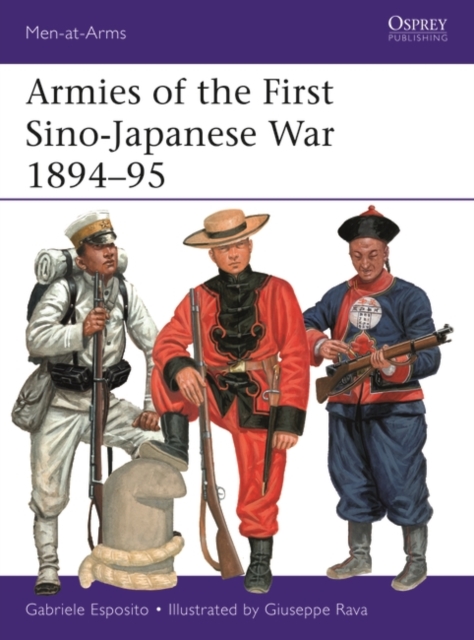
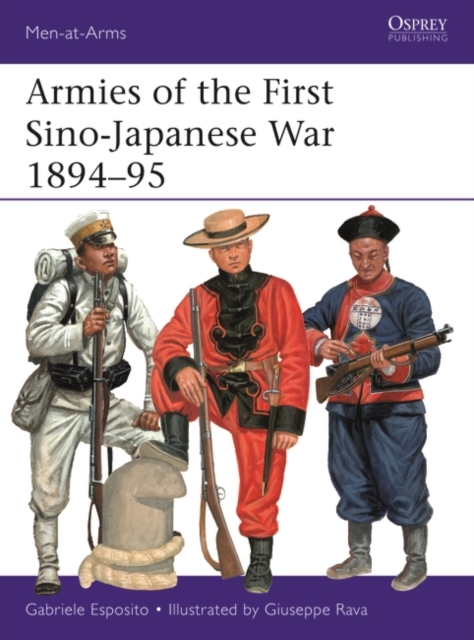
Describes how newly modernized Japan waged war against China in its first overseas campaign, marking its rapid transition into Asia's leading military power only 30 years after emerging from centuries of feudalism.
Describes how newly modernized Japan waged war against China in its first overseas campaign, marking its rapid transition into Asia's leading military power only 30 years after emerging from centuries of feudalism.
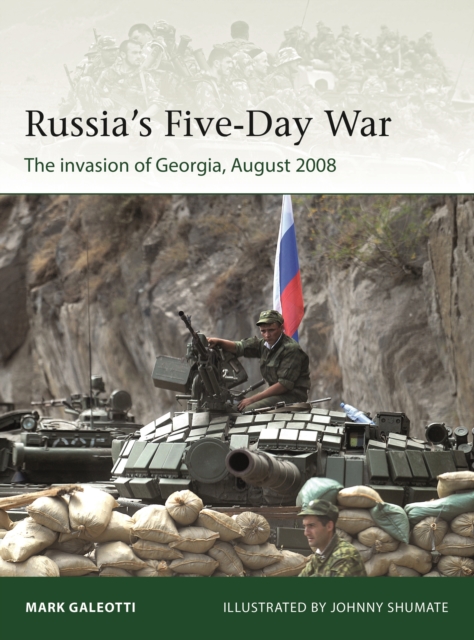
A fascinating account of Russia's Five-Day War against Georgia in 2008, notable for its strategic mistakes which prompted President Putin to undertake major military reforms.
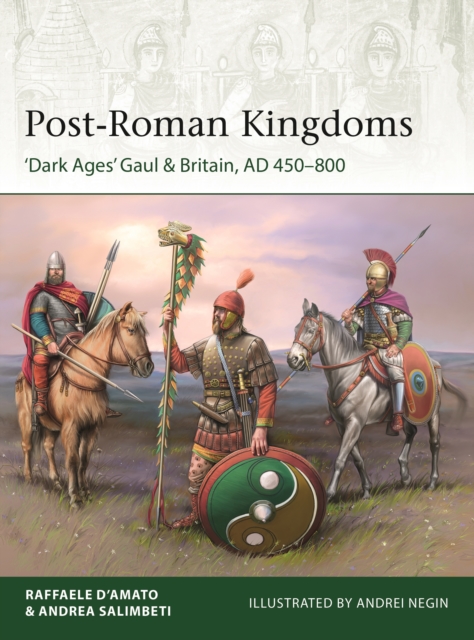
Meticulously researched, this book examines the evidence for the post-Roman military forces of France and Britain during the 'Dark Ages', reconstructing their way of life and the battles they fought in compelling detail.
Meticulously researched, this book examines the evidence for the post-Roman military forces of France and Britain during the 'Dark Ages', reconstructing their way of life and the battles they fought in compelling detail.
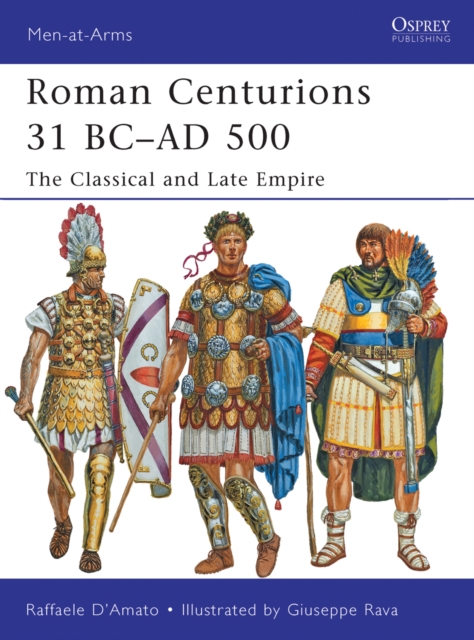
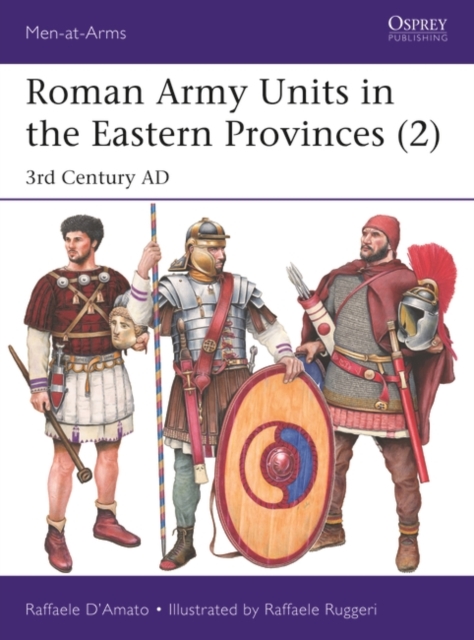
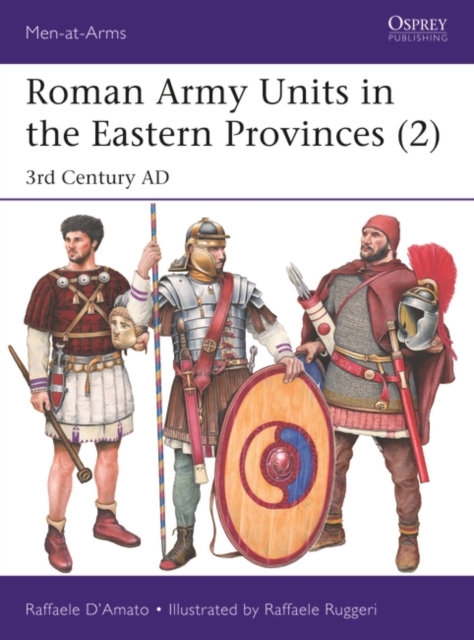
Drawing upon the latest literary and archaeological research, this is an in-depth study of the Roman Army units based in the Eastern Provinces during the turbulent third century of the Roman Empire.
Drawing upon the latest literary and archaeological research, this is an in-depth study of the Roman Army units based in the Eastern Provinces during the turbulent third century of the Roman Empire.
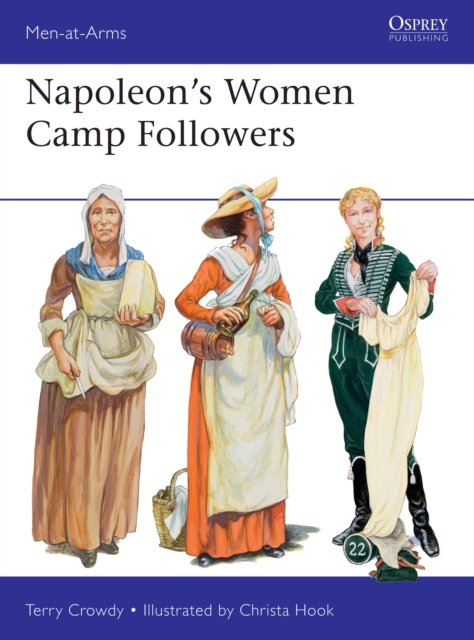
Researched from genuine primary sources, this is the first book to explain and illustrate the organization, activities and personal stories of the female 'support staff' who played a major role in the day-to-day life of Napoleon's armies.
Researched from genuine primary sources, this is the first book to explain and illustrate the organization, activities and personal stories of the female 'support staff' who played a major role in the day-to-day life of Napoleon's armies.
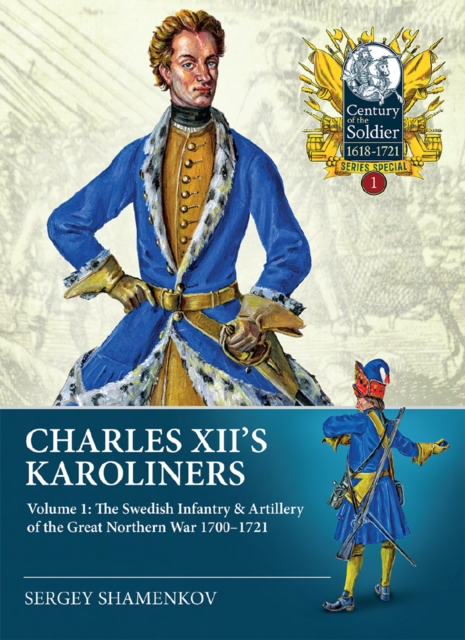
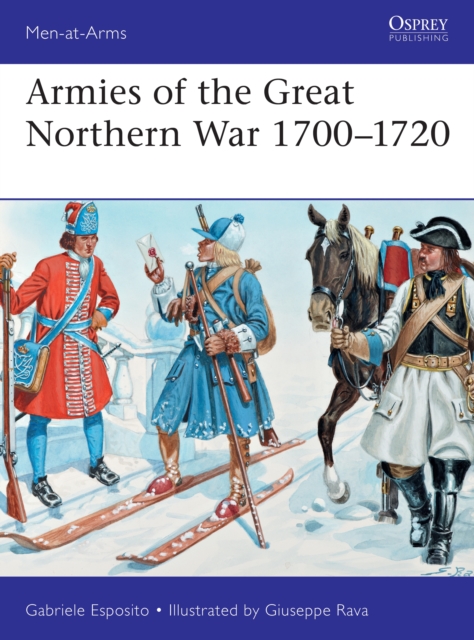
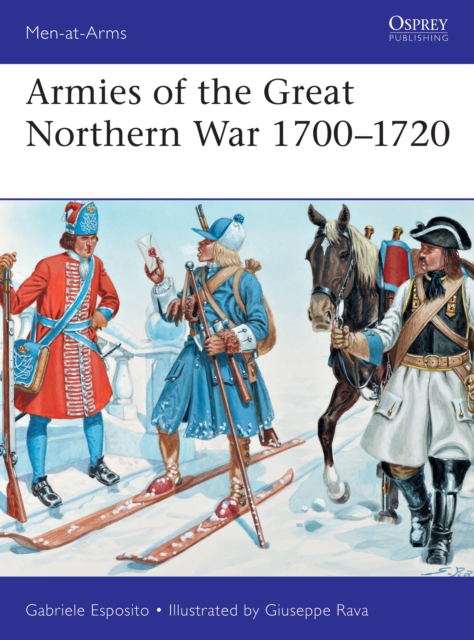
The Great Northern War was a long series of campaigns in which Russia, linked with several other countries in temporary alliances, confronted and eventually replaced Sweden as the predominant power in Northern Europe.
The Great Northern War was a long series of campaigns in which Russia, linked with several other countries in temporary alliances, confronted and eventually replaced Sweden as the predominant power in Northern Europe.
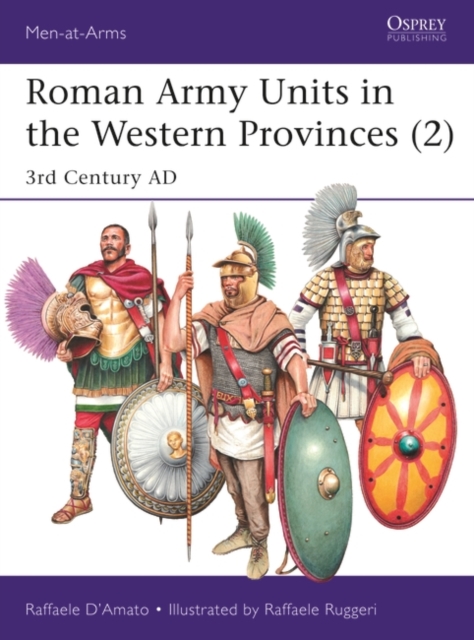
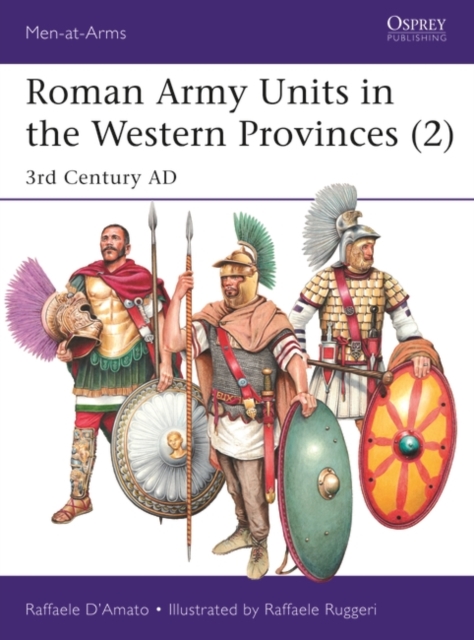
The appearance of Roman soldiers in the 3rd century AD has long been a matter of debate and uncertainty, largely thanks to the collapse of central control and perpetual civil war between the assassination of Severus Alexander in 235 and the accession of the great Diocletian in 284.
The appearance of Roman soldiers in the 3rd century AD has long been a matter of debate and uncertainty, largely thanks to the collapse of central control and perpetual civil war between the assassination of Severus Alexander in 235 and the accession of the great Diocletian in 284.
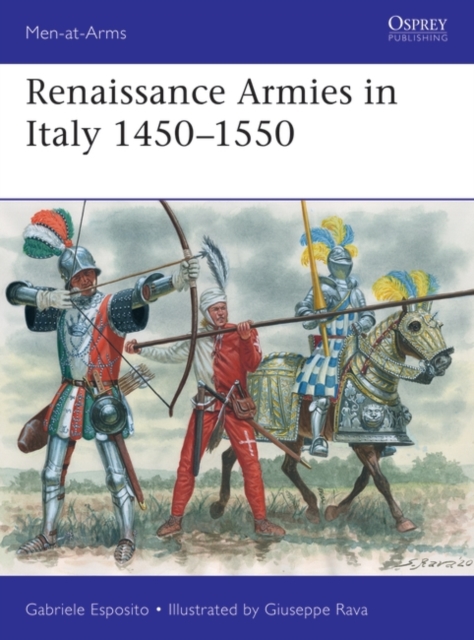
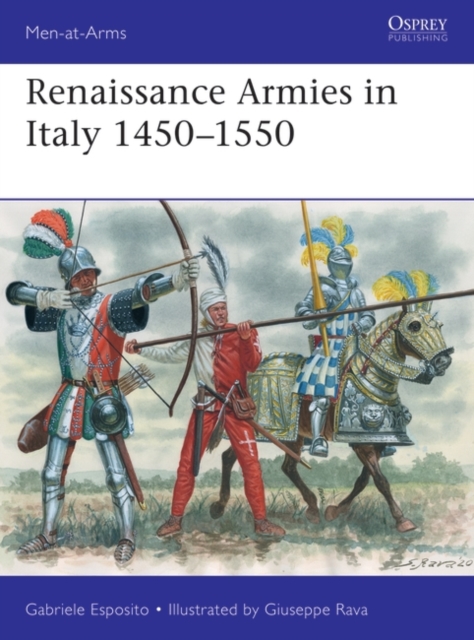
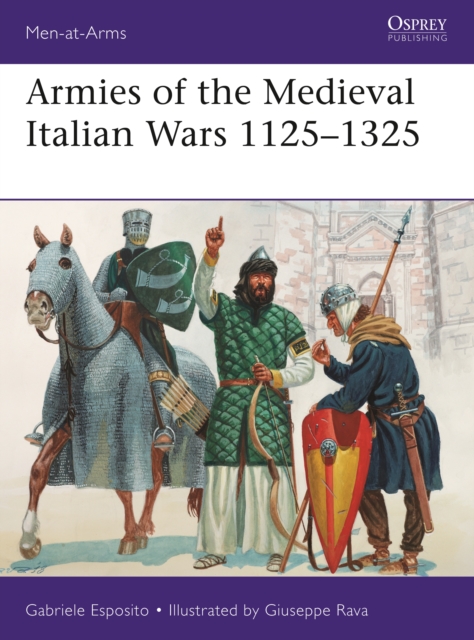
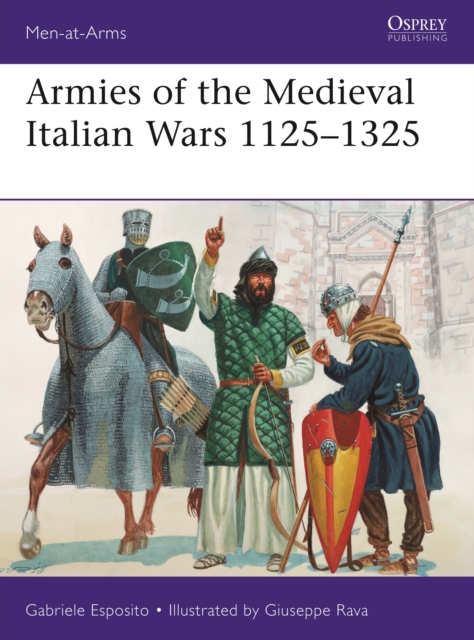
The great powers of medieval Europe fought continuously in the Italian peninsula between the 12th and 14th centuries as they sought to expand their territory.
The great powers of medieval Europe fought continuously in the Italian peninsula between the 12th and 14th centuries as they sought to expand their territory.