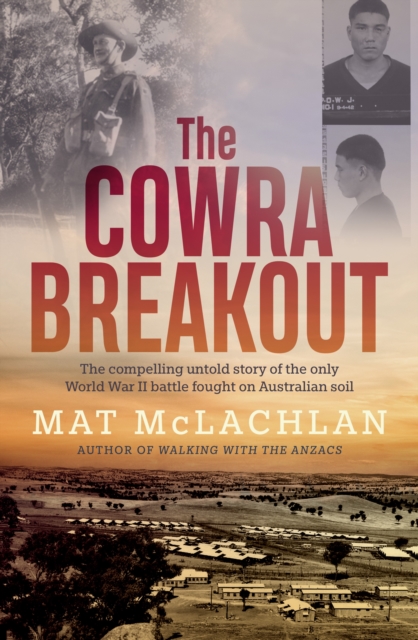
The riveting story of the missing piece of Australia's World War II history, told by bestselling historian Mat McLachlan (Walking with the Anzacs, Gallipoli: The Battlefield Guide).
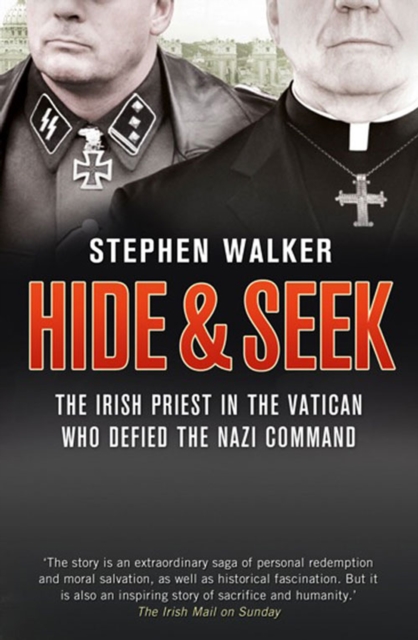
Irish Sunday Times BestsellerA true story of war, peace and friendship: a Nazi colonel and an Irish priestThe story begins in Rome at the outbreak of WWII, when ardent Nazi Herbert Kappler, SS Obersturmbanfuhrer, and Monsignor Hugh O'Flaherty would become adversaries in a real-life game of 'cat and mouse' of epic proportions.
A classic memoir of prison breaks and adventure - a bestselling phenomenon of the 1960sCondemned for a murder he had not committed, Henri Charriere (nicknamed Papillon) was sent to the penal colony of French Guiana.
Robbed in Iran and imprisoned for over 100 days for suspected espionage, this is the true story of one woman's shocking ordeal in the country she called home.
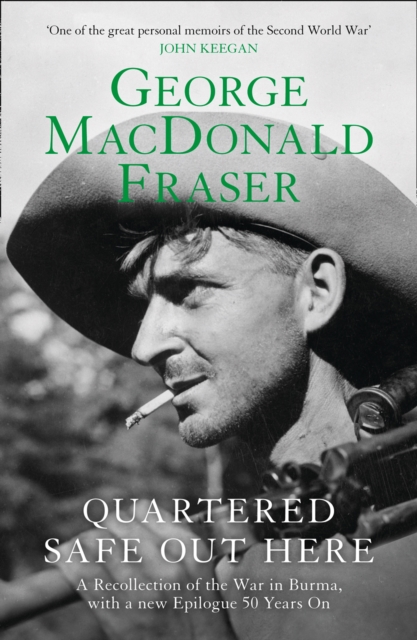
'There is no doubt that [Quartered Safe Out Here] is one of the great personal memoirs of the Second World War' John KeeganLife and death in Nine Section, a small group of hard-bitten and (to modern eyes) possibly eccentric Cumbrian borderers with whom the author, then nineteen, served in the last great land campaign of World War II, when the 17th Black Cat Division captured a vital strongpoint deep in Japanese territory, held it against counter-attack and spearheaded the final assault in which the Japanese armies were, to quote General Slim, "e;torn apart"e;.
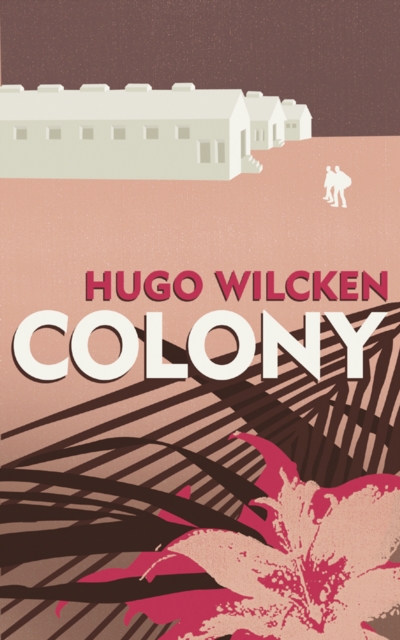
From the author of the existential thriller 'The Execution' comes 'Colony', a novel set in French Guiana as the age of Empire draws to a close and anarchy beckons.
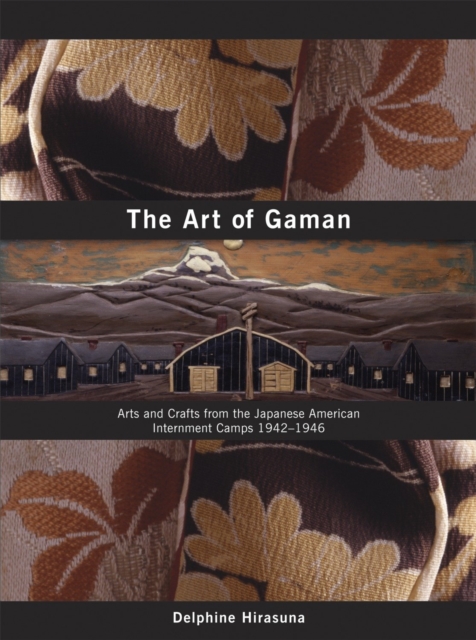
In 1942, Executive Order 9066 mandated the incarceration of 110,000 Japanese Americans, including men, women, children, the elderly, and the infirm, for the duration of the war.
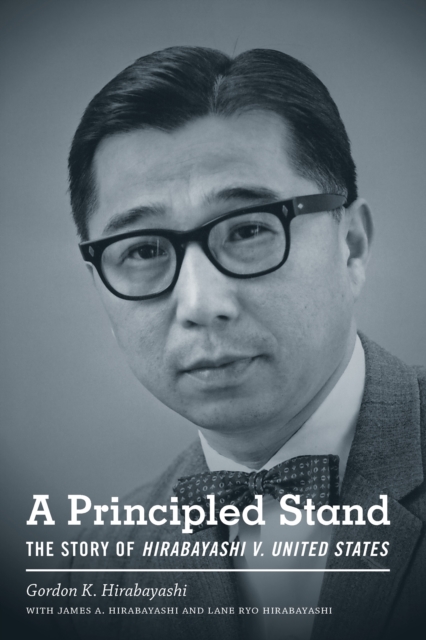
In 1943, University of Washington student Gordon Hirabayashi defied the curfew and mass removal of Japanese Americans on the West Coast, and was subsequently convicted and imprisoned as a result.
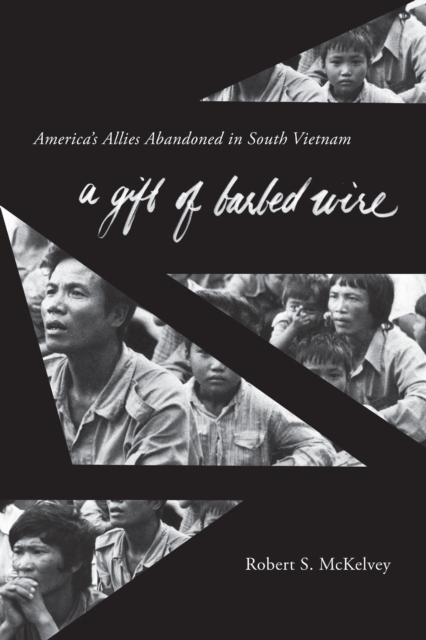
A Gift of Barbed Wire is a penetrating look at the lives of South Vietnamese officials and their families left behind in Vietnam after the fall of Saigon in 1975.
Unsure whether they would be greeted as traitors or heroes, POWs returning from Vietnam responded by holding tight to their chosen motto, "e;Return with Honor.
Unsure whether they would be greeted as traitors or heroes, POWs returning from Vietnam responded by holding tight to their chosen motto, "e;Return with Honor.
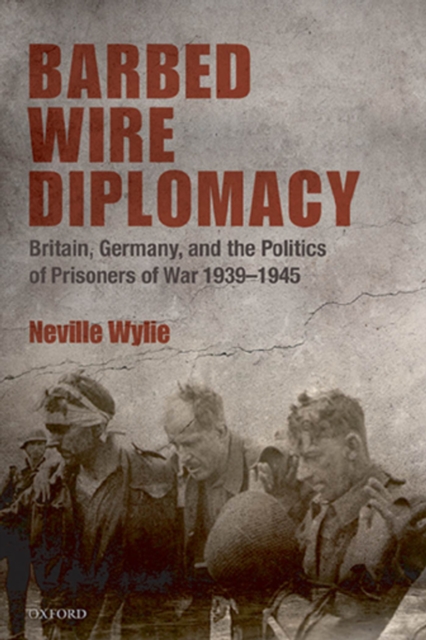
Barbed Wire Diplomacy examines how the United Kingdom government went about protecting the interests, lives and well-being of its prisoners of war (POWs) in Nazi Germany between 1939 and 1945.
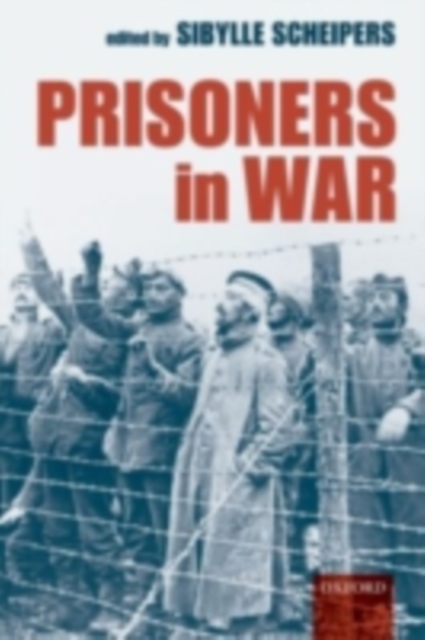
The issue of prisoners in war is a highly timely topic that has received much attention from both scholars and practitioners since the start of the military operations in Afghanistan and Iraq and the ensuing legal and political problems concerning detainees in those conflicts.
Barbed Wire Diplomacy examines how the United Kingdom government went about protecting the interests, lives and well-being of its prisoners of war (POWs) in Nazi Germany between 1939 and 1945.
The issue of prisoners in war is a highly timely topic that has received much attention from both scholars and practitioners since the start of the military operations in Afghanistan and Iraq and the ensuing legal and political problems concerning detainees in those conflicts.
In international law, as in any other legal system, respect and protection of human rights can be guaranteed only by the availability of effective judicial remedies.
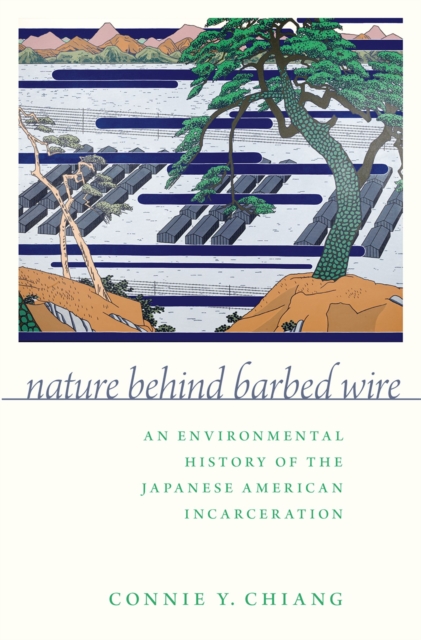
The mass imprisonment of over 110,000 people of Japanese ancestry during World War II was one of the most egregious violations of civil liberties in United States history.
The mass imprisonment of over 110,000 people of Japanese ancestry during World War II was one of the most egregious violations of civil liberties in United States history.
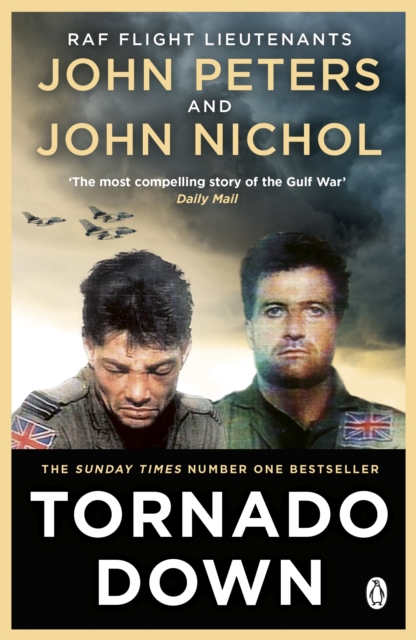
Discover the brave, shocking and remarkable true story of two RAF lieutenants' capture during the Gulf War'HEROISM UNDER A BLOOD RED SKY' Independent'THE MOST COMPELLING STORY OF THE GULF WAR' Daily Mail_________RAF Flight Lieutenants John Peters and John Nichol were shot down over enemy territory on their first mission of the Gulf War.
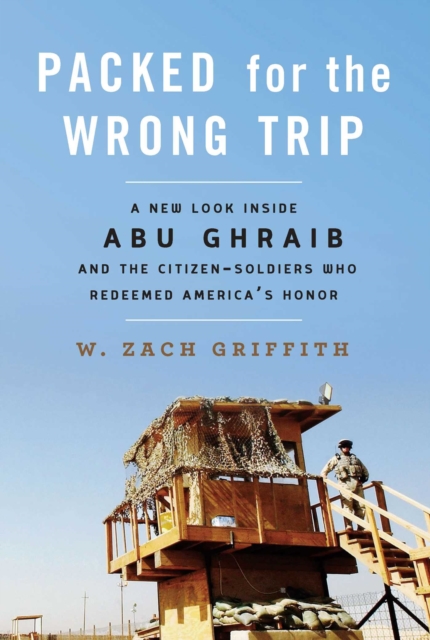
How an Unprepared, Undertrained Group of Maine National Guard Troops Went to Abu Ghraib to Fix the IrreparableThe prison at Abu Ghraib was still a relatively unknown part of Americas War on Terror whenwith no special training and their gear lost somewhere between the United States and Baghdadthe 152nd Field Artillery Battalion of the Maine National Guard was sent there to serve as guards in February 2004.
A Gift of Barbed Wire is a penetrating look at the lives of South Vietnamese officials and their families left behind in Vietnam after the fall of Saigon in 1975.