Set in an Armenian mountain village immediately after the conflict between Armenia and Azerbaijan in the early 1990s, these thirty-one linked short stories trace the interconnected lives of villagers tending to their everyday tasks, engaging in quotidian squabbles, and celebrating small joys against a breathtaking landscape.
Die Frage nach den Grenzen der Gewalt in bewaffneten Konflikten hat durch die militärischen Einsätze der letzten Jahrzehnte, aber auch durch die Verfügbarkeit neuer Militärtechnologien große Aktualität bekommen.
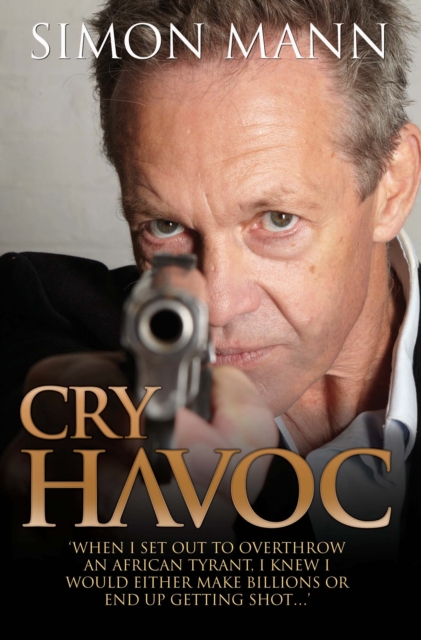
On 7th March 2004, former SAS soldier and mercenary Simon Mann prepared to take off from Harare International Airport with an aeroplane full of heavy weaponry and guns for hire.
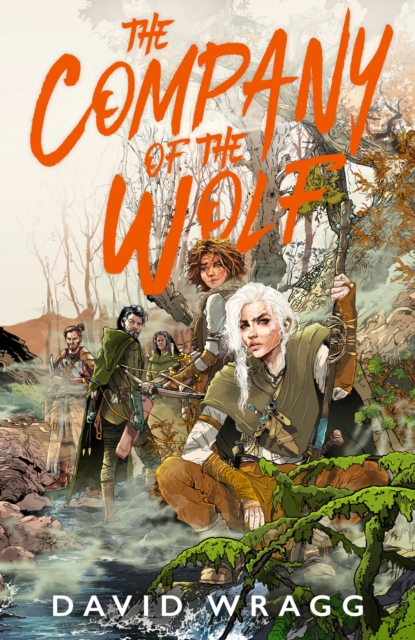
Full of David Wragg's unique blend of humour, heart, and high stakes, The Company of the Wolf is the epic next instalment in the Tales of the Plains trilogy.
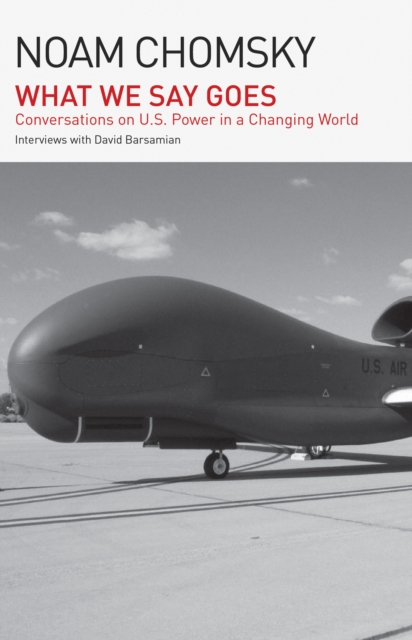
An indispensable set of interviews on foreign and domestic issues with the bestselling author of Hegemony or Survival, "e;America's most useful citizen.
Veteran Activism and the Global War on Terror is the first study of the literature of dissent that has emerged from the veterans of the global War on Terror.
'An extraordinary story of grace, forgiveness and moral courage' Patrick Radden KeefeA 2024 HIGHLIGHT IN THE OBSERVER, GUARDIAN AND IRISH TIMESSHORTLISTED FOR THE AN POST IRISH BOOK AWARDSAN IMMEDIATE INTERNATIONAL BESTSELLERThe English language has no specific word for the parent that has lost a child.
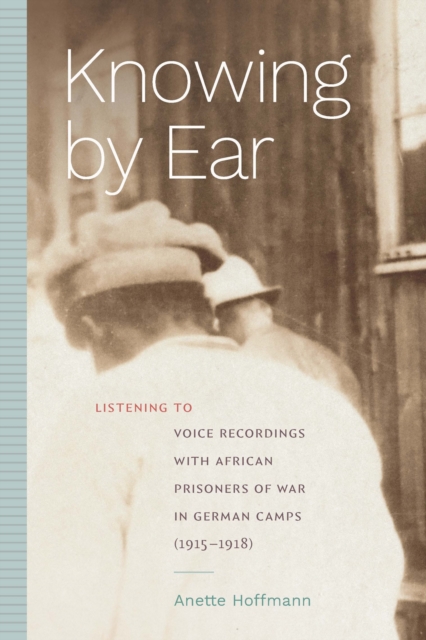
During World War I, thousands of young African men conscripted to fight for France and Britain were captured and held as prisoners of war in Germany, where their stories and songs were recorded and archived by German linguists.
A revelatory and wide-ranging series of interviews with award-winning writer Arundhati Roy, touching on US empire, Indian nationalism, a writer's work, and more.
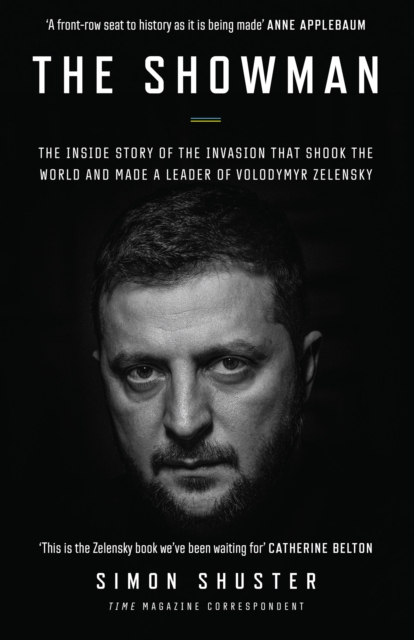
AN INTERNATIONAL BESTSELLERA Telegraph Best Book of the Year'An intense, evocative portrait of one of the most remarkable figures of our era' ANNE APPLEBAUM'This is the Zelensky book we've been waiting for' CATHERINE BELTONTHE TIMES: A BEST BOOK OF 2024 - NEXT YEAR'S TOP READSGUARDIAN: BOOKS TO LOOK OUT FOR IN 2024INDEPENDENT: A BOOK OF THE MONTHWritten with unprecedented access, this is the first inside, intimate account of the Russian invasion of Ukraine from the perspective of President Zelensky and his team.
'An extraordinary story of grace, forgiveness and moral courage' Patrick Radden KeefeA 2024 HIGHLIGHT IN THE OBSERVER, GUARDIAN AND IRISH TIMESSHORTLISTED FOR THE AN POST IRISH BOOK AWARDSAN IMMEDIATE INTERNATIONAL BESTSELLERThe English language has no specific word for the parent that has lost a child.
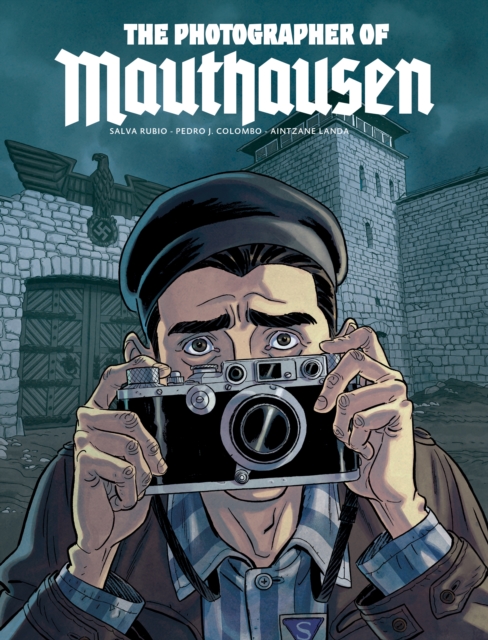
This is a dramatic retelling of true events in the life of Francisco Boix, a Spanish press photographer and communist who fled to France at the beginning of World War II.
This book develops a new concept-"e;martial culture"e;-with which to problematize and reframe thinking surrounding the lifeways of US servicemembers, by exploring the values, beliefs, norms, and rituals they are exposed to and practice during military service.
This book develops a new concept-"e;martial culture"e;-with which to problematize and reframe thinking surrounding the lifeways of US servicemembers, by exploring the values, beliefs, norms, and rituals they are exposed to and practice during military service.