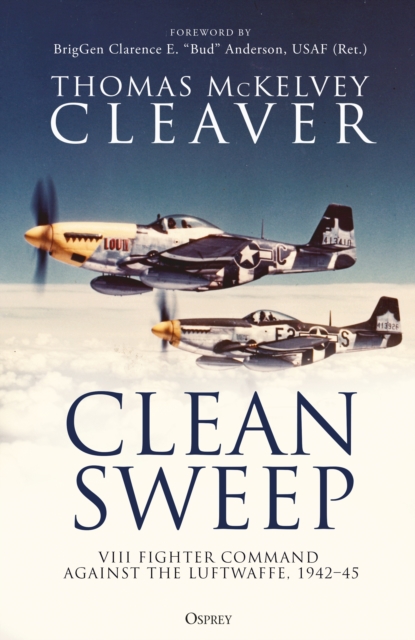
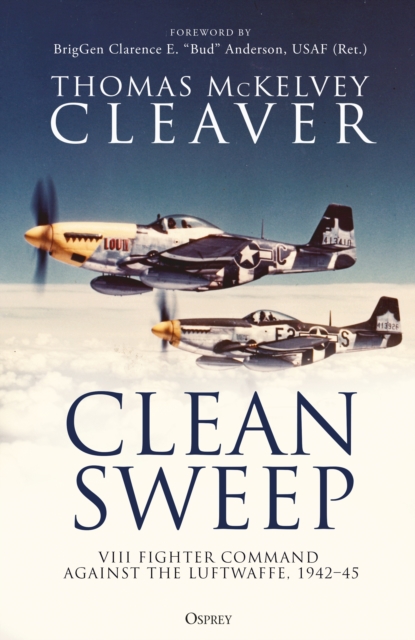
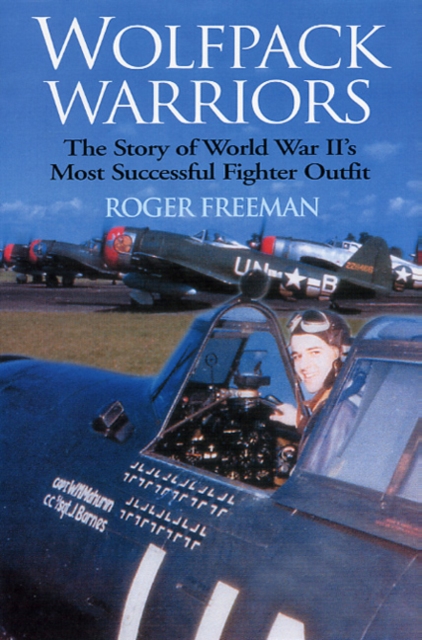
A vivid history, packed with first-hand accounts, of the US Eighth Air Force's VIII Fighter Command from its foundation in 1942 through to its victory in the skies over Nazi Germany.
A vivid history, packed with first-hand accounts, of the US Eighth Air Force's VIII Fighter Command from its foundation in 1942 through to its victory in the skies over Nazi Germany.
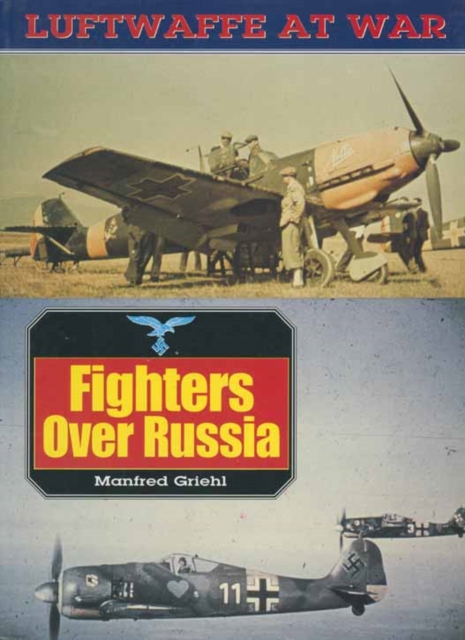
The air war over the critical Eastern Front is illustrated with 120 specially selected and informatively captioned photographs in this striking new book.
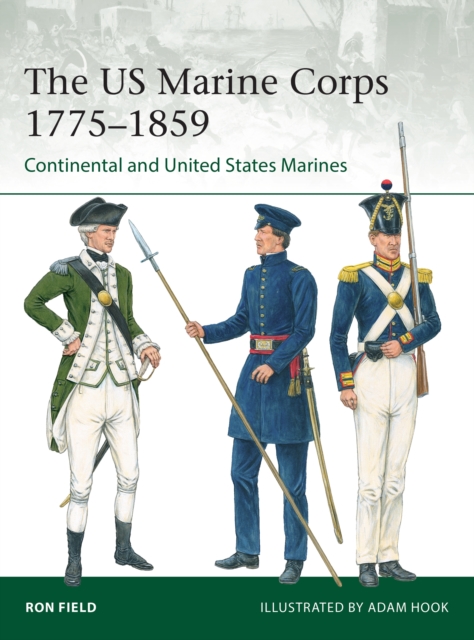
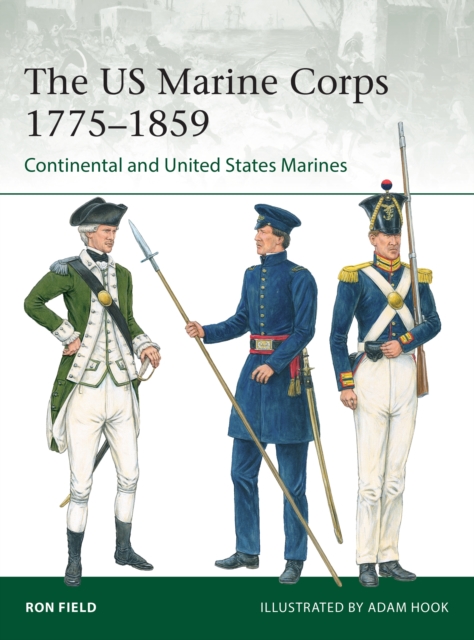
Featuring specially commissioned artwork and archive illustrations, this engrossing study describes the US Marine Corps' early operations and illustrates its evolving uniforms and personal equipment.
Featuring specially commissioned artwork and archive illustrations, this engrossing study describes the US Marine Corps' early operations and illustrates its evolving uniforms and personal equipment.
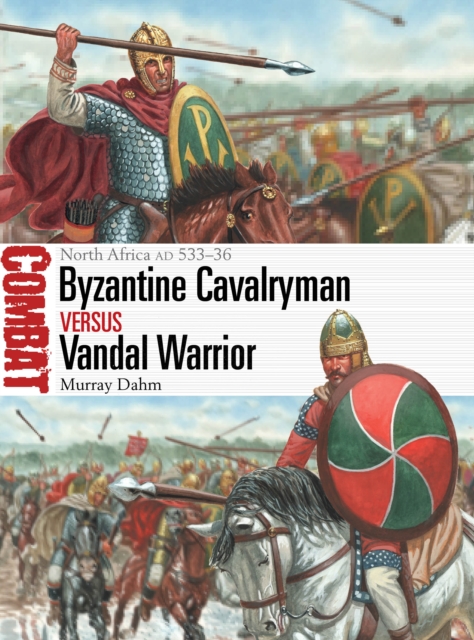
Fully illustrated, this enthralling study explores how the Vandals in North Africa attempted to defend their kingdom against the resurgent Byzantine Empire during 533 36.
Although we often think of friendship today as an indisputable value of human social life, for thinkers and writers across late medieval Christian society friendship raised a number of social and ethical dilemmas that needed to be carefully negotiated.
Although we often think of friendship today as an indisputable value of human social life, for thinkers and writers across late medieval Christian society friendship raised a number of social and ethical dilemmas that needed to be carefully negotiated.
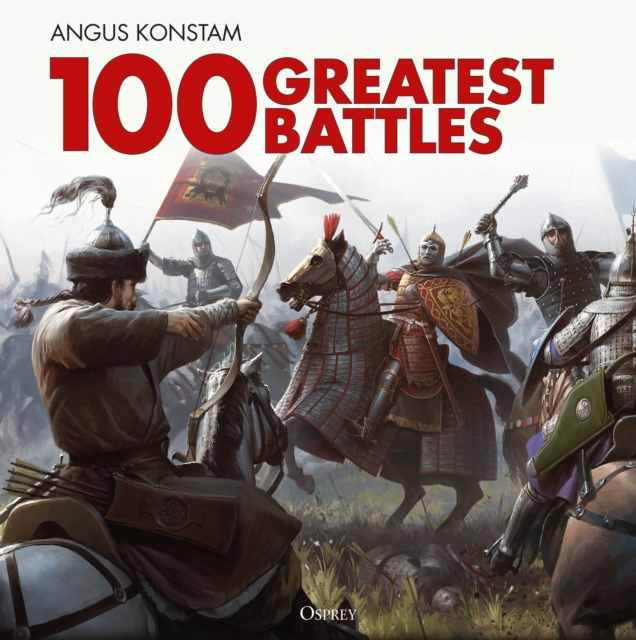
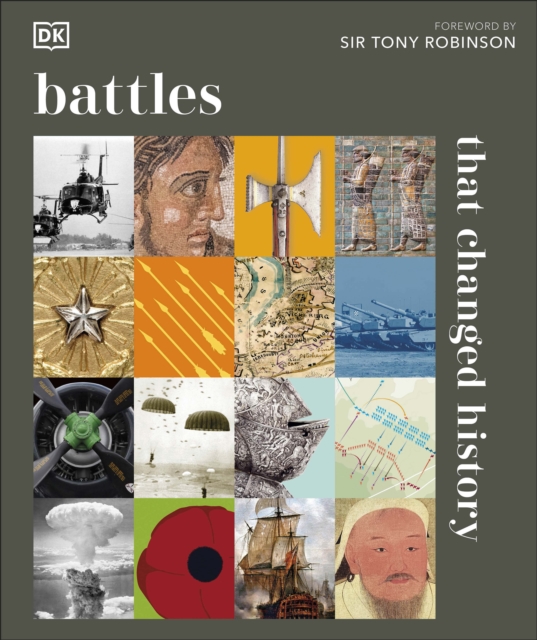
A highly illustrated introduction to some of the greatest battles in world history, from the iconic encounters of the Ancient World such as Thermopylae and Cannae, through to the major clashes of the 20th century epitomized by Stalingrad and Khe Sanh.
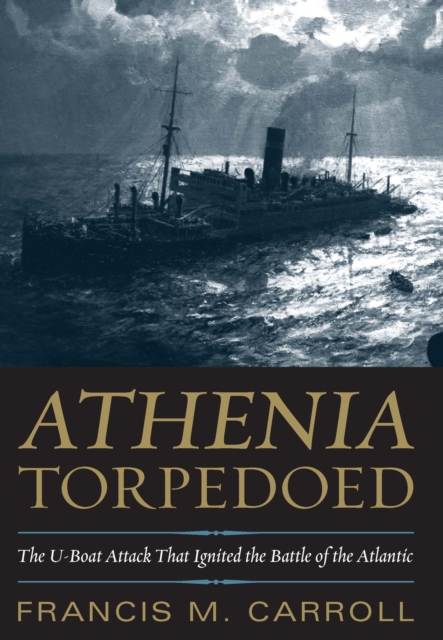
This book is an account of a disaster at sea, the sinking by a German submarine of the passenger liner Athenia sailing from Liverpool to Montreal, loaded with Americans, Canadians, and Europeans, attempting to cross the Atlantic before the outbreak of war.
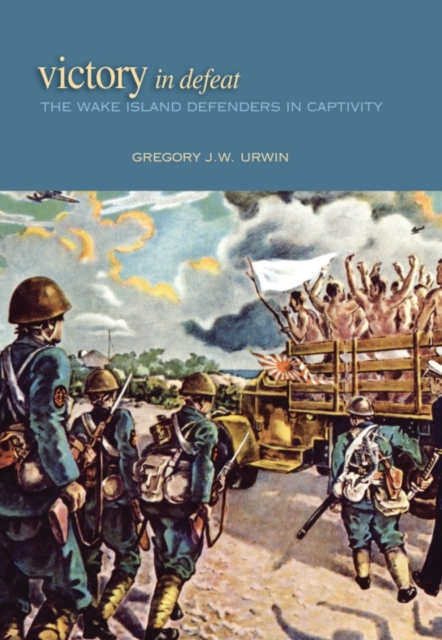
Told here for the first time in vivid detail is the story of the defenders of Wake Island following their surrender to the Japanese on December 23, 1941.
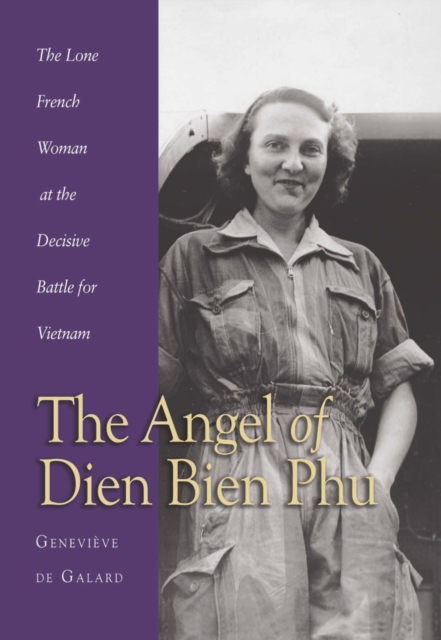
As the only French woman among some 11,000 defenders at Dien Bien Phu, Genevive de Galard had a unique perspective of the siege and fall of the French fortress.
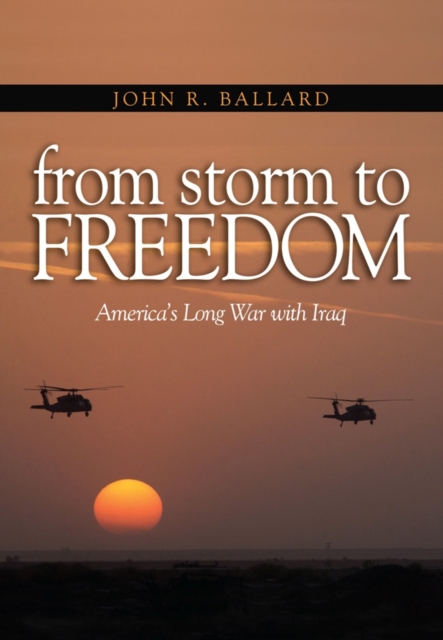
From Storm to Freedom analyzes and assesses the strategic interaction between Iraq and the United States from 1990 to 2009, from the perspective of a single, if discontinuous conflict.
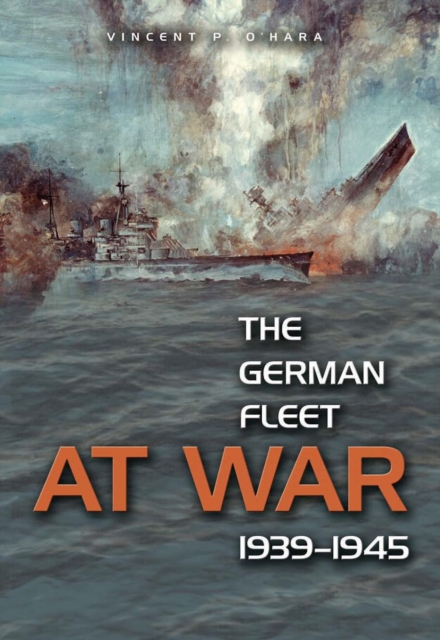
The German Fleet at War relates the little-known history of the Kriegsmarine's surface fleet with a focus on the sixty-nine surface naval battles fought by Germany's major warships against the large warships of the British, French, American, Polish, Soviet, Norwegian and Greek navies.
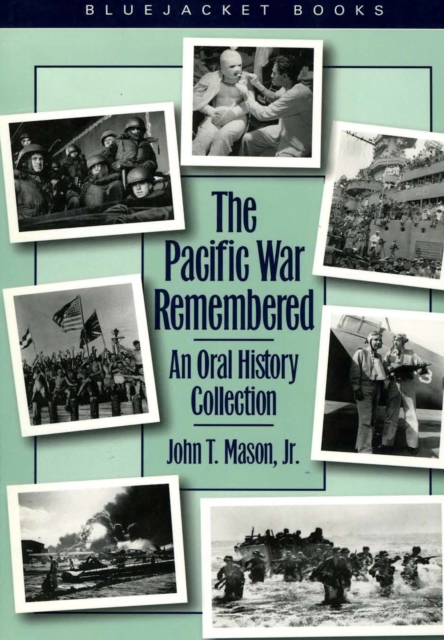
In this remarkable oral history collection, thirty-three participants in the turbulent epic that began with the day of infamy at Pearl Harbor and ended with the signing of the surrender documents in Tokyo Harbor tell their stories.
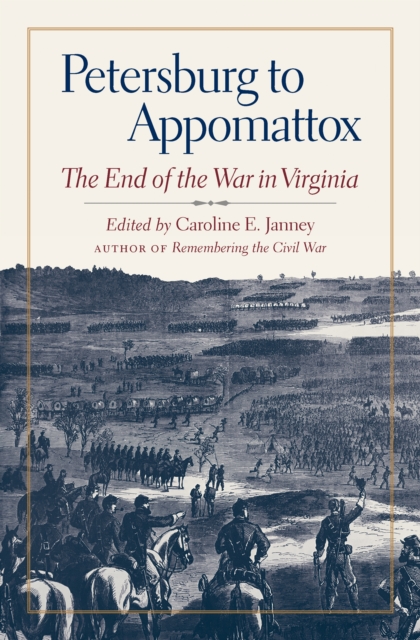
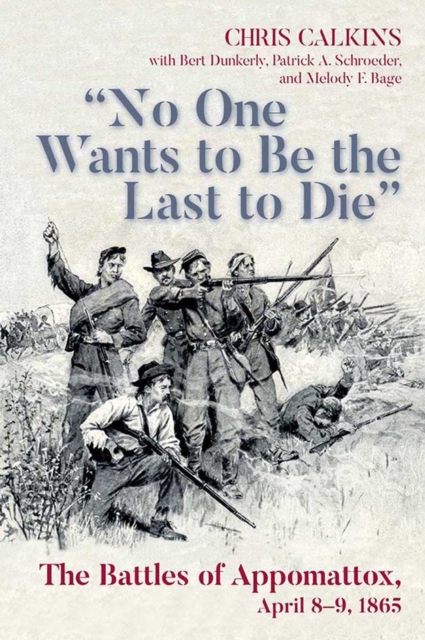
The last days of fighting in the Civil War's eastern theater have been wrapped in mythology since the moment of Lee's surrender to Grant at Appomattox Court House.
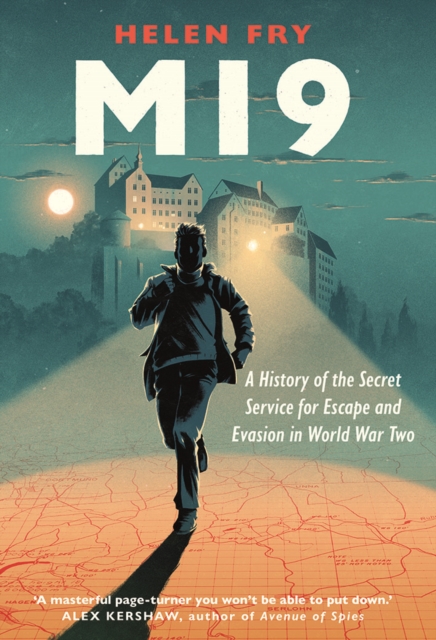
A thrilling history of MI9—the WWII organization that engineered the escape of Allied forces from behind enemy lines“A fitting tribute to the hundreds of men and women who risked their lives in assisting Allied escapees.
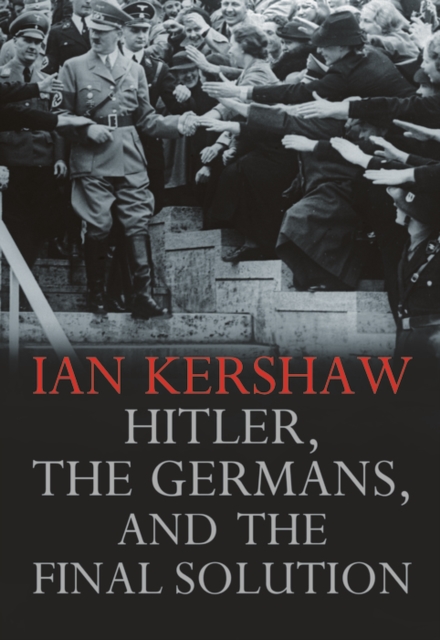
This book is the culmination of more than three decades of meticulous historiographic research on Nazi Germany by one of the period's most distinguished historians.
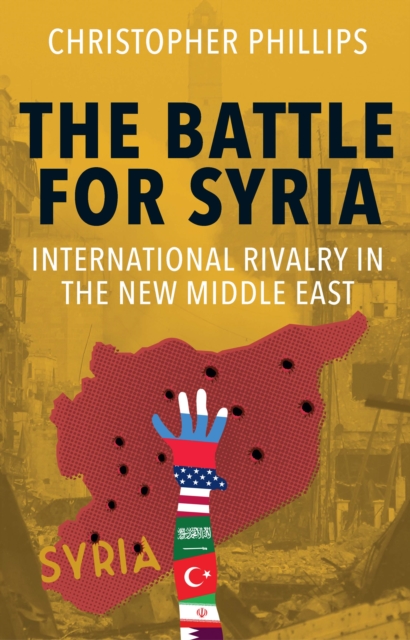
An unprecedented analysis of the crucial but underexplored roles the United States and other nations have played in shaping Syria’s ongoing civil war Most accounts of Syria’s brutal, long-lasting civil war focus on a domestic contest that began in 2011 and only later drew foreign nations into the escalating violence.
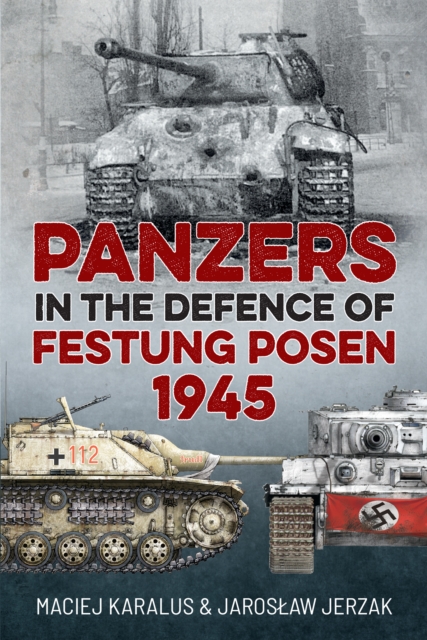
Panzers in Defence of Festung Poznan 1945 by Maciej Karalus and Jarosław Jerzak is the first book published in English to describe the bitter battle for Festung Poznań in 1945.
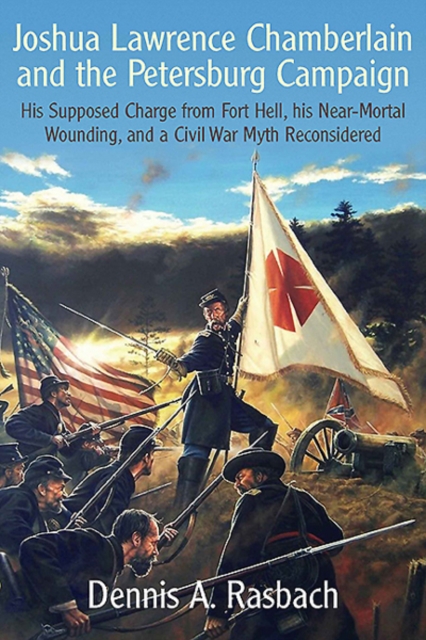
Joshua Lawrence Chamberlain earned the sobriquet “Lion of the Round Top” for his tactical brilliance leading his 20th Maine Infantry on the rocky wooded slopes of Little Round Top at on the evening of July 2, 1863.
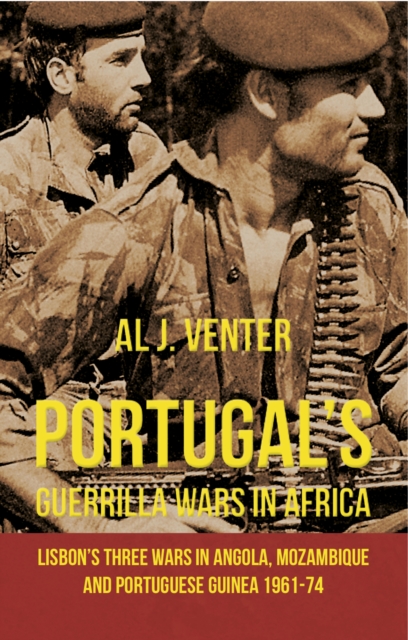
Nominated for the NYMAS Arthur Goodzeit Book Award 2013Portugal's three wars in Africa in Angola, Mozambique and Portuguese Guinea (Guiné-Bissau today) lasted almost 13 years - longer than the United States Army fought in Vietnam.
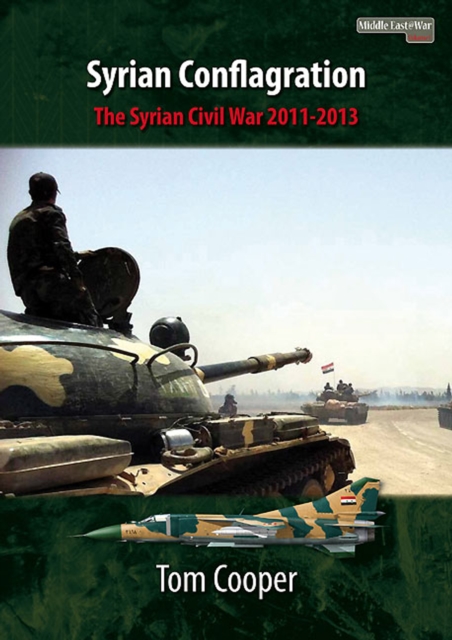
The Syrian Civil War, (the colloquial name of the ongoing conflict in Syria), has experienced an entirely unexpected transformation during its first two years.
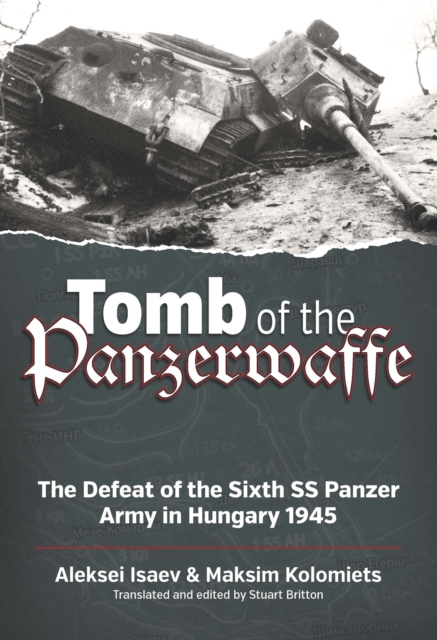
In March 1945 the German Wehrmacht undertook its final attempt to change the course of the war by launching a counteroffensive in the area of Lake Balaton, Hungary.
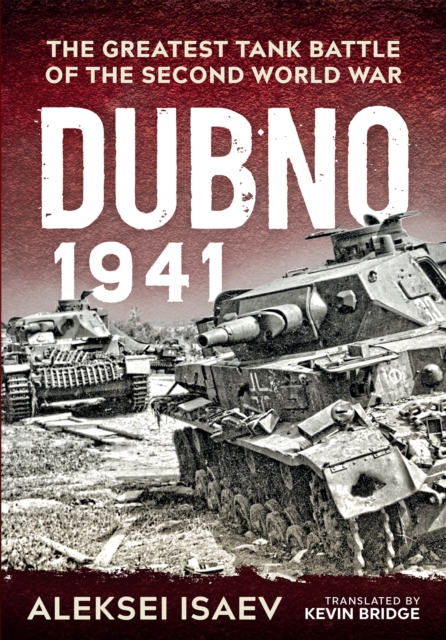
In June 1941 - during the first week of the Nazi invasion in the Soviet Union - the quiet cornfields and towns of Western Ukraine were awakened by the clanking of steel and thunder of explosions; this was the greatest tank battle of the Second World War.
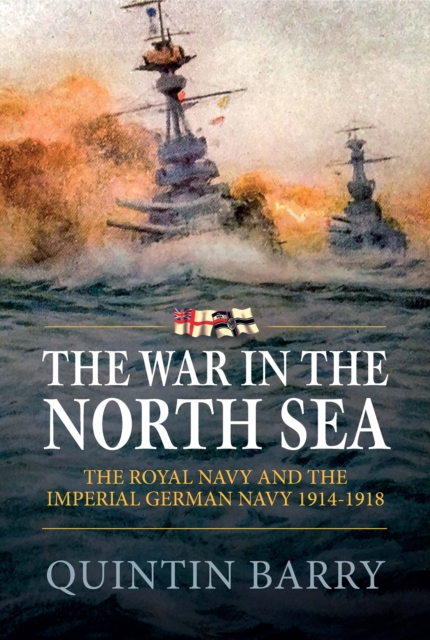
For years before the outbreak of the First World War, it was the expectation of most officers of the Royal Navy and the Imperial German Navy that very shortly thereafter; a decisive fleet action would be fought.
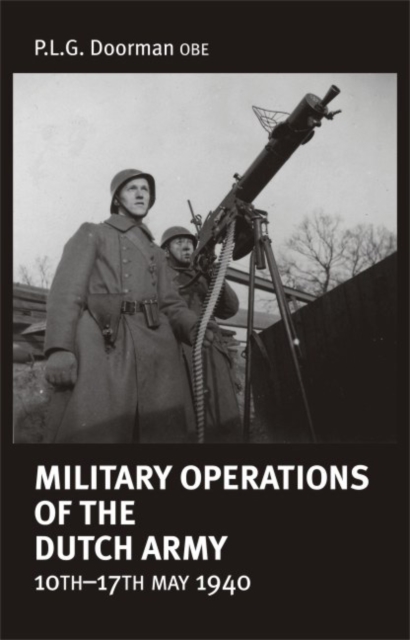
Most studies of the 1940 Western Campaign have tended to focus on a narrow range of topics, principally those relating the German forces or the epic of Dunkirk.
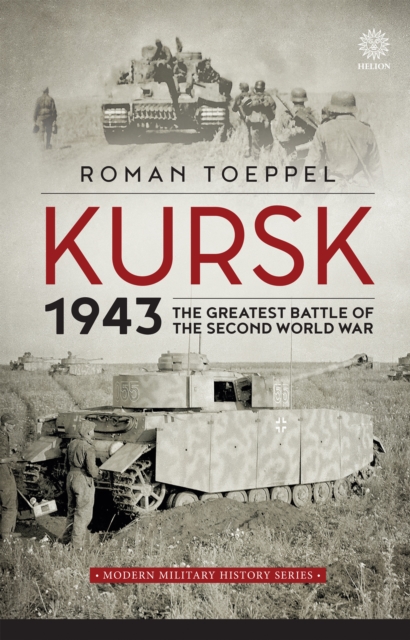
The Battle of Kursk in the summer of 1943 was one of the greatest battles in military history involving more than 3 million soldiers, 10,000 tanks and 8,000 aircraft.
In the later years of the Second World War Germany was subjected to a tremendous onslaught by the bomber commands of both the RAF and USAAF, as well as being assaulted by land.
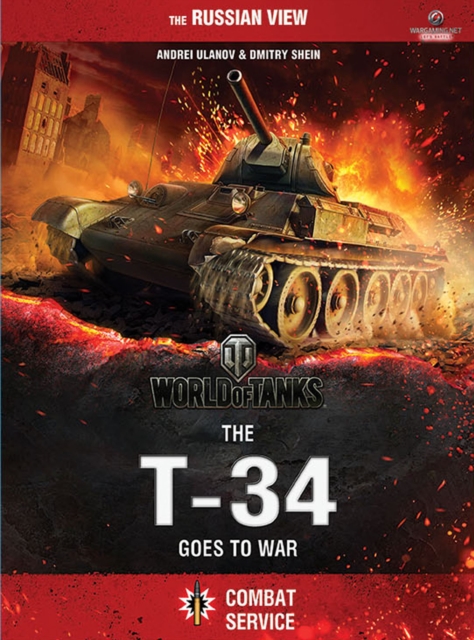
In 2012, the company that created World of Tanks, the phenomenal worldwide massive, multi-player online game, started publishing a series of books in Russian that utilized Soviet documents and archival materials that had never before been seen by outsiders or published in any language about the design, procurement, development, manufacturing, and combat employment of Soviet armored fighting vehicles (AFVs) during World War Two (the Great Patriotic War to Russians).
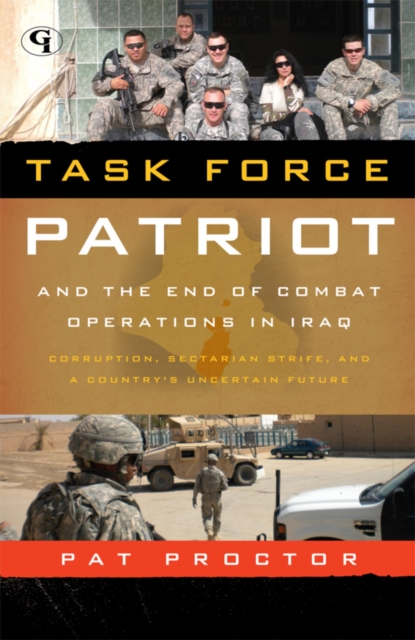
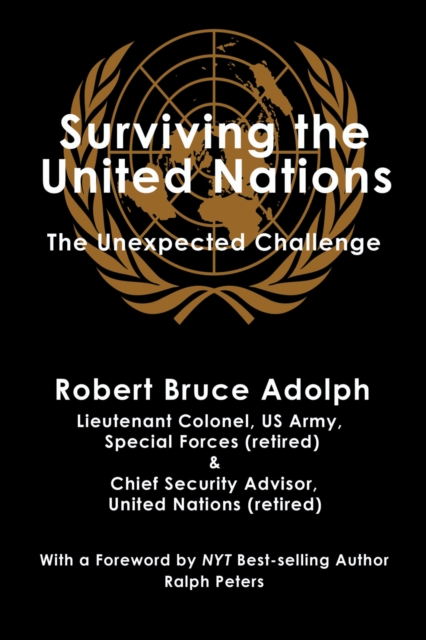
This is the gripping true story of 4 intense years in the life of a US Army Special Forces soldier, who joins the UN and then goes on to an assignment in Iraq at the time of the deadly jihadist bombing attack of the UN headquarters.
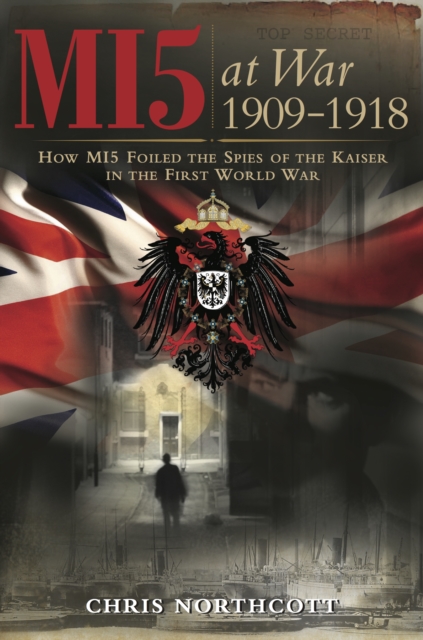
The years 1909-1918 can be regarded as formative for MI5, an era in which it developed from a small counterespionage bureau into an established security intelligence agency.
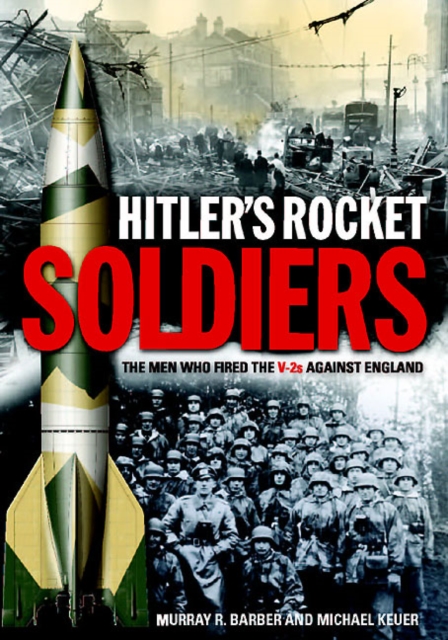
In the final, desperate months of World War Two, at a time when the German war machine was considered by the Allies to be an almost spent force, Adolf Hitler unleashed a new weapon against England and western Europe that fell from the silence of the Earth’s upper atmosphere and the edge of space.
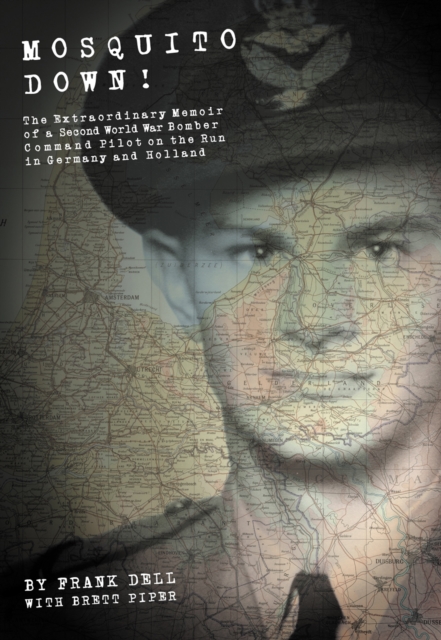
Frank Dell’s experience as a Second World War pilot with the Royal Air Force’s Light Night Striking Force takes an even more dramatic turn when his Mosquito is shot down over Germany on the night of 14/15 October 1944.