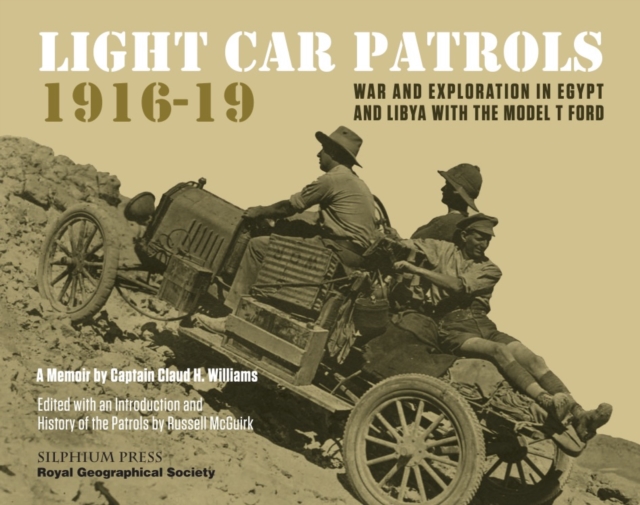
Captain Claud Williams’ memoir tells, firsthand, what it was like to be a Light Car Patrol commander during the First World War, while Russell McGuirk’s commentary provides the historical background to the formation of the Patrols and follows their activities from the British raid on Siwa Oasis to desert exploration and survey work and the Kufra Reconnaissance Scheme.
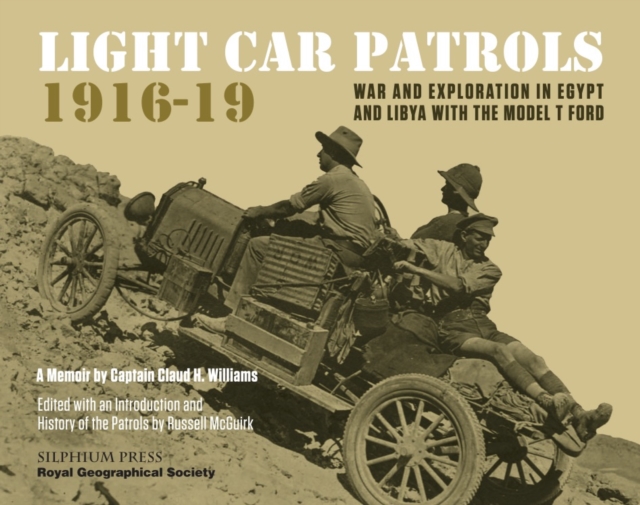
Captain Claud Williams’ memoir tells, firsthand, what it was like to be a Light Car Patrol commander during the First World War, while Russell McGuirk’s commentary provides the historical background to the formation of the Patrols and follows their activities from the British raid on Siwa Oasis to desert exploration and survey work and the Kufra Reconnaissance Scheme.
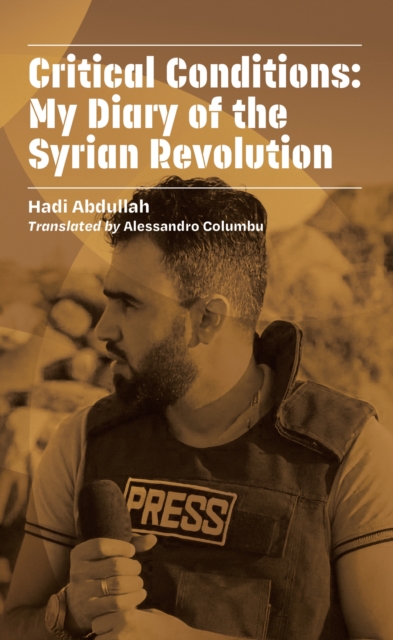
As seen and heard on 60 Minutes, This American Life, and in The New York Times a frontline eyewitness account of the Syrian Revolution from prizewinning journalist and activist Hadi Abdullah.
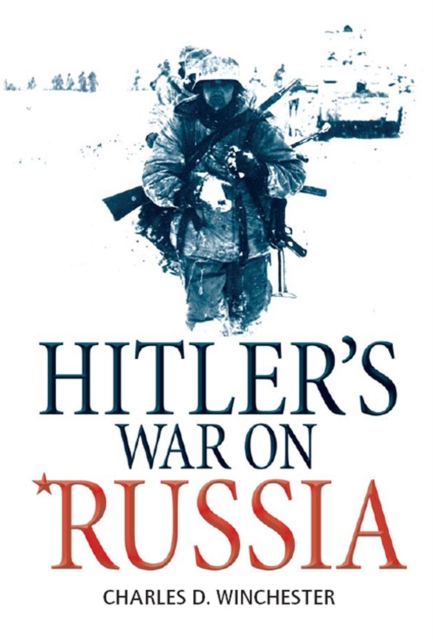
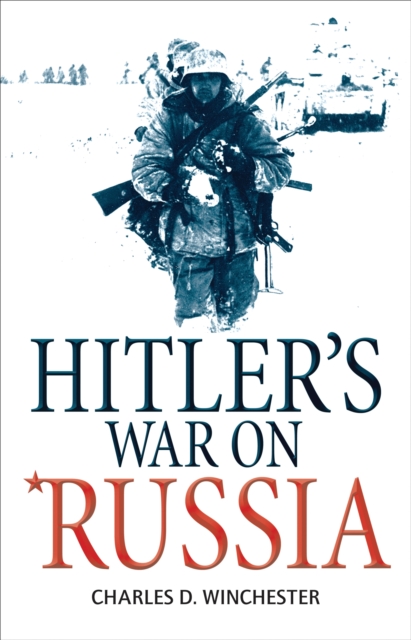
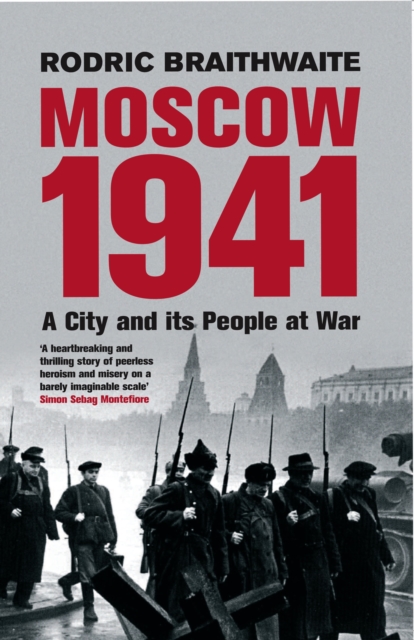
An examination of the German campaign on the Eastern Front, from their first significant defeat at the gates of Moscow in 1941 to the defeat at Stalingrad and the Russian capture of Berlin marking the end of the war in Europe.
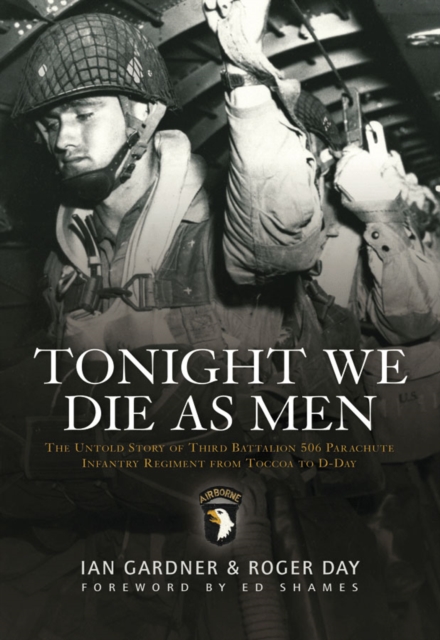
The gripping story of the men of 3rd Battalion, 506th Parachute Infantry Regiment, the comrades of the Band of Brothers, from their formation through the D-Day landings and beyond, in their own words.
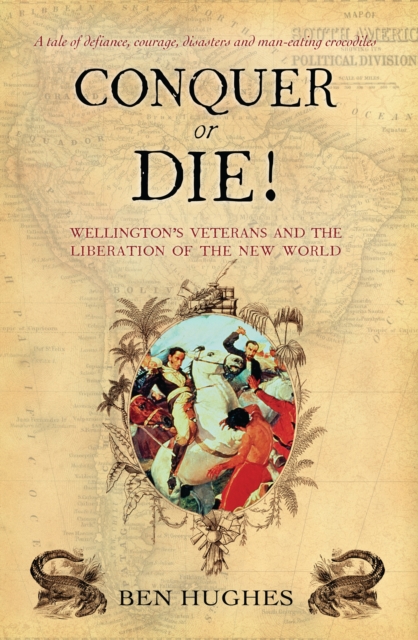
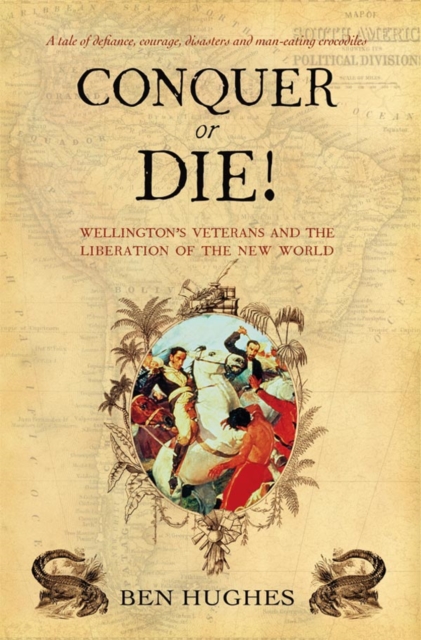
The true 'Boy's Own' adventure of the British volunteers who survived shipwreck, duels, mutinies, wild animals and malaria to fight with Simon Bolivar, 1815 21.
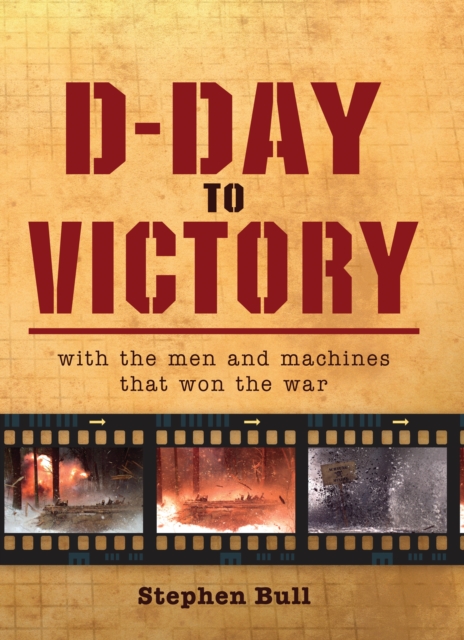
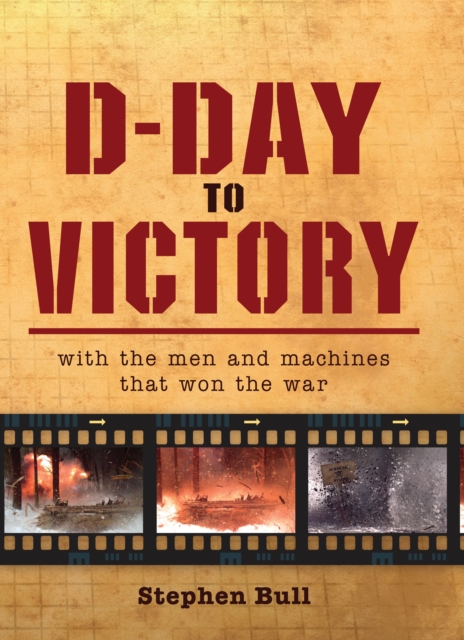
The companion volume to the groundbreaking TV series, this book tells the story of the physical, emotional and psychological journey of Allied soldiers from the beaches of Normandy to the ruins of Berlin.
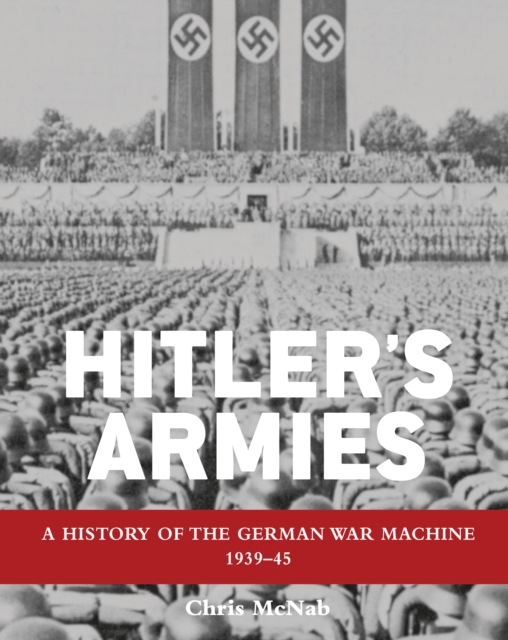
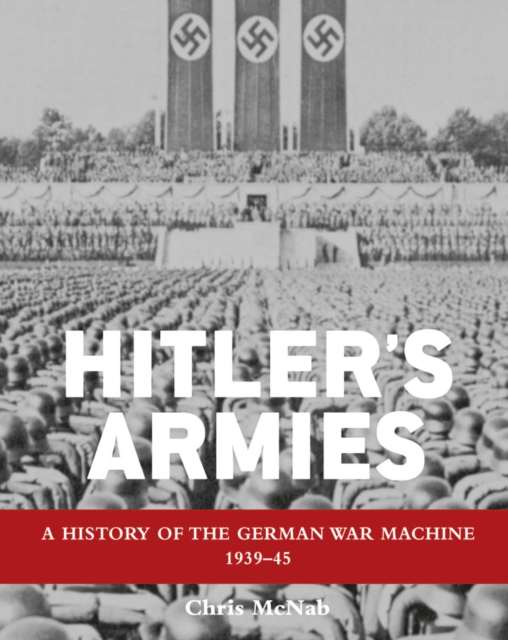
The illustrated history of Hitler's land forces from the Panzer crewman on the Eastern Front to the infantryman in Normandy and the last ditch defence units of Waffen-SS and Hitler Youth.
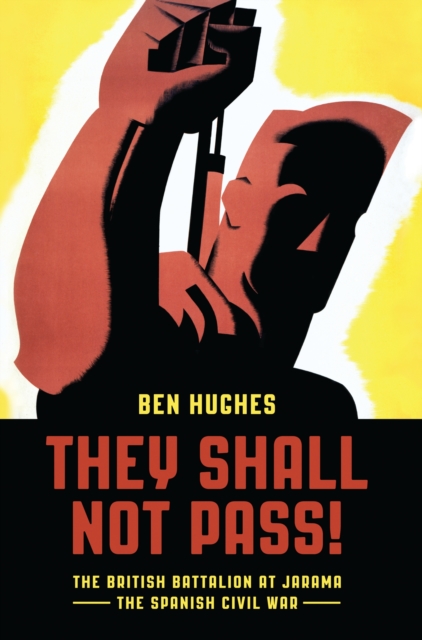
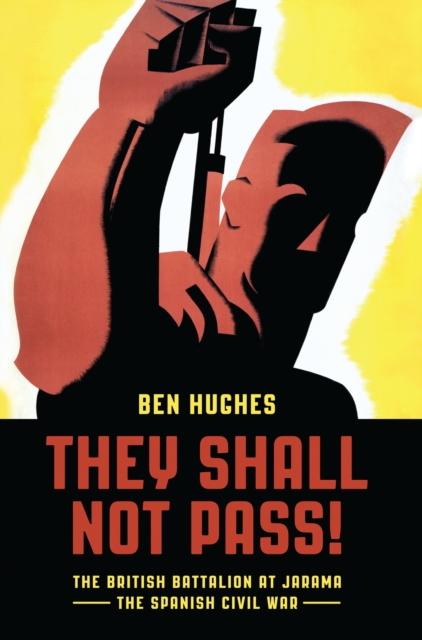
The story of a group of idealistic British volunteers who achieved the first victory against Fascism the greatest unknown turning point of the 20th century.
The companion volume to the groundbreaking TV series, this book tells the story of the physical, emotional and psychological journey of Allied soldiers from the beaches of Normandy to the ruins of Berlin.
The illustrated history of Hitler's land forces from the Panzer crewman on the Eastern Front to the infantryman in Normandy and the last ditch defence units of Waffen-SS and Hitler Youth.
The story of a group of idealistic British volunteers who achieved the first victory against Fascism the greatest unknown turning point of the 20th century.
The true 'Boy's Own' adventure of the British volunteers who survived shipwreck, duels, mutinies, wild animals and malaria to fight with Simon Bolivar, 1815 21.
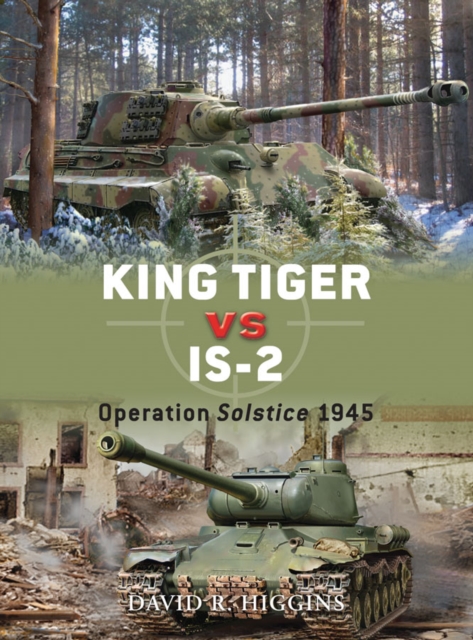
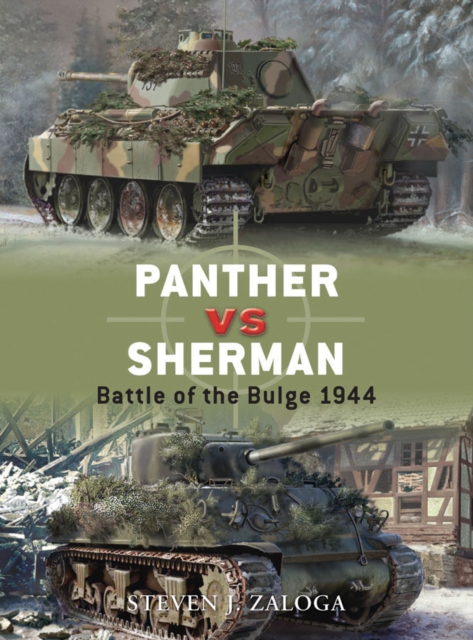
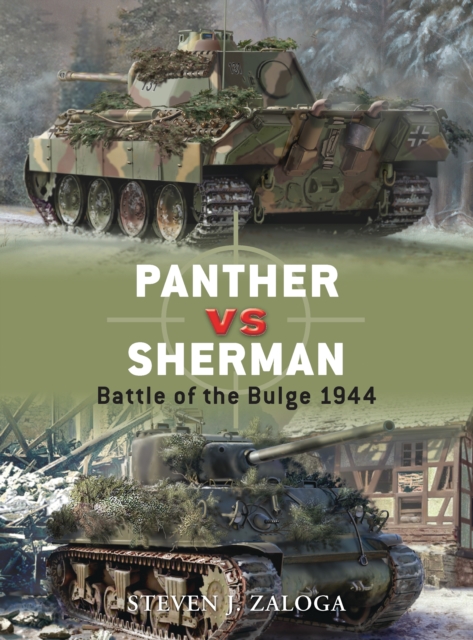
Steven J Zaloga offers a fascinating comparison between the two most important tanks involved in the crucial fighting of 1944, the American Sherman and the German Panther.
An examination of the German campaign on the Eastern Front, from their first significant defeat at the gates of Moscow in 1941 to the defeat at Stalingrad and the Russian capture of Berlin marking the end of the war in Europe.
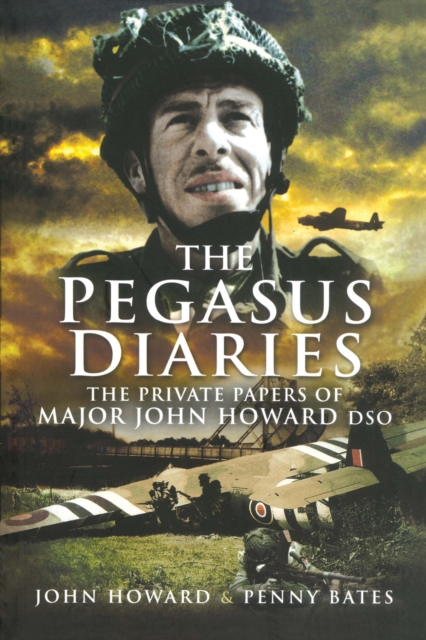
John Howard’s name will forever be linked to the highly successful Pegasus Bridge assault by his glider-born company of the Oxfordshire and Buckinghamshire Light Infantry.
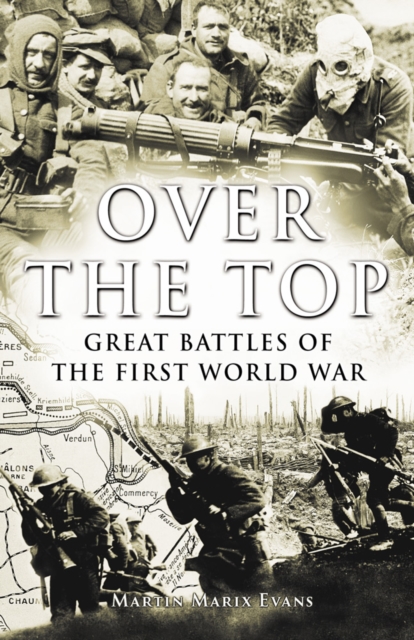
Few people alive today had direct experience of the First World War, and yet it seems embedded in the collective consciousness of the combatant nations as a warning to future generations of the futility of military conflict.
The early battles of the First World War during the autumn and winter of 1914 were open, mobile affairs of the kind long familiar to professional soldiers.
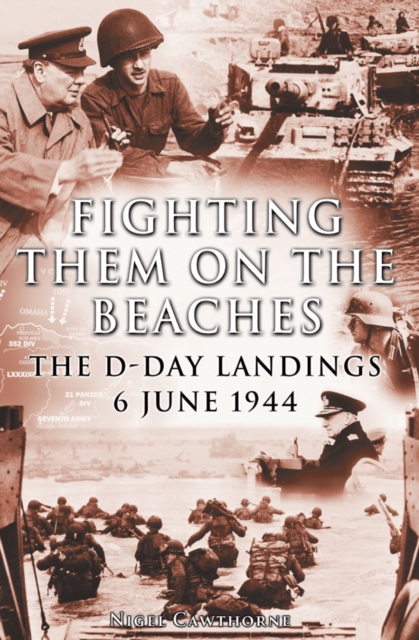
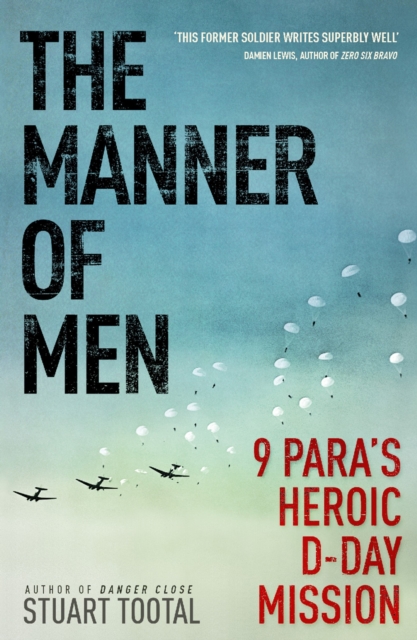
In June 1944, an elite unit of British paratroopers was sent on a daring and highly risky behind-the-lines mission, which was deemed vital to the success of D-Day.
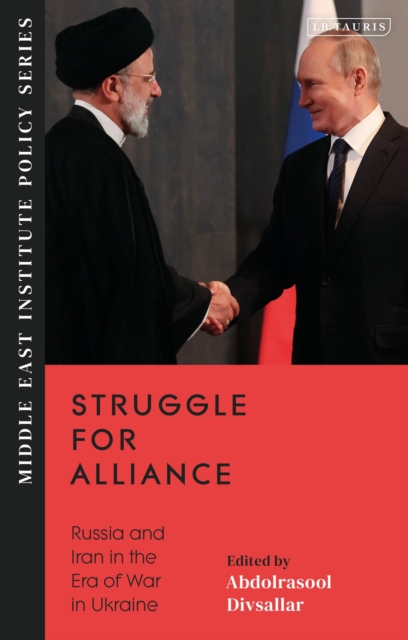
This book provides a comprehensive study of the complex impacts of the war in Ukraine on Russo-Iranian relations, and the resulting consequences for the international relations of the Middle East.
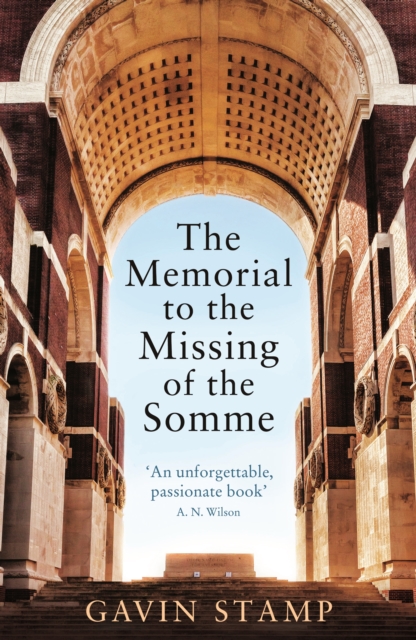
Edwin Lutyens' Memorial to the Missing of the Somme at Thiepval in Northern France, visited annually by tens of thousands of tourists, is arguably the finest structure erected by any British architect in the twentieth century.
Steven J Zaloga offers a fascinating comparison between the two most important tanks involved in the crucial fighting of 1944, the American Sherman and the German Panther.