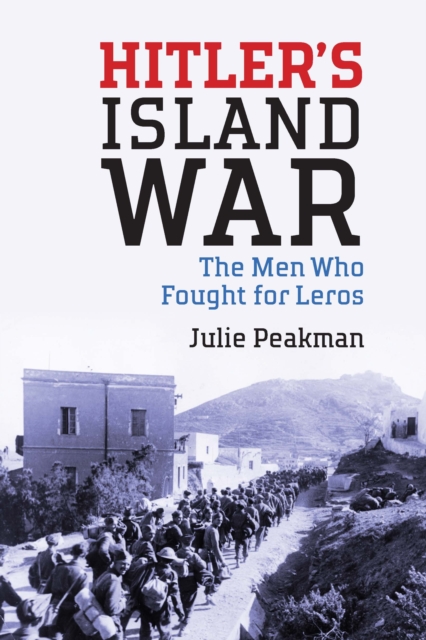
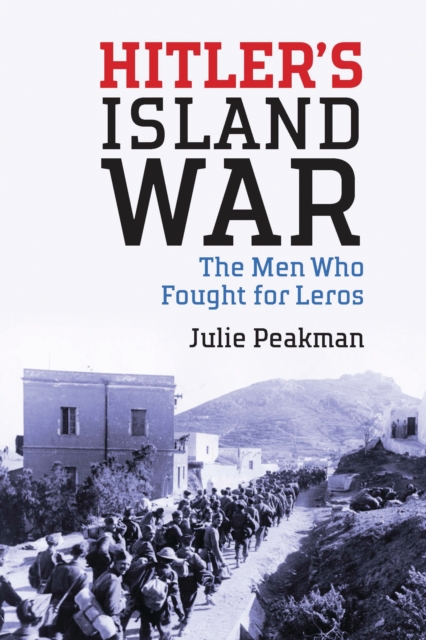
*Highly Commended by the British Records Association for the 2019 Janette Harley Prize* In September 1943, at the height of World War II, the Aegean island of Leros became the site of the most pivotal battle of the Dodecanese campaign as the British tried, in vain, to retain control of the island.
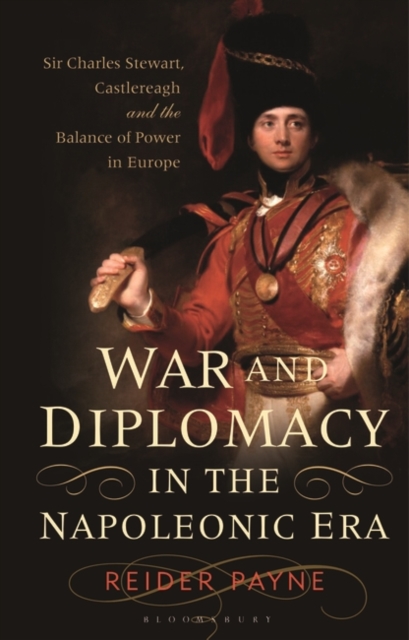
The lives and careers of Sir Charles Stewart and his brother Lord Castlereagh take in a grand stage, from Britain and Ireland to the kingdoms and empires of western and central Europe.
*Highly Commended by the British Records Association for the 2019 Janette Harley Prize*In September 1943, at the height of World War II, the Aegean island of Leros became the site of the most pivotal battle of the Dodecanese campaign as the British tried, in vain, to retain control of the island.
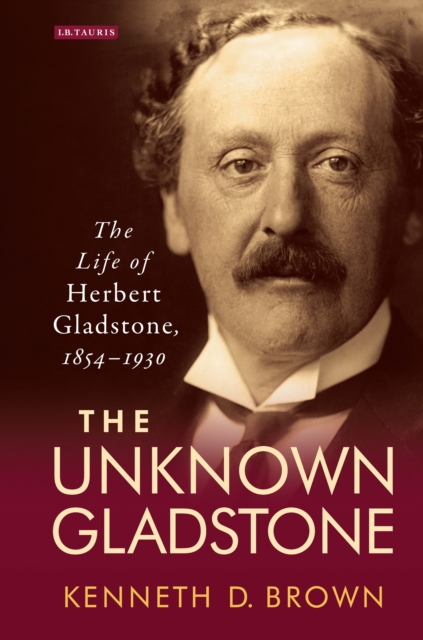
Herbert Gladstone (1854-1930) was the only one of the sons of the renowned nineteenth-century Prime Minister William Ewart Gladstone to enjoy a significant political career in his own right.
A compelling and fascinating account of aerial combat in World War I, revealing the terrible risks run by the men who fought and died in the world's first air war.
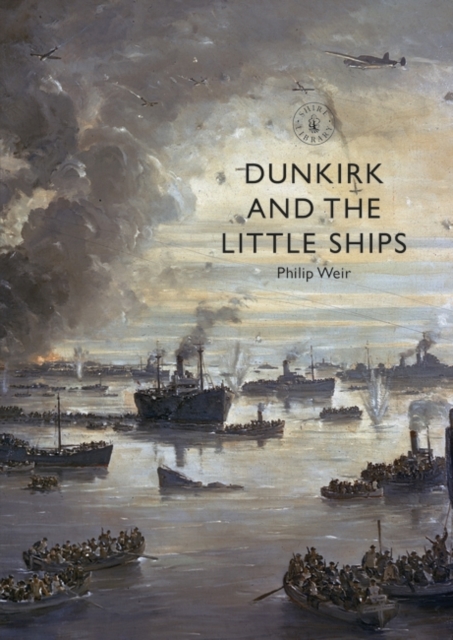
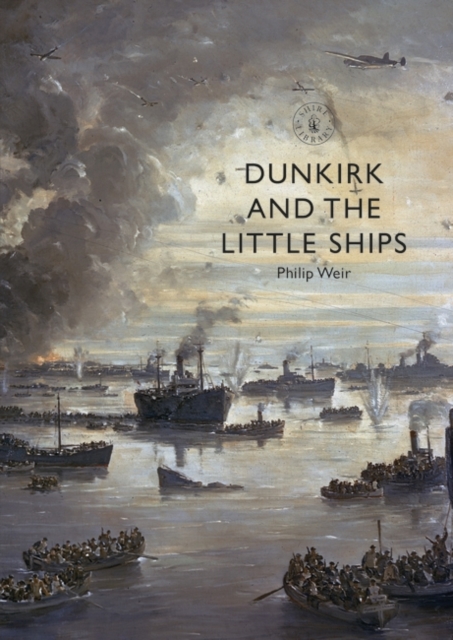
During 1940 the German army swept with devastating speed across the Low Countries and into northern France and drove Allied forces back into a small pocket around Dunkirk.
During 1940 the German army swept with devastating speed across the Low Countries and into northern France and drove Allied forces back into a small pocket around Dunkirk.
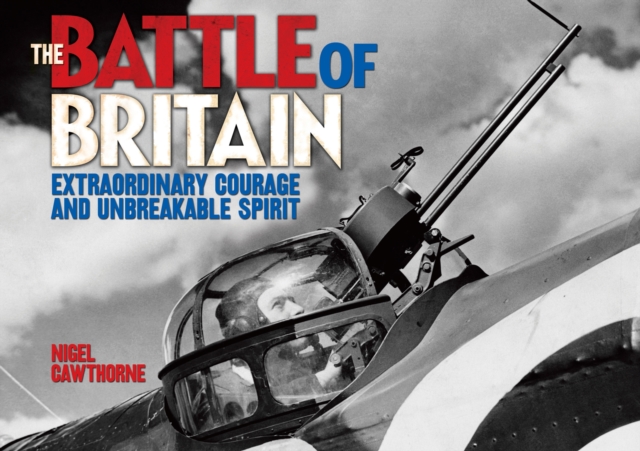
Between July and October 1940, in what became known as the Battle of Britain, a nation held its breath while the pilots of the Royal Air Force battled Hitler's Luftwaffe in the skies above England.
Perhaps it was Adolf Hitler's implacable hatred of Soviet dictator Joseph Stalin that compelled the Fu*hrer to order the taking, whatever the cost, of the city that bore his enemy's name.
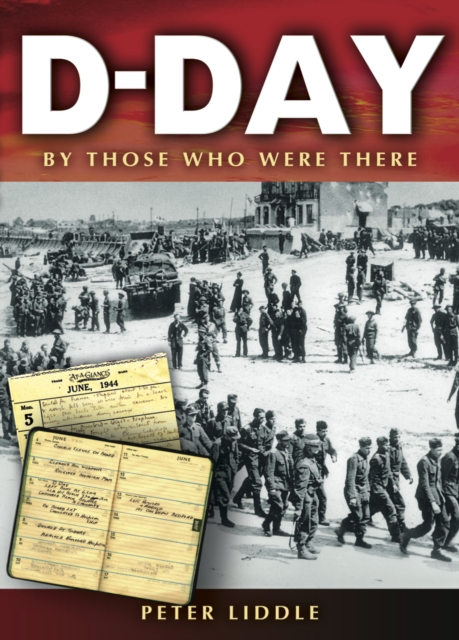
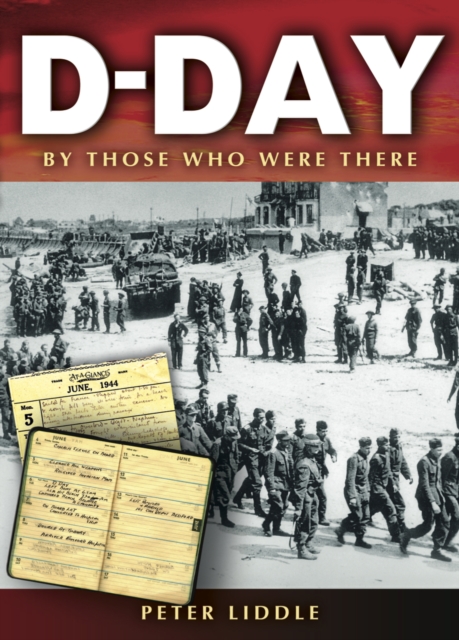
Drawing upon a new international archive of the Second World War, the support of veterans world-wide and from archives overseas, the author uses previously unpublished letters, diaries, photographs and reminiscences to tell the story of D Day in a way which brings the reader closer to the actual experience.
Drawing upon a new international archive of the Second World War, the support of veterans world-wide and from archives overseas, the author uses previously unpublished letters, diaries, photographs and reminiscences to tell the story of D Day in a way which brings the reader closer to the actual experience.
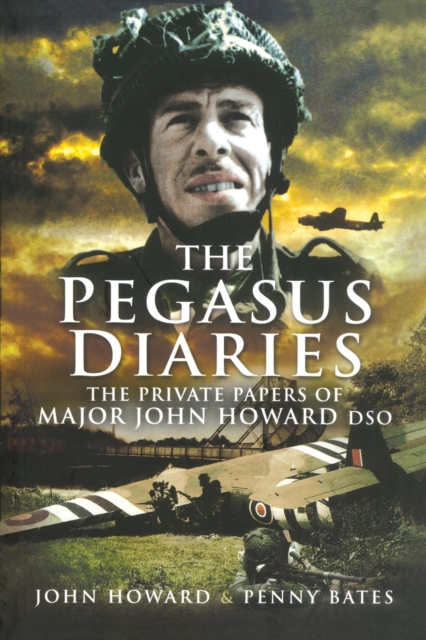
John Howard’s name will forever be linked to the highly successful Pegasus Bridge assault by his glider-born company of the Oxfordshire and Buckinghamshire Light Infantry.
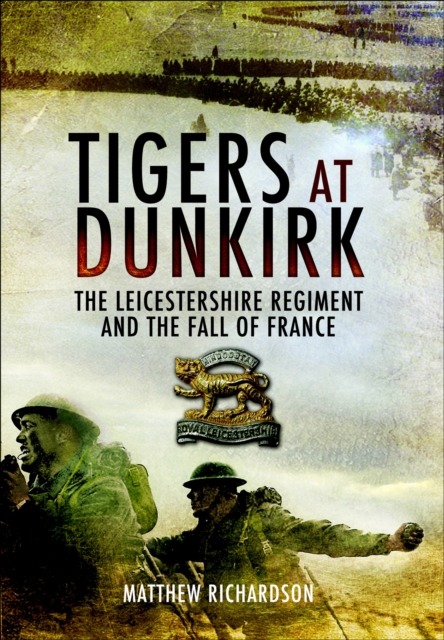
In this compelling new study of the disastrous 1940 campaign in France and Flanders, Matthew Richardson reconstructs in vivid detail the British armys defeat as it was experienced by the soldiers of a single battalion, the 2nd/5th Leicesters.
Every day for nine months from September 1944 to the end of the war, young British, Commonwealth and Norwegian airmen flew from Banff aerodrome in northern Scotland in their Mosquitoes and Beaufighters to target the German U-Boats, merchantmen and freighters plying along the coast and in the fjords and leads of southwest Norway, encountering the Luftwaffe and flakships every step of the way.
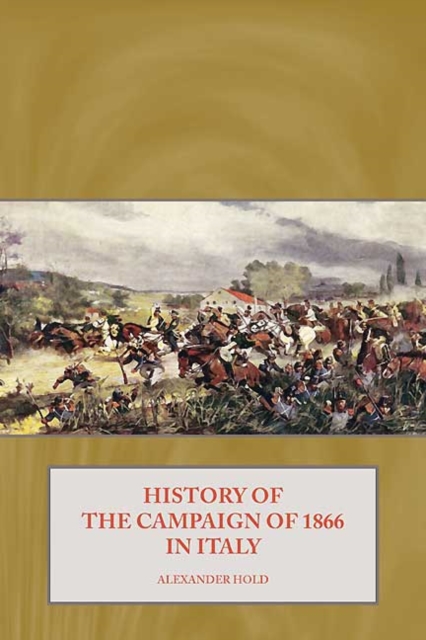
This is a translation of the 1867 work by Alexander Hold, Geschichte der Feldzugs in Italien 1866, which describes in detail the campaign of the previous year, fought between the armed forces of the Austrian empire and the kingdom of Italy in the Austrian province of Venetia and the southern Tyrol and on the Adriatic Sea.
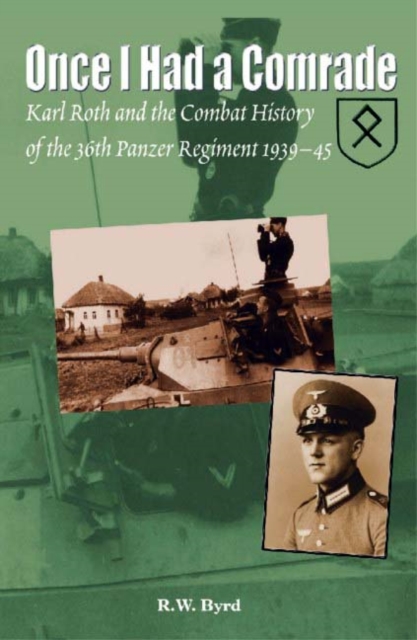
Once I Had a Comrade is the story of the author's German father-in-law, Karl Roth, who grew up during the tumultuous 1930s in the Franconian town of Schweinfurt, located in northern Bavaria, and of his regiment, 36th Panzer Regiment.
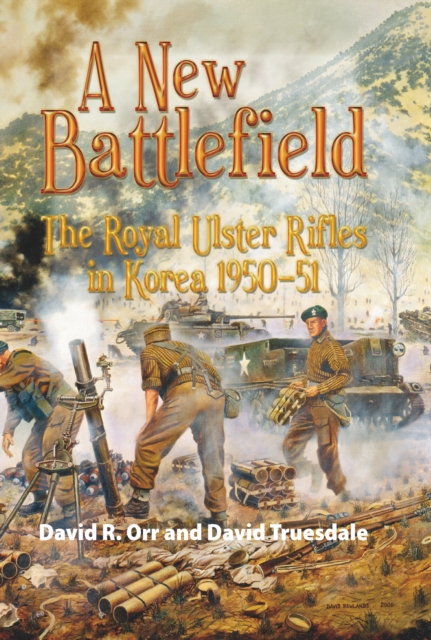
Since the publication of The Rifles Are There in 2005, which dealt with the 1st and 2nd Battalions Royal Ulster Rifles in the Second World War, it was felt by many that a follow up volume dealing with the Korean conflict was overdue.
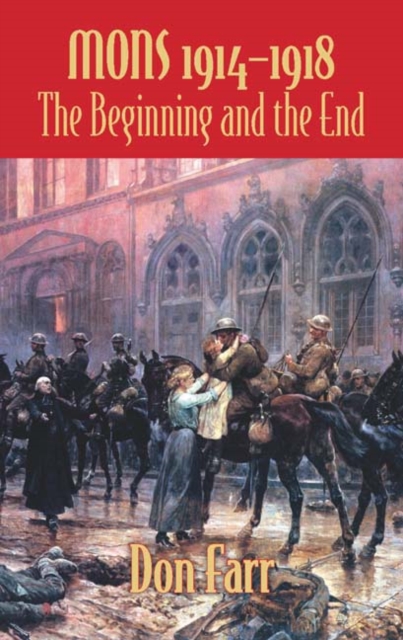
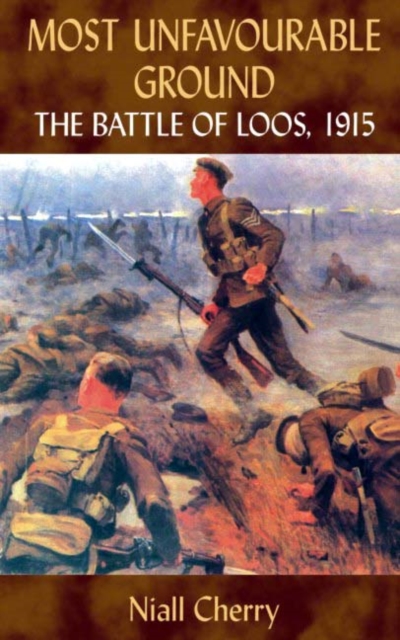
The year of 1914 had been a difficult one for the British Expeditionary Force, the war that had started in August had not been over by the expected time of Christmas.
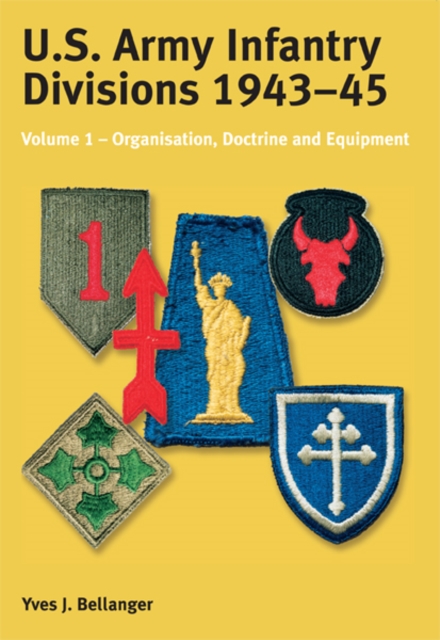
In the first of a two-volume study, the author presents an extremely detailed record of the Organisation, doctrine and equipment of US Army infantry divisions during the latter part of World War II.
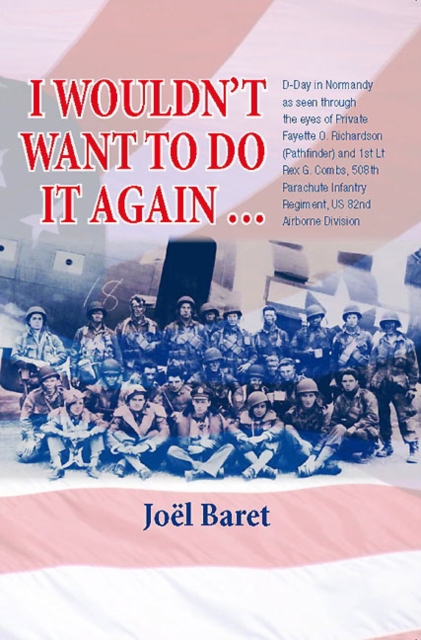
Based on the written testimonies and personal archives of two veterans of the 508th Parachute Infantry Regiment attached to the famous US 82nd Airborne Division, this book tells the story of two young Americans who unwittingly became actors in one of the greatest crusades against tyranny the world has ever known.
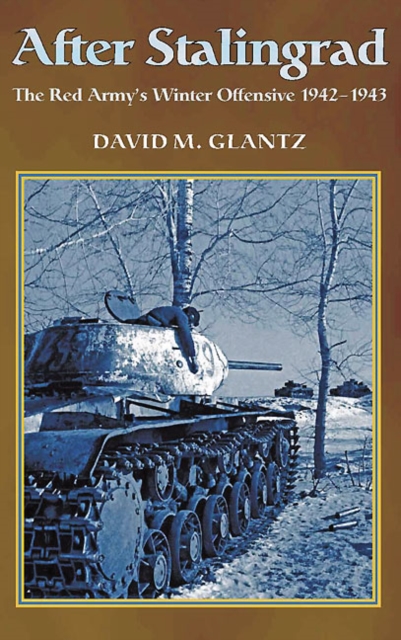
In the wake of the Red Army's signal victory at Stalingrad, which began when its surprise counteroffensive encircled German Sixth Army in Stalingrad region in mid-November 1942 and ended when its forces liquidated beleaguered Sixth Army in early February 1943, the Soviet High Command (Stavka) expanded its counteroffensive into a full-fledged winter offensive which nearly collapsed German defenses in southern Russia.
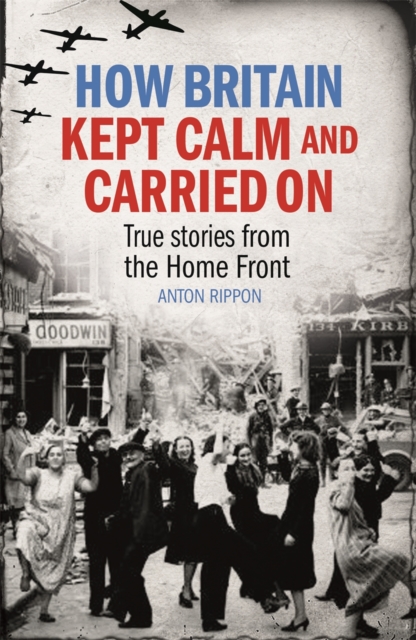
The British are well known for their unique sense of humour - for the ability to see the funny side even in the most dire situation - and it was that humour that helped the nation through the dark days of the Second World War.
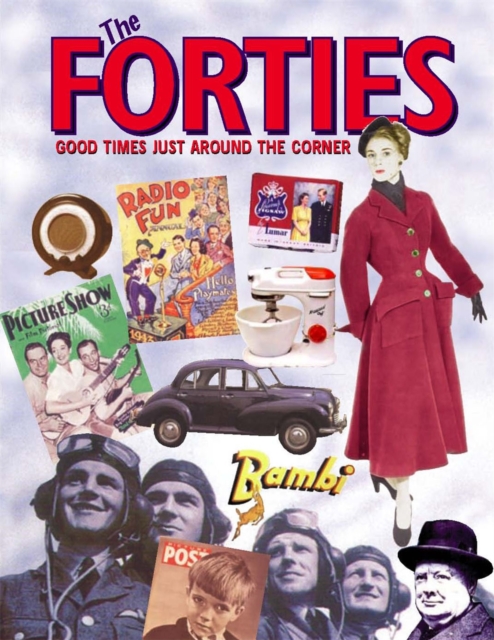
Told largely in the words of people who lived through this extraordinary time, The Forties: GoodTimes Just Around the Corner is a vividly remembered account of the most important decade of the twentieth century.
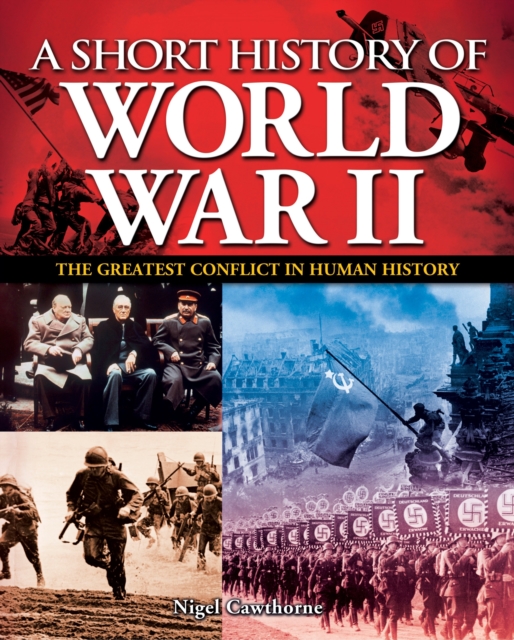
World War II was the greatest conflict in human history, involving over 100 million people serving in the forces of the Axis and the Allies and resulting in 50 to 70 million deaths.