Admittedly small and vulnerable, PT boats were, nevertheless, fast-the fastest craft on the water during World War II-and Dick Keresey's account of these tough little fighters throws new light on their contributions to the war effort.
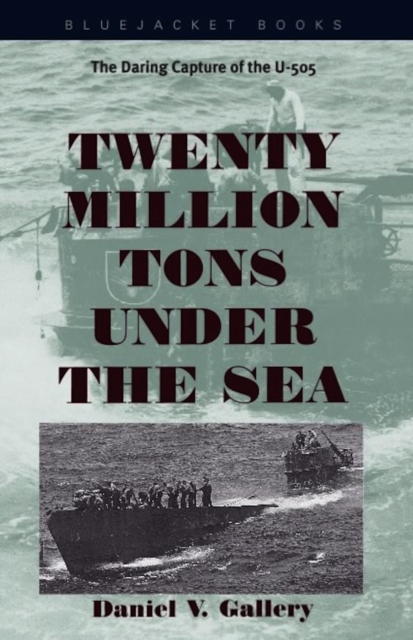
When U-234 slipped out of a Norwegian harbor in March 1945 destined for Japan, it was loaded with some of the most technically advanced weaponry and electronic detection devices of the era, along with a select group of officials.
An experienced reconnaissance Marine officer, Bruce Meyers paints a colorful and accurate picture of the special recon landings that preceded every major amphibious operation in the Pacific War.
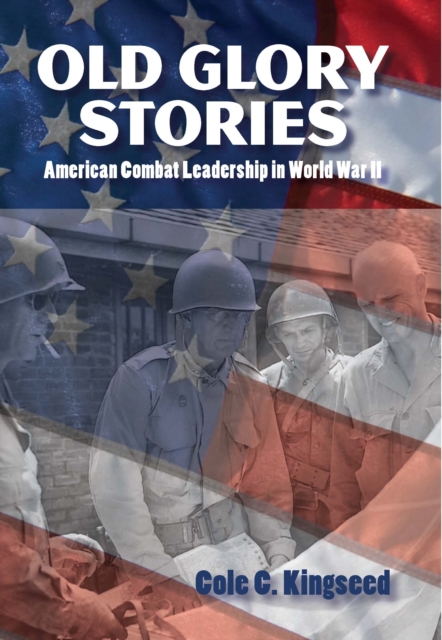
Saying that no generation of Americans has produced a finer array of combat commanders than that of World War II, a thirty-year army veteran examines combat leadership throughout the war at every level of command in the U.
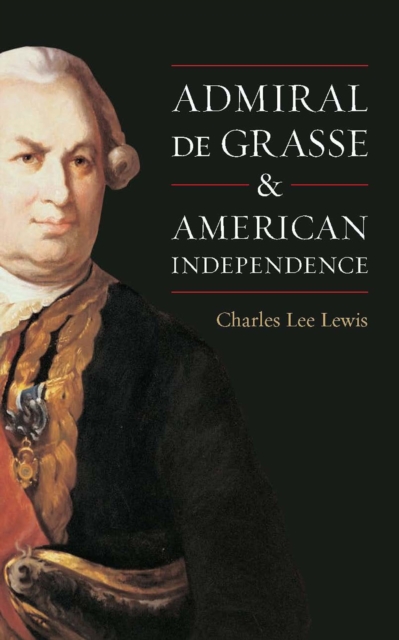
The average American knows little or nothing of the great service rendered by Admiral de Grasse, a French admiral, to the cause of American independence in the battle off Cape Henry in 1781.
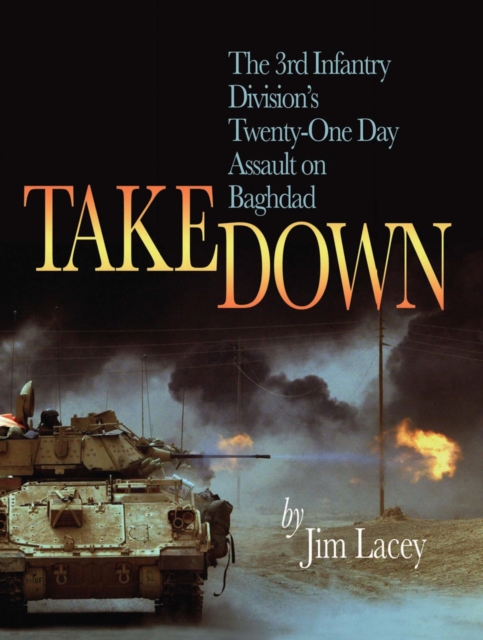
Over time the impression has grown that the 2003 invasion of Iraq met with little resistance and that, with few exceptions, the Iraqi army simply melted away.
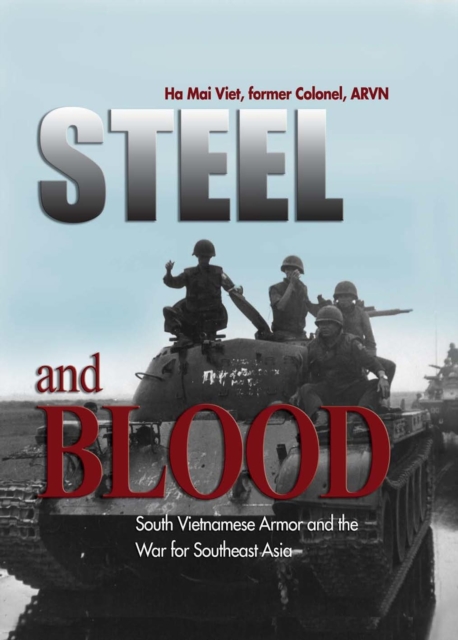
When South Vietnam was abandoned by its American allies and consequently defeated by the North Vietnamese in 1975, all its military records were lost to the enemy.
In Margin of Victory Douglas Macgregor tells the riveting stories of five military battles of the twentieth century, each one a turning point in history.
The popular conception of Hitler in the final years of World War II is that of a deranged Fuhrer stubbornly demanding the defense of every foot of ground on all fronts and ordering hopeless attacks with nonexistent divisions.
The German Fleet at War relates the little-known history of the Kriegsmarine's surface fleet with a focus on the sixty-nine surface naval battles fought by Germany's major warships against the large warships of the British, French, American, Polish, Soviet, Norwegian and Greek navies.
As the only French woman among some 11,000 defenders at Dien Bien Phu, Genevive de Galard had a unique perspective of the siege and fall of the French fortress.
This analytic and historical study provides a revealing look at naval operational intelligence by embracing the fundamental question of what OPINTEL is and how it answers the fundamental question "e;Where is the enemy, in what strength, and disposition, and what is he doing right now?
Air Force navigators and bombardiers have long labored under the shadow of pilots--their contributions undervalued, misunderstood, or simply unknown to the general public.
In this remarkable oral history collection, thirty-three participants in the turbulent epic that began with the day of infamy at Pearl Harbor and ended with the signing of the surrender documents in Tokyo Harbor tell their stories.
Vividly written and well researched by a noted historian of the period, this succinct history credits the Union Navy as an essential element in the northern victory.
Largely responsible for crushing Japanese airpower wherever the American fast carrier force sailed, the Grumman F6F Hellcat was considered the most important Allied aircraft in the Pacific during 1943 and 1944.
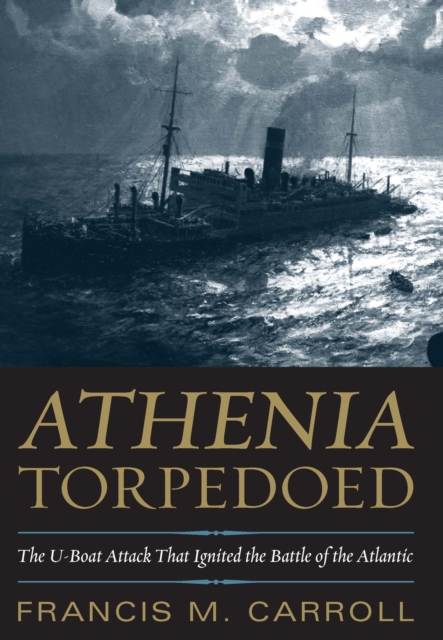
This book is an account of a disaster at sea, the sinking by a German submarine of the passenger liner Athenia sailing from Liverpool to Montreal, loaded with Americans, Canadians, and Europeans, attempting to cross the Atlantic before the outbreak of war.
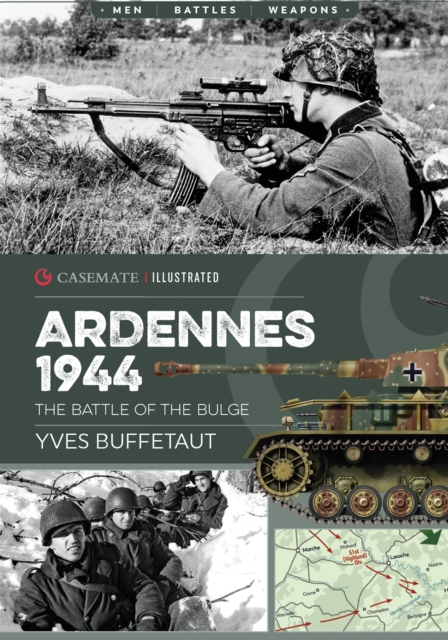
German army deficiencies are often cited as the reason for the failure of the German counteroffensive in the Ardennes region of France, Belgium and Luxembourg in December of 1944 to January 1945 which the Germans called Operation Wacht am Rhein, the Allies named the Ardennes Counteroffensive, and was also commonly known as the Battle of the Bulge.
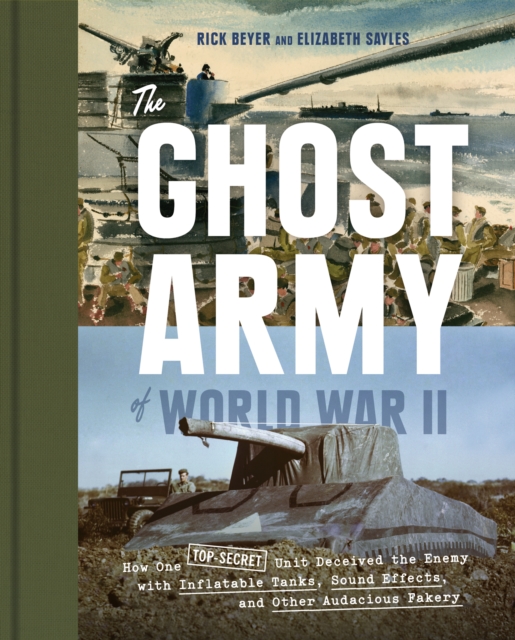
The Ghost Army of World War II describes a perfect example of a little-known, highly imaginative, and daring maneuver that helped open the way for the final drive to Germany.
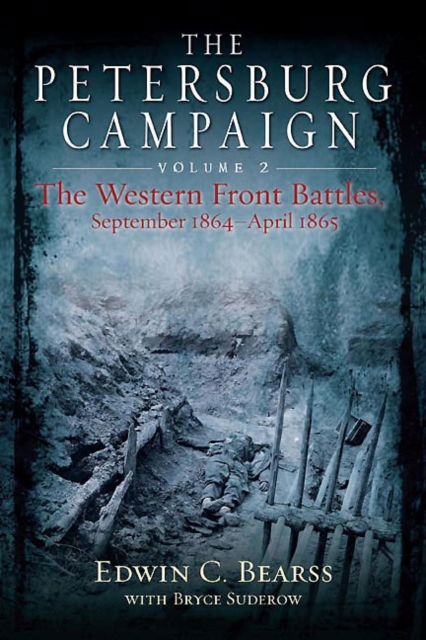
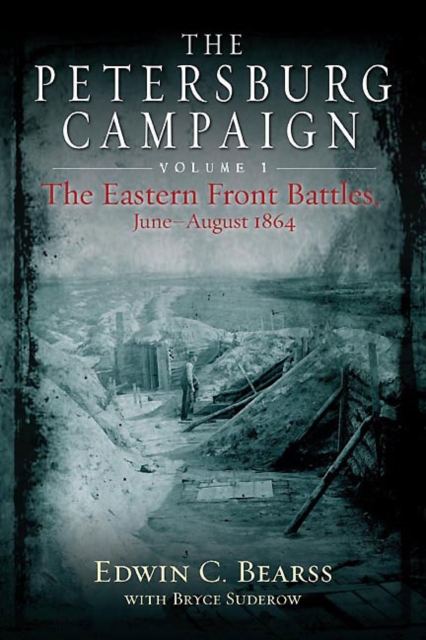
Winner, 2014, The Douglas Southall Freeman AwardThe wide-ranging and largely ignored operations around Petersburg, Virginia, were the longest and most extensive of the entire Civil War.
Winner for Reprint, 2012, Army Historical Foundation Distinguished Book AwardAntietam is the eagerly awaited second volume of Ezra Carman’s magisterial The Maryland Campaign of September 1862.
The wide-ranging and largely misunderstood series of operations around Petersburg, Virginia, were the longest and most extensive of the entire Civil War.
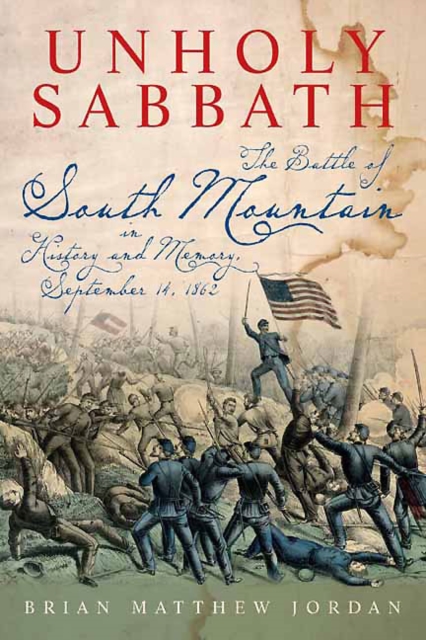
Many readers of Civil War history have been led to believe the battle of South Mountain (September 14, 1862) was but a trifling skirmish, a preliminary engagement of little strategic or tactical consequence overshadowed by Antietam’s horrific carnage just three days later.
WINNER FOR OPERATIONAL / BATTLE HISTORY, 2008, ARMY HISTORICAL FOUNDATION DISTINGUISHED BOOK AWARD
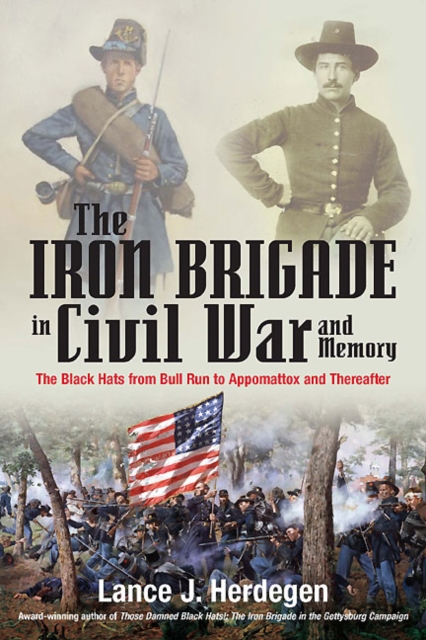
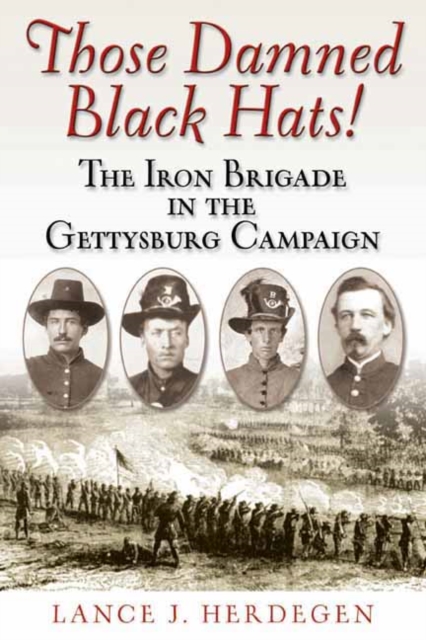
The Iron Brigade--an all-Western outfit famously branded as The Iron Brigade of the West--served out their enlistments entirely in the Eastern Theater.
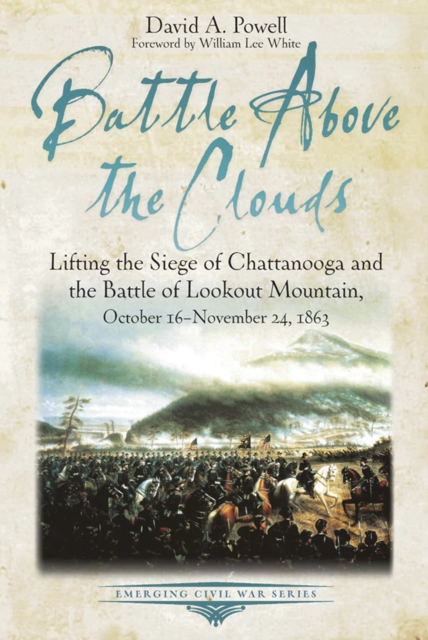
In October 1863, the Union Army of the Cumberland was besieged in Chattanooga, all but surrounded by familiar opponents: The Confederate Army of Tennessee.
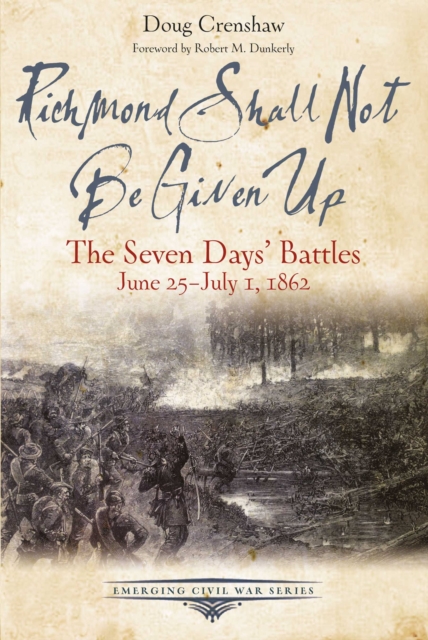
In the spring of 1862, the largest army ever assembled on the North American continent landed in Virginia, on the peninsula between the James and York Rivers, and proceeded to march toward Richmond.