A comprehensive and dramatic re-telling of the Guadalcanal and Solomons naval campaign the daring Allied offensive to protect Australia and the South Pacific from Japanese invasion.
Featuring scores of painstakingly researched and intricately detailed maps, this stunning, luxuriously bound book displays and explains the campaigns on the most famous theatre of war in history the European Theatre of World War II.
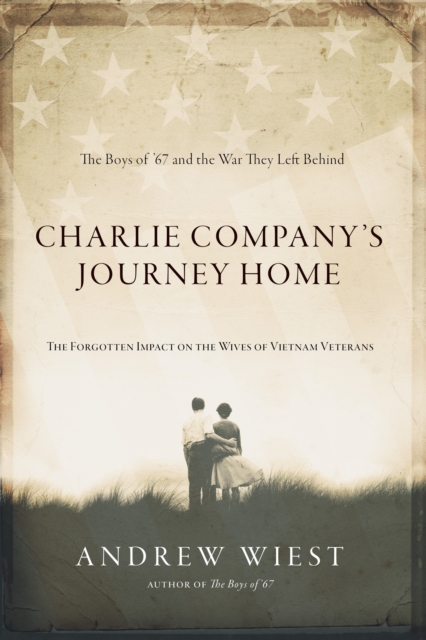
Using countless interviews as well as original diaries and letters, Andrew Wiest lays bare the horror of the Vietnam War for those left behind and the enduring battles they must continue to fight long after their loved ones have returned home.
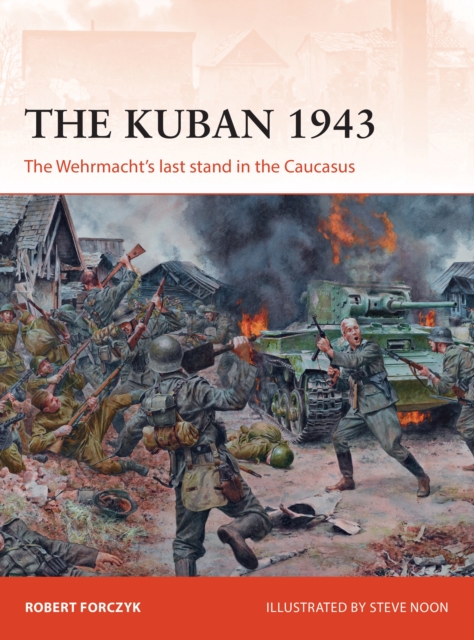
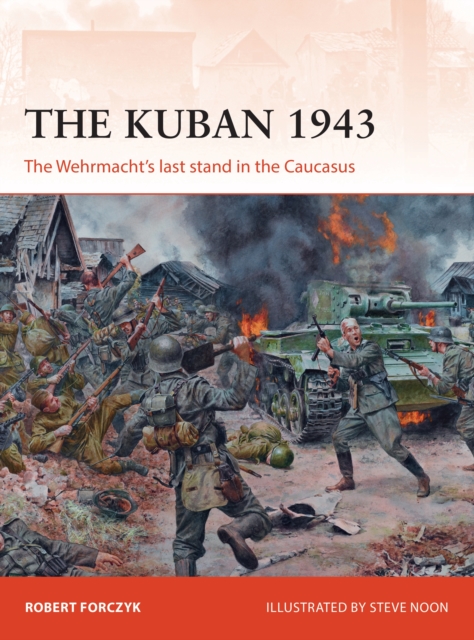
A fully illustrated study of the defensive struggle for the Kuban bridgehead on the Eastern Front of World War II, where the Red Army repulsed a series of ferocious German offensives in the Caucasus.
A fully illustrated study of the defensive struggle for the Kuban bridgehead on the Eastern Front of World War II, where the Red Army repulsed a series of ferocious German offensives in the Caucasus.
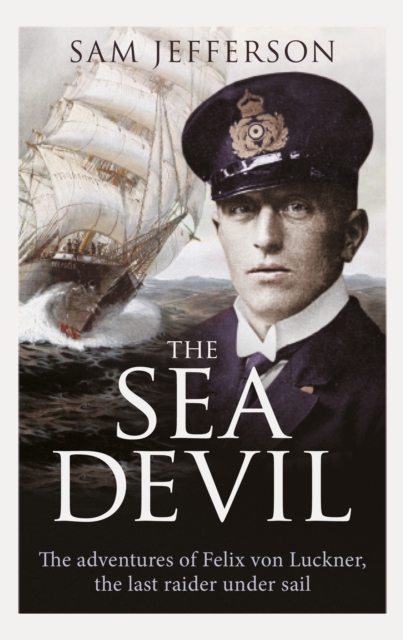
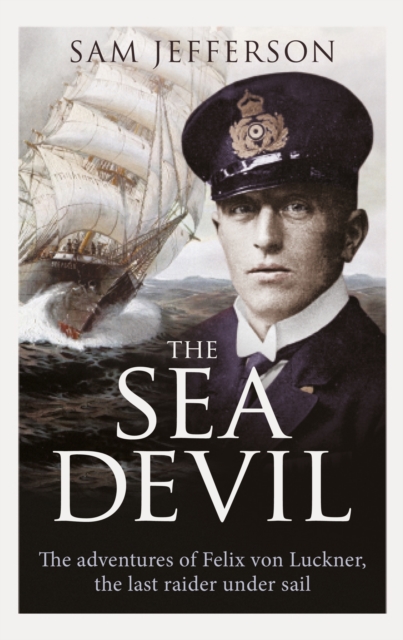
Tasked with destroying as many British merchant ships as possible, German aristocrat Felix von Luckner and his ship the Seeadler succeeded in spectacular fashion.
Tasked with destroying as many British merchant ships as possible, German aristocrat Felix von Luckner and his ship the Seeadler succeeded in spectacular fashion.
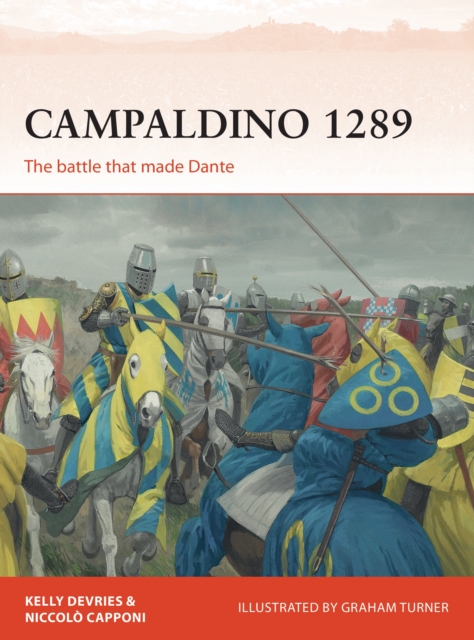
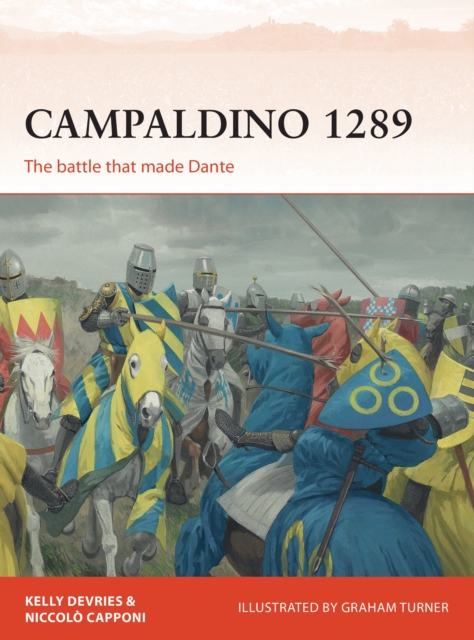
A highly illustrated account of one of the major battles of Italy's 13th century wars, immortalized in the Divine Comedy by Dante Alighieri who was one of the combatants.
A highly illustrated account of one of the major battles of Italy's 13th century wars, immortalized in the Divine Comedy by Dante Alighieri who was one of the combatants.
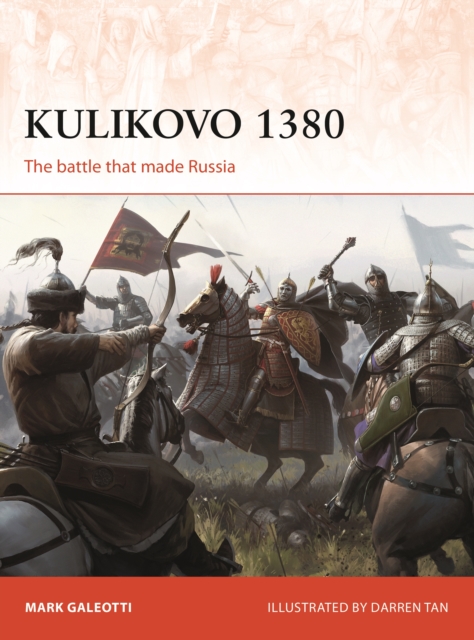
The colourful, enthralling story of the Russo-Mongol battle of Kulikovo, involving: the killing of a Muscovite prince (only for it to turn out to be a body double) and an unexpected ambush to turn looming defeat into glorious victory.
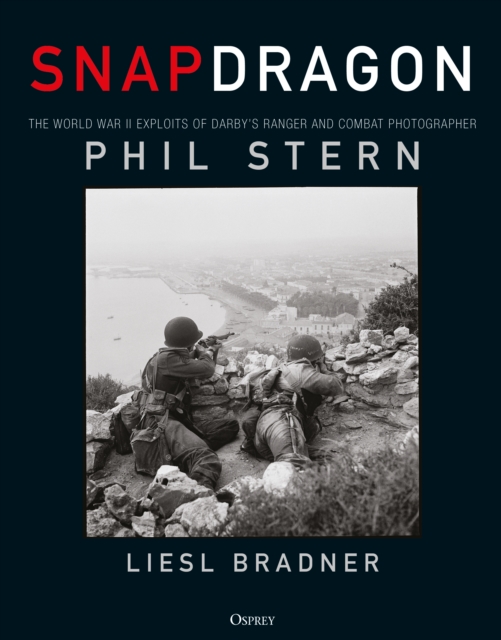
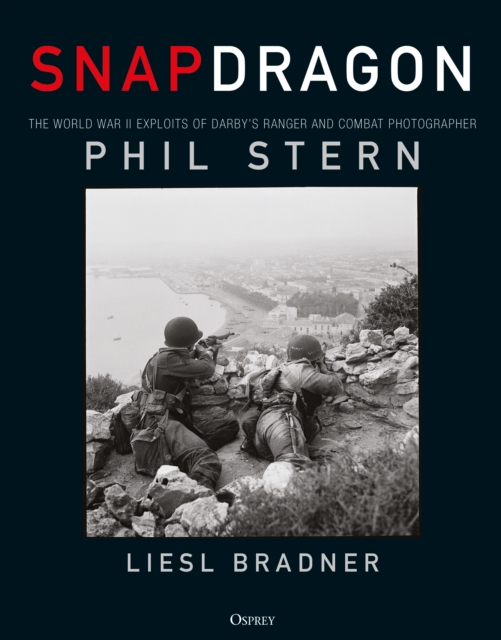
The combat photography and wartime experiences of Phil 'Snapdragon' Stern, an iconic photographer of JFK, Marilyn Monroe and James Dean, published for the first time and beautifully presented.
The combat photography and wartime experiences of Phil 'Snapdragon' Stern, an iconic photographer of JFK, Marilyn Monroe and James Dean, published for the first time and beautifully presented.
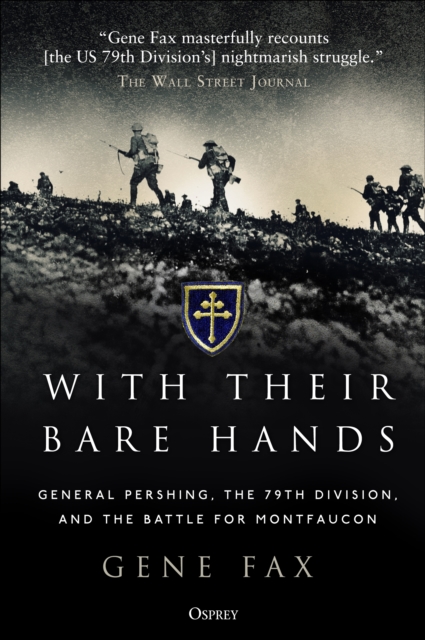
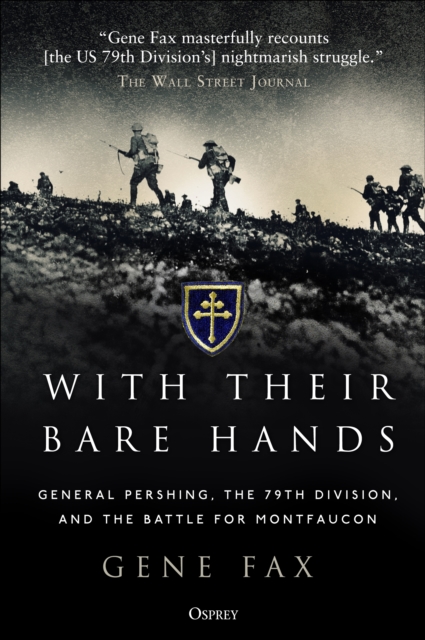
A ground-breaking narrative history, which examines the never-before-told story of one of the most devastating battles of American involvement in World War I the battle of Montfaucon.
A ground-breaking narrative history, which examines the never-before-told story of one of the most devastating battles of American involvement in World War I the battle of Montfaucon.
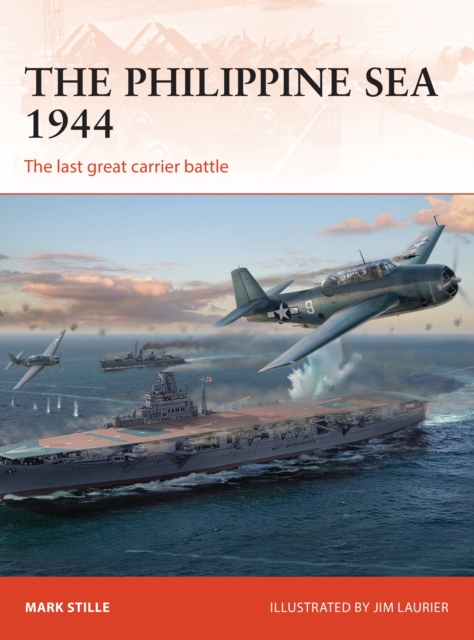
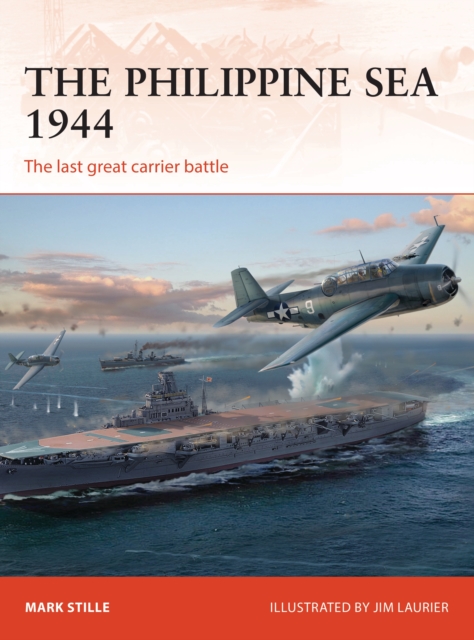
Ideal for enthusiasts of WWII naval aviation, this illustrated volume covers the unequal clash between the United States and Imperial Japanese navies that destroyed the IJN's ability to conduct further carrier operations.
Ideal for enthusiasts of WWII naval aviation, this illustrated volume covers the unequal clash between the United States and Imperial Japanese navies that destroyed the IJN's ability to conduct further carrier operations.
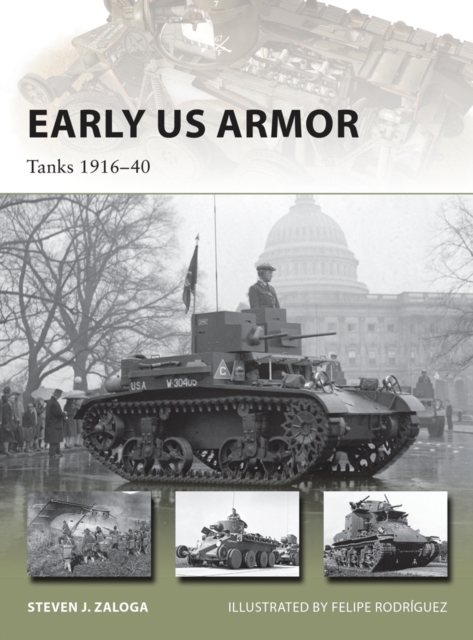
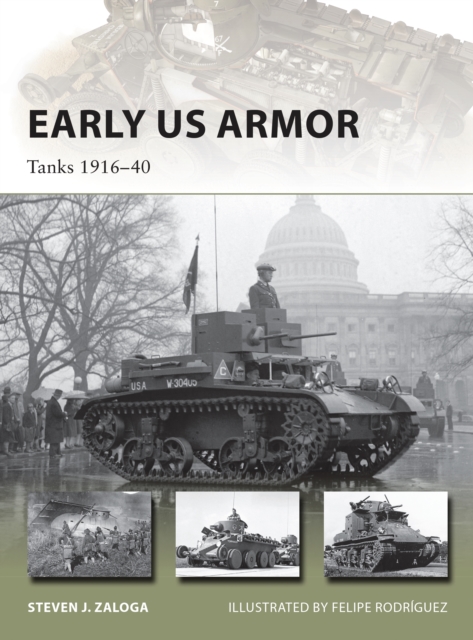
Between the two World Wars, the US contributed significantly to the development of the tank, a weapon invented by the British and the French seeking a way to break through the lines of German trenches.
Between the two World Wars, the US contributed significantly to the development of the tank, a weapon invented by the British and the French seeking a way to break through the lines of German trenches.
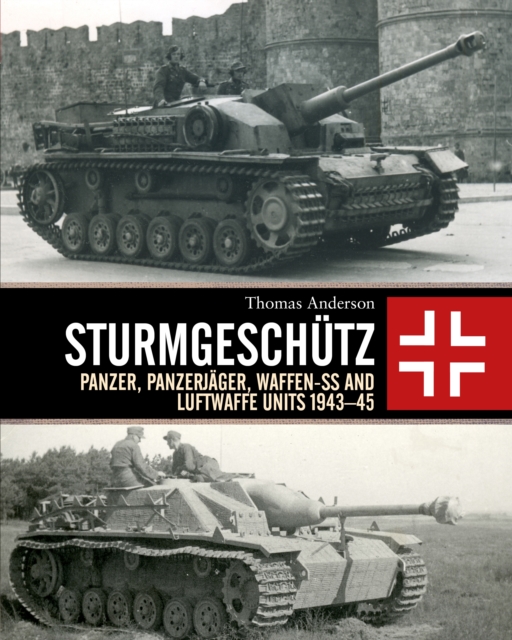
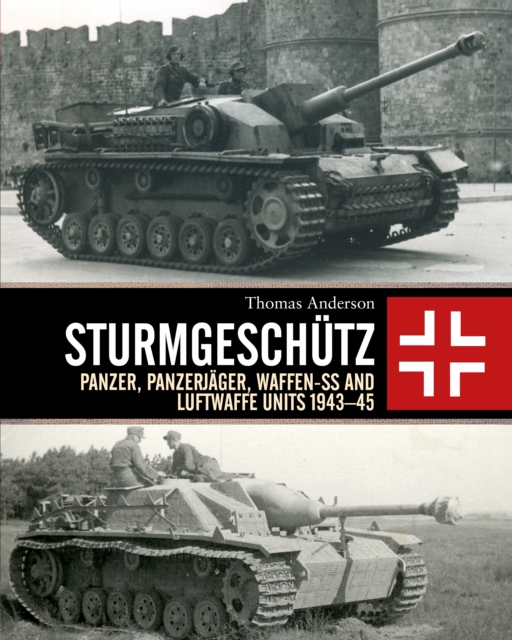
First established in 1940, the Sturmgesch tz assault guns were purpose-built vehicles intended to support the infantry during the phase of attack and breakthrough of enemy positions.
First established in 1940, the Sturmgesch tz assault guns were purpose-built vehicles intended to support the infantry during the phase of attack and breakthrough of enemy positions.
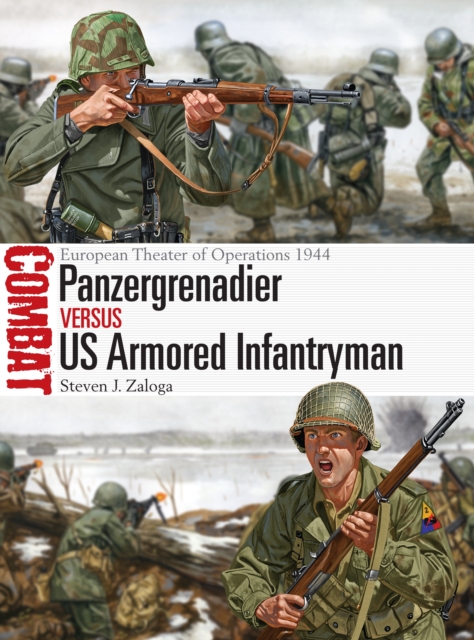
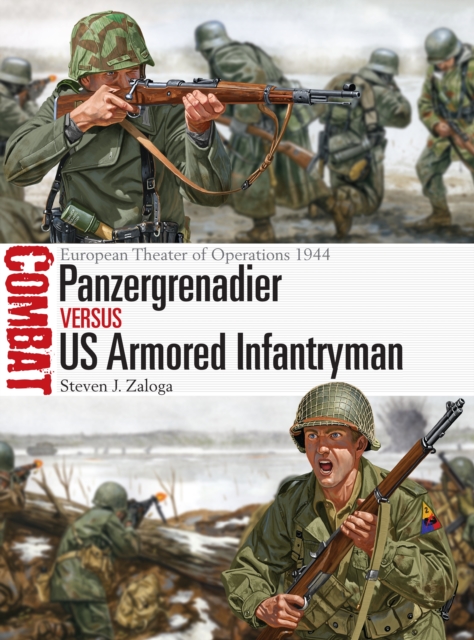
During World War II, the two pre-eminent mechanized infantry forces of the conflict, the German Panzergrenadier arm and the US Army's armoured infantrymen, clashed in France and Belgium after the Normandy landings.
During World War II, the two pre-eminent mechanized infantry forces of the conflict, the German Panzergrenadier arm and the US Army's armoured infantrymen, clashed in France and Belgium after the Normandy landings.
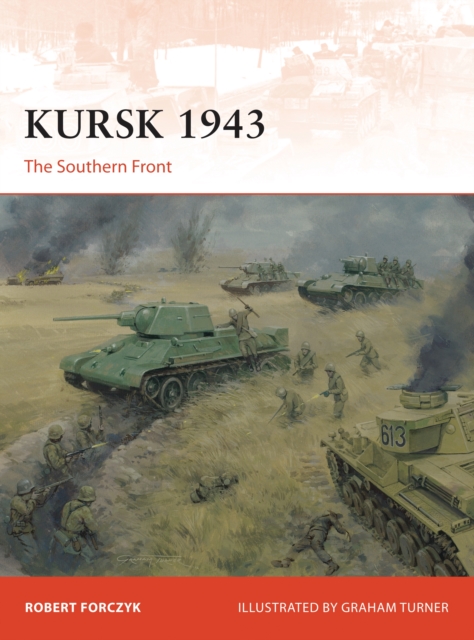
The Kursk campaign was the major German offensive of 1943 and the last strategic offensive the Germans were to launch on the Eastern Front in World War II.