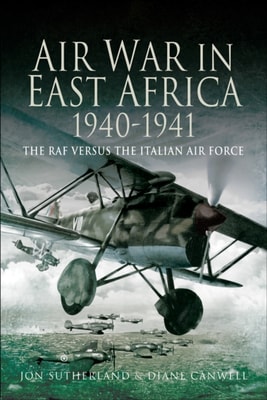
This little known campaign against the Italian invasion of British Somalia was bravely fought by a small force of elderly RAF and Commonwealth aircraft against almost overwhelming odds.
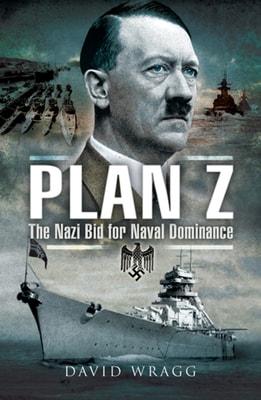
"e;A well-written yet concise history"e; of Hitler's plan to build a massive naval fleet, why it failed, and how it may have affected the outcome of WWII (Nautical Research Journal).
"e;A fantastic overview of one of Britain's untold stories from the Great War"e;-the Salonika Campaign that pitted Allied forces against the Bulgarians (Burton Mail).
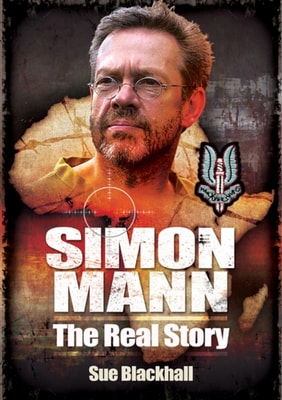
It had all the ingredients of a best-selling thriller the clandestine activities of mercenaries, an impossibly dare-devil plot to topple the regime of one of the worlds most corrupt countries; the boys own approach by arrogant old public school pupils and the controversy and intrigue from within governmental departments.
The indistinct status of the Zainichi has meant that, since the late 1940s, two ethnic Korean associations, the Chongryun (pro-North) and the Mindan (pro-South) have been vying for political loyalty from the Zainichi, with both groups initially opposing their assimilation in Japan.
Horatio Nelson was a hero from the time when his dramatic initiative won the battle of St Vincent in 1797, while his last battle, at Trafalgar, reduced the enemy naval forces so thoroughly that they were no longer able to have any bearing on the outcome of the war.
This is the first volume of a most impressive tribute and accurate four part work that uniquely presents a complete account of the air operations throughout Market-Garden in September 1944 when British, US and Polish airborne troops made a gallant attempt to seize and hold bridges across the Lower Rhine in Holland as a springboard for crossing into Germany.
This is the second volume of a comprehensive five part work on D-Day that includes a multitude of personal military accounts from both Allied and German Aviation personnel who were there.
Major Louis Joseph Vionnets memoirs of Napoleons disastrous 1812 campaign in Russia are readable, detailed, and full of personal anecdote and vivid glimpses into the life of the nineteenth-century soldier.
Through a series of five walks this book discovers the sights, sounds and experience of the capital at war; it details the remaining tangible evidence of the dark days via air raid shelter signs, bomb damage on buildings and memorials detailing heroic and often tragic events.
The disastrous retreat and near disintegration of Sir John Moores army on the road to Corunna in 1809 is traditionally regarded as the low point in the history of the British intervention in the Peninsular War.
Military histories of the struggle against the French armies of the Revolution and Napoleon often focus on the exploits of elite units and famous individuals, ignoring the essential contribution made by the ordinary soldiers the bulk of the British army.
The 900-day siege of the Soviet city of Leningrad by the combined forces of the Germans and the Finns is one of the most remarkable, and terrible, events of the Second World War, yet until recently it has not received the attention it deserves it has been overshadowed by other massive confrontations on the Eastern Front, at Stalingrad and Kursk.