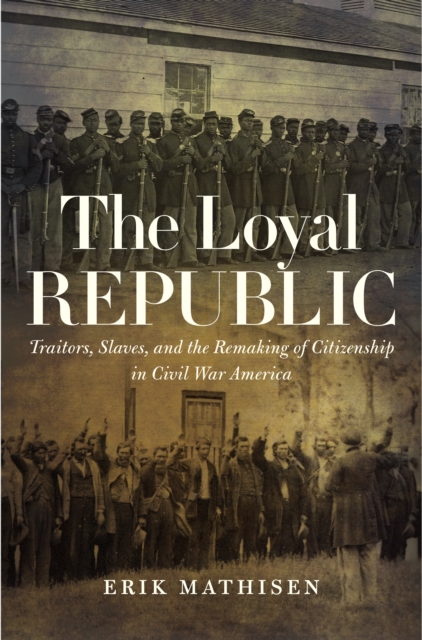
This is the story of how Americans attempted to define what it meant to be a citizen of the United States, at a moment of fracture in the republic's history.
At the close of the Civil War, it was clear that the military conflict that began in South Carolina and was fought largely east of the Mississippi River had changed the politics, policy, and daily life of the entire nation.
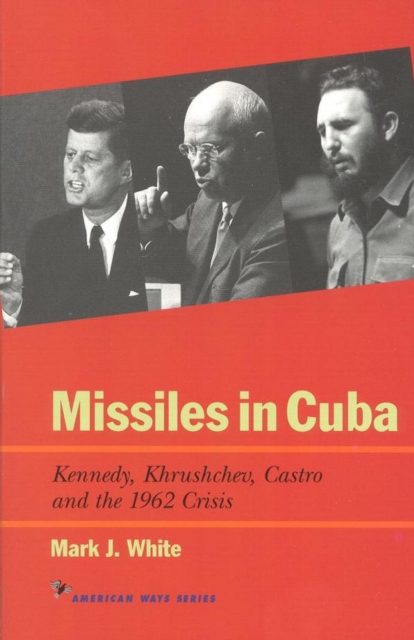
For many years historians of the Cuban missile crisis have concentrated on those thirteen days in October 1962 when the world teetered on the brink of nuclear war.
In tracing the rise of the modern idea of the American "e;new woman,"e; Lynn Dumenil examines World War I's surprising impact on women and, in turn, women's impact on the war.
Very Special Ships is the first full-length book about the Abdiel-class fast minelayers, which were considered the fastest and most versatile to serve in the Royal Navy during World War II.
In October 1863, the Union Army of the Cumberland was besieged in Chattanooga, all but surrounded by familiar opponents: The Confederate Army of Tennessee.
Largely responsible for crushing Japanese airpower wherever the American fast carrier force sailed, the Grumman F6F Hellcat was considered the most important Allied aircraft in the Pacific during 1943 and 1944.
The Spanish Civil War left a legacy of destruction, resentment and deep ideological divisions in a country that was attempting to recover from economic stagnation and social inequality.
This book focuses on the aural and musical sphere of fictional audio-visual reconstructions of the Holocaust, a defining event in the history of the 20th century.
In the 2010 federal election, independent candidate Andrew Wilkie grabbed headlines after winning the seat of Denison, and with it a key role in deciding who would form the next government of Australia.
In December of 1914, veteran Boer commander General Louis Botha landed his forces on the coast of German South West Africa to finish off the colony’s Schutztruppe defenders.
Using the Russian Ministry of Defense’s archives and Western sources, the author has produced a companion work to his masterful study of II SS Panzer Corps’ offensive and the culminating clash at Prokhorovka.
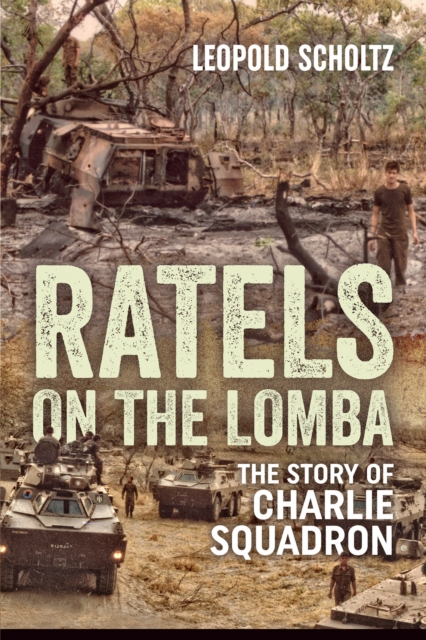
Charlie Squadron – the iron fist of the South African Defense Force’s 61 Mechanised Battalion Group – led the way on 3 October 1987 during the climactic battle on the Lomba River in Southern Angola.
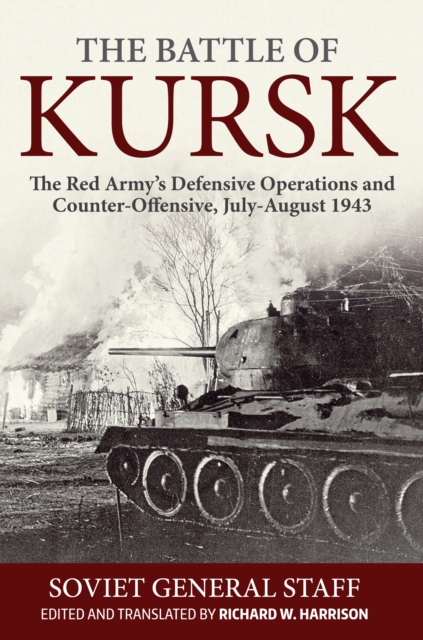
The Battle of Kursk: The Red Army’s Defensive Operations and Counter- Offensive, July - August 1943, offers a peculiarly Soviet view of one of the Second World War’s most critical events.
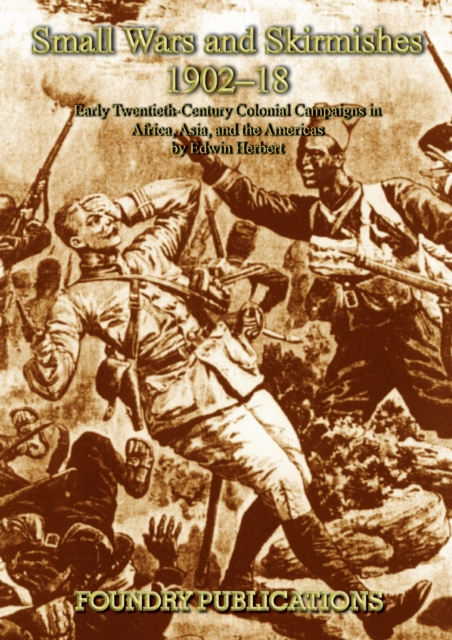
This is the first of a two volume series covering early twentieth century colonial campaigns in Africa, Asia and the Americas, ranging from Mexico and the Philippines to Africa and the North West Frontier.
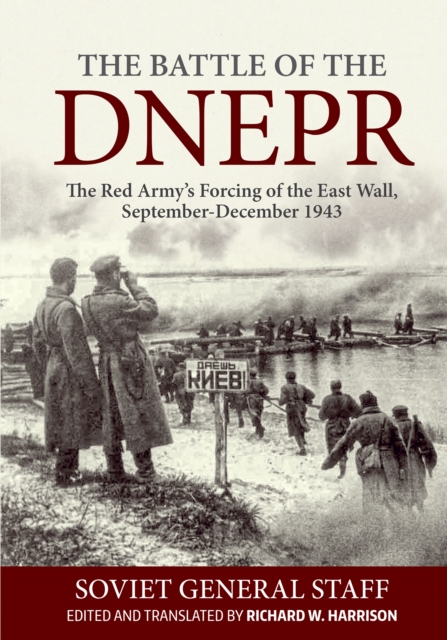
Details a critical period in the Red Army's advance along the southwest strategic direction during the general offensive that followed the fighting in the area of the Kursk salient in July-August 1943.
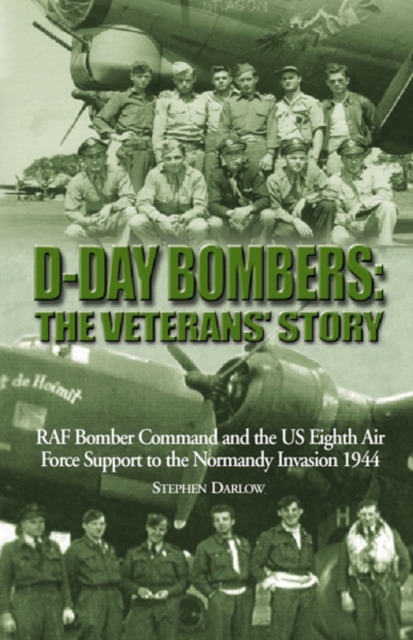
This book is largely an eye-witness account of the heavy bomber contribution to the success of the D-Day landings and therefore to the winning of the war in Europe.
The “Slow But Deadly” Dauntless was the US Navy’s premier carrier-borne dive bomber, and proved immensely successful in all the major Pacific naval campaigns of WW2.
"Bauernaufstände in Deutschland und ihre Auswirkungen auf Europa"Entdecken Sie ein faszinierendes Kapitel der europäischen Geschichte, das die Grundlagen unserer modernen Gesellschaft nachhaltig geprägt hat.
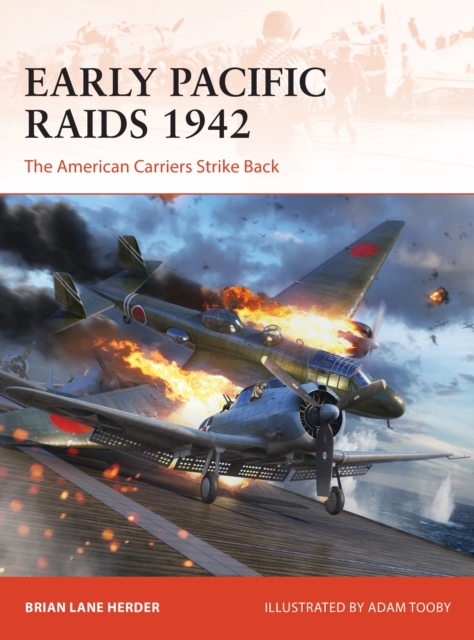
A fascinating exploration of how between February 1 and March 10, 1942, three small US task forces launched several unexpected raids across the Japanese defensive perimeter in the Central and South Pacific.
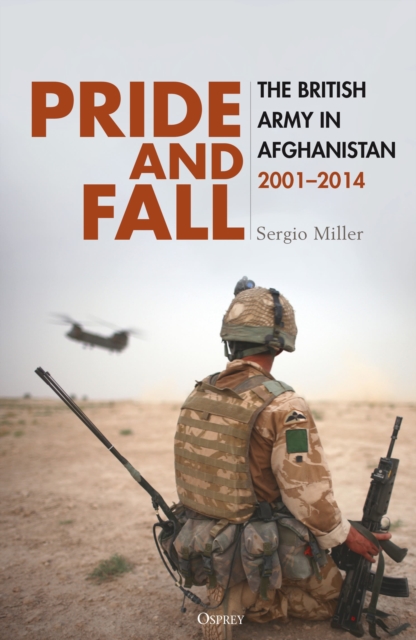
SHORTLISTED FOR THE SOCIETY FOR ARMY HISTORICAL RESEARCH'S 2025 TEMPLER MEDALA detailed new account of the British military campaign in Afghanistan from 2001 to 2014, based on the experiences of those who served.
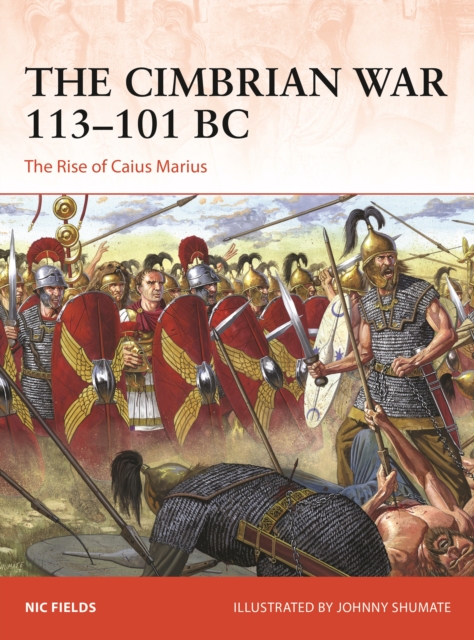
A gripping illustrated narrative of the Cimbrian (or Cimbric) War, in which the armies of the Roman Republic finally defeated the Germanic tribes of the Cimbri, Teutons, Ambrons and Tigurini.
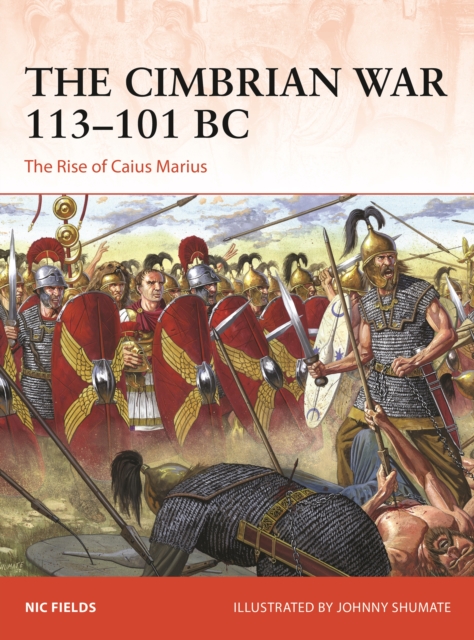
A gripping illustrated narrative of the Cimbrian (or Cimbric) War, in which the armies of the Roman Republic finally defeated the Germanic tribes of the Cimbri, Teutons, Ambrons and Tigurini.
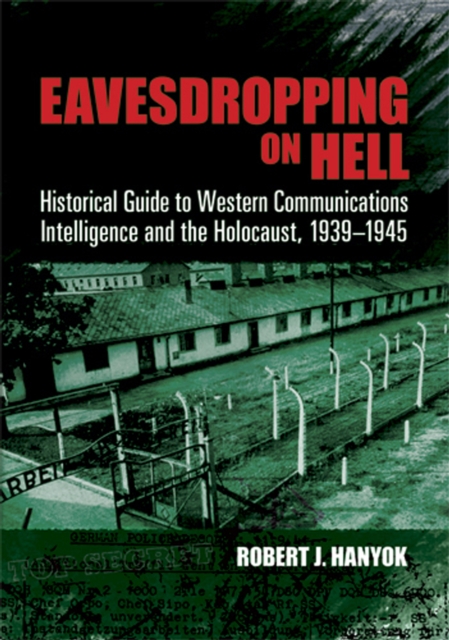
This recent government publication investigates an area often overlooked by historians: the impact of the Holocaust on the Western powers' intelligence-gathering community.