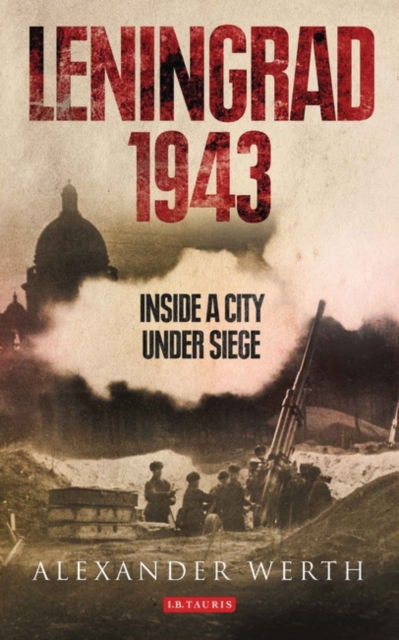
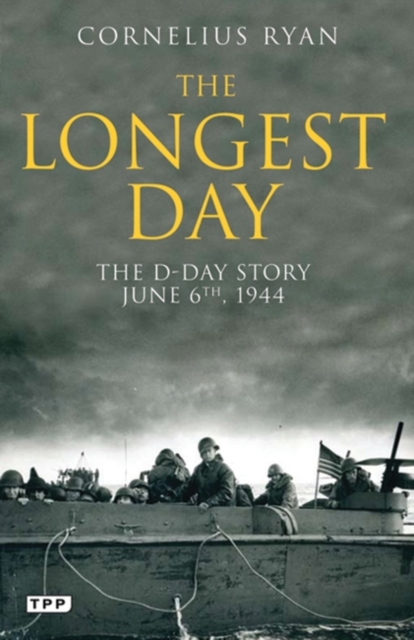
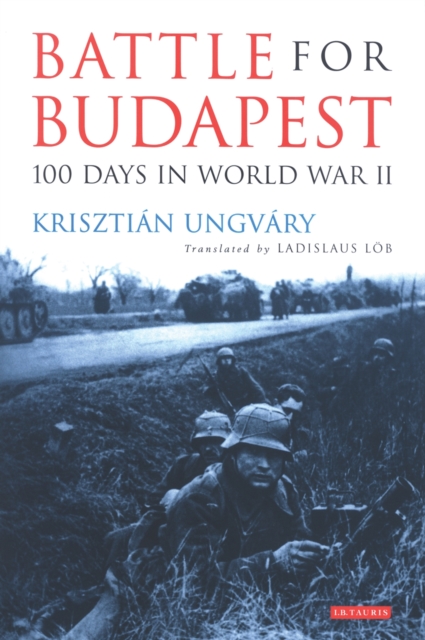
Operation Barbarossa, Hitler's invasion of the Soviet Union in 1941, led to one of the most brutal campaigns of World War II: of the estimated 70 million people who died in World War II, over 30 million died on the Eastern Front.
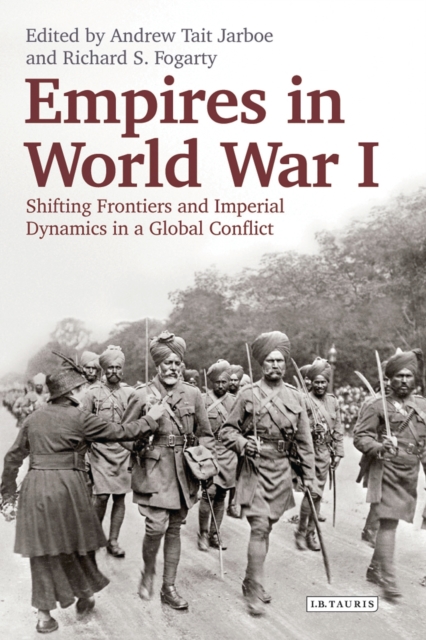
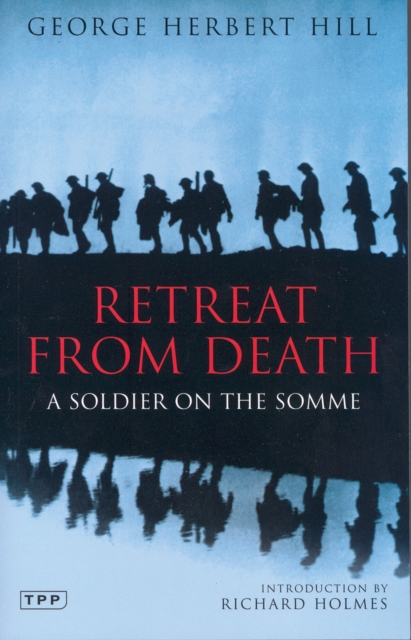
Soon after the guns in Belgium and France had signalled the commencement of what would become the world's single most destructive conflict to date, the British, Ottoman, German, Russian, Austro-Hungarian, French and Belgian Empires were at war.
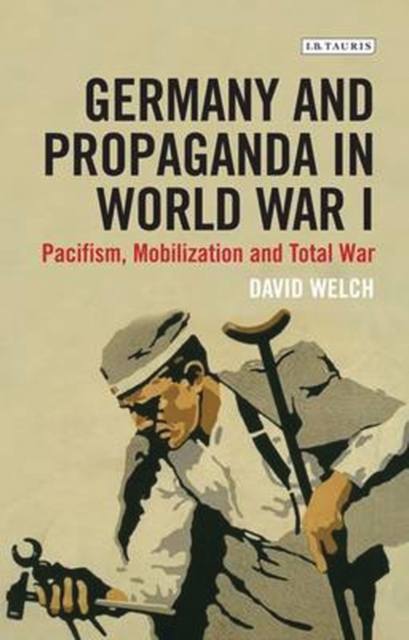
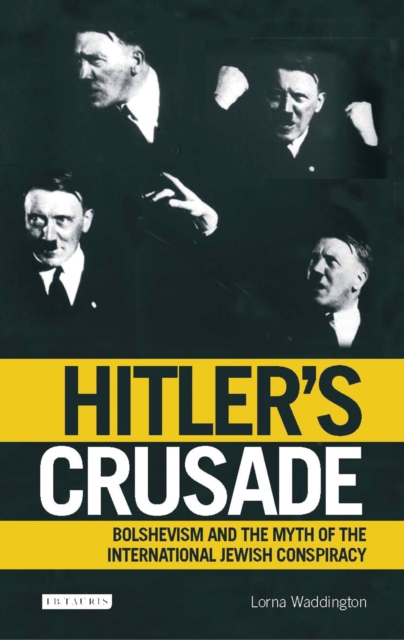
Adolf Hitler, writing in Mein Kampf, was scathing in his condemnation of German propaganda in World War I, declaring that Germany failed to recognise that the mobilization of public opinion was a weapon of the first order.
In 1950, just five years after the end of World War II, Britain and America again went to war--this time to try and combat the spread of communism in East Asia following the invasion of South Korea by communist forces from the North.
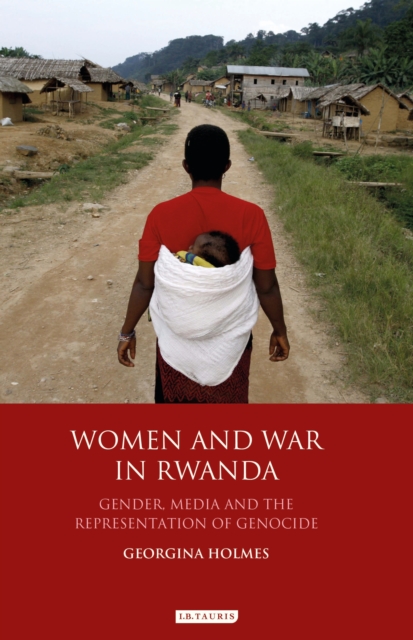
Focusing on television media reporting of the 1994 genocide in Rwanda and its aftermath, this book explores how African states directly involved in conflict, western states with geopolitical interests in Africa's Great Lakes region, militia groups, human rights activists and NGOs use gendered media narratives strategically, often engaging in politics of revisionism and denial, to change the behaviour of other actors in the international system.
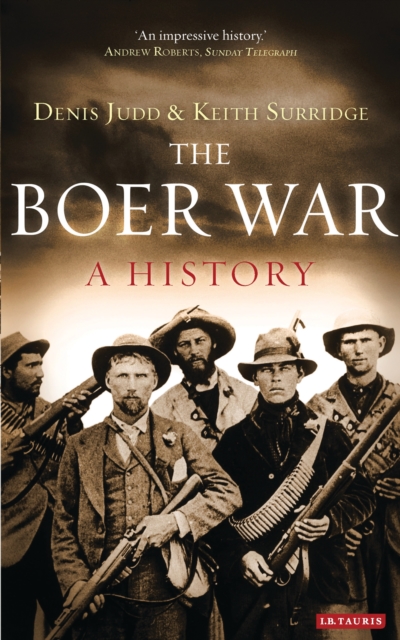
The Boer War of 1899-1902 was an epic of heroism and bungling, cunning and barbarism, with an extraordinary cast of characters - including Churchill, Rhodes, Conan Doyle, Smuts, Kipling, Gandhi, Kruger and Kitchener.
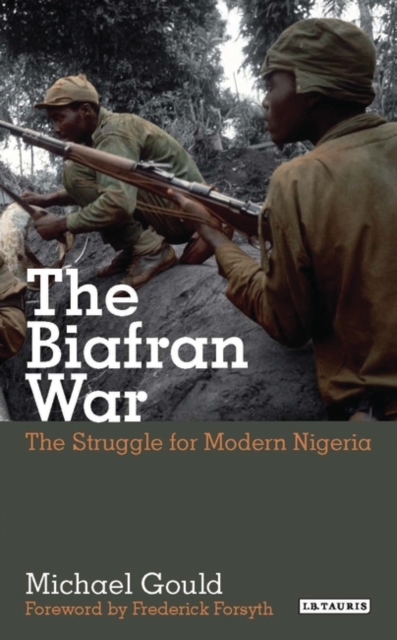
International media coverage in the 1960s and early 1970s represented the Biafran War, in which the state of Biafra attempted to secede from the Nigerian Federation, as a grand humanitarian disaster, characterised by sustained conflict, starvation and genocide.
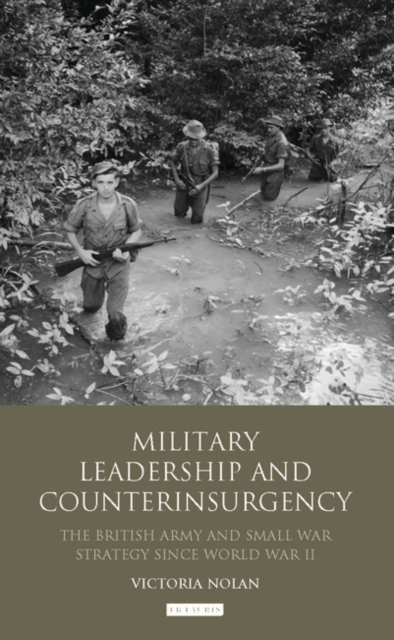
Offering a unique and original perspective on Britain's 'Small Wars' leadership culture - this title is an essential reading for serving soldiers and scholars of military studies.
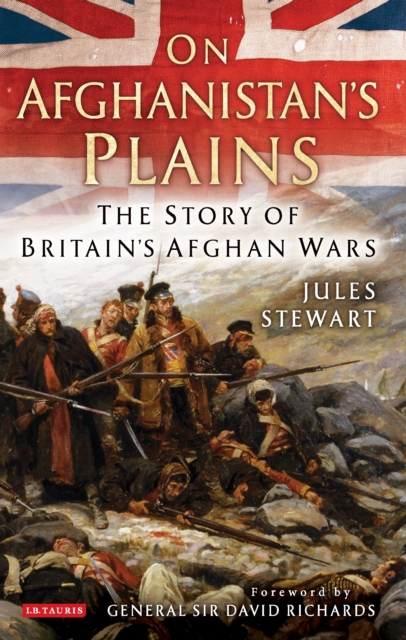
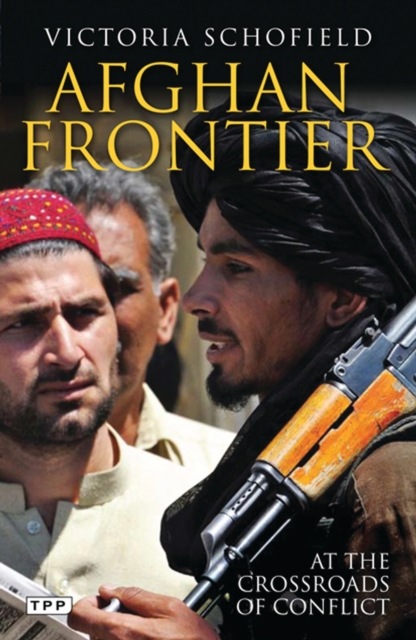
Britain's military involvement in Afghanistan is a contentious subject, yet it is often forgotten that the current conflict is in fact the fourth in a string of such wars dating back as far as the early nineteenth century.
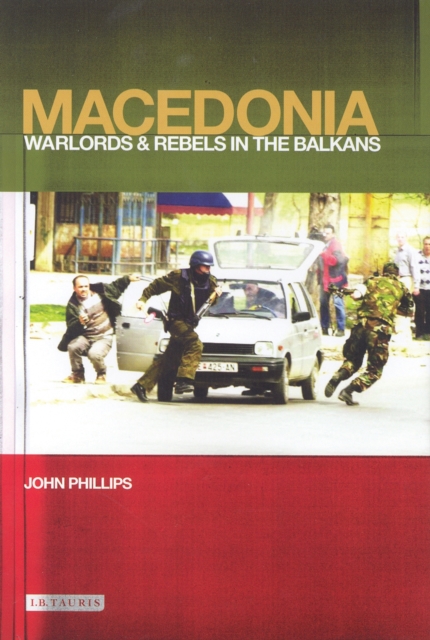
A bloody rebellion by Albanian guerrillas demanding equal rights in Macedonia has killed and wounded thousands of people and led to fears that the crisis will embroil Kosovo, Albania, Bulgaria and Greece.
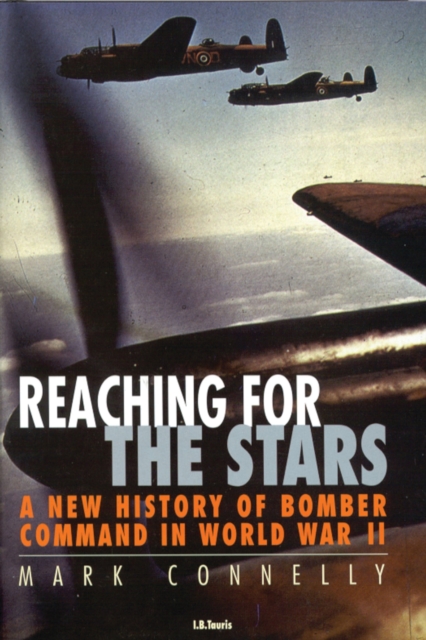
_Reaching for the Stars_ shows why Bomber Command, in one of the largest and bloodiest campaigns of the war, with 55,000 aircrew lost and more officer fatalities than in World War I, has received so much attention and yet remains a 'lost and black sheep' among British wartime achievements.
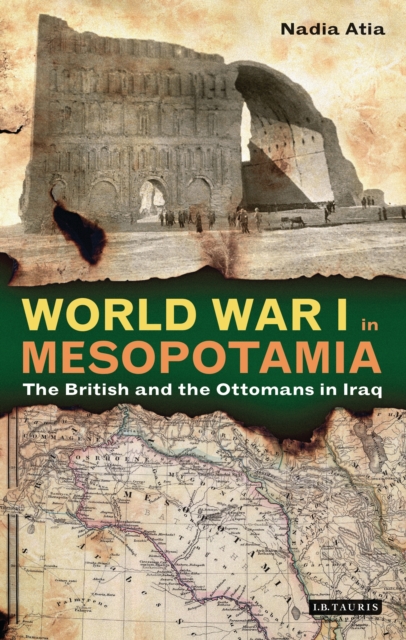
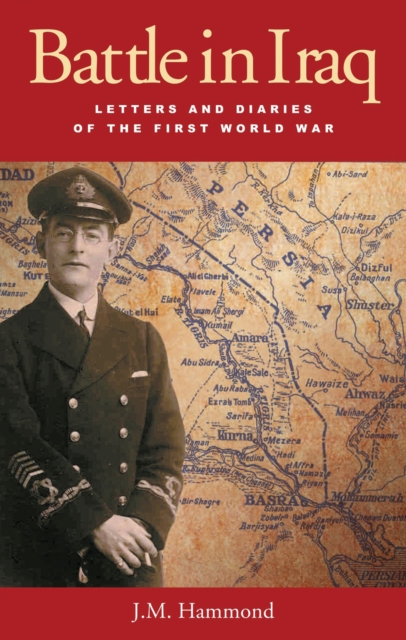
This moving and unusual story of a British engineer who becomes caught up in the horrifying events of the First World War vividly illuminates life - and death - on the Mesopotamian Front.
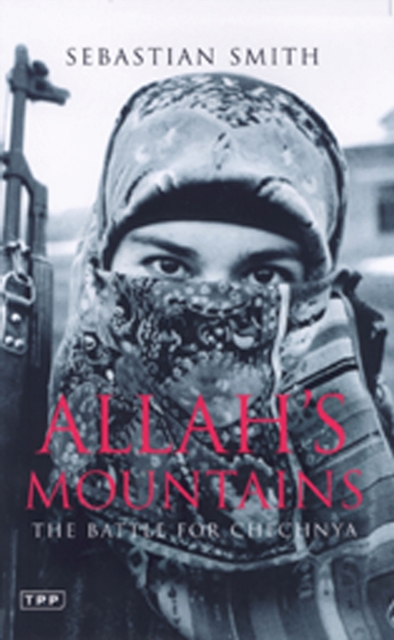
A mixture of travelogue, history and war journalism, Allah's Mountains tells the story of the conflict between a nation of mountain tribes and the might of the Russian army.
'The most dangerous place in the world' - Barack ObamaThe borderlands of Afghanistan and Pakistan have become the arena for a global conflict with consequences that defy prediction.
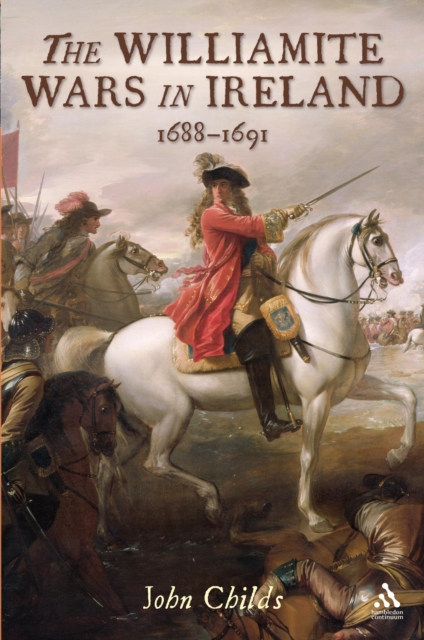
The comprehensive defeat of the Jacobite Irish in the Williamite conflict, a component within the pan-European Nine Years' War, prevented the exiled James II from regaining his English throne, ended realistic prospects of a Stuart restoration and partially secured the new regime of King William III and Queen Mary created by the Glorious Revolution.
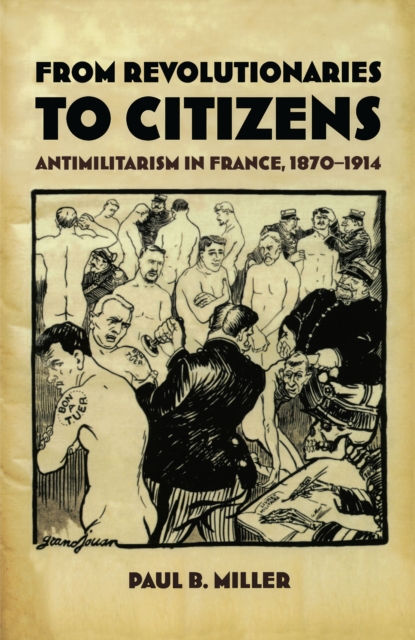
From Revolutionaries to Citizens is the first comprehensive account of the most important antiwar campaign prior to World War I: the antimilitarism of the French Left.
WINNER, ADULT NONFICTION BOOK OF THE YEAR AWARD BY THE ALABAMA LIBRARY ASSOCIATION WINNER, CLINTON JACKSON COLEY AWARD FROM THE ALABAMA HISTORICAL ASSOCIATION Uncovering the Forgotten Battle That Changed a Nation.
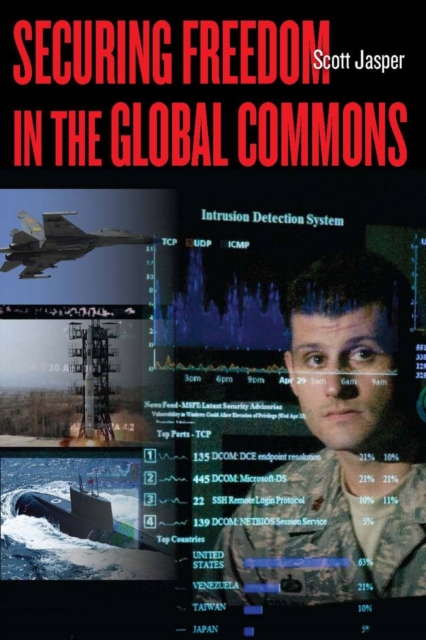
The new millennium has brought with it an ever-expanding range of threats to global security: from cyber attacks to blue-water piracy to provocative missile tests.
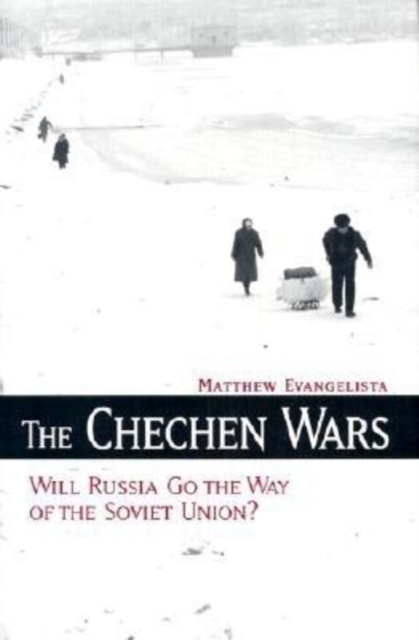
Following the breakup of the Soviet Union, Boris Yeltsin improvised a system of "e;asymmetric federalism"e; to help maintain its successor state, the Russian Federation.
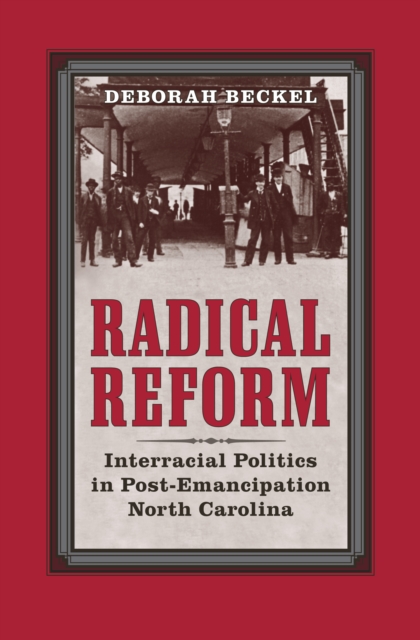
The African American experience in Virginia's Shenandoah Valley from the antebellum period through ReconstructionThis book examines the complexities of life for African Americans in Virginias Shenandoah Valley from the antebellum period through Reconstruction.
The African American experience in Virginia's Shenandoah Valley from the antebellum period through ReconstructionThis book examines the complexities of life for African Americans in Virginias Shenandoah Valley from the antebellum period through Reconstruction.