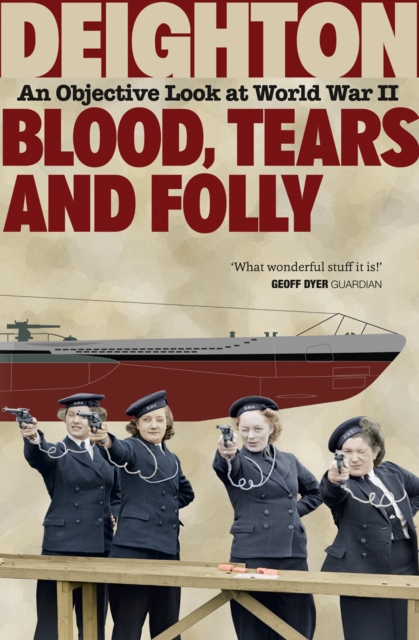
Drawing on the author's deep understanding of military life and the strengths and frailties of politicians and generals, this is a myth-puncturing analysis of the advent of the Second World War.
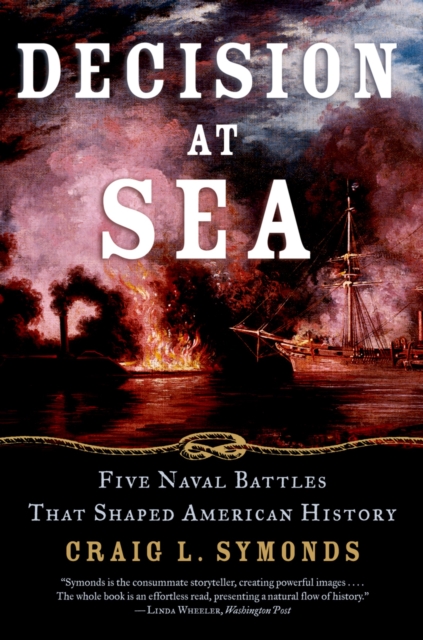
From thunderous broadsides traded between wooden sailing ships on Lake Erie, to the carrier battles of World War II, to the devastating high-tech action in the Persian Gulf, here is a gripping history of five key battles that defined the evolution of naval warfare--and the course of the American nation.
This first volume in A Treatise on Northern Ireland illuminates how British colonialism shaped the formation and political cultures of what became Northern Ireland and the Irish Free State.
This first volume in A Treatise on Northern Ireland illuminates how British colonialism shaped the formation and political cultures of what became Northern Ireland and the Irish Free State.
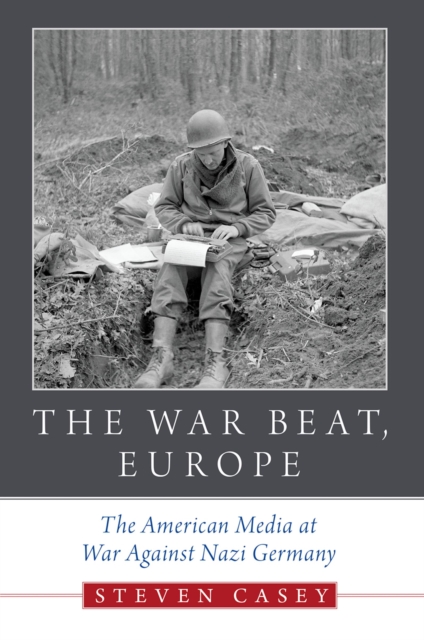
From the North African desert to the bloody stalemate in Italy, from the London blitz to the D-Day beaches, a group of highly courageous and extremely talented American journalists reported the war against Nazi Germany for a grateful audience.
From the North African desert to the bloody stalemate in Italy, from the London blitz to the D-Day beaches, a group of highly courageous and extremely talented American journalists reported the war against Nazi Germany for a grateful audience.
'A superb little book that is micro-history at its best' Washington Post'The brevity of this remarkable book belies the amount of work that went into it.
In 1942 Cora Johnston is grieving over the death of her young husband, torpedoed in the Atlantic; Aileen Morris is intercepting Luftwaffe communications during the siege of Malta - and Clara Milburn, whose son was captured after Dunkirk, is waiting, and waiting .
THE INTERNATIONAL NUMBER ONE BESTSELLER 'Magnificent, vivid, moving, superb' Max Hastings, Sunday Times______________This is the closest you will ever get to war - the taste, the smell, the noise and the fearThe Normandy Landings that took place on D-Day involved by far the largest invasion fleet ever known.
* * * Special 75th Anniversary Edition * * * Hugh Sebag-Montefiore's Dunkirk: Fight to the Last Man tells the story of the rescue in May 1940 of British soldiers fleeing capture and defeat by the Nazis at Dunkirk.
From best-selling author of Tail-End Charlie and Tornado Down comes this powerful and deeply moving account of Bomber Command's 1944 Nuremberg Raid - the RAF's bloodiest night of the Second World WarMore men from Royal Air Force Bomber Command died on one single night of the Second World War than the total RAF aircrew losses during the whole of the four-month-long Battle of Britain.
A thoroughly updated history of the legendary French Foreign Legion by the bestselling author of Who Dares WinsTony Geraghty analyses the legend and re-examines the battle honours of the Foreign Legion, and his revelations illuminate the darker side of its historic relationship to the motherland.
In this fully illustrated ebook, TV's Dan Snow brings to life a cavalcade of medieval fortifications and allows the reader to experience the clashes up close.
An extraordinary story of war and friendship from one of America's most revered authors of the 20th CenturyTwo teenagers form an unlikely friendship in pre-War Philadelphia.
Operation Fortitude was the ingenious web of deception spun by the Allies to mislead the Nazis as to how and where the D-Day landings were to be mounted.
Between the Sack of Rome by the Gauls in 390 BC and the middle of the second century BC, a part-time army of Roman peasants, under the leadership of the ruling oligarchy, conquered first Italy and then the whole of the Mediterranean.
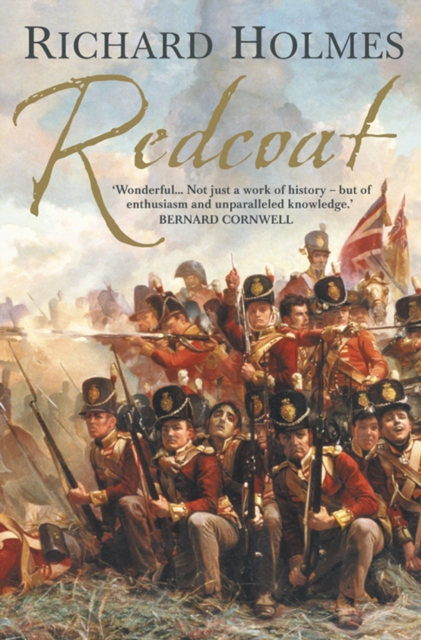
Redcoat is the brilliant story of the common British soldier from 1700 to 1900, based on the letters and diaries of the men who served and the women who followed them.
This popular history of the English Civil War tells the story of the bloody conflict between Oliver Cromwell and Charles I from the perspectives of those involved.
This joint WWII biography of Roosevelt, Churchill, Marshall, and Brooke "e;is a triumph of vivid description, telling anecdotes, and informed analysis"e; (The New York Review of Books).
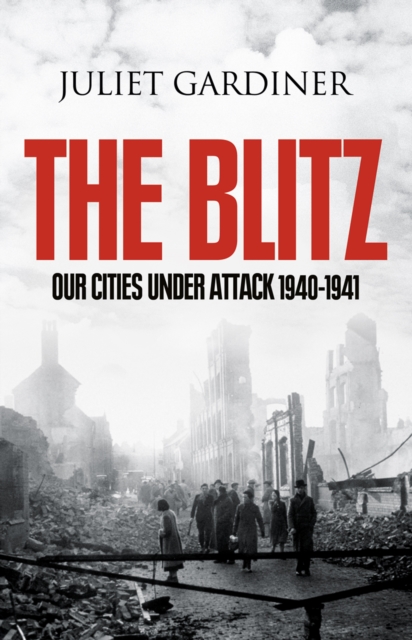
In a series of powerful accounts drawn from diaries, letters, sound archives and interviews recorded during the period of devastation, discovery and transformation that make the blitz such an outstanding event in Britain's recent past, "e;The Blitz"e; brings to life the intense experiences, as they happened all over Britain.
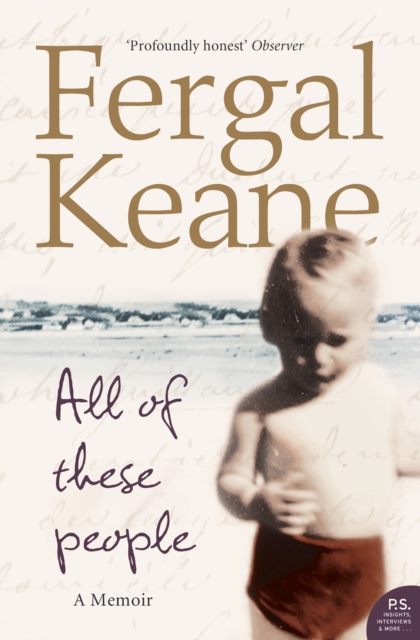
In a memoir of staggering power and candour, award-winning journalist Fergal Keane addresses his experience of wars of different kinds, some very public and others acutely personal.
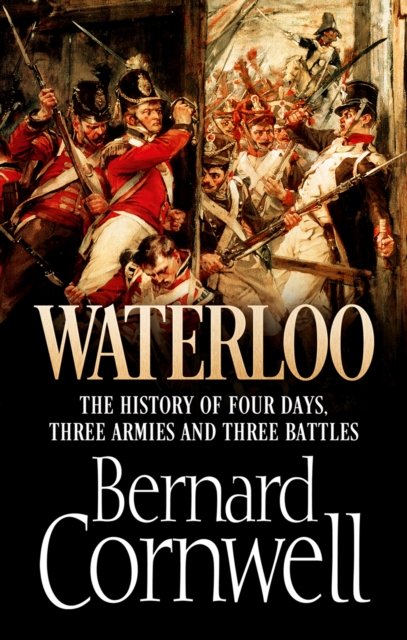
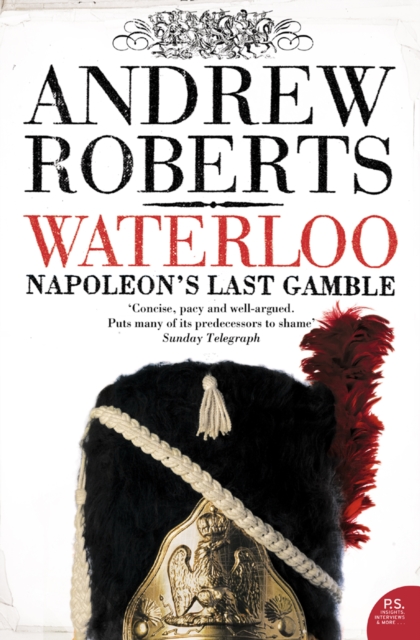
Part of the 'Making History Series' - Waterloo is an exciting retelling of one of the moments that shook the world - Waterloo, one of the truly decisive battles of history.