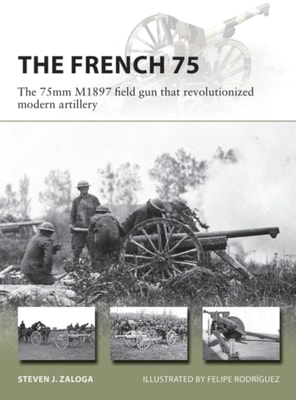
The 'Soixante quinze', France's legendary 75mm Modele 1897, was the first modern field gun, pioneering several critical innovations in field artillery designs, including a fast action breech and a soft recoil system.
The 'Soixante quinze', France's legendary 75mm Modele 1897, was the first modern field gun, pioneering several critical innovations in field artillery designs, including a fast action breech and a soft recoil system.
A highly illustrated study of this unique and bitter struggle in the far North, an epic battle between two elite forces fighting in a demanding environment.
This book chronicles the story of the single most daring Special Forces operation since World War Two - Operation Barras; the attempted rescue by the SAS of the British Forces who were being held captive by guerrilla gang the West Side Boys in the Sierra Leone jungle.
"e;A must read for all Damien Lewis fans"e; Compass ---------------------------------------------------------The most explosive true war story of the 21st Century It is the winter of 2001.
The landmark expos of incompetent leadership on the Western Front - why the British troops were lions led by donkeys On 26 September 1915, twelve British battalions a strength of almost 10,000 men were ordered to attack German positions in France.
Genghis Khan was by far the greatest conqueror the world has ever known, whose empire stretched from the Pacific Ocean to central Europe, including all of China, the Middle East and Russia.
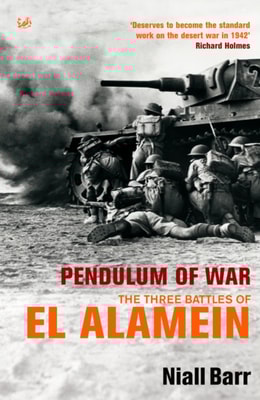
In late June 1942, the dispirited and defeated British Eighth Army was pouring back towards the tiny railway halt of El Alamein in the western desert of Egypt.
In 1879, armed only with their spears, their rawhide shields, and their incredible courage, the Zulus challenged the might of Victorian England and, initially, inflicted on the British the worst defeat a modern army has ever suffered at the hands of men without guns.
Late in the morning of 27 May 1941, the German battleship Bismarck was sunk by an overwhelming British armada in a fierce battle that lasted ninety minutes.
If you like Simon Scarrow and Ben Kane, you'll absolutely love this enthralling and action-packed novel of Roman adventure from bestselling author Douglas Jackson.
An inside look at the work and adventures of Harry Hopkins and Averell Harriman in the creation of history's most remarkable international partnershipAfter the fall of France in June 1940, London became the center of world political theater.
SURVIVOR STORIES FROM DUNKIRK, NOW THE SUBJECT OF A MAJOR FILM FROM CHRISTOPHER NOLANWhen Britain declared war against Germany in September 1939, thousands of young men sailed across the English Channel to fight for their country.
A mixture of travelogue, history and war journalism, Allah's Mountains tells the story of the conflict between a nation of mountain tribes and the might of the Russian army.
On 1 January 1942, Churchill and Roosevelt issued a 'Declaration by United Nations' with 24 other states, forging a military alliance based on human rights principles that included China, India and the Soviet Union.
The Holocaust - the murder of approximately six million Jews by Nazi Germany and its collaborators in World War Two - is the gravest crime in recorded history, committed on a human and geographical scale which is almost unimaginable.
Examining refugees of Civil War-era North Carolina, Driven from Home reveals the complexity and diversity of the war's displaced populations and the inadequate responses of governmental and charitable organizations as refugees scrambled to secure the necessities of daily life.
This annotated edition of General Hodges's WWII diary offers a unique firsthand account of the First US Army from D-Day to V-E Day: "e;a fascinating book"e; (Bowling Green Daily News).
'An important contribution to our recent history' ANDREW MARR'Absorbing and important' JOAN BAKEWELL'One of my favourite reads of 2021' GARETH RUSSELLPoignant and inspiring, Women in the War tells the first-hand stories of ten of the last surviving female members of Britain's 'Greatest Generation'.
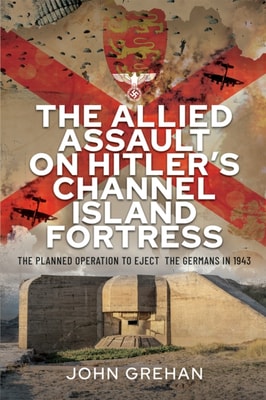
Incredible as it may seem today, detailed plans were drawn up to recapture the Channel Islands, the most heavily fortified of all the German-occupied territories, regardless of the potentially 'severe' loss of life and the widespread destruction to the property of the British citizens.
Incredible as it may seem today, detailed plans were drawn up to recapture the Channel Islands, the most heavily fortified of all the German-occupied territories, regardless of the potentially 'severe' loss of life and the widespread destruction to the property of the British citizens.
Dog Soldiers tells the story of two brave young 'dog soldiers' (Army bomb dog handlers), killed in action in Afghanistan with their dogs by their side, through the inspirational words of their mothers.
Linda Polman's We Did Nothing: Why the truth doesn't always come out with the UN goes in is an eye-opening account of peace-keeping operations across the globe.