The use of biological warfare (BW) agents by states or terrorists is one of the world's most frightening security threats but, thus far, little attention has been devoted to understanding how to improve policies and procedures to identify and attribute BW events.
Frank Dell’s experience as a Second World War pilot with the Royal Air Force’s Light Night Striking Force takes an even more dramatic turn when his Mosquito is shot down over Germany on the night of 14/15 October 1944.
Nuclear Reactions explores the nuclear consensus that emerged in postWorld War II America, characterized by widespread support for a diplomatic and military strategy based on nuclear weapons and a vision of economic growth that welcomed nuclear energy both for the generation of electricity and for other peaceful and industrial uses.
This book traces the triangular strategic relationship of India, Pakistan and China over the second half of the twentieth century, and shows how two enmities - Sino-Indian and Indo-Pakistani - and one friendship - Sino-Pakistani - defined the distribution of power and the patterns of relationships in a major centre of gravity of international conflict and international change.
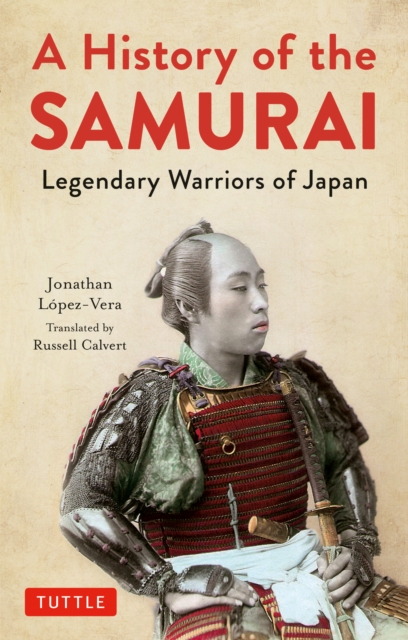
A History of the Samurai tells the complete story of Japan's legendary warrior class from beginning to endan epic tale of intrigue, bloodshed and bravery that is central to an understanding of the Japanese character and of Japanese history.
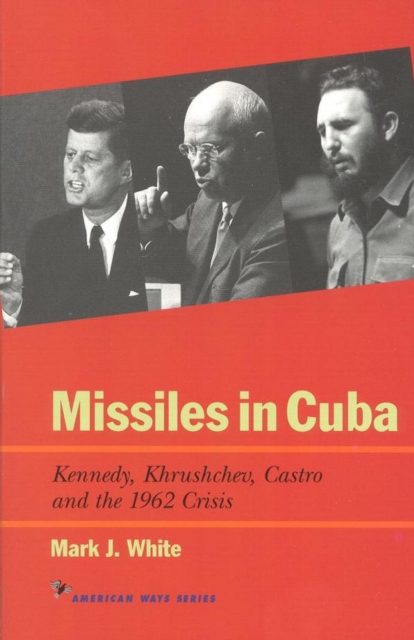
For many years historians of the Cuban missile crisis have concentrated on those thirteen days in October 1962 when the world teetered on the brink of nuclear war.
It was not Robert Oppenheimer who built the bomb--it was engineers, chemists and young physicists in their twenties, many not yet having earned a degree.
Trust, but Verify uses trust-with its emotional and predictive aspects-to explore international relations in the second half of the Cold War, beginning with the late 1960s.
***Selected for the 2010 Chief of the United States Air Force's Reading List***This one-volume anthology provides a comprehensive analysis of the role that air power has played in military conflicts over the past century.
In the wake of California's energy crisis, policymakers' rush to satisfy growing demand requirements may run the risk of naively ignoring the larger issues and dangers associated with increased reliance on nuclear power.
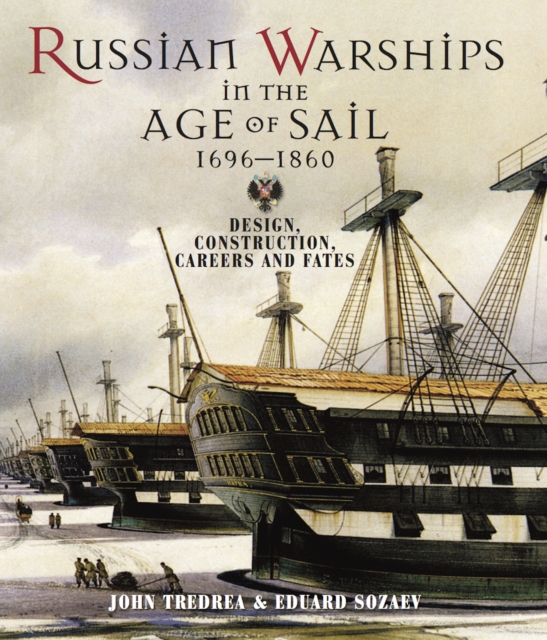
Peter the Great created the Russian navy from nothing, but it soon surpassed Sweden as the Baltic naval power, while in the Black Sea it became an essential tool in driving back the Ottoman Turks from Europe.
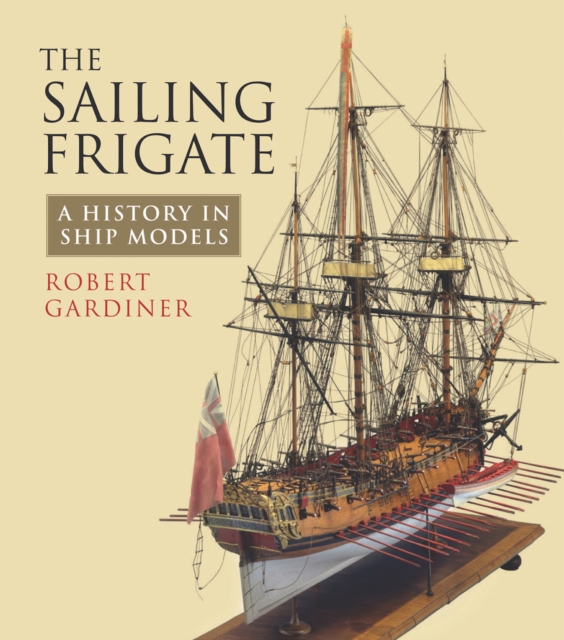
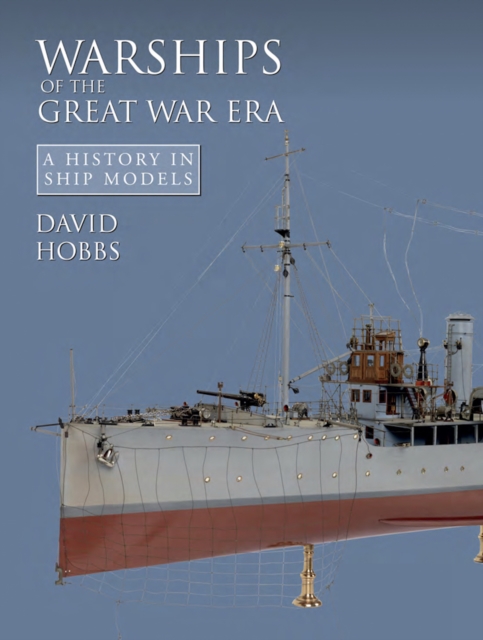
The National Maritime Museum in Greenwich houses the largest collection of scale ship models in the world, many of which are contemporary artifacts made by the craftsmen of the navy or the shipbuilders themselves, ranging from the mid-seventeenth century to the present day.
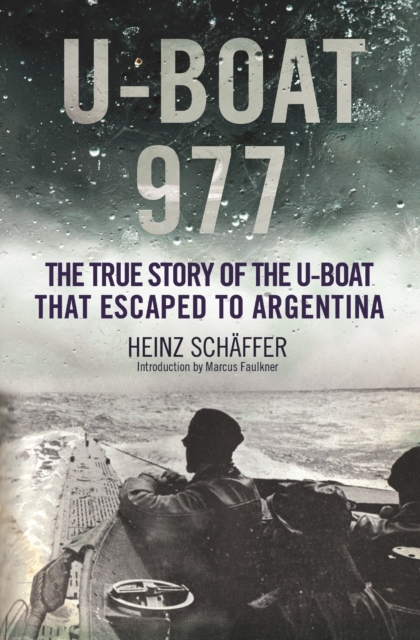
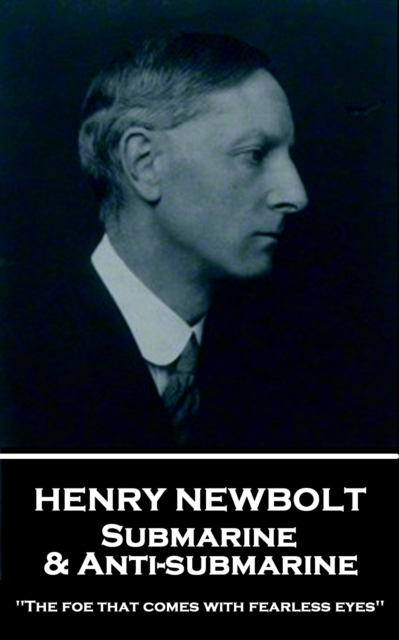
When it was first published in 1953, opinions were sharply divided between those who deplored the apparent extolling of a vicious form of warfare, and this who found in Heinz Schaeffer’s account a revealing picture of the German Navy’s training and methods.
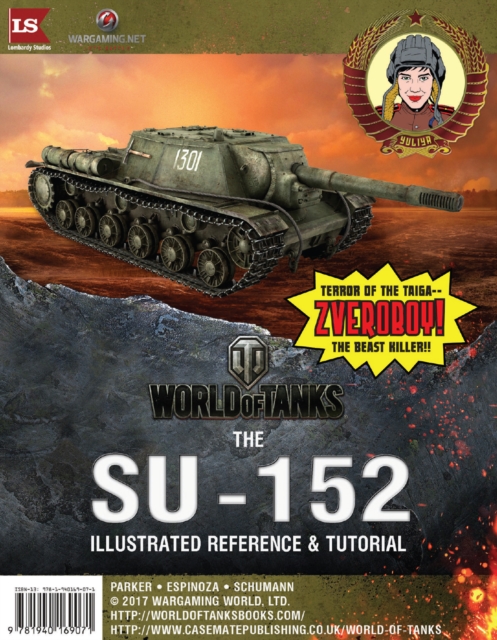
Featuring the art and images from World of Tanks, plus additional illustrations, the story of the SU-152 is told in graphic form along with tips on how to play with the SU-152 in the multi-player online game World of Tanks.
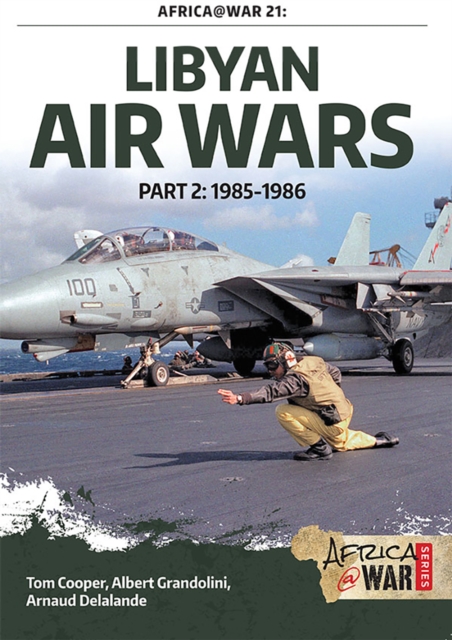
While the first volume in this mini-series spanned the first decade of confrontations between Libya and several of its neighbors, but foremost the USA and France, between 1973 and 1985, the second is to cover the period of less than a year – between mid-1985 and March 1986, when this confrontation reached its first climax.
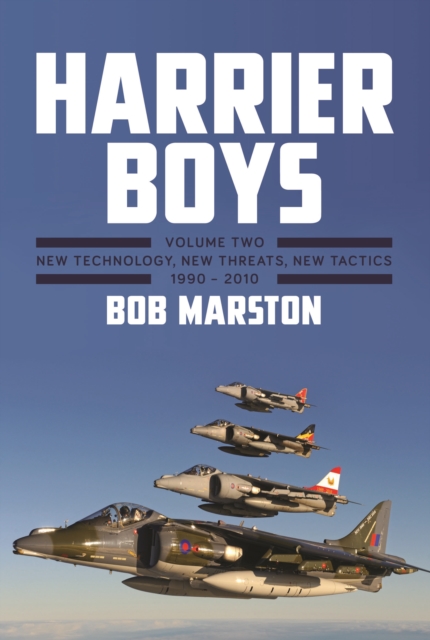
In the second volume of Harrier Boys, as with the first, the history of this remarkable aircraft in service with UK armed forces is illustrated through personal reminiscences of the people who worked with it.
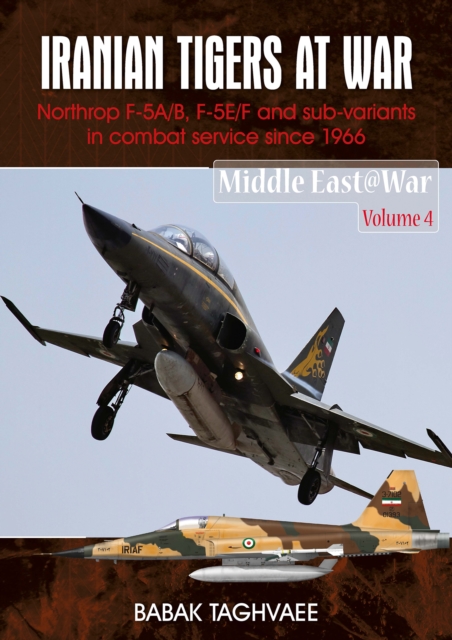
The development of the F-5 lightweight supersonic fighter in the mid 1950s was almost a gamble for the Northrop Corporation, but ultimately resulted in one of most commercially successful combat aircraft in modern history.
Under the leadership of a sagacious and patriotic ruler, who wasn't only cautious about the security of his state but was acting to stabilize worldwide peace by means of keeping the Middle East secure from the danger of Communism, the third most powerful Army Aviation in the world was born and flourished, its efficiency proven during its role defending Iran during the war with Iraq, 1980-88.
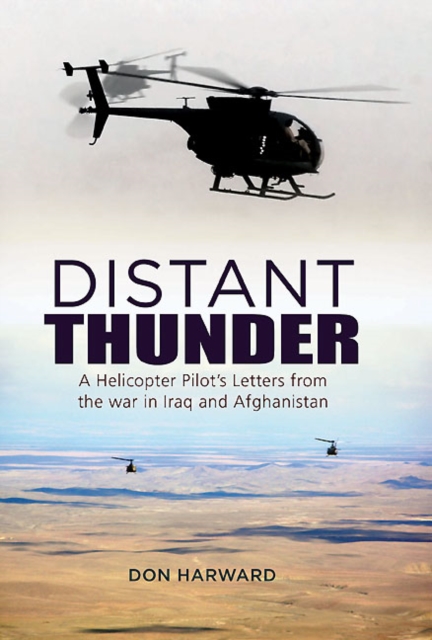
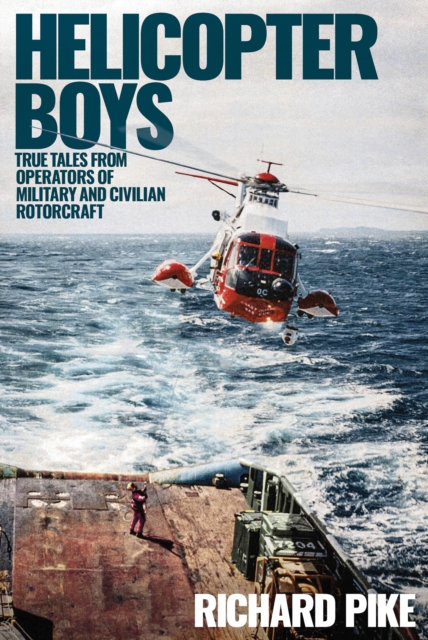
Helicopter Boys is the latest addition to Grub Street’s Boys series from acclaimed author Richard Pike exploring the role of helicopters in military and civilian situations.
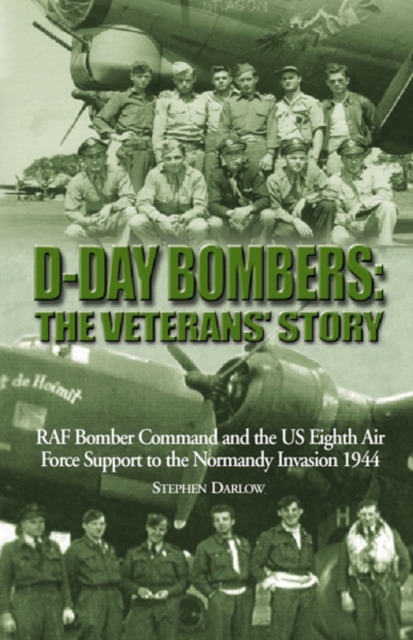
This book is largely an eye-witness account of the heavy bomber contribution to the success of the D-Day landings and therefore to the winning of the war in Europe.
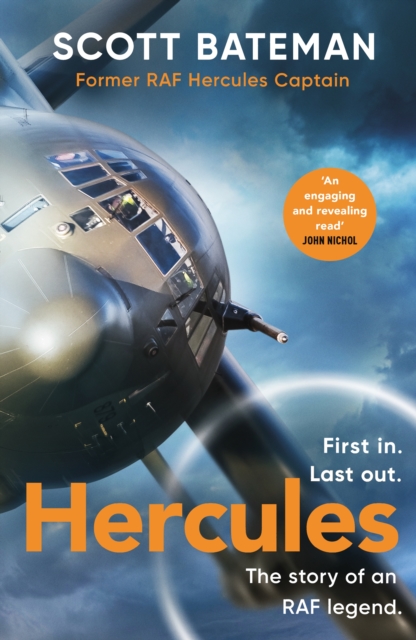
THE SUNDAY TIMES TOP 10 BESTSELLERRead the legendary story of the Lockheed C-130 Hercules aircraft, seen through the eyes of former RAF captain Scott Bateman'An engaging and revealing read' JOHN NICHOL---Anytime, Anywhere, Anyhow.
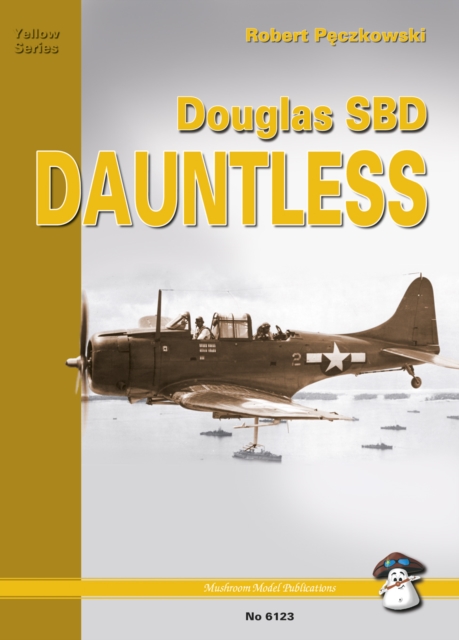
The “Slow But Deadly” Dauntless was the US Navy’s premier carrier-borne dive bomber, and proved immensely successful in all the major Pacific naval campaigns of WW2.
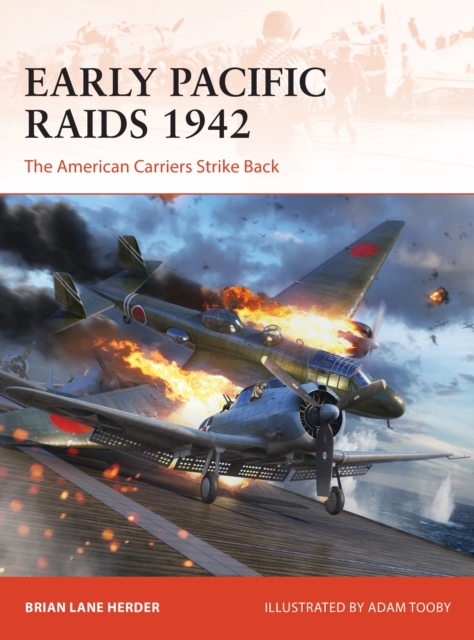
A fascinating exploration of how between February 1 and March 10, 1942, three small US task forces launched several unexpected raids across the Japanese defensive perimeter in the Central and South Pacific.