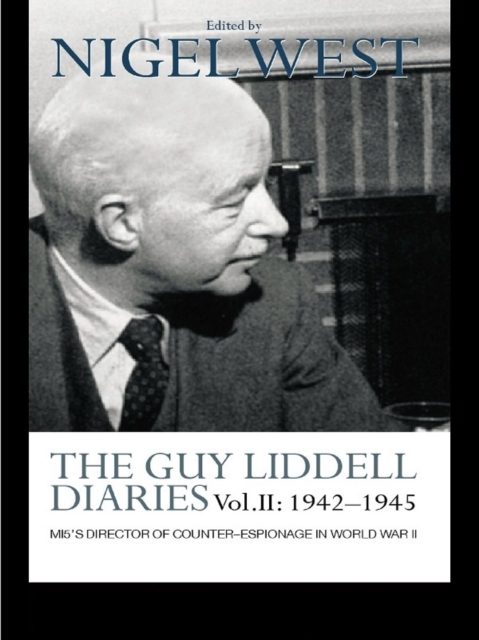
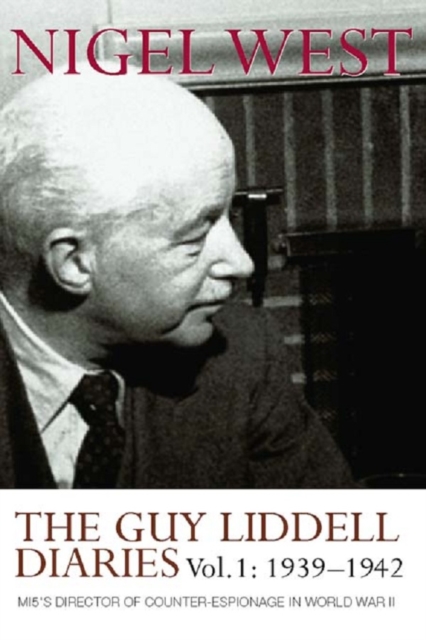
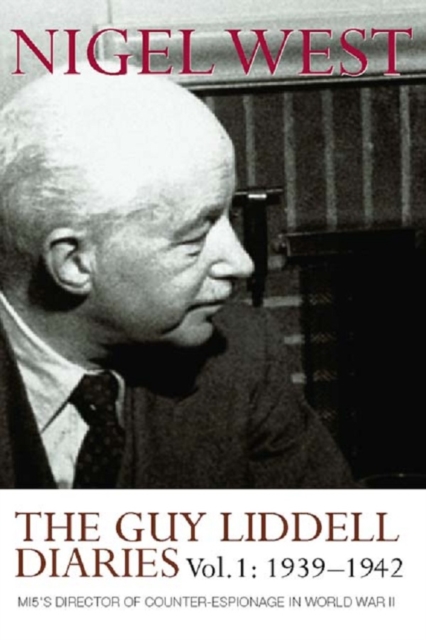
WALLFLOWERS is the codename given to one of the Security Service's most treasured possessions, the daily journal dictated from August 1939 to June 1945 by MI5's Director of Counter-Espionage, Guy Liddell, to his secretary, Margo Huggins.
This is the first volume of Nigel West's acclaimed presentation of these fascinating diaries from the heart of Britain's Second World War intelligence operations.
This is the first volume of Nigel West's acclaimed presentation of these fascinating diaries from the heart of Britain's Second World War intelligence operations.
This important new book explores the strategic reasons behind the proliferation of nuclear, biological and chemical weapons as well as ballistic missile delivery systems in the Greater Middle East.
This important new book explores the strategic reasons behind the proliferation of nuclear, biological and chemical weapons as well as ballistic missile delivery systems in the Greater Middle East.
This volume shows us that in order to deal with today's Fourth Generation asymmetric warfare by terrorist groups using conventional arms and weapons of mass destruction, we need a new 'global networked' approach.
This volume shows us that in order to deal with today's Fourth Generation asymmetric warfare by terrorist groups using conventional arms and weapons of mass destruction, we need a new 'global networked' approach.
The mysterious life and career of Desmond Morton, Intelligence officer and personal adviser to Winston Churchill during the Second World War, is exposed for the first time in this study based on full access to official records.
The mysterious life and career of Desmond Morton, Intelligence officer and personal adviser to Winston Churchill during the Second World War, is exposed for the first time in this study based on full access to official records.
This book is a ground-breaking analysis of the India-Pakistan nuclear confrontation as a form of 'cold war' - that is, a hostile relationship between nuclear rivals.
This book is a ground-breaking analysis of the India-Pakistan nuclear confrontation as a form of 'cold war' - that is, a hostile relationship between nuclear rivals.
This fascinating new collection of essays on Britain's Special Operations Executive (SOE) explores the 'non-military' aspects of British special operations in the Second World War.
This fascinating new collection of essays on Britain's Special Operations Executive (SOE) explores the 'non-military' aspects of British special operations in the Second World War.
There is a widely held belief in the imminent probability of nuclear, chemical, or biological weapons of mass destruction being used by terrorists against civilian targets.
There is a widely held belief in the imminent probability of nuclear, chemical, or biological weapons of mass destruction being used by terrorists against civilian targets.
This book explores the innovations and advances in terrorist tactics and technologies to help fill the gap in the contemporary terrorism literature by developing an empirical theory of terrorist innovation.
This book explores the innovations and advances in terrorist tactics and technologies to help fill the gap in the contemporary terrorism literature by developing an empirical theory of terrorist innovation.
This edited volume examines the impact of globalisation on the economies, security policies and military-industrial complexes of the Asia-Pacific region.
This edited volume examines the impact of globalisation on the economies, security policies and military-industrial complexes of the Asia-Pacific region.
This book addresses the critical importance of understanding innovation and decision-making between terrorist groups and unconventional weapons, and the difficulty in pinpointing what factors may drive violence escalation.
This book addresses the critical importance of understanding innovation and decision-making between terrorist groups and unconventional weapons, and the difficulty in pinpointing what factors may drive violence escalation.
Gives readers a detailed understanding of how specific biological weapons work and how those affected by the weapons would be treated Teaches the reader to recognize the symptoms of each biological weapon and understand the threat these weapons pose Concentrates on the weapons considered the greatest threats by the CDC such as Anthrax, Botulism, Smallpox, Ricin toxin, Ebola, Plague, and Viral encephalitis Provides a detailed understanding of how specific biological weapons work and how to recognize the symptoms of those affected by the weapons as well as how they would be treated Includes case studies, chapter review questions, and the instructor s supplemental materials include PowerPoint presentations, a Test Bank, and suggestions for student projects Begins with a primer on microbiology, the human immune system s response to these biological agents, and the defense agencies involved with protecting the public against these agents
Gives readers a detailed understanding of how specific biological weapons work and how those affected by the weapons would be treated Teaches the reader to recognize the symptoms of each biological weapon and understand the threat these weapons pose Concentrates on the weapons considered the greatest threats by the CDC such as Anthrax, Botulism, Smallpox, Ricin toxin, Ebola, Plague, and Viral encephalitis Provides a detailed understanding of how specific biological weapons work and how to recognize the symptoms of those affected by the weapons as well as how they would be treated Includes case studies, chapter review questions, and the instructor s supplemental materials include PowerPoint presentations, a Test Bank, and suggestions for student projects Begins with a primer on microbiology, the human immune system s response to these biological agents, and the defense agencies involved with protecting the public against these agents
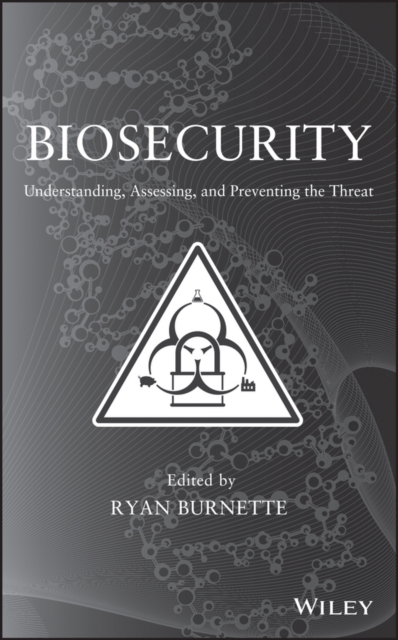
Learn how to assess and prevent biosecurity threats to protect public health and national security With contributions from experts in all facets of biosecurity, this book explains the fundamental elements of biosecurity as well as the related concepts of biosafety and biosurety, detailing how all three concepts fit within the framework of biodefense.
Learn how to assess and prevent biosecurity threats to protect public health and national security With contributions from experts in all facets of biosecurity, this book explains the fundamental elements of biosecurity as well as the related concepts of biosafety and biosurety, detailing how all three concepts fit within the framework of biodefense.
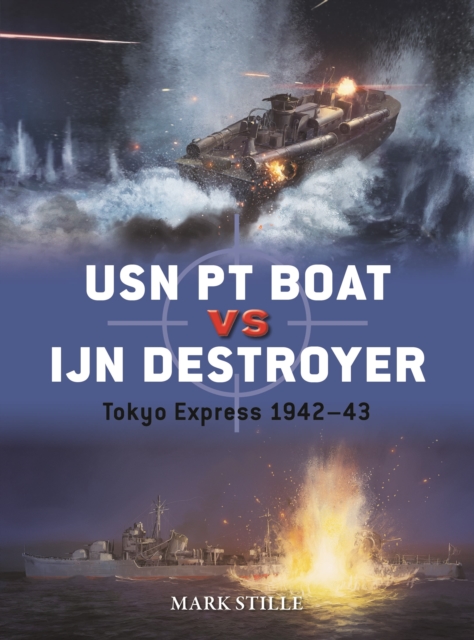
This fully illustrated book assesses the trial of strength between US Navy PT boats and Japanese destroyers operating in the Solomon Islands during 1942 43.
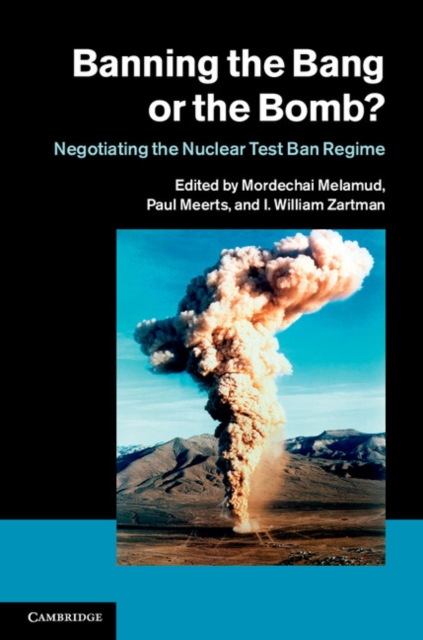
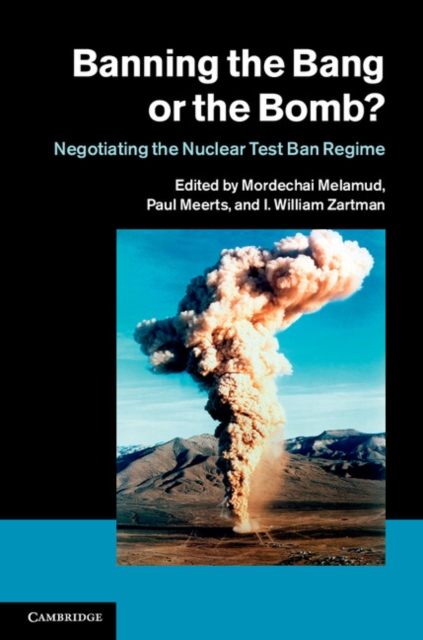
Analyses the expansion of the nuclear arms control regime, evaluating Comprehensive Test Ban Treaty negotiations and preparations for on-site inspections.
Analyses the expansion of the nuclear arms control regime, evaluating Comprehensive Test Ban Treaty negotiations and preparations for on-site inspections.
National security, war and strategy are mostly considered male preserves across the world even when, as professional scholars or policy practitioners, women have made significant contributions.
This book explains how and why the nuclear nonproliferation regime has been successful, even without the characteristics usually seen in effective institutions.