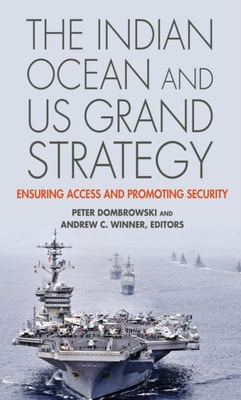
Taken for granted as the natural order of things, peace at sea is in fact an immense and recent achievementbut also an enormous strategic challenge if it is to be maintained in the future.
Three scenarios for future approaches to peace and conflict diplomacy, explored through the lens of regional perspectives and security threatsDiplomacy in pursuit of peace and security faces severe challenges not seen in decades.
Johannes Morsink argues that the 1948 UN Universal Declaration of Human Rights and the human rights movement today are direct descendants of revulsion to the Holocaust and the desire to never let it happen again.
How should the countries in the Baltic Sea region and their allies meet the strategic challenges posed by an openly aggressive and expansionist Russia?
Safe from the battlefields of Europe and Asia, the United States led the postWorld War II global economic recovery through international assistance and foreign direct investment.
Negotiating a peaceful end to civil wars, which often includes an attempt to bring together former rival military or insurgent factions into a new national army, has been a frequent goal of conflict resolution practitioners since the Cold War.
This book moves scholarly debates beyond the old question of whether or not international institutions matter in order to examine how they matter, even in a world of power politics.
A critical look at how Chinas growing strategic arsenal could impact a rapidly changing world orderChinas strategic capabilities and doctrine have historically differed from the United States and Russias.
Biosecurity Dilemmas examines conflicting values and interests in the practice of biosecurity, the safeguarding of populations against infectious diseases through security policies.
NATOs 2010 Strategic Concept officially broadened the alliances mission beyond collective defense, reflecting a peaceful Europe and changes in alliance activities.
A penetrating analysis of weaponized informationone of the most pressing dangers to open societiesNow more than ever, communities across the world are integrated into a complex, global information ecosystem that shapes the nature of social, political, and economic life.
Cyber weapons and the possibility of cyber conflictincluding interference in foreign political campaigns, industrial sabotage, attacks on infrastructure, and combined military campaignsrequire policymakers, scholars, and citizens to rethink twenty-first-century warfare.
Students and enthusiasts of American history are familiar with the Revolutionary War spies Nathan Hale and Benedict Arnold, but few studies have closely examined the wider intelligence efforts that enabled the colonies to gain their independence.
A fresh perspective on statecraft in the cyber domainThe idea of cyber war has played a dominant role in both academic and popular discourse concerning the nature of statecraft in the cyber domain.
Cyber Blockades is the first book to examine the phenomena of blockade operations in cyberspace, large-scale attacks on infrastructure or systems that aim to prevent an entire state from sending or receiving electronic data.
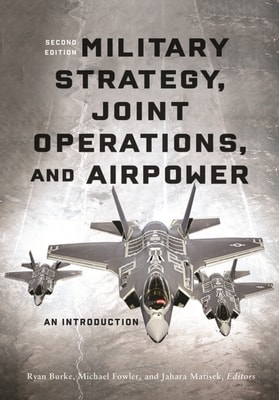
An essential introduction to contemporary strategy at the operational level of war, now in its second editionMilitary Strategy, Joint Operations, and Airpower introduces contemporary strategy at the operational level of war, particularly as it relates to airpower.
A groundbreaking account of Pakistans rise as a nuclear power draws on elite interviews and primary sources to challenge long-held misconceptionsPakistans pathway to developing nuclear weapons remains shrouded in mystery and surrounded by misconceptions.
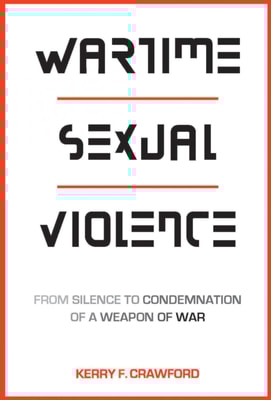
Reports of sexual violence in armed conflict frequently appear in political discussions and news media, presenting a stark contrast to a long history of silence and nonrecognition.
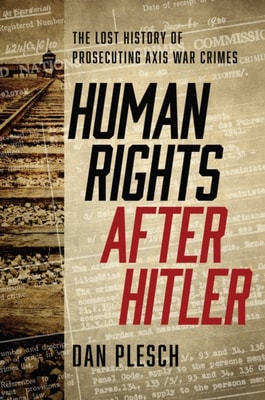
Human Rights after Hitler reveals thousands of forgotten US and Allied war crimes prosecutions against Hitler and other Axis war criminals based on a popular movement for justice that stretched from Poland to the Pacific.
While the president is the commander in chief, the US Congress plays a critical and underappreciated role in civil-military relationsthe relationship between the armed forces and the civilian leadership that commands it.
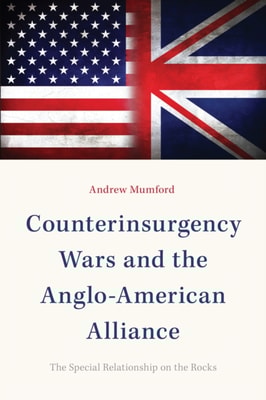
Andrew Mumford challenges the notion of a special relationship between the United States and United Kingdom in diplomatic and military affairs, the most vaunted and, he says, exaggerated of associations in the post-1945 era.
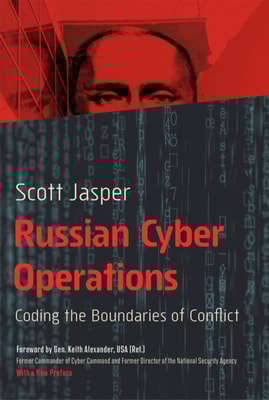
Russia has deployed cyber operations to interfere in foreign elections, launch disinformation campaigns, and cripple neighboring statesall while maintaining a thin veneer of deniability and avoiding strikes that cross the line into acts of war.