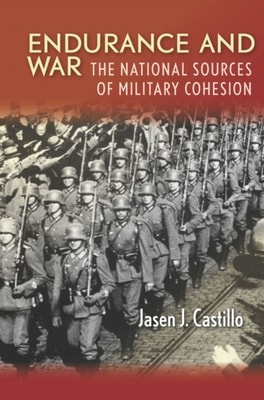
Scholars and military practitioners alike have long sought to understand why some country's militaries fight hard when facing defeat while others collapse.
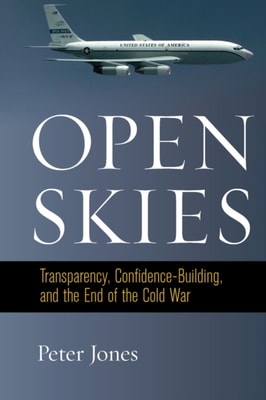
This book recounts and analyzes the history of one of the best-kept diplomatic and security secrets of the last half-century-the Open Skies Treaty: a treaty that allows the U.
As entrenched bureaucracies, military organizations might reasonably be expected to be especially resistant to reform and favor only limited, incremental adjustments.
Geopolitics is the study of how the projection of power (ideological, cultural, economic, or military) is effected and affected by the geographic and political landscape in which it operates.
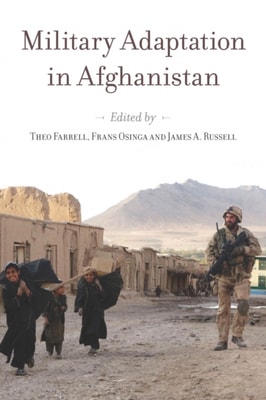
When NATO took charge of the International Security Assistance Force (ISAF) for Afghanistan in 2003, ISAF conceptualized its mission largely as a stabilization and reconstruction deployment.
Striking the Hornets' Nest provides the first extensive analysis of the Northern Bombing Group (NBG), the Navy's most innovative aviation initiative of World War I and one of the world's first dedicated strategic bombing programs.
In early December 1941 in the Philippines, a young Navy ensign named Kemp Tolley was given his first ship command, an old 76-foot schooner that had once served as a movie prop in John Ford's "e;The Hurricane.
The Naval Academy's culture is a unique and sometimes baffling phenomenon to the outside world, but with this newly updated guide in hand relatives and friends of midshipmen will find answers to all the questions they might have about Academy life.
A memoir of extraordinary scope, William Lloyd Stearman's reminiscences will attract those interested in early aviation, World War II in the Pacific, life as a diplomat behind the Iron Curtain, the Vietnam War, and the ins and outs of national security decision making in the White House.
This vivid history of the Civil War era reveals how unexpected bonds of union forged among diverse peoples in the Ohio-Kentucky borderlands furthered emancipation through a period of spiraling chaos between 1830 and 1865.
In an age where anthrax can be produced in a garage and multilateral agreements among nations seem ever harder to reach, the threat of biowarfare could rapidly spiral out of control.
In Nepal, deeply embedded structural conditions determined by gender, caste or ethnicity, religion, language, and even geography have made access to and benefits from energy resources highly uneven.
Reliable supply of 24-hour electricity in the State of Madhya Pradesh since 2014 has transformed the lives of many, including women from low-income households.
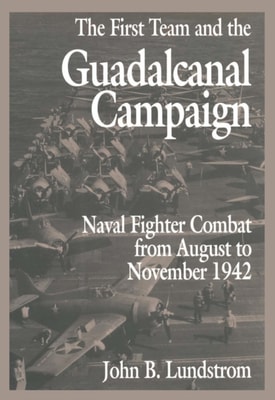
From huddled command conferences to cramped cockpits, John Lundstrom guides readers through the maelstrom of air combat at Guadalcanal in this impressively researched sequel to his earlier study.
This remarkable memoir tells the compelling story of the near-mythic British district officer who helped shape the first great Allied counteroffensive.
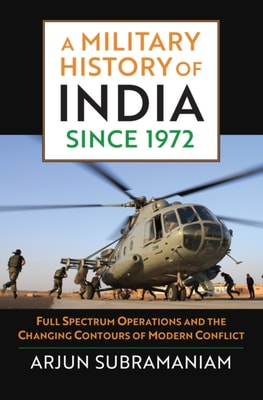
A Military History of India since 1972 is a definitive work of military history that gives the Indian military its rightful place as a key contributor to Indian democracy.
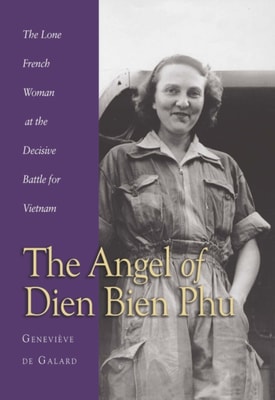
As the only French woman among some 11,000 defenders at Dien Bien Phu, Genevive de Galard had a unique perspective of the siege and fall of the French fortress.
Drawing on primary sources from both sides of the Atlantic, Britain and the Bomb explores how economic, political, and strategic considerations have shaped British nuclear diplomacy.
From Storm to Freedom analyzes and assesses the strategic interaction between Iraq and the United States from 1990 to 2009, from the perspective of a single, if discontinuous conflict.
In August 1943, the Luftwaffe began using radio-controlled anti-ship glide bombs and within weeks they had sunk one battleship, crippled another, wrecked two cruisers, and destroyed numerous merchant ships.
The German Fleet at War relates the little-known history of the Kriegsmarine's surface fleet with a focus on the sixty-nine surface naval battles fought by Germany's major warships against the large warships of the British, French, American, Polish, Soviet, Norwegian and Greek navies.
Called a great book worthy of a great man, this definitive biography of the commander in chief of the Pacific Fleet in World War II, first published in 1976 and now available in paperback for the first time, continues to be considered the best book ever written about Adm.