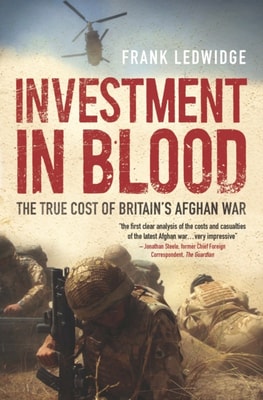
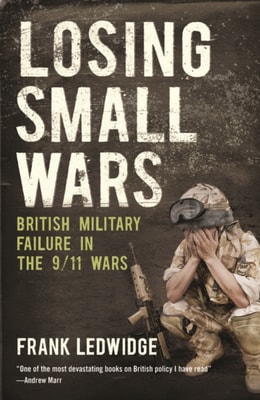
In this follow-up to his much-praised book Losing Small Wars: British Military Failure in Iraq and Afghanistan, Frank Ledwidge argues that Britain has paid a heavy cost - both financially and in human terms - for its involvement in the Afghanistan war.
The untold story of Israel’s diplomatic maneuvering in the wake of the Six Day War, which frustrated a possible peace settlement Israel’s victory in the June 1967 Six Day War provided a unique opportunity for resolving the decades-old Arab-Zionist conflict.
The first complete biography of a little-known but fascinating figure in the history of espionage and the American Revolution A man of as many names as motives, Edward Bancroft is a singular figure in the history of Revolutionary America.
The master historian John Lukacs explores lasting questions and enigmas about World War II, its consequences, and its persistent legacy Sixty-five years after the conclusion of World War II, its consequences are still with us.
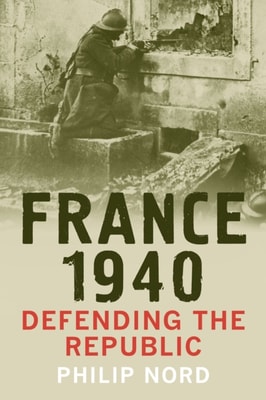
A new perspective on the calamitous fall of France in 1940 and why blame has been misplaced ever since In this revisionist account of France’s crushing defeat in 1940, a world authority on French history argues that the nation’s downfall has long been misunderstood.
A penetrating account of the dynamics of World War II’s Grand Alliance through the messages exchanged by the "Big Three" Stalin exchanged more than six hundred messages with Allied leaders Churchill and Roosevelt during the Second World War.
In this sharp, challenging memoir, Col Seth Folsom lays bare the complexities of modern military combat advisor missions at the twilight of America's longest war.
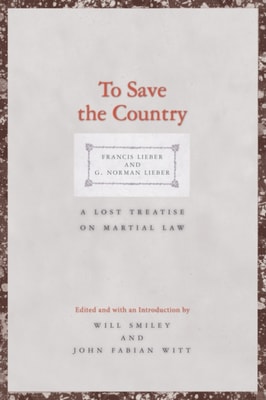
A Civil War-era treatise addressing the power of governments in moments of emergency The last work of Abraham Lincoln’s law of war expert Francis Lieber was long considered lost—until Will Smiley and John Fabian Witt discovered it in the National Archives.
An innovative reassessment of Holocaust testimony, revealing the dramatic ways in which the languages and places of postwar life inform survivor memory This groundbreaking work rethinks conventional wisdom about Holocaust testimony, focusing on the power of language and place to shape personal narrative.
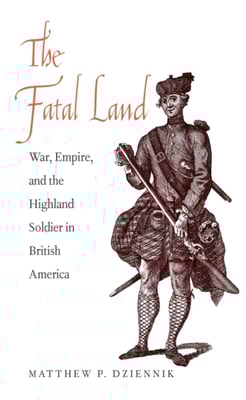
More than 12,000 soldiers from the Highlands of Scotland were recruited to serve in Great Britain’s colonies in the Americas in the middle to the late decades of the eighteenth century.
A fascinating reassessment of a turning point in the First World War, revealing its role in shaping the German psyche On May 7, 1915, the Lusitania, a large British luxury liner, was sunk by a German submarine off the Irish coast.
A "e;brisk and interesting"e; exploration of exposing misconduct in America-from the Revolutionary War era to the Trump years (Jill Lepore, The New Yorker).
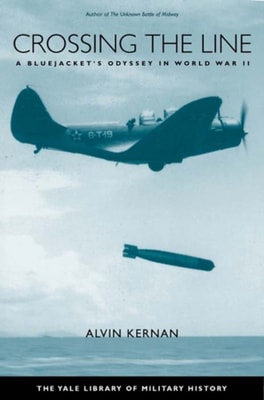
In this memoir of life aboard aircraft carriers during World War II, Alvin Kernan combines vivid recollections of his experience as a young enlisted sailor with a rich historical account of the Pacific war.
Battles, blockades, convoys, raids: An "e;impressive"e; account of how the indefatigable British Royal Navy ensured Napoleon's ultimate defeat (International Journal of Military History).
Disaster Communications in a Changing Media World, Third Edition provides valuable information for navigating these priorities in the age of evolving media.
This new edition of Frank Ledwidge’s eye-opening analysis of British involvement in Iraq and Afghanistan unpicks the causes and enormous costs of military failure.
An illuminating study tracing the evolution of drone technology and counterterrorism policy from the Reagan to the Obama administrationsThis eye-opening study uncovers the history of the most important instrument of U.
The first major study to draw upon unknown or neglected sources, as well as original interviews with figures like Billy Graham, Awakening the Evangelical Mind uniquely tells the engaging story of how evangelicalism developed as an intellectual movement in the middle of the 20th century.
The Black Flags raided their way from southern China into northern Vietnam, competing during the second half of the nineteenth century against other armed migrants and uplands communities for the control of commerce, specifically opium, and natural resources, such as copper.
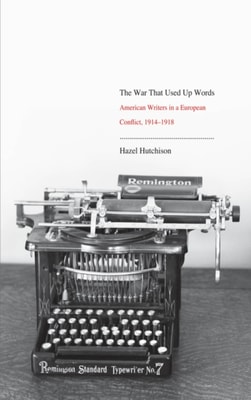
In this provocative study, Hazel Hutchison takes a fresh look at the roles of American writers in helping to shape national opinion and policy during the First World War.
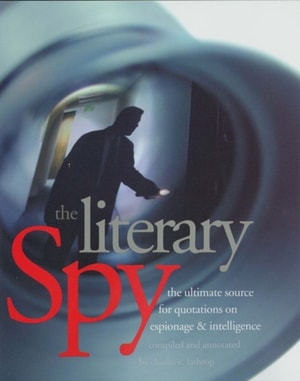
The Literary Spy provides a unique view of the intelligence world through the words of its own major figures (and those fascinated with them) from ancient times to the present.
An eye-opening look at the history of national security fear-mongering in America and how it distracts citizens from the issues that really matterWhat most frightens the average American?
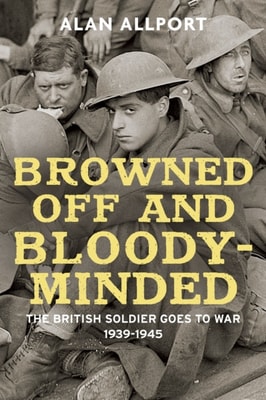
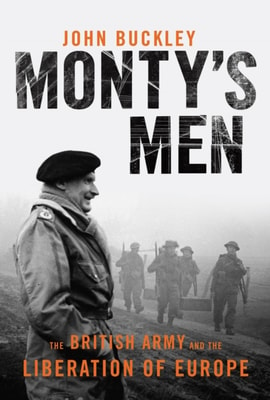
More than three-and-a-half million men served in the British Army during the Second World War, the vast majority of them civilians who had never expected to become soldiers and had little idea what military life, with all its strange rituals, discomforts, and dangers, was going to be like.
A portrait of one of the ancient world's first political celebrities, who veered from failure to success and back again "e;This colorful biography of Demetrius .
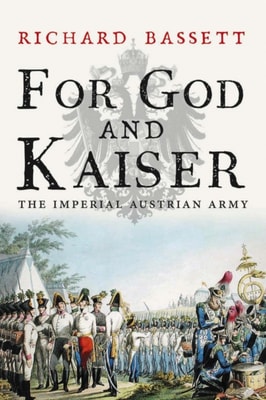
The definitive history of Austria’s multinational army and its immense role during three centuries of European military history Among the finest examples of deeply researched and colorfully written military history, Richard Bassett’s For God and Kaiser is a major account of the Habsburg army told for the first time in English.
The latest volume in Paul Rahe’s expansive history of Sparta’s response to the challenges posed to its grand strategy In a continuation of his multivolume series on ancient Sparta, Paul Rahe narrates the second stage in the six-decades-long, epic struggle between Sparta and Athens that first erupted some seventeen years after their joint victory in the Persian Wars.
A major new history of battle in the ancient world, from the age of Homer through the decline of the Roman empireWhat set the successful armies of Sparta, Macedon, and Rome apart from those they defeated?
Historian John Buckley offers a radical reappraisal of Great Britain’s fighting forces during World War Two, challenging the common belief that the British Army was no match for the forces of Hitler’s Germany.
Nuclear Reactions explores the nuclear consensus that emerged in postWorld War II America, characterized by widespread support for a diplomatic and military strategy based on nuclear weapons and a vision of economic growth that welcomed nuclear energy both for the generation of electricity and for other peaceful and industrial uses.
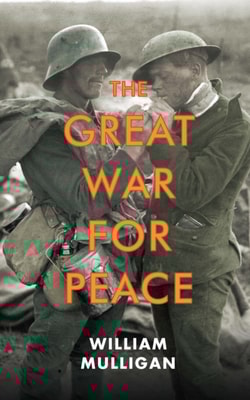
A new look at the legacy of WWI, a war fought for peace yet followed by a century of devastating violence “The war to end all wars” rings out a bitter mockery of the First World War, often viewed as the seminal catastrophe of the twentieth century, the crucible from which Soviet, Fascist, and Nazi dictatorships emerged.
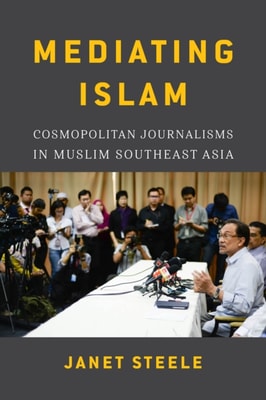
Broadening an overly narrow definition of Islamic journalism, Janet Steele examines day-to-day reporting practices of Muslim professionals, from conservative scripturalists to pluralist cosmopolitans, at five exemplary news organizations in Malaysia and Indonesia.
This "e;impeccable, myth-busting study"e; of WWII maritime operations sheds new light on the conflict with sharp analysis and an international perspective (The Sunday Times, UK).
An exposé of Hitler’s relationship with film and his influence on the film industry A presence in Third Reich cinema, Adolf Hitler also personally financed, ordered, and censored films and newsreels and engaged in complex relationships with their stars and directors.
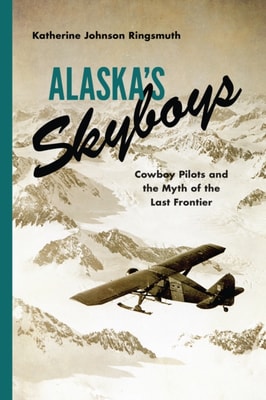
This fascinating account of the development of aviation in Alaska examines the daring missions of pilots who initially opened up the territory for military positioning and later for trade and tourism.
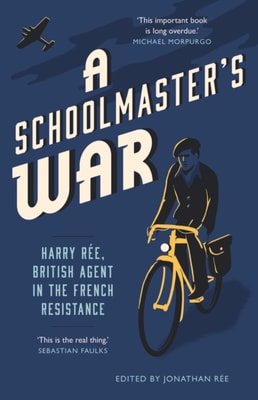
The wartime adventures of the legendary SOE agent Harry Rée, told in his own words A school teacher at the start of the war, Harry Rée renounced his former pacifism with the fall of France in 1940.
The first systematic look at the different strategies that states employ in their pursuit of nuclear weaponsMuch of the work on nuclear proliferation has focused on why states pursue nuclear weapons.
Well over six years of Chinese anti-piracy operations in the Gulf of Aden have directly supported People's Liberation Army Navy (PLAN) modernization goals and provided invaluable experience operating in distant waters.