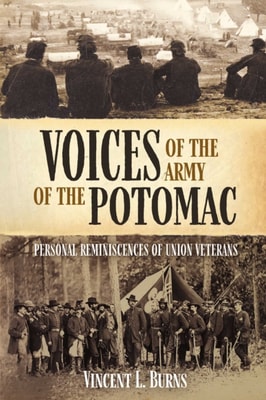
In October 1863, the Union Army of the Cumberland was besieged in Chattanooga, all but surrounded by familiar opponents: The Confederate Army of Tennessee.
This pioneering book, now thoroughly updated to incorporate important research, explains the causes of war through a sustained combination of theoretical insights and detailed case studies.
As potential targets, such as military facilities, symbols of democracy, government buildings, and infrastructure are "e;hardened"e; against possible terrorist attack, terrorists will shift to softer targets: churches, schools, malls, mass entertainment centers, high-rise apartments, transportation centers, and energy facilities.
In the wake of California's energy crisis, policymakers' rush to satisfy growing demand requirements may run the risk of naively ignoring the larger issues and dangers associated with increased reliance on nuclear power.
Peter the Great created the Russian navy from nothing, but it soon surpassed Sweden as the Baltic naval power, while in the Black Sea it became an essential tool in driving back the Ottoman Turks from Europe.
"e;This military biography clearly and informatively rescues from an undeserved obscurity one of the Union's key commanders at the battle of Gettysburg.
Beginning with the landslide political changes in Europe in the early 1990s, politicians and military planners started to contemplate the possible effects on military postures.
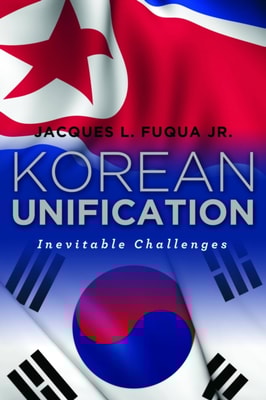
Since the conclusion of World War II, the Korean people and the international community have contemplated a unified peninsula, but a divided Korea remains one of the last visible vestiges of the Cold War.
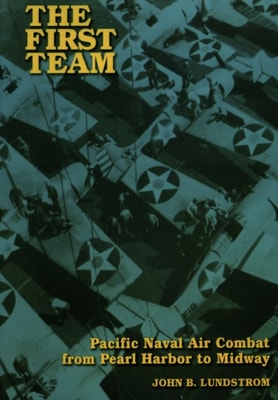
The Pacific War changed abruptly in November 1943 when Admiral Chester Nimitz unleashed a relentless 18-month, 4,000-mile offensive across the Central Pacific, spearheaded by fast carrier task forces and U.
The National Maritime Museum in Greenwich houses the largest collection of scale ship models in the world, many of which are contemporary artifacts made by the craftsmen of the navy or the shipbuilders themselves, ranging from the mid-seventeenth century to the present day.
In this new paperback edition of America Spreads Her Sails, fourteen writers and historians demonstrate how American men and goods in American-made ships moved out over Alfred Thayer Mahan's "e;broad common,"e; the sea, to extend the country's commerce, power, political influence, and culture.
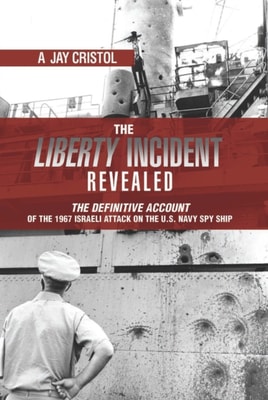
Cutting through all of the controversy and conspiracy theories about Israels deadly attack on the USS Liberty in June 1967 at the height of the Six Day War, Cristol revises his well-regarded book about the event with a complete, in-depth analysis of all of the sources, including recently released tapes from National Security Agency.
In offering a comprehensive explanation of how militant Islamists have hijacked the Islamic religion, Aboul-Enein provides a realistic description of the militant threat, which is far different and distinct from Islamist political discourse and the wider religion of Islam.
In Leigh Armistead's second edited volume on warfare in the Information Age, the authors explore the hype over possibilities versus actuality in their analysis of Information Operations (IO) today.
Hailed as one of the finest examples of aviation research, this comprehensive 1984 study presents a detailed and scrupulously accurate operational history of carrier-based air warfare.
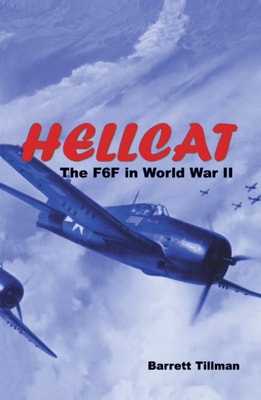
Largely responsible for crushing Japanese airpower wherever the American fast carrier force sailed, the Grumman F6F Hellcat was considered the most important Allied aircraft in the Pacific during 1943 and 1944.
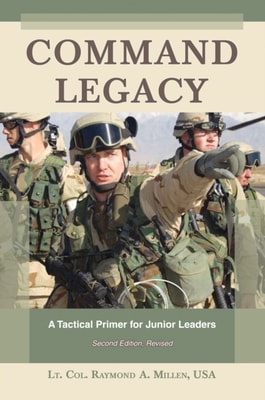
PRAISE FOR THE FIRST EDITION: "e;Millen reminds me of Erwin Rommel, George Patton, and Dwight Eisenhower, who also put their concentration as junior officers on the small units.
In early August 1974, despite incredible risks and after six years of secret preparations, the CIA attempted to salvage the sunken Soviet ballistic missile submarine K-129 from the depths of the North Pacific Ocean.
In this easy-to-use reference, Naval Academy English professor Nancy Prothro Arbuthnot tells the stories behind sixty of the Academy's monuments and memorials.
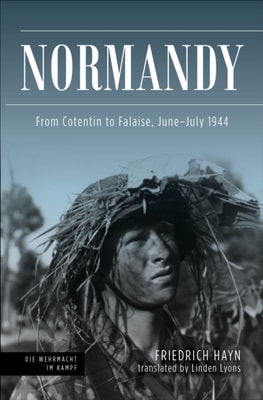
A German perspective of D-Day, written by an Army Corps intelligence officer in Normandy when the Allies invaded, published in English for the first time.
Fought under the cover of elaborate deceptions and ruthless lies, the deadly intelligence operations of World War II produced victories and defeats that were often as important as any reached on the battlefield.
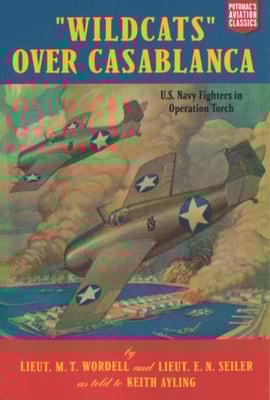
World War II had many superlatives, but none like Operation Torch-a series of simultaneous amphibious landings, audacious commando and paratroop assaults, and the Atlantic's biggest naval battle, fought across a two thousand mile span of coastline in French North Africa.