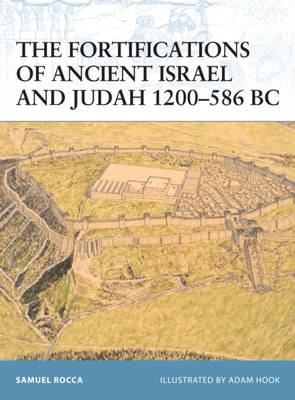
This book provides a detailed study of the fortifications of the founders of ancient Israel from the time of their first settlement in the Middle East, through the periods of the united and divided kingdoms, until the sack of Jerusalem in 586 BC.
Sandwiched between the heart of ancient Greece and the lands of Persia, the Greek cities of Western Anatolia were the spark that ignited some of the most iconic conflicts of the ancient world.
This book analyzes the fortifications of Hasmonaean and Herodian Judaea from the middle of the second century BC, when the Maccabees rebelled against their Seleucids overlords and established an independent state, until the end of the Jewish-Roman War in AD 73.
In an age of backroom generals who command from far behind troop lines, it is often forgotten that wars have been won or lost by the personality and leadership of a maverick commander.
This book, a collaborative endeavour by experts from various disciplines, meticulously investigates the increasing reliance on drones in conflicts across Africa, delving into their geopolitical, tactical, and ethical ramifications.
The authors have created a competent, well-written, and very well-illustrated overview history of an important but lesser-known battle of World War II in the Pacific.
On 7 September 1812 at Borodino, 75 miles west of Moscow, the armies of the Russian and French empires clashed in one of the climactic battles of the Napoleonic Wars.
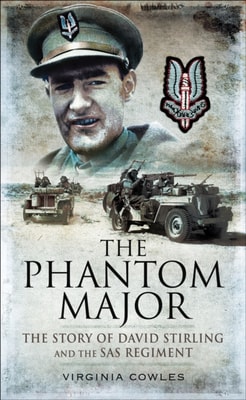
An action-packed biography of "e;one of the legitimate storybook heroes of World War II"e; and the special forces regiment he founded (The New York Times).
This magnificent Pulitzer Prize-winning history, told primarily from the Japanese viewpoint, traces the dramatic fortunes of the Empire of the Sun from the invasion of Manchuria to the dropping of the atomic bombs, demolishing many myths surrounding this catastrophic conflict.
This history of Ancient Greek warfare vividly chronicles the struggle for control of the Macedonian Empire, a fateful time of change in the Ancient World.
The acclaimed historian offers a radical reinterpretation of the WWII Battle of Stalingrad using eyewitness accounts and newly uncovered archival material.
This is an in-depth study of the battle of Midway that reviews the many previous accounts and compares their accuracy and veracity with fresh documentation that has been released recently, including new material on the post-war analysis made by a US select committee.
A biography of the second most successful sniper of the German Wehrmacht and one of the few private soldiers to be honored with the Knights Cross award.
John Howard’s name will forever be linked to the highly successful Pegasus Bridge assault by his glider-born company of the Oxfordshire and Buckinghamshire Light Infantry.
Using the veterans own words and photographs, the book brings to life a mixture of their excitement of embarkation for France, their unbound optimism and courage, the agony of the trenches, and numbing fear of going over the top.
One of the most remarkable stories in the history of Special Forces' operations - Daily ExpressIn the bleak moments after defeat on mainland Europe in winter 1939, wartime leader Winston Churchill knew that Britain had to strike back hard.
Few people alive today had direct experience of the First World War, and yet it seems embedded in the collective consciousness of the combatant nations as a warning to future generations of the futility of military conflict.
The early battles of the First World War during the autumn and winter of 1914 were open, mobile affairs of the kind long familiar to professional soldiers.
In June 1944, an elite unit of British paratroopers was sent on a daring and highly risky behind-the-lines mission, which was deemed vital to the success of D-Day.