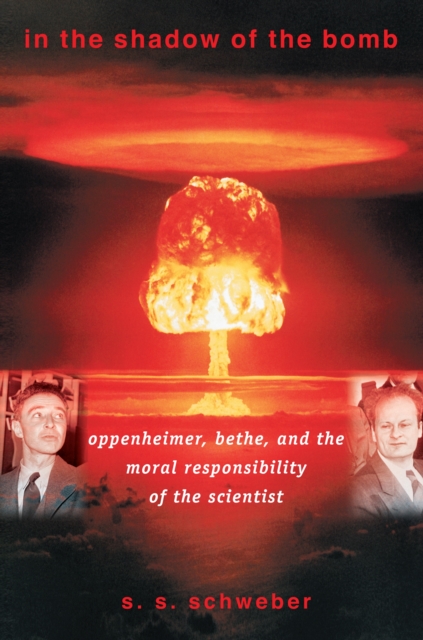
How two charismatic, exceptionally talented physicists came to terms with the nuclear weapons they helped to createIn 1945, the United States dropped the bomb, and physicists were forced to contemplate disquieting questions about their roles and responsibilities.
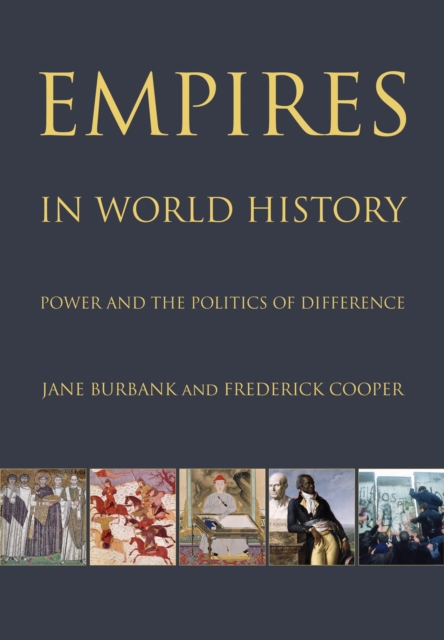
How empires have used diversity to shape the world order for more than two millenniaEmpires-vast states of territories and peoples united by force and ambition-have dominated the political landscape for more than two millennia.
In this powerfully argued book, Ian Shapiro shows that the idea of containment offers the best hope for protecting Americans and their democracy into the future.
A major revision of our understanding of long-range bombing, this book examines how Anglo-American ideas about "e;strategic"e; bombing were formed and implemented.
Mission Transition is an essential career-change guide for any transitioning veteran that wants to avoid false starts and make optimal career choices following active duty.
Winner of the Pushkin House Book Prize 2023*A Telegraph Book of the Year* A Times Best Book of Summer 2023*Shortlisted for the Parliamentary Book Awards*An astonishing investigation into the start of the Russo-Ukrainian war - from the corridors of the Kremlin to the trenches of Mariupol.
The remarkable wartime diary of nurse Kathleen Johnstone'Warm, chatty and endlessly absorbing, this delightful diary brims with intelligence and humour.
From internationally bestselling author and retired FBI agent Joe Navarro, a ground-breaking look at the five powerful principles that set exceptional individuals apartJoe Navarro spent a quarter century with the FBI, pursuing spies and other dangerous criminals across the globe.
From legendary Brazilian Jiu-Jitsu and MMA master Rickson Gracie comes a riveting, insightful memoir that weaves together the story of Gracie's stunning career with the larger history of the Gracie family dynasty, showing how the connection between mind and body can be harnessed for success both inside and outside the ring.
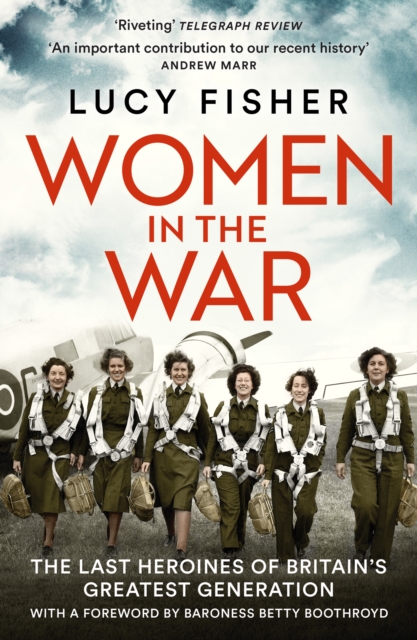
'An important contribution to our recent history' ANDREW MARR'Absorbing and important' JOAN BAKEWELL'One of my favourite reads of 2021' GARETH RUSSELLPoignant and inspiring, Women in the War tells the first-hand stories of ten of the last surviving female members of Britain's 'Greatest Generation'.
THE TIMES TOP 10 BESTSELLER***SHORTLISTED FOR THE BAILLIE GIFFORD PRIZE FOR NON-FICTION******SHORTLISTED FOR THE BRITISH ACADEMY BOOK PRIZE******SHORTLISTED FOR THE CUNDILL HISTORY PRIZE***A Book of the YearThe Times * Sunday Times * Telegraph * New Statesman * Financial Times * Irish Independent * Daily Mail'A masterpiece' SPECTATOR'Exemplary [and] important.
A Times History Book of the Year 2022From the #1 bestselling historian Max Hastings 'the heart-stopping story of the missile crisis' Daily TelegraphThe 1962 Cuban Missile Crisis was the most perilous event in history, when mankind faced a looming nuclear collision between the United States and Soviet Union.
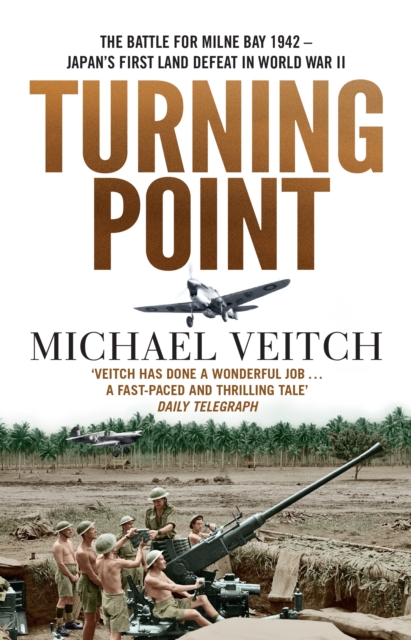
The Battle for Milne Bay - Japan's first defeat on land in the Second World War - was a defining moment in the evolution of the indomitable Australian fighting spirit.
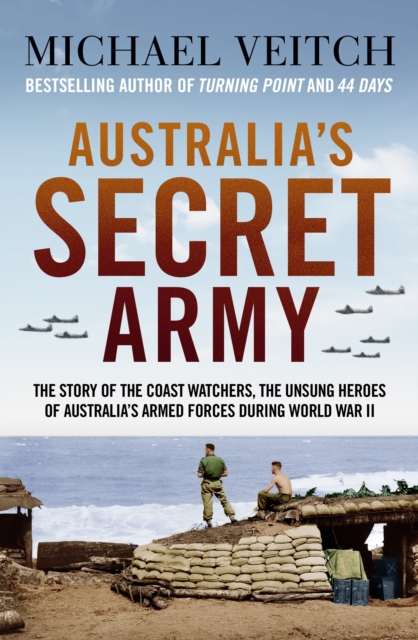
Established after World War I by the Royal Australian Navy, the Coast Watchers were a loose organisation of several hundred European settlers, missionaries, patrol officers and planters living in British and Australian Pacific Island territories whose job it was to observe and report on the enemy.
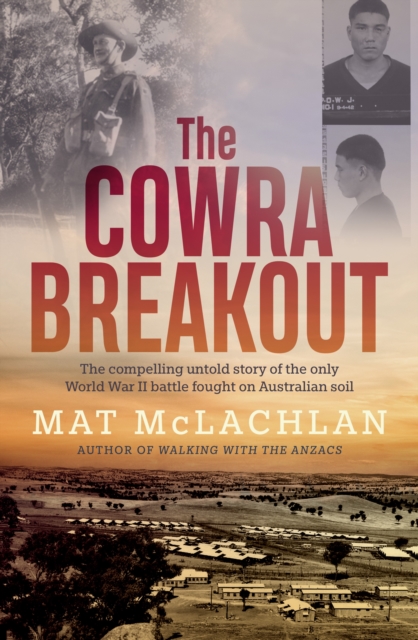
The riveting story of the missing piece of Australia's World War II history, told by bestselling historian Mat McLachlan (Walking with the Anzacs, Gallipoli: The Battlefield Guide).
The unknown story of how a fleet of Australian fishing boats, trawlers and schooners supplied US and Australian forces in the Pacific - and helped turn the course of World War II.
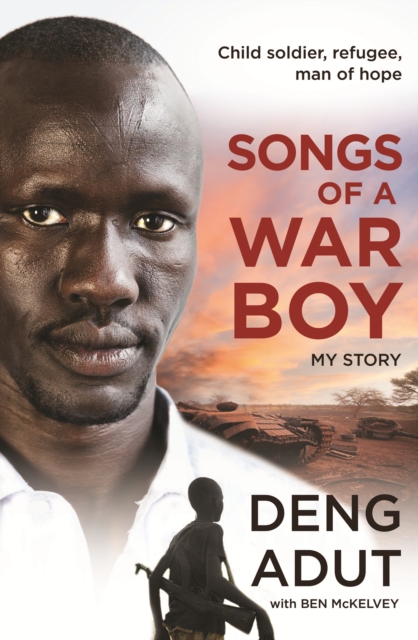
The true story of Deng Adut - Sudanese child soldier, refugee, man of hopeDeng Adut's family were farmers in South Sudan when a brutal civil war altered his life forever.
A comprehensive look at how violence has been used to manipulate competitive electoral processes around the world since World War IIThroughout their history, political elections have been threatened by conflict, and the use of force has in the past several decades been an integral part of electoral processes in a significant number of contemporary states.
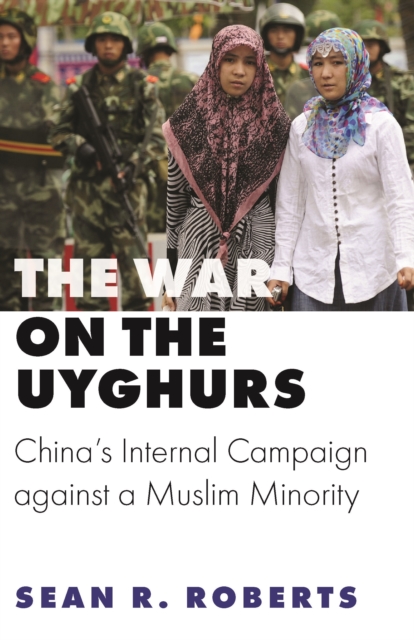
How China is using the US-led war on terror to erase the cultural identity of its Muslim minority in the Xinjiang regionWithin weeks of the September 11 attacks on New York and Washington, the Chinese government warned that it faced a serious terrorist threat from its Uyghur ethnic minority, who are largely Muslim.
How the NRA became a political juggernaut by influencing the behaviors and beliefs of everyday AmericansThe National Rifle Association is one of the most powerful interest groups in America, and has consistently managed to defeat or weaken proposed gun regulations-even despite widespread public support for stricter laws and the prevalence of mass shootings and gun-related deaths.
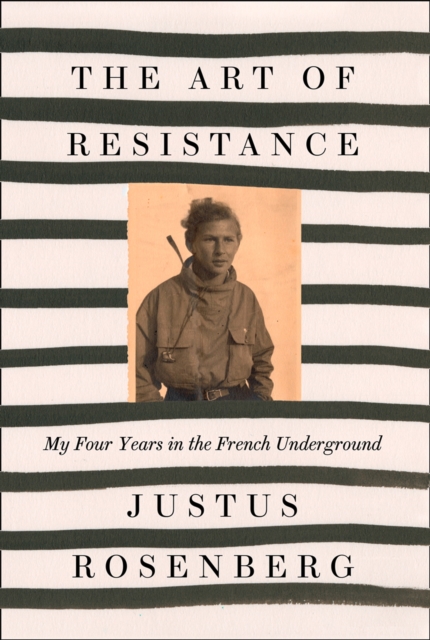
A gripping memoir written by a 96-year-old Jewish Holocaust survivor about his escape from Nazi-occupied Poland in the 1930's and his adventures with the French Resistance during World War IIIn 1937, as the Nazi Party tightened its grip on the city of Danzig (now Gdansk, Poland), Justus Rosenberg's parents made the wrenching decision to send their son to Paris, where he would have the hope of finishing high school and going on to university in safety.
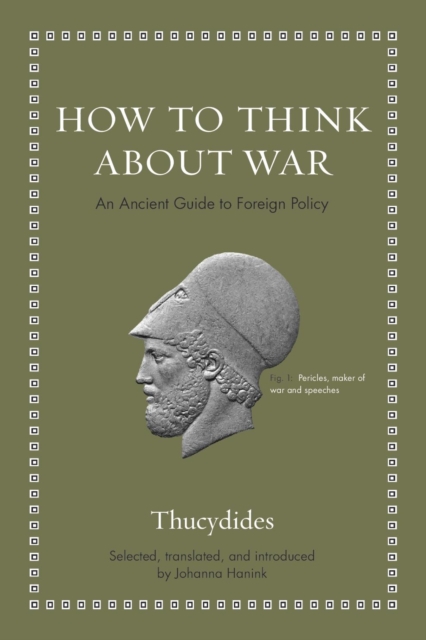
An accessible modern translation of essential speeches from Thucydides's History that takes readers to the heart of his profound insights on diplomacy, foreign policy, and warWhy do nations go to war?
A gripping behind-the-scenes account of the dramatic legal fight to hold leaders personally responsible for aggressive warOn July 17, 2018, starting an unjust war became a prosecutable international crime alongside genocide, crimes against humanity, and war crimes.
A new translation that captures the gripping power of one of the greatest war stories ever told-Julius Caesar's pitiless account of his brutal campaign to conquer GaulImagine a book about an unnecessary war written by the ruthless general of an occupying army-a vivid and dramatic propaganda piece that forces the reader to identify with the conquerors and that is designed, like the war itself, to fuel the limitless political ambitions of the author.
What changes in China's modern military policy reveal about military organizations and strategySince the 1949 Communist Revolution, China has devised nine different military strategies, which the People's Liberation Army (PLA) calls "e;strategic guidelines.
How professionalization and scholarly "e;rigor"e; made social scientists increasingly irrelevant to US national security policyTo mobilize America's intellectual resources to meet the security challenges of the post-9/11 world, US Secretary of Defense Robert M.
Secret Wars is the first book to systematically analyze the ways powerful states covertly participate in foreign wars, showing a recurring pattern of such behavior stretching from World War I to U.
The 15:17 to Paris is the amazing true story of friendship and bravery, and of near tragedy averted by three heroic young men who found the unity and strength inside themselves when they - and 500 other innocent travellers - needed it most.
From the bestselling and prize-winning author Paddy Ashdown, a revelatory new history of German opposition to Hitler from 1935 - 1944In his last days, Adolf Hitler raged in his bunker that he had been betrayed by his own people, defeated from the inside.