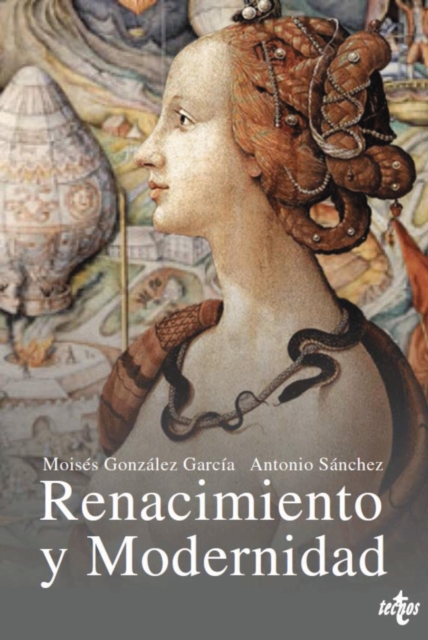
El Renacimiento, que cronológicamente abarca desde mediados del siglo XIV hasta principios del siglo XVII, representa todo un programa de renovación cultural y política, que pretende instaurar una nueva época en la historia de la civilización europea y dar al mundo un nuevo rostro.
Se habla mucho de lo difícil que resulta estar en una relación insana, pero apenas se menciona lo duro que es tener una relación sana después de haber estado en otra que no lo fue.
En sus setenta años de reinado y noventa y seis años de vida, la reina Isabel II ha hecho historia hasta el punto de convertirse en la monarca británica más longeva y en una de las figuras más omnipresentes del último siglo, debido en parte al protagonismo que adquirieron los sombreros en su imagen pública.
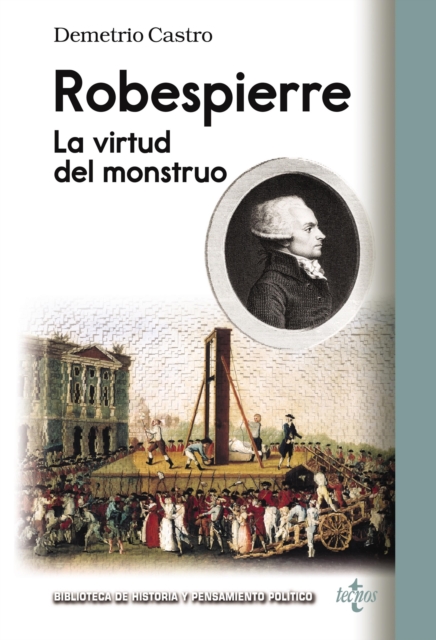
A Maximilien Robespierre se le apodó entre sus correligionarios "El Incorruptible" por personificar, se decía, la integridad de la virtud revolucionaria en su expresión más inflexible.
Das zweibändige Lehrbuch zur Didaktik technischer Berufe widmet sich der unterrichtsbezogenen Vermittlung beruflicher Handlungskompetenz: Neben den in Band 1 vorgestellten theoretischen Grundlagen erfordert ein kompetenzorientierter beruflicher Unterricht auch ein komplexes Umsetzungskonzept.
Carolin Lohse setzt sich in ihrer Dissertation mit gegenwärtig und zukünftig relevanten Qualifikationsanforderungen im Gesundheitshandwerk der Augenoptik auseinander.
Nach wie vor sind internationale Vergleichsstudien zur beruflichen Bildung rar gesät – noch seltener sind in diesem Bereich empirische Befunde über die in der Berufsbildung erreichten Kompetenzen.
Die digitalen Medien haben Lehren und Lernen verändert: Lehrpersonen wollen das Lernen anders inszenieren, möglicherweise effektiver und effizienter, vor allem aber auch attraktiver, interessanter und vielfältiger.
In den Achtziger Jahren sahen Wissenschaftler und Unternehmensvertreter die Zukunft der Facharbeit in Arbeitsplätzen, die sich durch ganzheitliche Arbeitsvollzüge und komplexe Kompetenzanforderungen auszeichnen.
La geopolítica se ha convertido tanto en un concepto como en una disciplina sui generis y heterogénea, empleada para abordar la problemática entre la interacción de lo político y lo geográfico; entre el poder y el espacio.
Frente a la crisis intelectual y moral, este breve libro ofrece principios fundacionales sólidos basados en una antropología cristiana, que garantizan la coherencia institucional y la excelencia académica.
Gut ausgebildete Facharbeiter sind eine wichtige Voraussetzung des deutschen Wirtschaftserfolgs – um diesen Erfolg sicherzustellen, benötigen wir gesichertes Wissen zur erfolgreichen Gestaltung beruflicher Ausbildungsprozesse.
«En la escena del crimen» trasciende el género del True Crime para convertirse en una singular aproximación a la historia contemporánea de España a través de la recreación de algunos crímenes que dejaron impronta en la sociedad, la política legislativa y el acervo común.
En este libro Amin Maalouf intenta indagar los motivos de los graves desajustes de distinto carácter (intelectual, económico, climático) que sufre el mundo del siglo XXI, y a la vez proponer distintas ideas para paliarlos.
Die Tätigkeit der Lehrperson gibt den Ausschlag für den Lernerfolg der Klasse: Neben den sozialen Beziehungen ist der Variantenreichtum des Unterrichts ein entscheidender Faktor.
Puede ser útil formular cuatro razones que convencen de la importancia de este libro en la actualidad: En primer lugar, desarrolla una nueva filosofía del Estado que es verdaderamente importante en un presente como el nuestro.