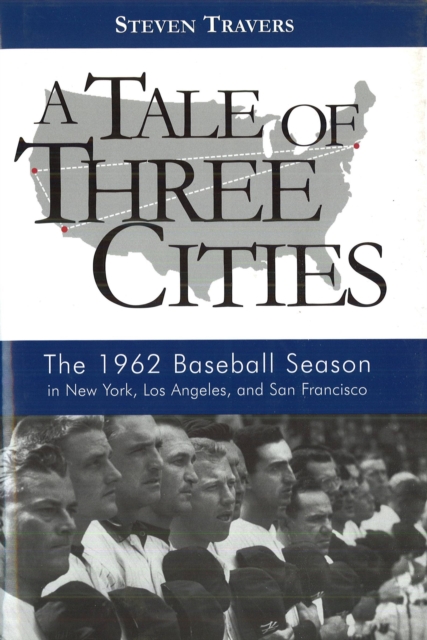
Nineteen sixty-two-it's been called "e;the end of innocence,"e; as America witnessed the Cuban Missile Crisis and the following year saw the Kennedy assassination and the early stirrings of Vietnam.
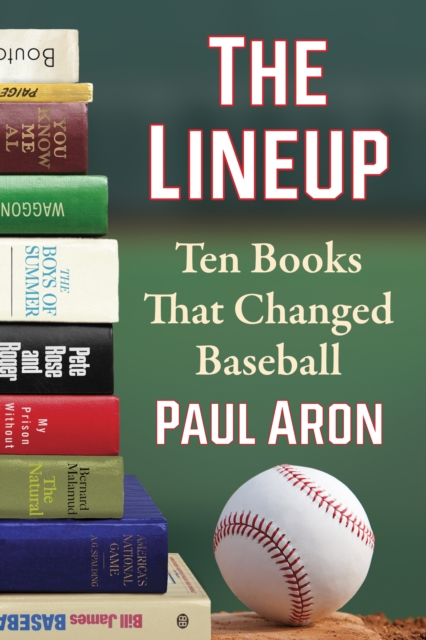
Focusing on the ten most influential baseball books of all time, this volume explores how these landmark works changed the game itself and made waves in American society at large.
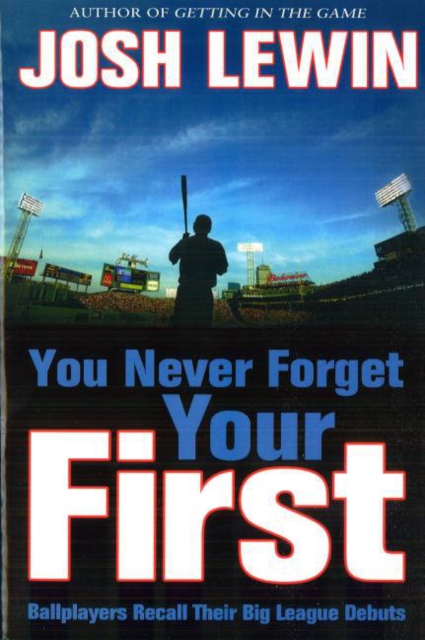
Having already penned Getting in the Game, his inside scoop on the mayhem within baseball's winter meetings, Josh Lewin once again gives baseball fans a window into the big leagues.
In the nearly 120-year history of the New York Yankees, fans have been treated to countless firststhe first Yankee to hit a home run in the original Yankee Stadium (Babe Ruth), the first to hit a homer in the current stadium (Jorge Posada), the first Cy Young Award winner (Bob Turley), the first to hit for the Triple Crown (Lou Gehrig), and the first to amass 3,000 hits (Derek Jeter).
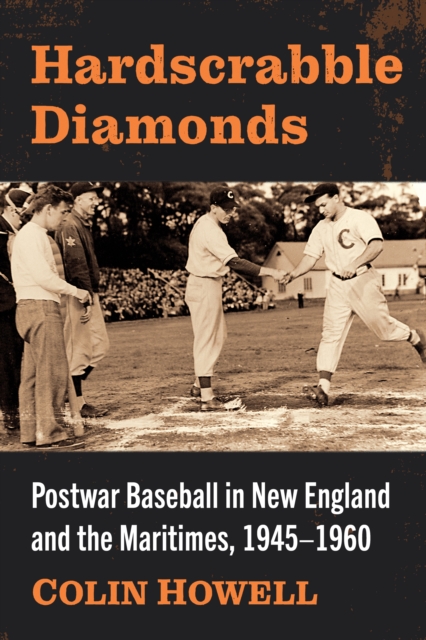
Part history, part memoir, part statistical analysis, this book tells the remarkable and largely forgotten story of how the baseball hotbed of Canada's northeastern Maritime provinces evolved into "e;NCAA North"e; during the 1940s and 1950s.
Part history, part memoir, part statistical analysis, this book tells the remarkable and largely forgotten story of how the baseball hotbed of Canada's northeastern Maritime provinces evolved into "e;NCAA North"e; during the 1940s and 1950s.
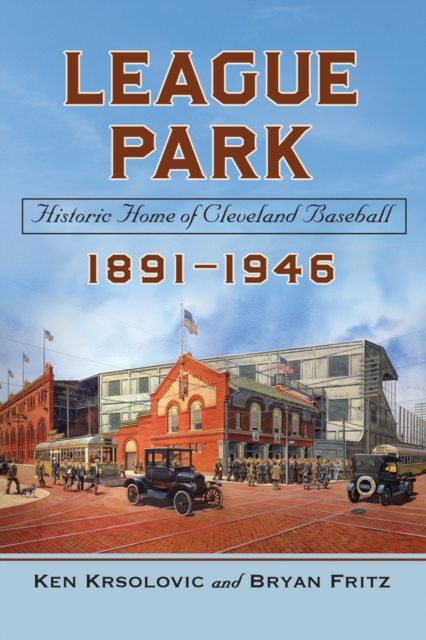
This is a comprehensive history of League Park, primary home field for Major League Baseball in Cleveland from 1891 to 1946, but with a significant history that includes the National Football League, Negro League baseball, college football and boxing, and an uncanny multitude of amazing events and people.
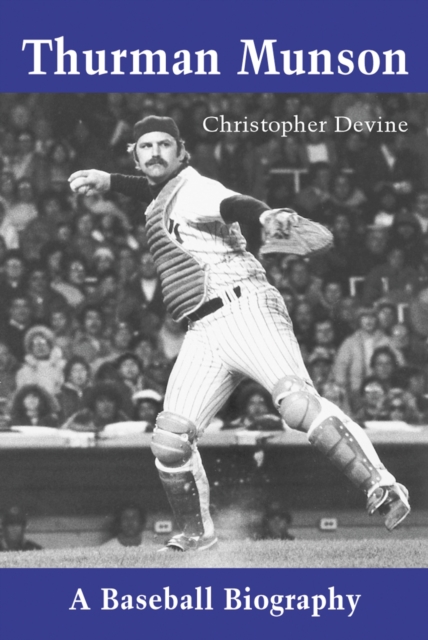
When in 2000 the Baseball Writers Association of America elected the ever-durable Carlton Fisk to the National Baseball Hall of Fame, many fans quietly pointed to the Hall's omission of Fisk' greatest American League contemporary, Thurman Munson.
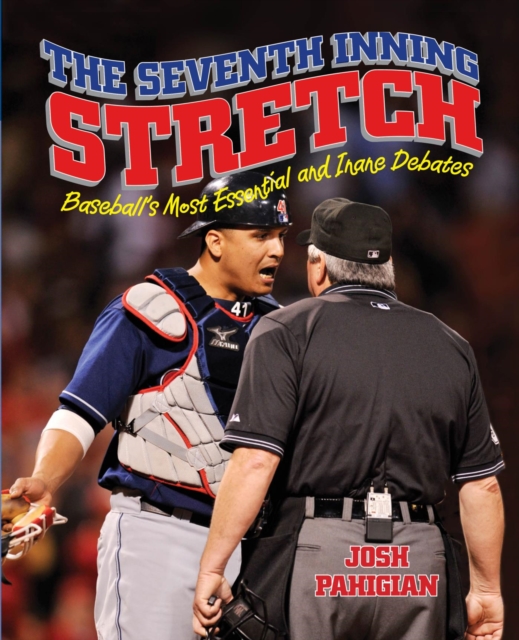
The Seventh Inning Stretch, by noted baseball expert Josh Pahigian addresses all of the most interesting baseball arguments, however frivolous, that fans have been engaging in for decades, and even a few they may have never stopped to consider before.
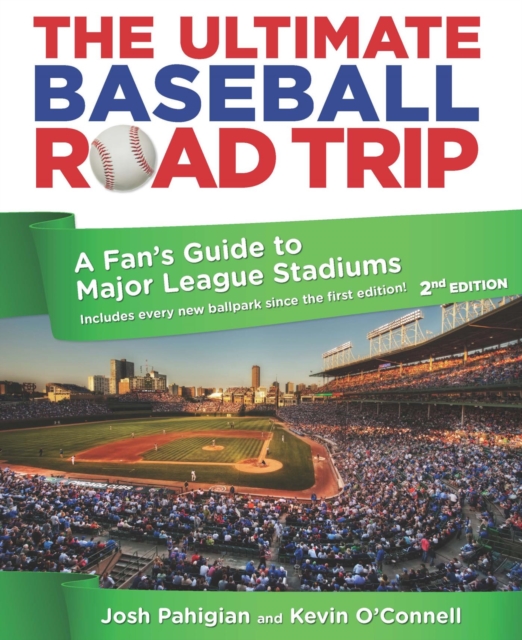
The most entertaining and comprehensive guide to every baseball fans dream road tripincluding every new ballpark since the 2004 editionrevised and completely updated!
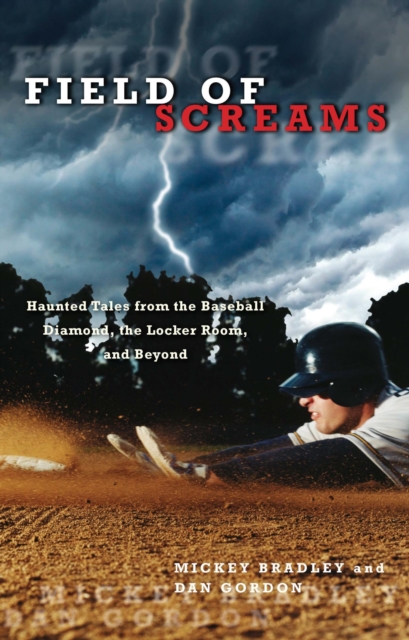
A collection ofghost storiescollected from baseballplayers, stadium personnel, umpires, front-office folks, and fans, whichexplores the sometimes amusing and sometimes spooky connection between baseball and the paranormal.
This history of America's pastime describes the evolution of baseball from early bat and ball games to its growth and acceptance in different regions of the country.
Coach your kids the Dom Scala wayFrom his days playing in the majors to his years as bullpen coach with the New York Yankees through his NCAA victories with Adelphi University and his success as director of New York's number-one baseball camp, Dom Scala has a lot to teach you about coaching.
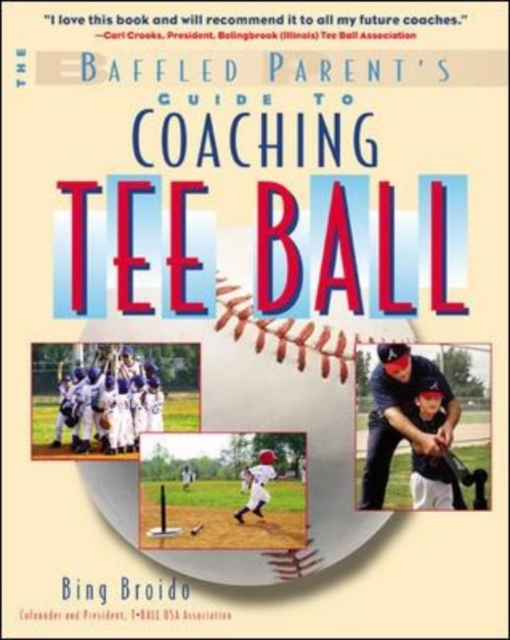
Each spring, Tee-ball introduces millions of boys and girls to "e;America's pastime"e; --and introduces their parents to the joys (and nightmares) of coaching first-time players.
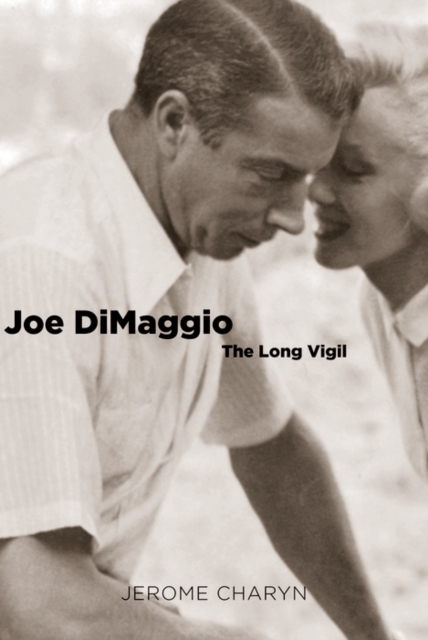
As the New York Yankees' star centerfielder from 1936 to 1951, Joe DiMaggio is enshrined in America's memory as the epitome in sports of grace, dignity, and that ineffable quality called "e;class.
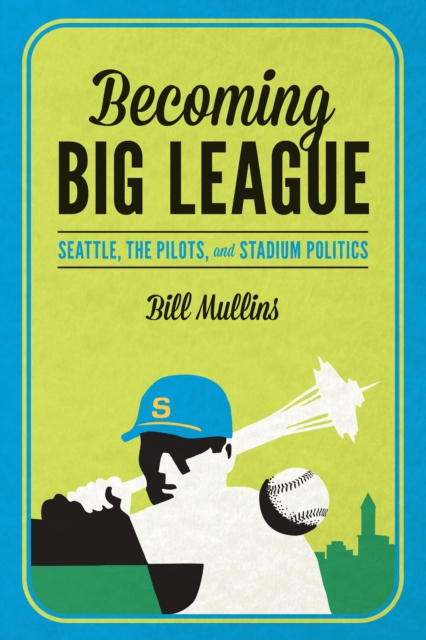
Becoming Big League is the story of Seattle's relationship with major league baseball from the 1962 World's Fair to the completion of the Kingdome in 1976 and beyond.
Once in a great while there appears a baseball player who transcends the game and earns universal admiration from his fellow players, from fans, and from the American people.
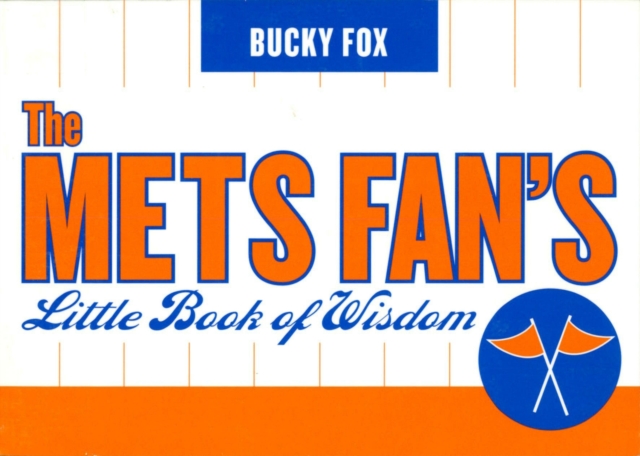
Anecdotes from the Mets' roller-coaster history, from their basement-dwelling teams on the early '60s, to the Amazin' Mets of 1969, through their World Series run in 1986, to the present.