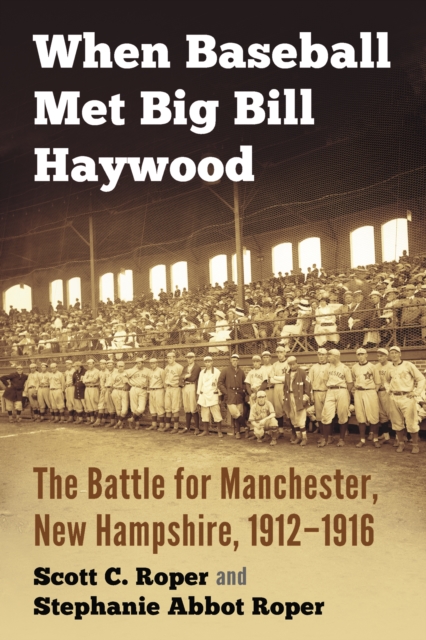
In the early 20th century, immigration, labor unrest, social reforms and government regulations threatened the power of the country's largest employers.
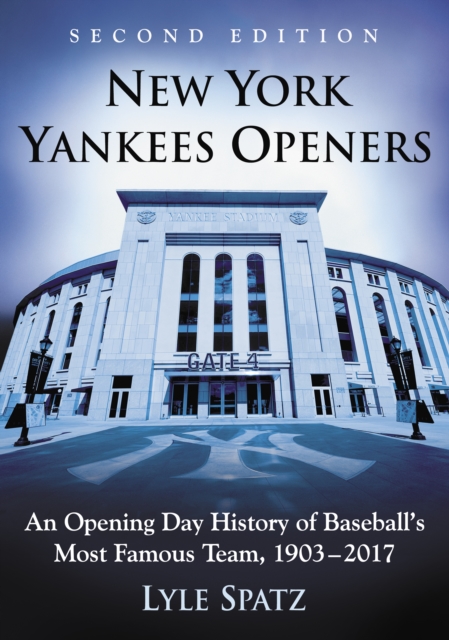
After seven games and 13 days, the outcome of the 1962 World Series hung on the final pitch, thrown by a pitcher for the New York Yankees to a hitter for the San Francisco Giants.
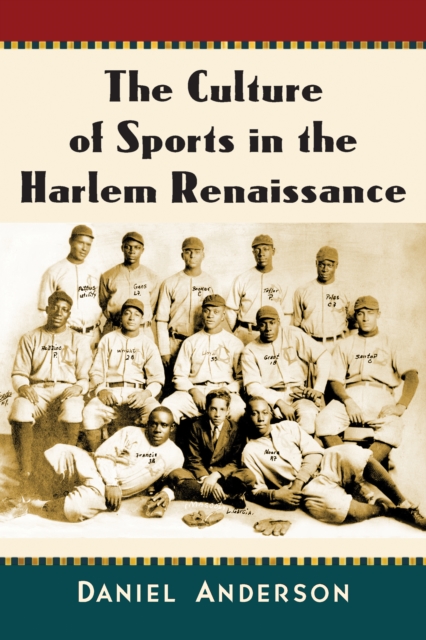
This book is an examination of cultural resistance to segregation in the world of black baseball through an analysis of editorial art, folktales, nicknames, "e;manhood"e; and the art of clowning.
"e;Orioles Magic"e; is a phrase fans still associate with the 1979-1983 seasons, Baltimore's last championship era, when they played excellent, exciting ball with a penchant for late-inning heroics.
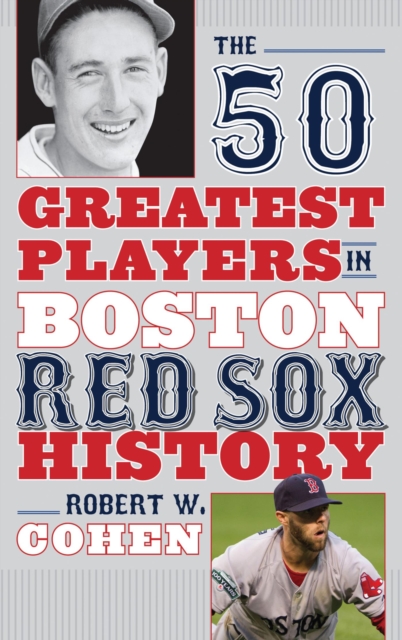
The Boston Red Sox are one of the most iconic baseball teams, representing not just a city or a state, but an entire regionit's the only professional baseball team in New England.
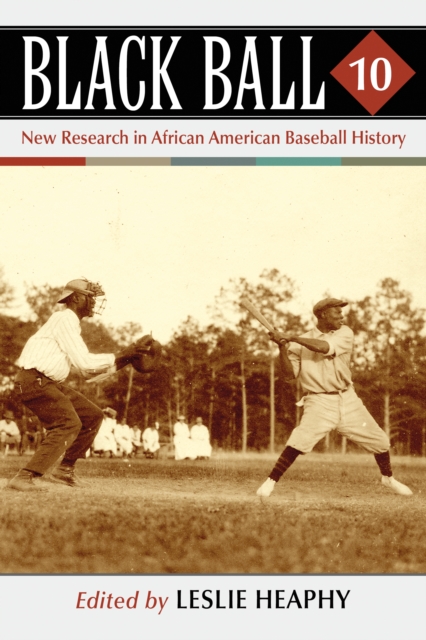
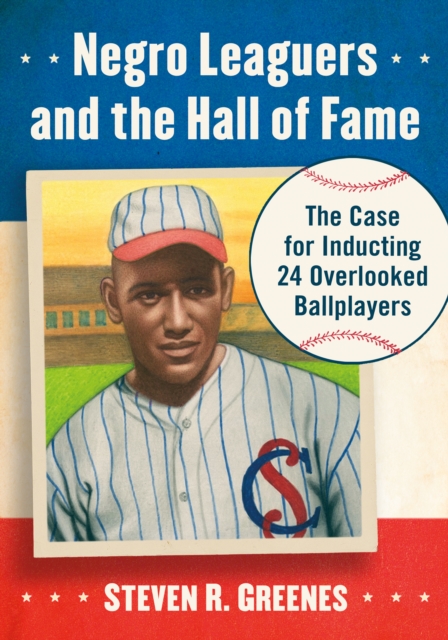
Under the guidance of Leslie Heaphy and an editorial board of leading historians, this peer-reviewed, annual book series offers new, authoritative research on all subjects related to black baseball, including the Negro major and minor leagues, teams, and players; pre-Negro League organization and play; barnstorming; segregation and integration; class, gender, and ethnicity; the business of black baseball; and the arts.
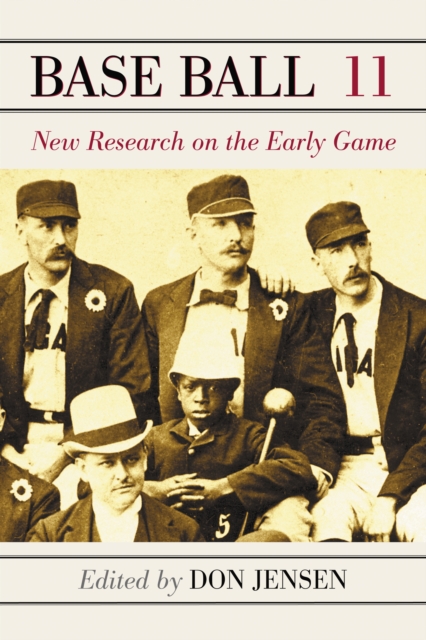
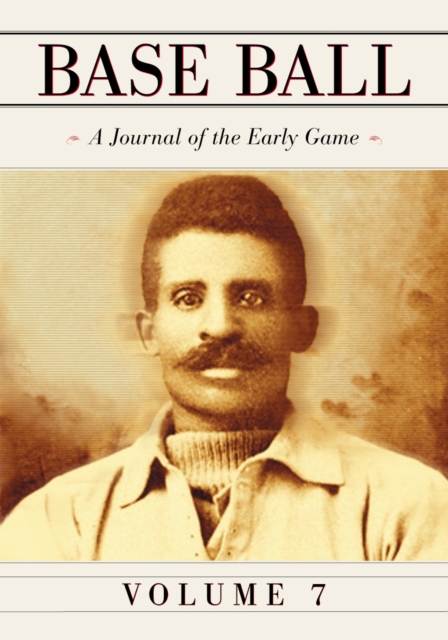
Offering the best in original research and analysis, Base Ball is an annually published book series that promotes the study of baseball's early history, from its protoball roots to 1920, and its rise to prominence within American popular culture.
With the aim of providing anyone interested in baseball scorekeeping everything he or she needs to perform the task, this book contains a thorough and comprehensive manual on keeping a scorecard, together with a detailed analysis of each of the numerous, and often complex, official rules governing scorekeeping in baseball (many of which were revised or modified in 2007), as well as scorekeeping issues outside of MLB's rulebook.
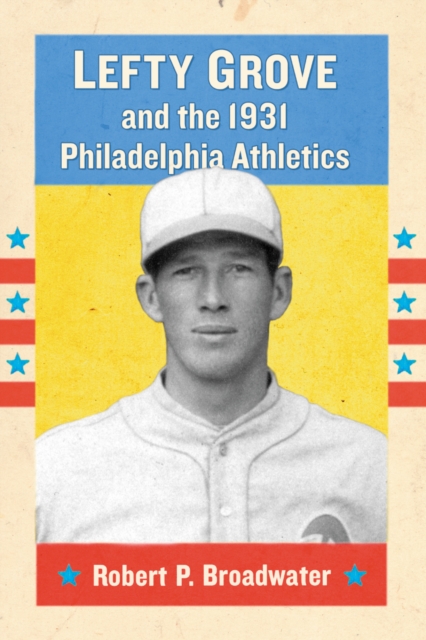
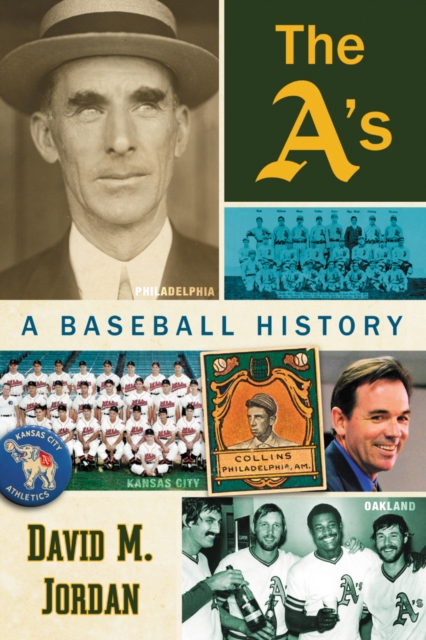
This is a straightforward history of the Athletics franchise, from its Connie Mack years in Philadelphia with teams featuring Eddie Collins, Chief Bender, Jimmy Foxx, Mickey Cochrane and Lefty Grove, through its 13 years in Kansas City, under Arnold Johnson and Charles O.
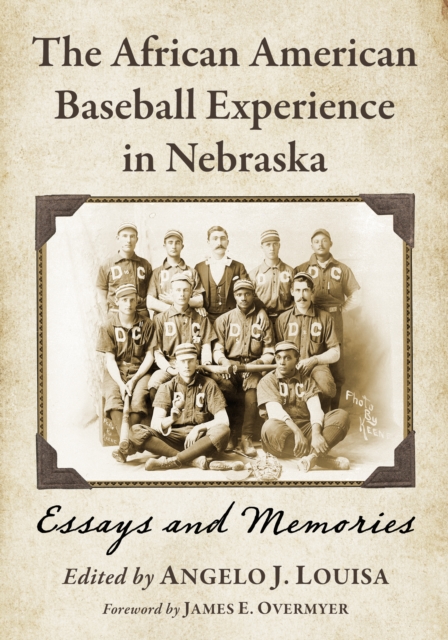
Nebraska is not usually thought of as a focal point in the history of black baseball, yet the state has seen its share of contributions to the African American baseball experience.
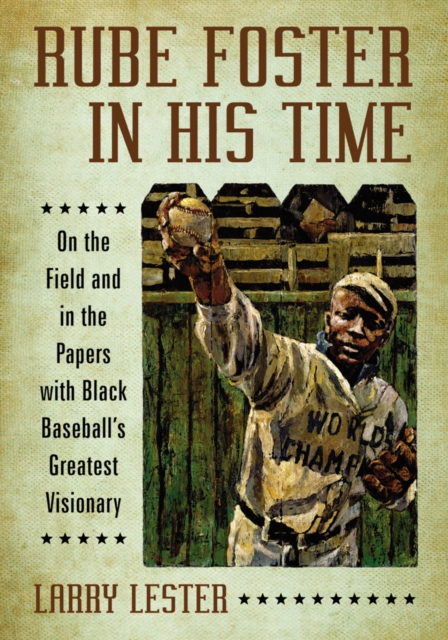
Although Andrew "e;Rube"e; Foster (1879-1930) stands among the best African American pitchers of the 1900s, this baseball pioneer made his name as the founder and president of the Negro National League, the first all-black league to survive a full season.
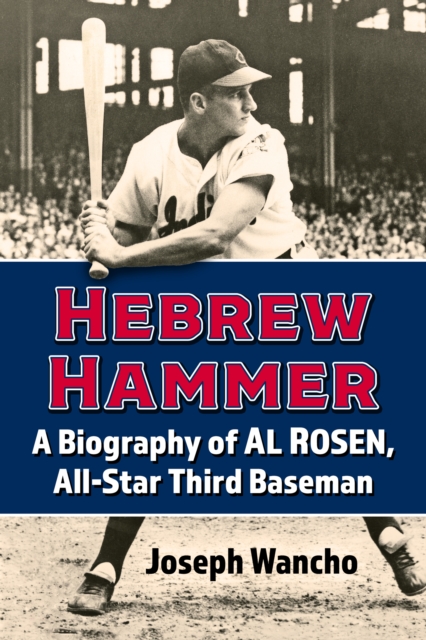
This first biography of four-time all-star Al Rosen covers the career of perhaps the best player on the fabulous Cleveland Indians' teams of the 1950s.
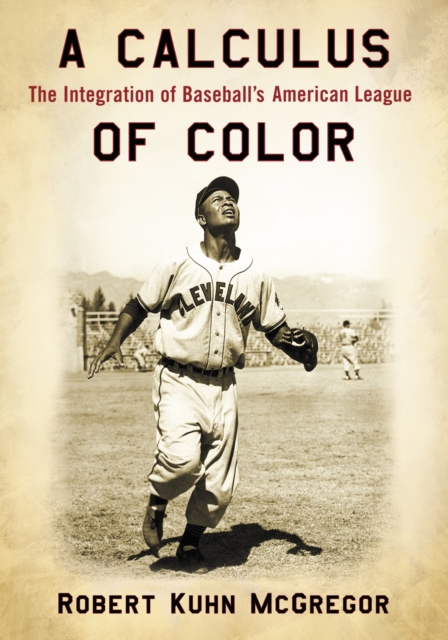
In 1947, as the integration of Major League Baseball began, the once-daring American League had grown reactionary, unwilling to confront postwar challenges--population shifts, labor issues and, above all, racial integration.
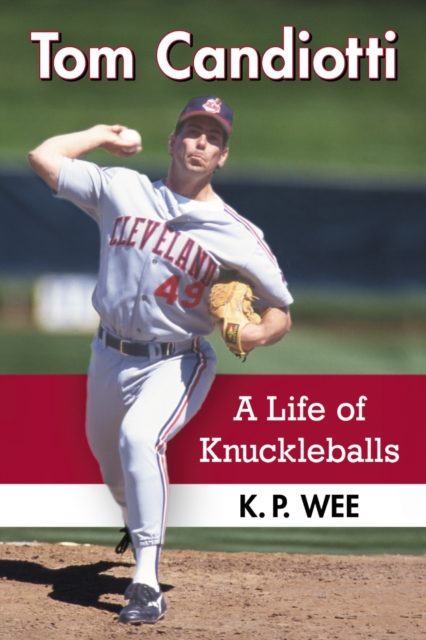
Most baseball fans know Tom Candiotti as a knuckleballer but he began his career as a conventional pitcher in 1983--after becoming just the second player to appear in the major leagues following Tommy John surgery, at a time when only Tommy John himself had ever come back from the operation.
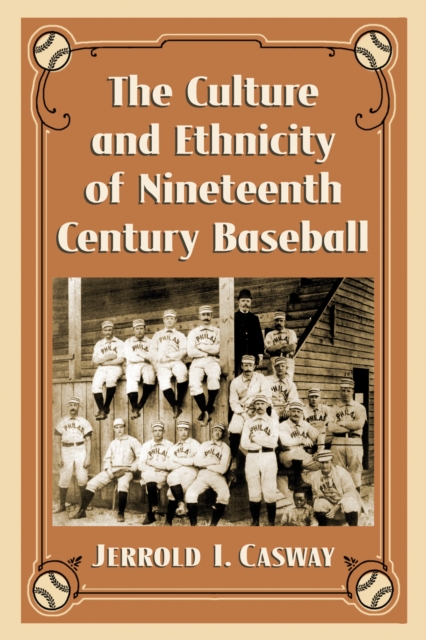
Evolving in an urban landscape, professional baseball attracted a dedicated fan base among the inhabitants of major cities, including ethnic and racial minorities, for whom the game was a vehicle for assimilation.
The study of baseball history and culture shows the national pastime to be a forum of debate where issues of sport, labor, race, character and the ethics of work and play are decided.