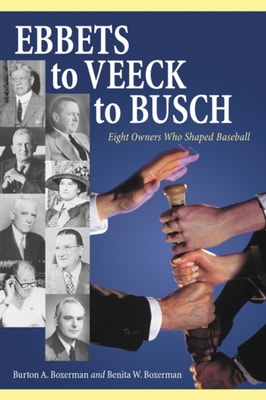
Of baseball there have been countless books, but, surprisingly, relatively few about the owners, the men and women who invested their time--and, frequently, their fortunes--in baseball teams.
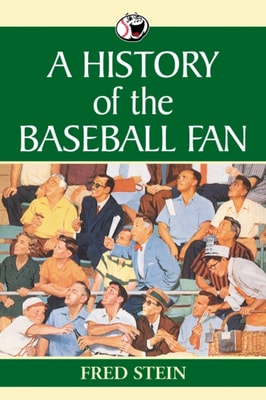
From the genesis of baseball in the 1840s, when so-called "e;kranks"e; cheered the teams of their choice, fans have been an ever-present component of the sport.
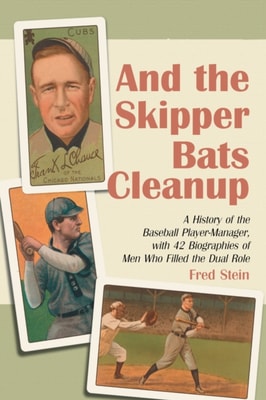
At least as far back as 1842 through about the late 1930s and mid-1940s, before baseball became commercialized and teams were able to hire one man to manage the entire team, it was not uncommon for one person to fill the roles of player and manager simultaneously.
Beginning with the premise that there is no other rivalry in team sports like that between the Cubs and the White Sox this work traces the history of the antagonism (and, at times, open hostility) between the fans of the two clubs.
Beginning in 1845, the New York Knickerbockers were the first fully organized base ball club to play the game with written rules similar to those used today.
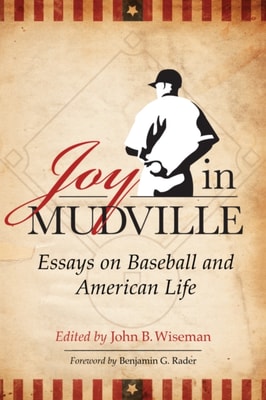
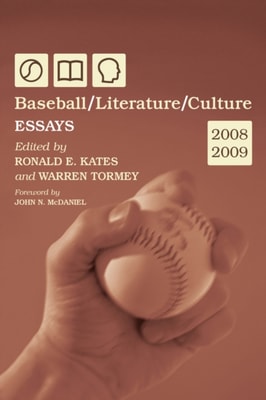
Examining baseball not just as a game but as a social, historical, and political force, this collection of sixteen essays looks at the sport from the perspectives of race, sexual orientation, economic power, social class, imperialism, nationalism, and international diplomacy.
Football may be sport, but the National Football League is at heart a business--how else to account for the stratospheric salaries of the players and coaches?
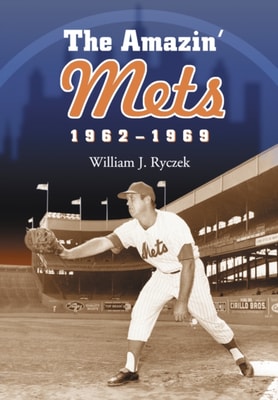
This book traces the history of the New York Mets from the franchise's inauspicious beginnings--the 1962 team, led by Casey Stengel and made up of players like Rod Kanehl and Jay Hook, lost 120 games--through the miraculous championship season of 1969.
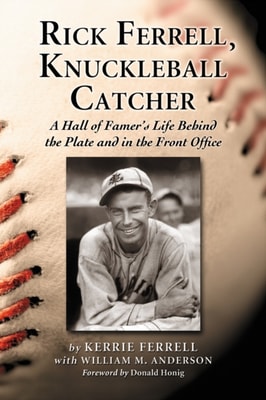
In 1947, after 18 major league seasons with the Browns, Senators, and Red Sox, Rick Ferrell retired as the longest playing catcher in the American League.
This history of American sports fiction traces depictions of baseball, basketball and football in works for all age levels from early dime novels through the 1960s.
While most fans know that baseball stars Ted Williams, Hank Greenberg, and Bob Feller served in the military during World War II, few can name the two major leaguers who died in action.
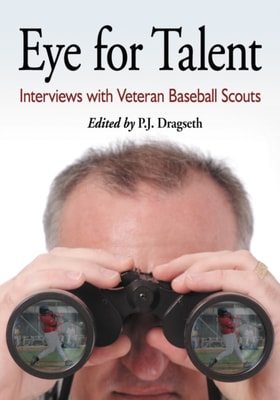
Baseball scouts are often unseen, seldom recognized, and usually underappreciated by fans, but they have contributed enormously to the development and evolution of baseball at all levels, from the players they signed to the changes in the business climate of the game.
The 1909 World Series featured Hall of Fame players Ty Cobb and Honus Wagner and was the first championship to extend to Game Seven, the final and deciding game.
While the Super Bowl has become a worldwide cultural event, the annual league championship games had a long history even before the first Super Bowl in January, 1967.
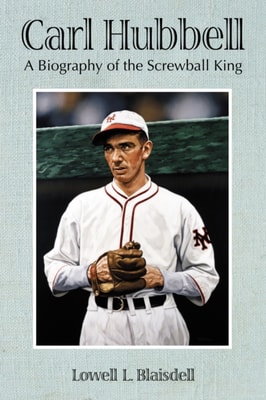
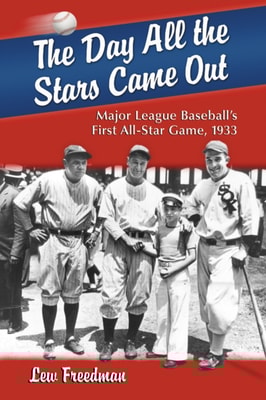
This is a history of major league baseball's first All-Star game, originally conceived in 1933 as a one-time "e;Game of the Century"e; (including greats such as Babe Ruth, Lou Gehrig, Carl Hubbell and Lefty Grove) to lift the spirits of the nation and its people in the midst of the Great Depression.
Award-winning author Charlie Bevis explores the long history of the major league doubleheader from its beginnings in the late 19th century up to the present day.
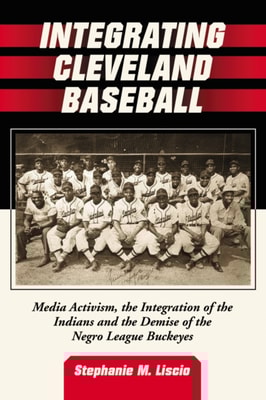
Focusing on the Negro American League Buckeyes, this detailed history describes the effects of major league integration on blackball in Cleveland, as well as the controversial role that the local black press played in the transformation.
This ambitious study of major league managers since the formation of the National League applies a sabermetric approach to gauging their performance and tendencies.
The Great Match (1877) and Our Base Ball Club (1884) were the two earliest novels to incorporate baseball as a major plot element, and each is reprinted here for the first time since its original publication.
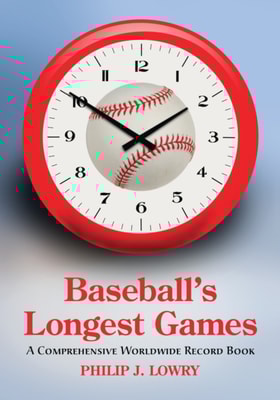
Baseball is the only major team sport that doesn't feature a clock, and there's a familiar saying among fans that as long as outs remain, the game can, theoretically, go on forever.
This study considers the importance of location for new and relocated major league franchises in the more than 130 years since the National League was founded.
This is a memoir of a diehard--a diehard fan who drove himself and his family half crazy to get to Cubs games that were 700 miles away from their home.
"e;My day-to-day existence,"e; writes Kathleen Lockwood, "e;rested on the ability of my husband to throw a tiny leather ball over ninety-five miles an hour past a large wooden bat.