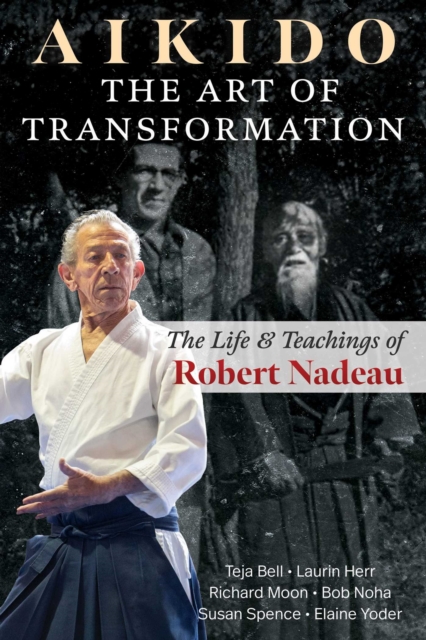
Explores Nadeaus personal journey and pioneering role in the spread of Aikido, including firsthand accounts and historical photographs published for the first time Explains Nadeaus unique teaching, his core concepts, and basic practices centered on energy refinement, direct experience and inner transformation Presents inspiring personal stories about Nadeau contributed by students, including Dan Millman, Richard Strozzi-Heckler, Peter Ralston, and Rene GregorioA widely influential figure in the development of Aikido in America, Robert Nadeau is known as one of the few American direct disciples of Aikidos founder Morihei Ueshiba Osensei.
Thomas Glavinic kam als 13-Jähriger zum ersten Mal mit Kung Fu in Berührung: Als er Bruce Lee-Filme sah, war er von dessen Kunstfertigkeit begeistert und schrieb sich prompt in Karate ein.
Boxboom in Deutschland - das sind Riesenevents, Kämpfe von Weltklasseboxern, das ist das Gänsehautfeeling, wenn Michael Buffers "Let's get ready to rumble" durch die Box-Arenen schallt.
Kurz nach Weihnachten wird eine Kickboxerin in ihrem Badezimmer tot gefunden, wenig später wird die Leiche einer älteren Frau entdeckt, beide mit einem Deformationsgeschoss getötet.
Contains Active Table of Contents (HTML) Miyamoto Musashi's Go Rin no Sho or the book of five rings, is considered a classic treatise on military strategy, much like Sun Tzu's The Art of War and Chanakya's Arthashastra.
From his gold medal at the 1960 Olympic Games to his defeat of Sonny Liston to claim the world heavyweight championship in 1964, the unforgettable 'Thrilla in Manila' against Joe Frazier and the 'Rumble in the Jungle' against George Foreman, 'The Greatest of All Time', Muhammad Ali, has captured the attention of the world.
Especially oriented toward those in 12-step programs, this comprehensive wellness guide describes how yoga can stimulate recovery from addiction by bringing the mind and body closer together.
The Five Tibetans helps the reader to facilitate their inner work with the powerful combination of the body-strengthening daily practice of the legendary yoga-like poses known as the 5 Tibetans along with spirit-nourishing stories and metaphors born of seas, rainbows and mountain vistas.
An innovative guide to applying the strategies of a bodyguard to create a Buddhist security plan for protecting ourselves from suffering Presents the unique concept of the bodyguard and its protection tactics as a metaphor for explaining and implementing Buddhist teachings Recasts the Four Noble Truths as the Four Noble Tactical Truths, the Eightfold Path as the Eight Tactics Plan, and the notion of Interbeing in the Buddhist world as the Tactics of Interdepending Offers a new, modern understanding for the new generation of Buddhist practitioners intrigued by a more Western take on Buddhism Drawing from his extensive experience as a professional protection agent, Jeff Eisenberg uses the tactics and strategies that a bodyguard employs in protecting a client from a threat as a blueprint for creating a Buddhist security plan.
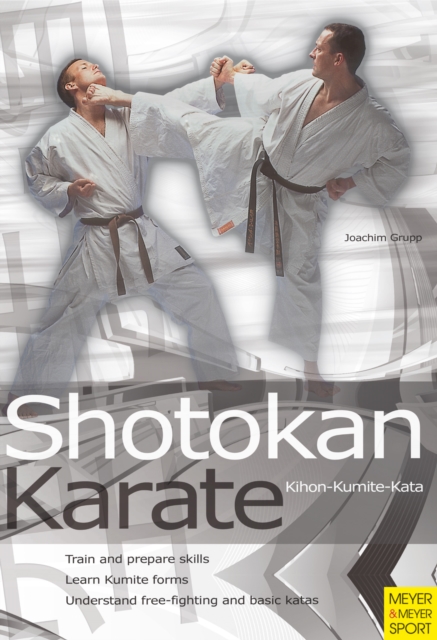
This manual offers assistance to all Shotokan Karateka to use when training or intensively preparing skills - for beginners as well as advanced students.
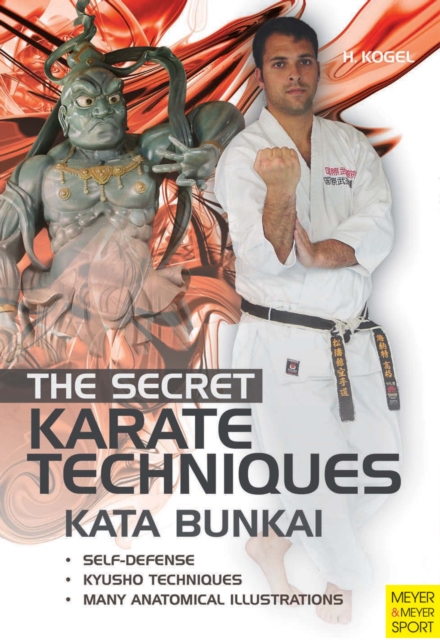
This book is aimed at both the experienced Karate student and those just starting up in finding their way through the theoretical and historical background of Karate and in the practice of the so-called "e;secret techniques"e;.
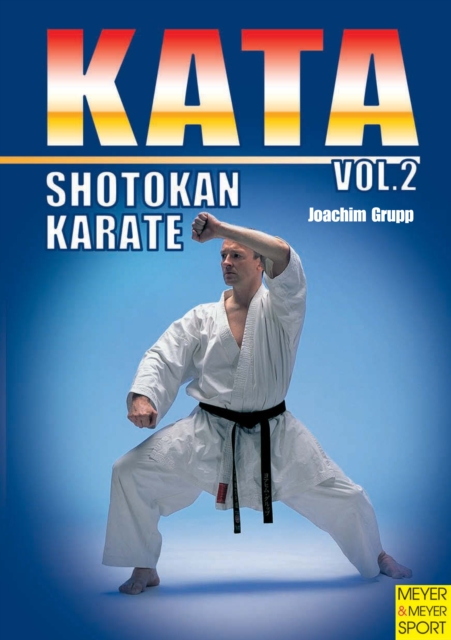
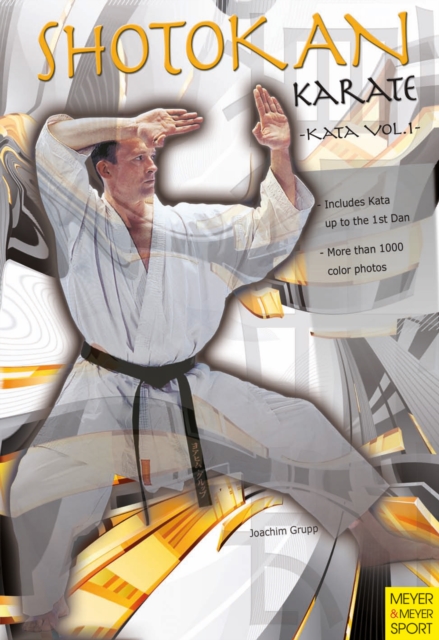
The book is aimed at providing the newcomer to Kata as well as the Kata club instructor with up-to-date lessons that can be used immediately on the mat without any other preparation.
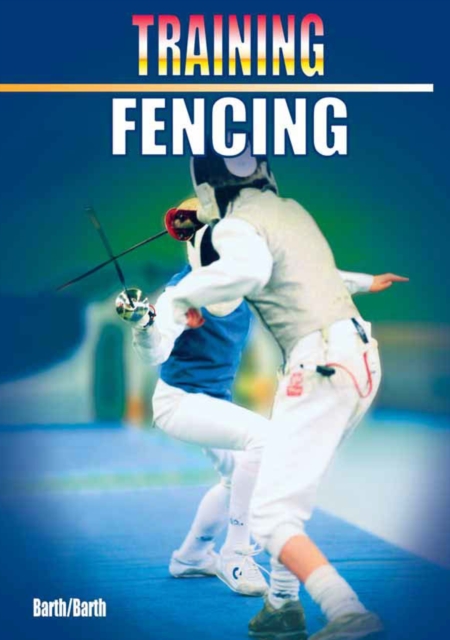
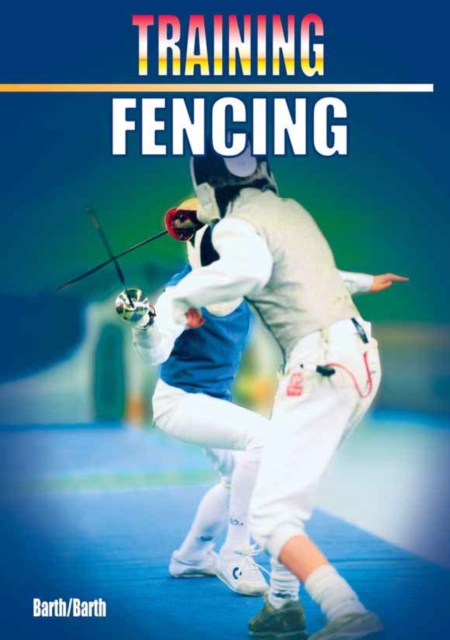
Building on the book "e;Learning Fencing"e;, this book explains how to train for the techniques and tactics in the sport of fencing and shows why fencers must improve their endurance, strength, and speed.
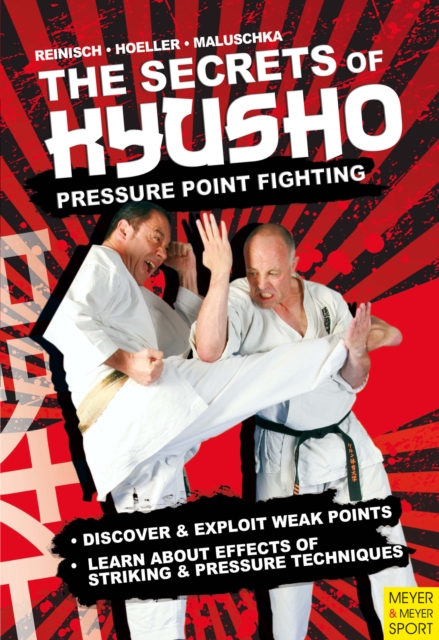
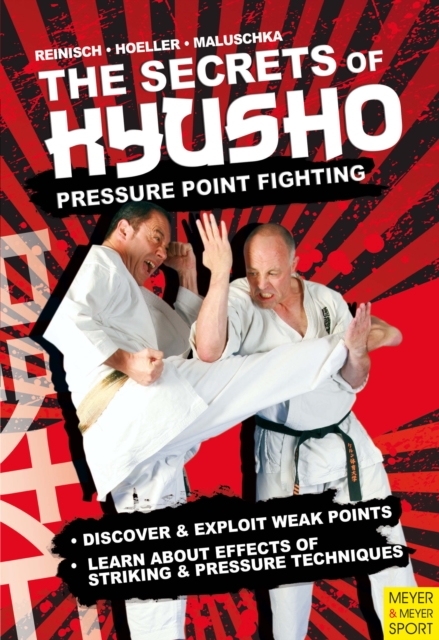
Every action in Martial Arts and self defense aims at discovering the opponents' weak points, exploiting them and finally disabling him/her without injury or to bring him/her under control.
Building on the book "e;Learning Fencing"e;, this book explains how to train for the techniques and tactics in the sport of fencing and shows why fencers must improve their endurance, strength, and speed.
Every action in Martial Arts and self defense aims at discovering the opponents' weak points, exploiting them and finally disabling him/her without injury or to bring him/her under control.
90 Days of Heat is an adventure recounting the 90 straight days of Moksha Hot Yoga David Matthew Brown went through to find inner peace after his divorce.
This book, written in a style easily comprehended by a child and containing motivating illustrations, was written with the youngest of athletes in mind.