Climate is a soil-forming factor and soil can mitigate climate change through a reduction in the emissions of greenhouse gases and sequestration of atmospheric CO2.
Climate is a soil-forming factor and soil can mitigate climate change through a reduction in the emissions of greenhouse gases and sequestration of atmospheric CO2.
Soil and Fertilizers: Managing the Environmental Footprint presents strategies to improve soil health by reducing the rate of fertilizer input while maintaining high agronomic yields.
Soil and Fertilizers: Managing the Environmental Footprint presents strategies to improve soil health by reducing the rate of fertilizer input while maintaining high agronomic yields.
Crop Production Technologies for Sustainable Use and Conservation:Physiological and Molecular Advances presents an abundance of research on important and new production technologies for the successful sustainable production of major crops.
Crop Production Technologies for Sustainable Use and Conservation:Physiological and Molecular Advances presents an abundance of research on important and new production technologies for the successful sustainable production of major crops.
Rethinking African Agriculture argues that rural communities in Africa are still shaped by non-agrarian factors both in livelihood strategy and social formation.
Rethinking African Agriculture argues that rural communities in Africa are still shaped by non-agrarian factors both in livelihood strategy and social formation.
Authored by world-class scientists and scholars, The Handbook of Natural Resources, Second Edition, is an excellent reference for understanding the consequences of changing natural resources to the degradation of ecological integrity and the sustainability of life.
Authored by world-class scientists and scholars, The Handbook of Natural Resources, Second Edition, is an excellent reference for understanding the consequences of changing natural resources to the degradation of ecological integrity and the sustainability of life.
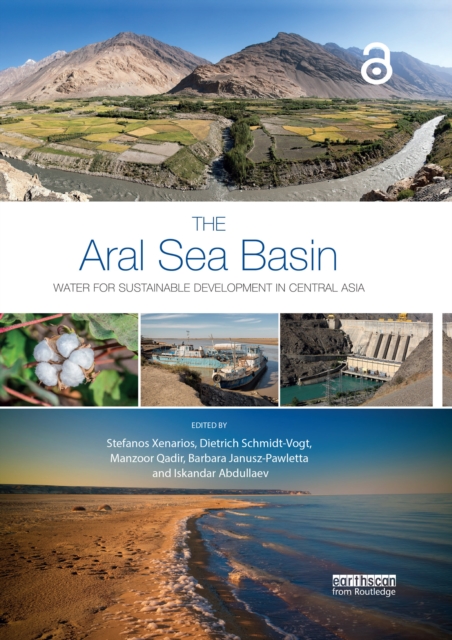
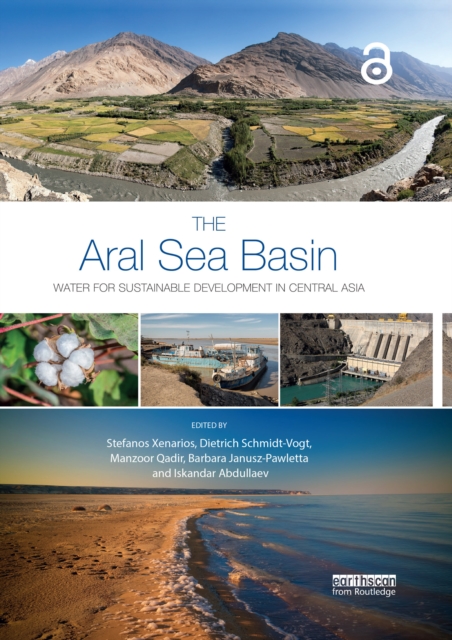
This book offers the first multidisciplinary overview of water resources issues and management in the Aral Sea Basin, covering both the Amu Darya and Syr Darya River Basins.
This book offers the first multidisciplinary overview of water resources issues and management in the Aral Sea Basin, covering both the Amu Darya and Syr Darya River Basins.
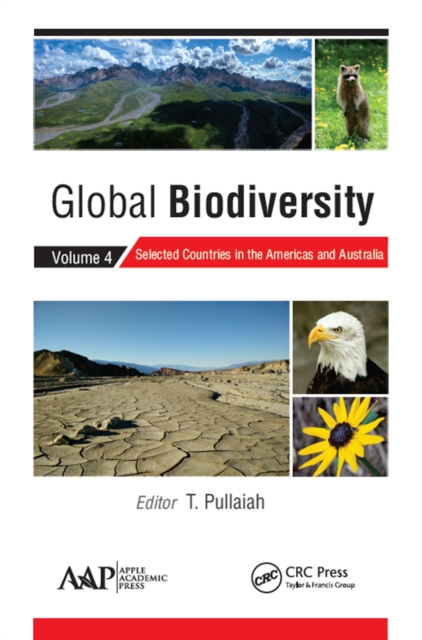
This fourth volume in the new multi-volume set Global Biodiversity is a rich resource on the biodiversity of a selection of countries in the Americas and in Australia.
This fourth volume in the new multi-volume set Global Biodiversity is a rich resource on the biodiversity of a selection of countries in the Americas and in Australia.
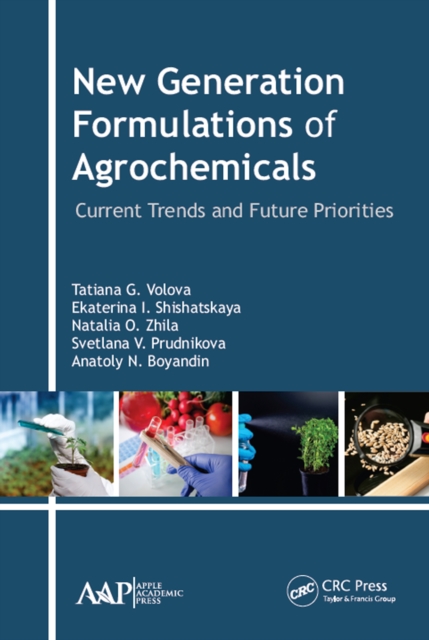
This important volume provides new research on the design and application of ecologically safe formulations for protecting cultivated crops against pathogen-causing diseases and weedsa "e;that also provide nitrogen fertilizers at the same time.
This important volume provides new research on the design and application of ecologically safe formulations for protecting cultivated crops against pathogen-causing diseases and weedsa "e;that also provide nitrogen fertilizers at the same time.
Here is a comprehensive introductory discussion of Earth, energy, and the environment in an integrated manner that will lead to an appreciation of our complex planet.
Here is a comprehensive introductory discussion of Earth, energy, and the environment in an integrated manner that will lead to an appreciation of our complex planet.
This volume responds to the growing interest in adopting aerial robots (UAVs, or drones) for agricultural crop production, which are revolutionizing farming methods worldwide.
This volume responds to the growing interest in adopting aerial robots (UAVs, or drones) for agricultural crop production, which are revolutionizing farming methods worldwide.
In a two-year study, the National Academy of Sciences' Committee on Developing Strategies for Rangeland Management examined at length the scientific, political, economic, legal, and social issues arising from the BLM's stewardship role.
In recent years, policy makers have been paying more attention to the problems of small farmers in developing countries with the idea of increasing their pro-duction and standard of living.
Much of the improvement in material living standards in the Third World is attributable to the exploitation of nonrenewable resources such as fossil fuels and metallic ores, and to the exploitation of renewable resource systems at rates that cannot be sustained.
Soil erosion has become a problem of crisis proportions in developing countries around the globe, and better approaches to land management are desperately needed.
This book analyzes the implications of the trend toward increased seller concentration due to mergers and leveraged buyouts that have helped increase food firm stock prices 900"e; during the 1980s.
The performance of the agricultural sector and other related areas of the economy of Bangladesh are assessed in this book, which includes descriptions and analyses of Bangladesh's natural and human resource bases; trends in agricultural input use and production of major crops; the agricultural marketing system; public sector interventions, organization, and financing; donor programs; and the agricultural research, extension, and educational systems.
This book provides a broad, interdisciplinary overview of the major facets of Indonesia's contemporary agricultural and rural development, while exploring the macro and micro factors that account for uneven development patterns.
The editors are grateful for the editing and production assistance of a number of IDA staff members, especially Sylvia Horowitz, who copyedited the entire manuscript and supervised its transformation for computer-generated typesetting.
This comprehensive study outlines the current transformation in agriculture and its effect on the demography, development, and economy of the People's Republic of the Congo.
This book is about International Service for National Agricultural Research's (ISNAR) study to identify key factors that influenced the effectiveness and efficiency of links between research and technology transfer.
This book looks at the input-output relations of low-resource agriculture in Africa and shows how the intensification process through the application of modern technologies can work successfully to raise productivity and to sustain production over the long term.
This book contains the Office of Technology Assessment commissioned papers analyzing the Northeast, South, Midwest, the Great Plains and the West of the U.
This book examines gender relations to land relations that are crucial to formulating policies through which African women's food producing capabilities can be advanced.
This book is the product of an international conference hosted by the Women in Agricultural Development (WIAD) Program at the University of Florida in 1986.
Shortly after World War II the United States began to export to developing countries the 'land-grant model"e;-its system of applied agricultural science.
This book examines the rationale for emphasizing productivity as the dominant goal of agricultural research and challenges in the form of alternative goals that scientists might seek in performing agricultural research.