The soil water retention curve, the saturated hydraulic conductivity and the unsaturated hydraulic conductivity function are basic soil hydraulic functions and parameters.
Molecular Mechanisms of Plant and Microbe Coexistence presents studies on the complex and manifold interactions of plants and microbes at the population, genomics and proteomics level.
Contaminant Geochemistry: Interactions and Transport in the Subsurface Environment combines the earth science fields of subsurface hydrology and en- ronmental geochemistry and aims to provide a comprehensive background for s- dents and researchers interested in protection and sustainable management of the subsurface environment.
Genomics research on animals has generated huge databases and several new concepts and strategies, which are used to elucidate origin, evolution and phylogeny of species.
Recent advances in the study of nitric oxide (NO) biology, biochemistry, molecular biology and physiology in plants are presented in this book, providing an overview of current understanding of the NO actions involved in adaptive responses of plant fitness to environmental constraints.
In the past, insecticide development has been guided mostly by chemo-rational and bio-rational design based on understanding of the physiology and ecology of insects and crops.
It is becoming increasingly realised that the oceans and rivers, in particular, are not unlimited reservoir into which waste can be dumped and that control of these emissions is necessary if complete destruction of the environment is to be avoided.
It is our utmost pleasure to present a new book on tobacco BY-2 cells, Tobacco BY-2 Cells: From Cellular Dynamics to Omics, as the 58th volume in the book series Biotechnology in Agriculture and Forestry (BAF).
Agricultural production is highly dependent on weather, climate and water availability and is adversely affected by the weather and climate-related disasters.
The book entitled Methods of Soil & Water Anal/sis Is a compilation of tome tested widely uvc analytical method ot characterizing soil and water the text presented in the book is subdivided into fourteen chapters and appendices dealing with the procedure Ibis quantifying the physical and chemical properties of soil and water modification in the procedure and calculation are made.
The book entitled Methods of Soil & Water Anal/sis Is a compilation of tome tested widely uvc analytical method ot characterizing soil and water the text presented in the book is subdivided into fourteen chapters and appendices dealing with the procedure Ibis quantifying the physical and chemical properties of soil and water modification in the procedure and calculation are made.
During recent decades of research by a large group of agricultural scientists working in the diagnostic field, many new methods have been devised to aid farmers in fertilizing their crops more effectively.
During recent decades of research by a large group of agricultural scientists working in the diagnostic field, many new methods have been devised to aid farmers in fertilizing their crops more effectively.
Providing an exhaustive background on the history of genetically modified organism (GMO) crops and foods as well as the controversies surrounding these products, this book allows readers to develop their own particular viewpoint on the production and use of GMO substances.
Providing an exhaustive background on the history of genetically modified organism (GMO) crops and foods as well as the controversies surrounding these products, this book allows readers to develop their own particular viewpoint on the production and use of GMO substances.
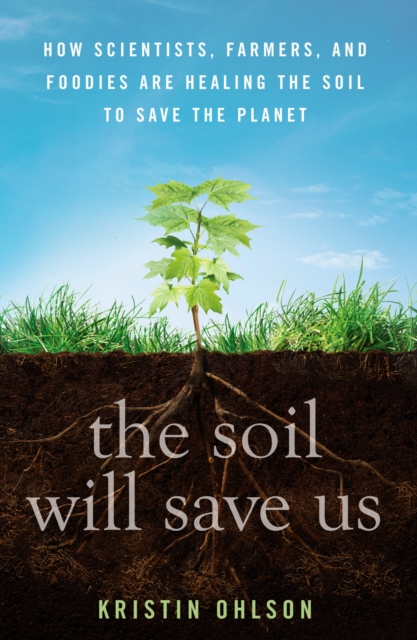
Thousands of years of poor farming and ranching practices—and, especially, modern industrial agriculture—have led to the loss of up to 80 percent of carbon from the world''s soils.
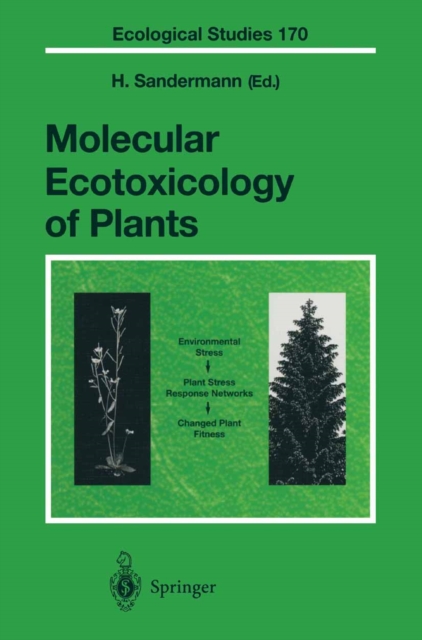
A well-structured and comprehensive summary of the strategies and several case studies for applying molecular plant genomics in the fields of plant ecotoxicology and plant ecology.
Biology of the Fungal Cell offers a select sampling of current knowledge and direction of fundamental research into the cellular structure, morphogenesis and development of fungi.
The rapid population growth and the increase in the per capita income, especially in the group of emerging countries referred to as BRIC countries (Brazil, Russia, India, China and South Africa) has created huge pressure for the expansion of the agricultural growing area and the crop yields to meet the rising demand.
Heavy metal accumulation in soil and water from natural sources or anthropogenic activities have produced severe environmental contamination in some parts of the world due to the persistence of metals in the environment by their accumulation throughout the food chain.
Development of transgenic crop plants, their utilization for improved agriculture, health, ecology and environment and their socio-political impacts are currently important fields in education, research and industries and also of interest to policy makers, social activists and regulatory and funding agencies.
The relationships between soils, microbes and humans are of crucial relevance in the tropics, where plant stress and microbial activity are exacerbated.