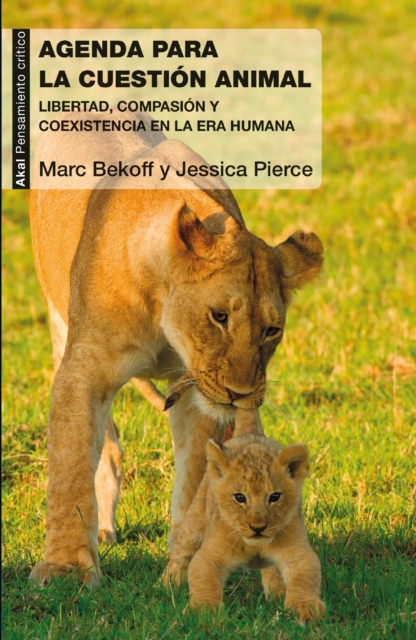
"Todos los días aprendemos cosas nuevas y sorprendentes sobre la inteligencia y la capacidad emocional de los animales, algo que solemos obviar con demasiada frecuencia.
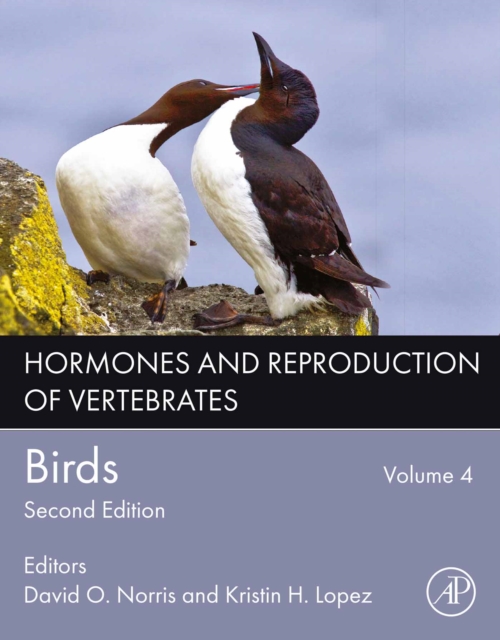
Hormones and Reproduction of Vertebrates, Volume 4: Birds is the fourth of five second-edition volumes representing a comprehensive and integrated overview of hormones and reproduction in fishes, amphibians, reptiles, birds, and mammals.
In recent years nobody could have failed to notice the frequent and often sensati- alist media headlines warning of the latest global disease threat to humankind.
This book explores how we can solve the urgent problem of optimizing the use of variable, uncertain but finite fisheries resources while maintaining sustainability from a marine-ecosystem conservation perspective.
This is the first English book to address the current development of closed recirculating aquaculture systems (cRASs) in Japan, and its implications for industry in the near future.
This book focuses on the ecological impacts of the Great East Japan Earthquake and resulting tsunamis, a rare and extremely large disturbance event, on various coastal ecosystems in Japan's Tohoku area, including sub-tidal and tidal animal communities, sand dune plant communities and coastal forests.
The author proposed the satoumi concept, analogous to the satoyama concept on land, as "e;coastal sea with high biodiversity and productivity in harmony with human interaction"e; in 1998.
As the largest group of extant vertebrates, fish offer an almost limitless number of striking examples of evolutionary adaptation to environmental and biotic selection pressure.
Im heißen Sommer 2018 lernen sich die Bildhauerin Bettina Thierig und die Bienenwissenschaftlerin Dorothea Brückner kennen – und entdeckten neben ihrer gemeinsamen Faszination für die Bienen wie die unterschiedlichen Blickwinkel auf die Tiere neue Perspektiven, neue Denkweisen hervorbrachten.
Sehr häufig lesen wir darüber, wie die Landwirtschaft unter den Folgen des Klimawandels leidet und welche Anpassungen notwendig sind, um auch bei steigenden Temperaturen und veränderten Niederschlagsverhältnissen die Lebensmittelversorgung der Weltbevölkerung zu sichern.
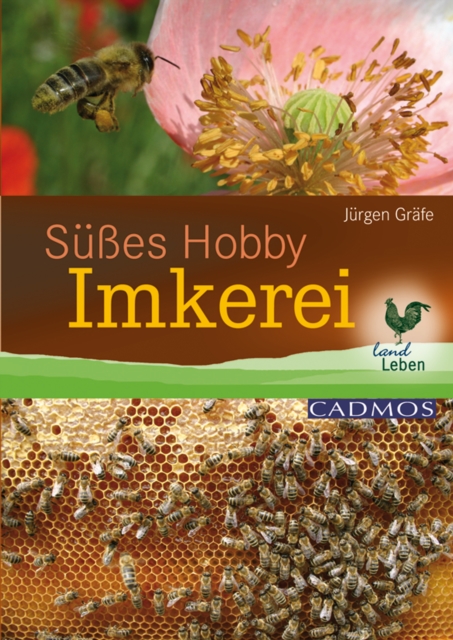
Ein Buch für Menschen, die mehr über die faszinierende Welt der Honigbienen erfahren möchten und ein unentbehrlicher Ratgeber für alle, die sich für die Imkerei als erbauliche Freizeitbeschäftigung interessieren.
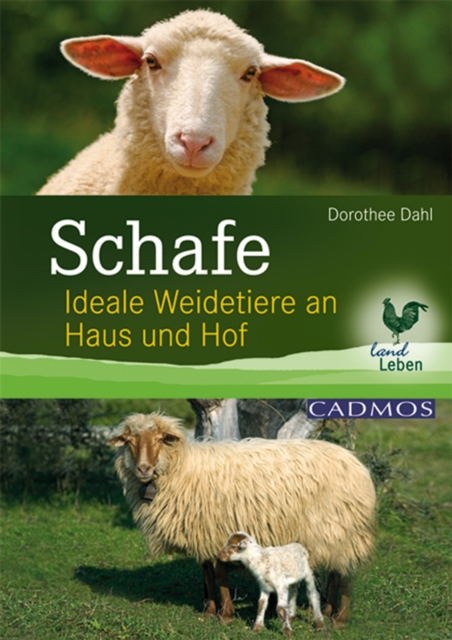
Wer Schafe als Haustiere halten möchte, erfährt in diesem Buch alles Wissenswerte über die artgerechte Haltung, Fütterung und Pflege der wolligen Rasenmäher.
Obwohl im Schnitt jeder Deutsche 60 Kilogramm Schweinefleisch im Jahr verzehrt, soviel Fleisch wie von keinem anderen Tier, sind Schweine heute kaum noch in unserer Landschaft anzutreffen.
Nanobiotechnology for Food Processing and Packaging covers nanomaterials' application as an eco-friendly, greener, cost-effective and easy handling and management approach that can help prevent various high-level physical, biological and chemical contamination in foodstuff.
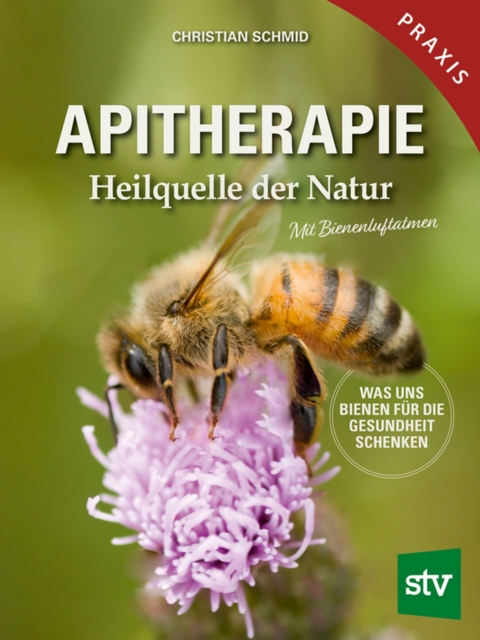
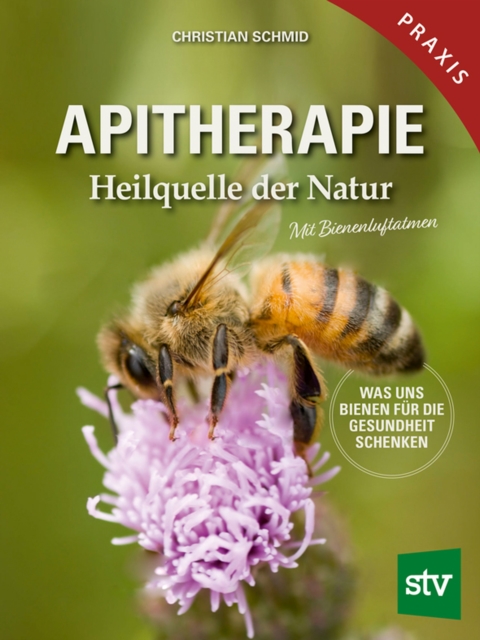
Apitherapie (lateinisch "Apis" = Biene) ist die Anwendung von Bienenprodukten wie Honig, Bienengift, Propolis, Pollen und Bienenwachs zur Vorbeugung und Heilung von Krankheiten.
Apitherapie (lateinisch "Apis" = Biene) ist die Anwendung von Bienenprodukten wie Honig, Bienengift, Propolis, Pollen und Bienenwachs zur Vorbeugung und Heilung von Krankheiten.
This book offers a timely and comprehensive review of essential research on Peste des Petits Ruminants Virus (PPRV), ranging from its historical distribution, molecular epidemiology, genome structure, viral proteins, immunity, viral pathogenesis, clinical and molecular diagnosis to advances in vaccine developments and future challenges.
This book provides both the conceptual basis and technological tools that are necessary to identify and solve problems related to biodiversity governance.
This book summarizes current advances in our understanding of how infectious disease represents an ecological interaction between a pathogenic microorganism and the host species in which that microbe causes illness.
Meeresbiologische Exkursionen sind besondere Höhepunkte des Biologiestudiums, weil Studenten bei kaum einer anderen Gelegenheit die überwältigende Formenmannigfaltigkeit der Organismen so unmittelbar lebend kennenlernen können.
With the dramatically rising sophistication of biological methods and products and the increasing use of recombinant DNA technology, now is an apt time to review the status of biotechnology in animal feeding.