This book introduces readers to both seed treatment and seedling pretreatments, taking into account various factors such as plant age, growing conditions and climate.
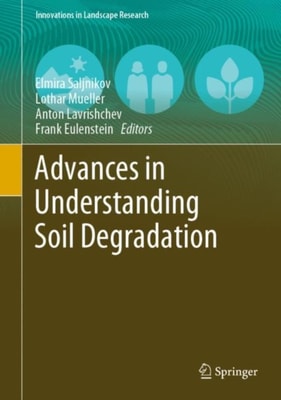
This book addresses the threats that hamper the achievement of sustainable soil management: soil erosion by water and wind, soil organic carbon loss, nutrient imbalance, salinization, contamination, acidification, loss of soil biodiversity, surface sealing, compaction and water logging.
This volume presents select papers presented at the 7th International Conference on Recent Advances in Geotechnical Earthquake Engineering and Soil Dynamics.
In this monograph, the core elements of multidisciplinary bioremediation practices are addressed and environmental pollutants which can be effectively remediated using weeds is focused upon.
This book, Smart Agriculture: Harnessing Machine Learning for Crop Management, is a comprehensive guide designed to explore the various facets of integrating machine learning into agricultural practices.
This book introduces the highly topical issue from many different angles, sensitizing readers to the various challenges to human life posed by climate change, identifying possible intentional and inadvertent anthropogenic factors and consequences, and seeking socially and environmentally viable solutions.
An exploration of the relationship between possession and legalization across Indonesia, and how people navigate dispossession The old aphorism "e;possession is nine-tenths of the law"e; is particularly relevant in Indonesia, which has seen a string of regime changes and a shifting legal landscape for property claims.
Following the successful first edition, this revised and greatly expanded edition Tomato Diseases: Identification, Biology and Control is the definitive work on the diseases and disorders of the tomato.
Advances in Agronomy, Volume 175, the latest release in this leading reference on agronomy, contains a variety of updates and highlights new advances in the field.
The Perfect Puppy: Breed Selection and Care by Veterinary Science for Behavior and Neutering Age provides the most updated and expert knowledge on dog breeds to guide the selection of a puppy or mature dog.
Estimating evapotranspiration (ET) has been one of the most critical research areas in agriculture because of water scarcity, the growing population, and climate change.
Chapters outline up-to-date strategies regarding breeding, chemical and biological control, cultural and environmental manipulation, diagnosis, nutrition, and sanitation and how these approaches directly influence ornamental plant health.
This book informs about knowledge gain in soil and land degradation to reduce or prevent it for meeting the mission of the Sustainable Developments Goals of the United Nations.
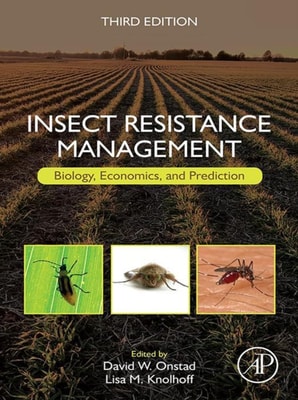
The third edition of Insect Resistance Management: Biology, Economics, and Prediction expands coverage by including three new chapters on African agriculture, genetic control of pests, and fitness costs of resistance.
The Veterinarian's Guide to Animal Welfare provides an overview of various aspects of animal welfare that are particularly relative to the veterinary profession.
Advances in Agronomy, Volume 173, the latest release in this leading reference on agronomy, contains a variety of updates and highlights new advances in the field, with each chapter written by an international board of authors.
This reference work encompasses the current, accepted state of the art in the science of wildfires and wildfires that spread to communities, known as wildland-urban interface (WUI) fires.
This newly updated and revised volume of the Encyclopedia of Sustainability Science and Technology (ESST) details the role of Animal Breeding and Genetics in the sustainability of animal agriculture.
This new edition is completely revamped and reorganized to reflect the change in standards and regulations and to include all new topics related to organizational sustainability and risk management.
This book presents deliberations on molecular and genomic mechanisms underlying the interactions of crop plants to the abiotic stresses caused by heat, cold, drought, flooding, submergence, salinity, acidity, etc.
This book investigates the role of climate-induced innovation and climate change mitigation technologies in reducing the negative impact of climate change.
This book examines different innovations in worldwide agricultural-systems including the applications of artificial intelligence (AI), internet of things (IoT) and features of machine learning (ML) for the benefits of the farm-community.
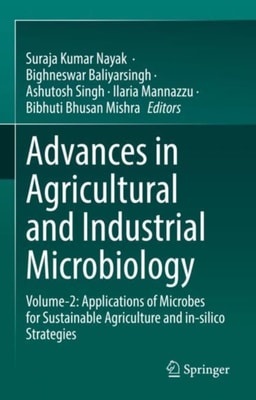
This book is developed in a lucid manner for readers to grasp information about the role and potential of microbes in sustainable agriculture & computational strategies associated with it.