Health Care Paradigms in the Internet of Things Ecosystem brings all IoT-enabled health care related technologies into a single platform so that undergraduate and postgraduate students, researchers, academicians and industry leaders can easily understand IoT-based healthcare systems.
Although somatosensory system works in tandem with the motor system in biology, the majority of the prosthetics research and commercial efforts had focused on accommodating movement deficits.
This first book on this fascinating topic is edited by one of today's most famous and internationally respected organic chemists, renowned for his pioneering synthesis of the cyclopropenyl cation.
Green Sustainable Process for Chemical and Environmental Engineering and Science: Methods for Producing Smart Packaging covers the latest advances in the development and production of smart packaging.
Chitosan: Novel Applications in Food Systems is a practical resource for those looking to understand new applications of chitosan in the food industry.
Distributed Computing to Blockchain: Architecture, Technology, and Applications provides researchers, computer scientists, and data scientists with a comprehensive and applied reference covering the evolution of distributed systems computing into blockchain and associated systems.
Bioremediation and Bioeconomy provides a common platform for scientists from various backgrounds to find sustainable solutions to environmental issues, including the ever-growing lack of water resources which are under immense pressure due to land degradation, pollution, population explosion, urbanization, and global economic development.
Bio-Based Polymers and Composites is the first book systematically describing the green engineering, chemistry and manufacture of biobased polymers and composites derived from plants.
Biology and Engineering of Stem Cell Niches covers a wide spectrum of research and current knowledge on embryonic and adult stem cell niches, focusing on the understanding of stem cell niche molecules and signaling mechanisms, including cell-cell/cell-matrix interactions.
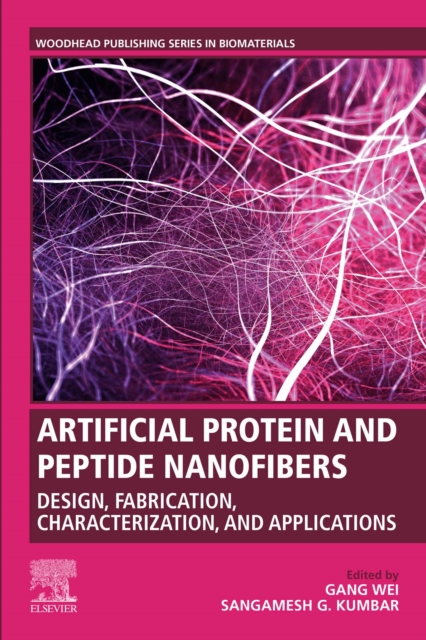
Artificial Protein and Peptide Nanofibers: Design, Fabrication, Characterization, and Applications provides comprehensive knowledge of the preparation, modification and applications of protein and peptide nanofibers.
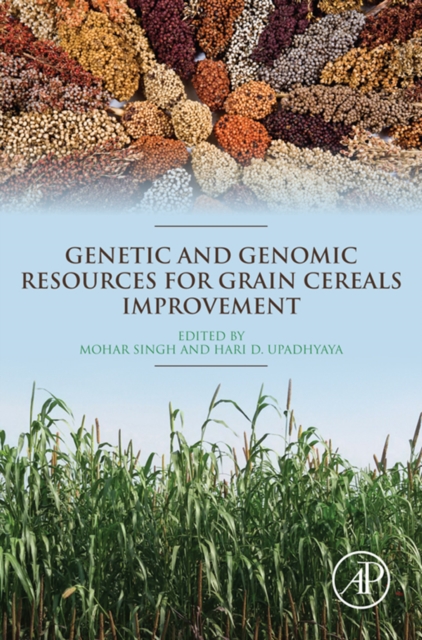
Genetic and Genomic Resources For Cereals Improvement is the first book to bring together the latest available genetic resources and genomics to facilitate the identification of specific germplasm, trait mapping, and allele mining that are needed to more effectively develop biotic and abiotic-stress-resistant grains.
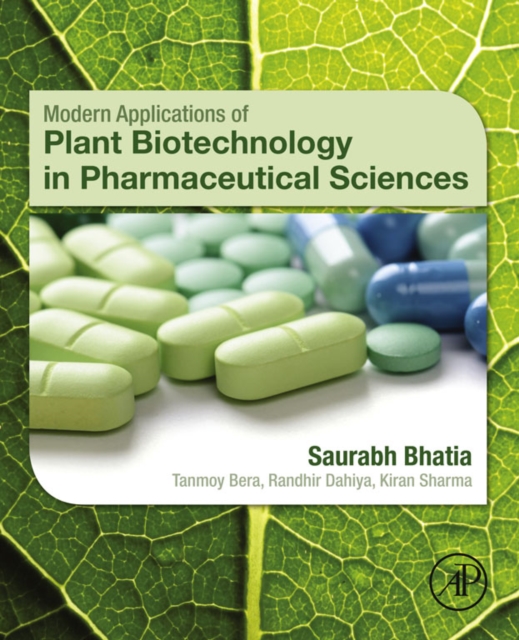
Modern Applications of Plant Biotechnology in Pharmaceutical Sciences explores advanced techniques in plant biotechnology, their applications to pharmaceutical sciences, and how these methods can lead to more effective, safe, and affordable drugs.
Mineral Scales and Deposits: Scientific and Technological Approaches presents, in an integrated way, the problem of scale deposits (precipitation/crystallization of sparingly-soluble salts) in aqueous systems, both industrial and biological.
The patenting and licensing of human genetic material and proteins represents an extension of intellectual property (IP) rights to naturally occurring biological material and scientific information, much of it well upstream of drugs and other disease therapies.
The American chestnut, whitebark pine, and several species of ash in the eastern United States are just a few of the North American tree species that have been functionally lost or are in jeopardy of being lost due to outbreaks of pathogens and insect pests.
After discussions with the National Cancer Institute and the Department of Energy the Board on Biology of the National Research Council agreed to run a workshop under the auspices of its Forum on Biotechnology entitled "e;Privacy Issues in Biomedical and Clinical Research"e; on November 1, 1997.
AI Assurance: Towards Trustworthy, Explainable, Safe, and Ethical AI provides readers with solutions and a foundational understanding of the methods that can be applied to test AI systems and provide assurance.
Synthetic biologyunlike any research discipline that precedes ithas the potential to bypass the less predictable process of evolution to usher in a new and dynamic way of working with living systems.
The patenting and licensing of human genetic material and proteins represents an extension of intellectual property (IP) rights to naturally occurring biological material and scientific information, much of it well upstream of drugs and other disease therapies.
Regenerative medicine, encompassing stem cells and tissue engineering, has attracted huge interest within commercial, clinical and government circles, and promises to change medicine itself.
Nanozymes: A Revolutionary Perspective on Approachable Bio-applications provides an in-depth overview of nanozymes, with a special focus on nanozymes synthesis and their various applications in biological sciences.
Very Short Introductions: Brilliant, Sharp, Inspiring In this exploration of the concept of the gene, Jonathan Slack looks at the discovery, nature, and role of genes in both evolution and development.
Leveraging Artificial Intelligence in Global Epidemics provides readers with a detailed technical description of the role Artificial Intelligence plays in various stages of a disease outbreak, using COVID-19 as a case study.
Smartphone Apps for Health and Wellness helps readers navigate the world of smartphone apps to direct them to those which have had the best medical evidence in obtaining the users' goal.
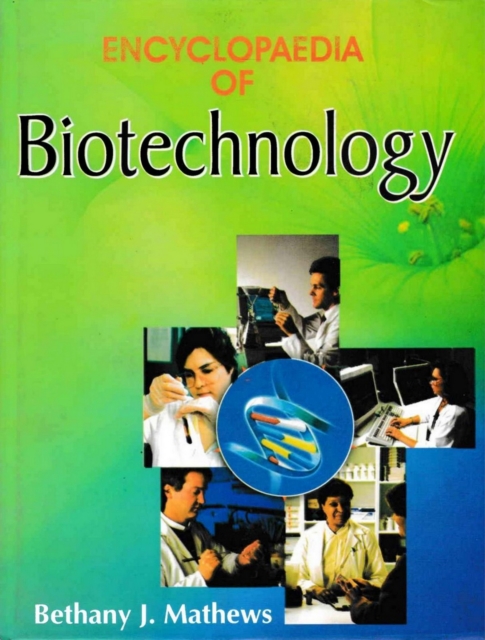
Encyclopaedia of Biotechnology covers an enormous range of technical terms from both pure and applied Biotechnology; this superb reference goes beyond basic definitions to provide helpful explanations and examples.
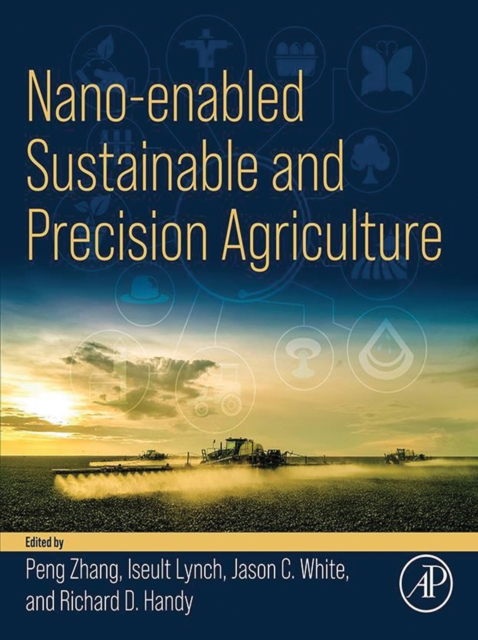
Nano-enabled Sustainable and Precision Agriculture is the first single-volume resource to cover this important field using a whole systems approach that considers both opportunities and challenges.
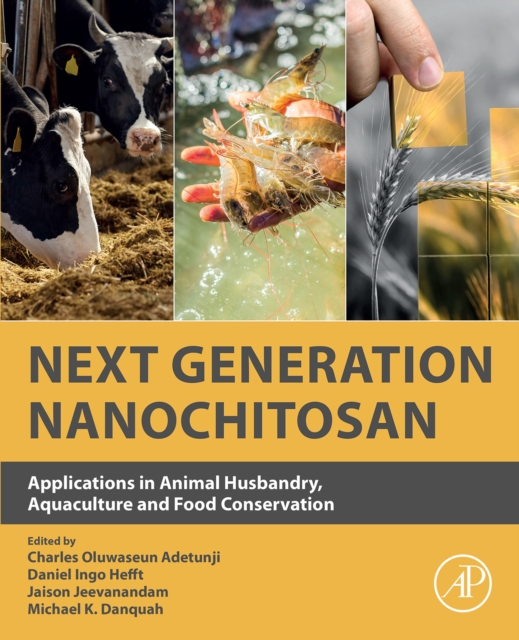
Next Generation Nanochitosan: Applications in Animal Husbandry, Aquaculture and Food Conservation provides comprehensive and state-of-the-art-information on the application of nanochitosan for improving products, especially for the evaluation of biological active molecules, disease therapeutics, transport vehicle for DNA, targeted drug delivery, gene therapy, development of smart and high performance of fish, preservation of foods, tissue engineering, and improving the taste of aquatic and animal feeds as fish growth promoter.