Discusses and explains the major advances that the new technology of applying molecular genetic techniques of modifying carbon and nitrogen in plants has provided, giving insights into its applications for the benefits of agriculture, the environment and man.
Written with a diverse audience in mind, this book describes the current status, development, and future prospects for the critical technology of second-generation biorefineries, specifically with a focus on lignocellulosic materials as feedstock.
Many varieties of new, complex diseases are constantly being discovered, which leaves scientists with little choice but to embrace innovative methods for controlling the invasion of life-threatening problems.
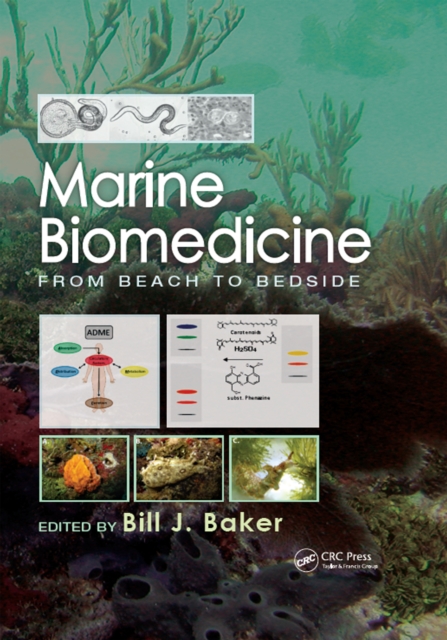
Marine Biomedicine: From Beach to Bedside assesses current efforts in marine biomedicine and evaluates the implications of recent advances on the future of the field.
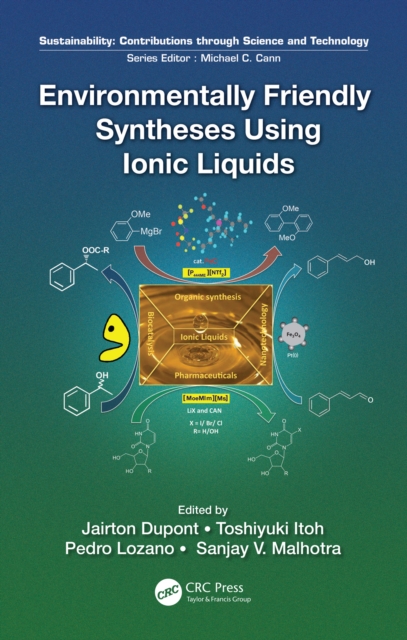
Increased environmental consciousness within the scientific community has spurred the search for environmentally friendly processes as alternatives to conventional organic solvents.
As many biological products face losing their patents in the next decade, the pharmaceutical industry needs an abbreviated regulatory pathway for approval of biosimilar drug products, which are cost-effective, follow-on/subsequent versions of the innovator's biologic products.
This book reviews the evidence supporting the influence of plant fibers on our daily life by either having impacts on our nutrition or improving processed foods for human and animal feeding.
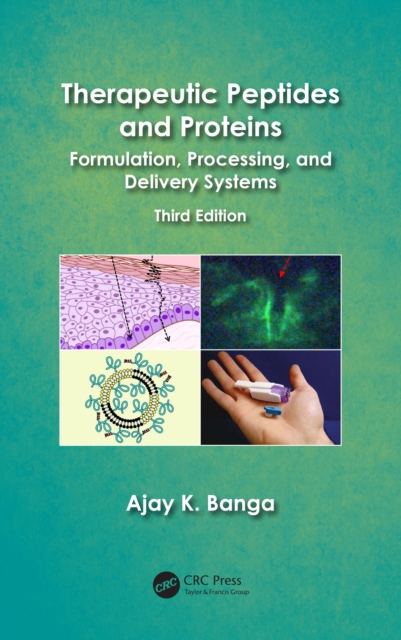
There are more than 500 biopharmaceuticals on the market, including more than 200 therapeutic proteins, making biologics the fastest growing sector in the biopharmaceutical market.
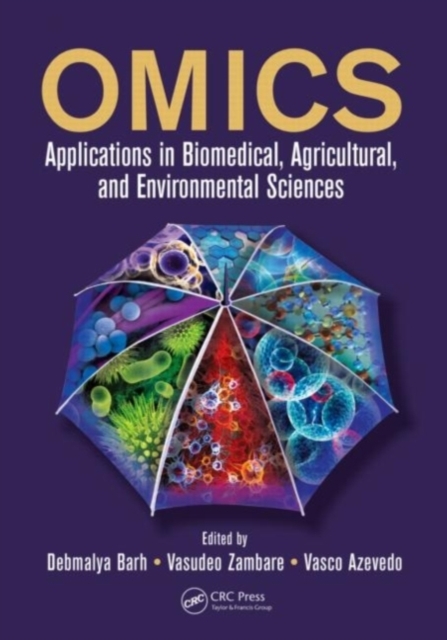
With the advent of new technologies and acquired knowledge, the number of fields in omics and their applications in diverse areas are rapidly increasing in the postgenomics era.
Owing to its considerable winter hardiness, rye is a cereal that played a major role in the feeding of European populations throughout the Middle Ages.
The six years that have passed since the publication of the first edition have brought significant advances in both biofilm research and biofilm engineering, which have matured to the extent that biofilm-based technologies are now being designed and implemented.
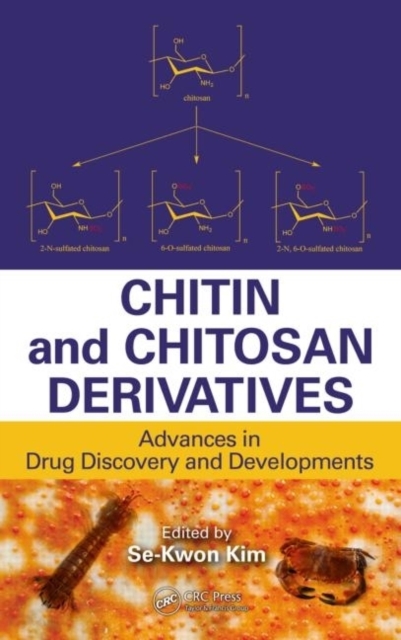
A natural long-chain polymer, chitin is the main component of the cell walls of fungi, the exoskeletons of arthropods (including crustaceans and insects), the radulas of mollusks, and the beaks and internal shells of cephalopods.
Filling the need for a lab textbook in this rapidly growing field, A Laboratory Course in Tissue Engineering helps students develop hands-on experience.
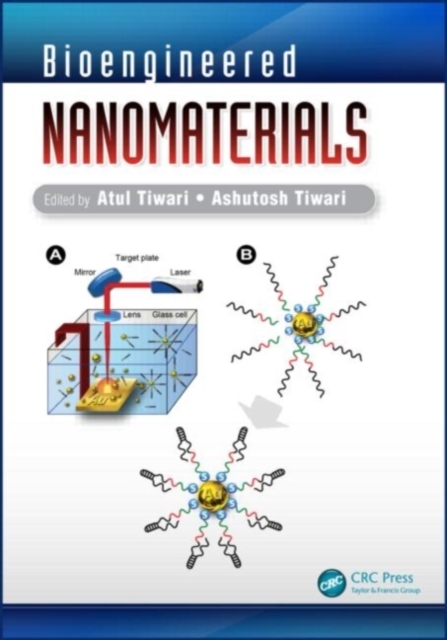
Micro/nano-scale engineering-especially the design and implementation of ultra-fast and ultra-scale energy devices, sensors, and cellular and molecular systems-remains a daunting challenge.
Microbially derived surfactants, called biosurfactants, provide a promising alternative to synthetic surfactants, displaying better availability and being generally nontoxic and biodegradable.
The entire scope of the BioMEMS field-at your fingertipsHelping to educate the new generation of engineers and biologists, Introduction to BioMEMS explains how certain problems in biology and medicine benefit from and often require the miniaturization of devices.
As a result of their unique physical properties, biological membrane mimetics, such as liposomes, are used in a broad range of scientific and technological applications.
This and its companion Volumes 4 and 6 document the proceedings of the 5th International Symposium on Surfactants in Solution held in Bordeaux, France, July 9-13, 1984.
The field of bacterial genetics has been restricted for many years to Escherichia coli and a few other genera of aerobic or facultatively anaerobic bacteria such as Pseudomonas, Bacillus, and Salmonella.
Like many genetic engineers, I have recently been receiving the atten- tion of various venture capital companies, international drug houses and Members of Parliament.
Ten years after the publication of the first edition of Fundamentals of Food Process Engineering, there have been significant changes in both food science education and the food industry itself.
We are pleased to present Volume 9 of our highly successful series, which now celebrates 12 years of providing the magnetic resonance community with topical, authoritative chapters on new aspects of biological magnetic resonance.
By covering both the general principles of bioconversion and the specific characteristics of the main groups of waste materials amenable to bioconversion methods, this new book provides the chemical, biochemical, agrochemical and process engineer with clear guidance on the use of these methods in devising a solution to the problem of industrial waste products.
Aspects of genetic engineering research emphasized in this volume are applications to plants (crop plants and grass, both important for human needs) and new methodologies, such as Tar cloning, which make it much easier to isolate specific regions from complex genomes.