Phage Display in Biotechnology and Drug Discovery, Second Edition provides a comprehensive view of the impact and promise of phage display in drug discovery and biotechnology.
As rapid technological developments occur in electronics, photonics, mechanics, chemistry, and biology, the demand for portable, lightweight integrated microsystems is relentless.
Now that prohibitions against stem cell research are relaxing, it is time for the field to move forward with the advances that promise to eliminate so much human suffering.
This book covers the basic structural, thermodynamic and kinetic principles are covered and molecular strategies for the adaptation to high temperatures revealed by structure analysis are delineated.
A thorough overview of nanobiotechnology and its place in advances in applied science and engineering, The Nanobiotechnology Handbook combines contributions from physics, bioorganic and bioinorganic chemistry, molecular and cellular biology, materials science, and medicine as well as from mechanical, electrical, chemical, and biomedical engineering to address the full scope of current and future developments.
The first book to tackle the application of smart polymers in bioseparation and bioprocessing, Smart Polymers: Applications in Biotechnology and Biomedicine broke new ground in this challenging field.
Colloids show great potential in a wide variety of applications, including drug delivery and medical imaging, and the design and fabrication of colloid systems has attracted considerable interest in the research community.
The field of materials science and technology has undergone revolutionary advances due to the development of novel analytical tools, functional materials, and multidisciplinary approaches to engineering.
Known as the bible of biomedical engineering, The Biomedical Engineering Handbook, Fourth Edition, sets the standard against which all other references of this nature are measured.
Taking a broad and innovative informational approach, Sustainable Agriculture and New Biotechnologies is the first book to apply omic technologies to address issues related to understanding and improving agricultural sustainability in the food production process.
When the Nobel Prize Committee recognized the importance of green chemistry with its 2005 Nobel Prize for Chemistry, this relatively new science came into its own.
Oligonucleotides represent one of the most significant pharmaceutical breakthroughs in recent years, showing great promise as diagnostic and therapeutic agents for malignant tumors, cardiovascular disease, diabetes, viral infections, and many other degenerative disorders.
The activity of many biopharmaceutical polymers is dependent on conformation, and the next several years will see increased interest in the conformational analysis of these polymers resulting from the development of biosimilar or "e;follow-on"e; biological products.
This comprehensive handbook presents fundamental aspects, fabrication techniques, introductory materials on microbiology and chemistry, measurement techniques, and applications of microfluidics and nanofluidics.
What role will biofuels play in the scientific portfolio that might bring energy independence and security, revitalize rural infrastructures, and wean us off of our addiction to oil?
Support vector machines (SVMs) are used in a range of applications, including drug design, food quality control, metabolic fingerprint analysis, and microarray data-based cancer classification.
Molecular toxicology is an emerging discipline that utilizes molecular and cell biology to understand how drugs and chemicals result in their unwanted effects.
Compiling recent advances in membrane separations technology, this highly relevant book introduces cost-effective solutions for separation problems in a wide range of industries.
Transgenic plants present enormous potential to become one of the most cost-effective and safe systems for large-scale production of proteins for industrial, pharmaceutical, veterinary, and agricultural uses.
Integrated Biorefineries: Design, Analysis, and Optimization examines how to create a competitive edge in biorefinery innovation through integration into existing processes and infrastructure.
Orchids are fascinating ornamental flowers with a huge market both as cut flowers and potted plants, but they are also used in the traditional medicine system as they can be rich in phytochemicals with exceptional medicinal properties.
The fields of microfluidics and BioMEMS are significantly impacting cell biology research and applications through the application of engineering solutions to human disease and health problems.
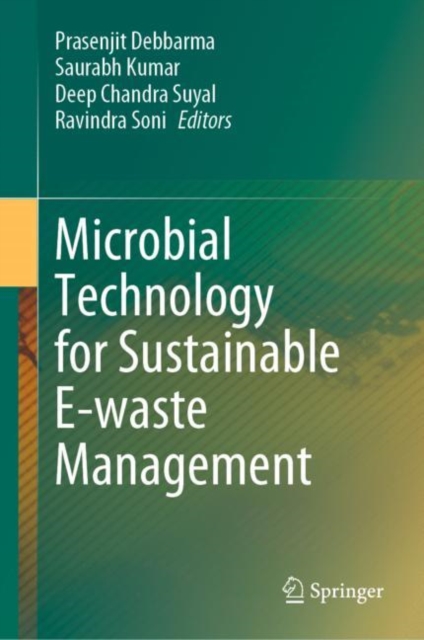
This book, besides discussing challenges and opportunities, will reveal the microbe-metal interactions and strategies for e-waste remediation in different ecosystems.
Application of Gellan Gum as a Biomedical Polymer details key topics and fundamental aspects of gellan gum and its biomedical applications in drug delivery, proteins and peptides delivery, cell delivery, tissue engineering, wound dressings and enzyme immobilizations in developing high quality products.
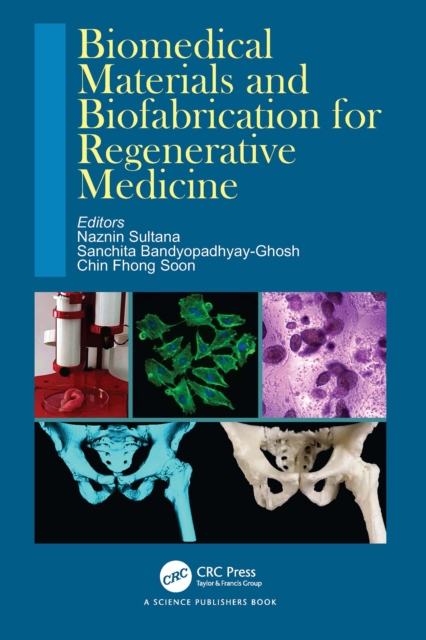
Biomedical Materials and Biofabrication for Regenerative Medicine addresses the existing and future trends of tissue engineering approaches for regenerating various organs/tissues.
Nanobiomaterials exhibit distinctive characteristics, including mechanical, electrical, and optical properties, which make them suitable for a variety of biological applications.
The enzyme market for the fruit and vegetable industry has grown exponentially in recent years, and while many books covering enzymes currently exist on the market, none offer the specialized focus on fruits and vegetables like this one.
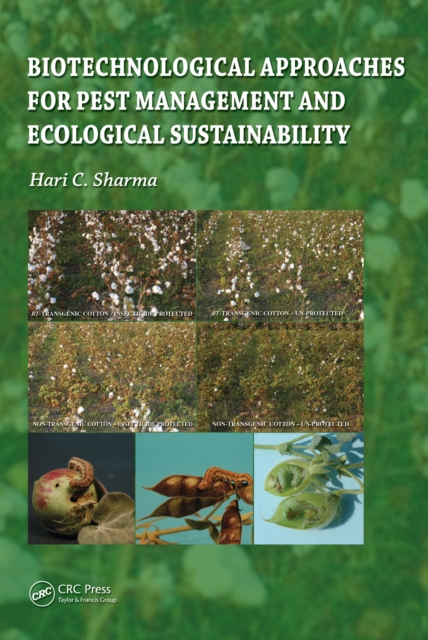
Due to increasing problems occurring from massive applications of pesticides, such as insect resistance to pesticides, the use of biotechnological tools to minimize losses from insect pests has become inevitable.
Biodrug Delivery Systems: Fundamentals, Applications and Clinical Development presents the work of an international group of leading experts in drug development and biopharmaceutical science who discuss the latest advances in biodrug delivery systems and associated techniques.
Considerable interest has developed in recent years in crucifers and particularly in their wild relatives, as they contain genetic material that may be utilized for further evolution of superior crop varieties through introgression and distant hybridization.
All manufacturing companies face the daunting task of designing an employee training matrix that meets the gamut of national and international regulatory standards.
Addressing the increased use of protein and peptide candidates as treatments for previously untreatable diseases, this comprehensive and progressive source provides the reader with a roadmap to an increased understanding of issues critical for successfully developing a protein or peptide therapeutic candidate.
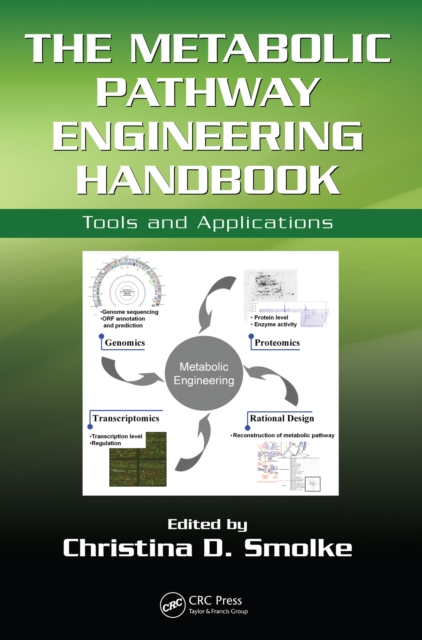
This second volume of the Metabolic Pathway Engineering Handbook delves into evolutionary tools and gene expression tools for metabolic pathway engineering.