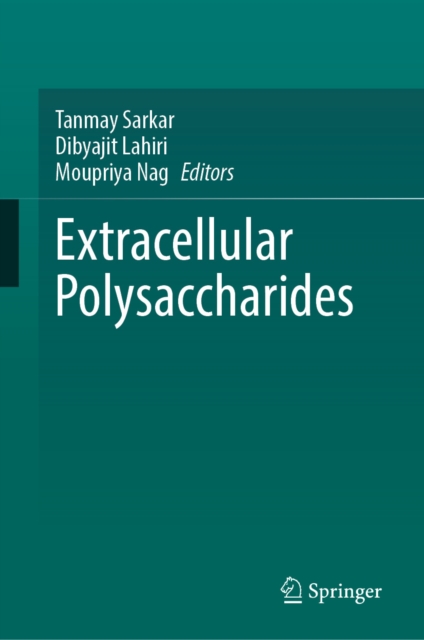
Extracellular Polysaccharides: A Novel Frontier in Alternative Food Strategies represents a pioneering venture into the understudied territory of extracellular polysaccharides (EPS) and the potential advancements, such as a reduced reliance on chemical additives, that they can make in the realm of alternative food solutions.
Advances in Lichens and Non-Flowering Plants Fungal Endophytes Research provides a better understanding of endophytic fungal diversity from lichens and non-flowering plants, and their applications.
Advances in Lichens and Non-Flowering Plants Fungal Endophytes Research provides a better understanding of endophytic fungal diversity from lichens and non-flowering plants, and their applications.
Extracellular Polysaccharides: A Novel Frontier in Alternative Food Strategies represents a pioneering venture into the understudied territory of extracellular polysaccharides (EPS) and the potential advancements, such as a reduced reliance on chemical additives, that they can make in the realm of alternative food solutions.
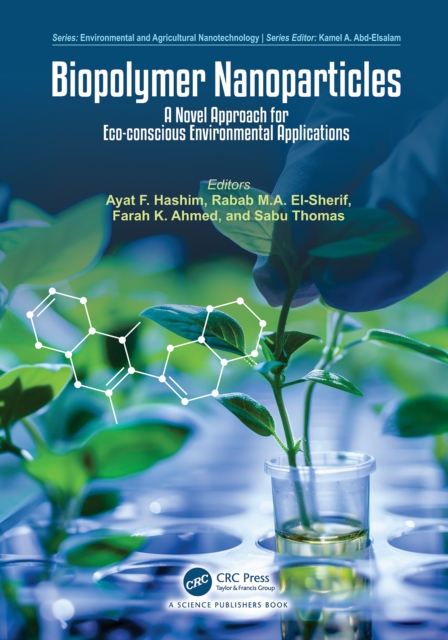
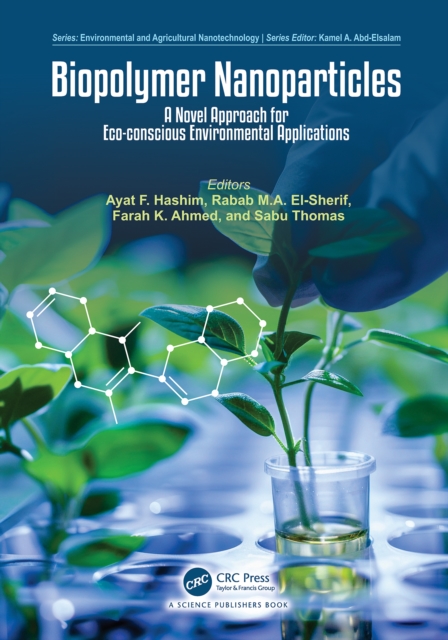
Biopolymer Nanoparticles: A Novel Approach for Eco-conscious Environmental Applications is presenting new long-term solutions to the environment issues with the aid of the area of nanotechnology.
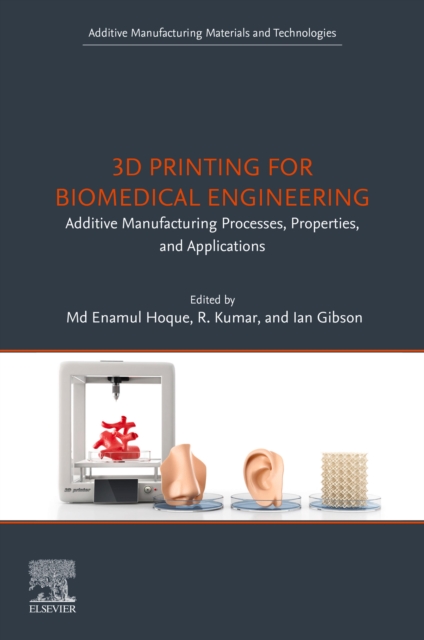
3D Printing for Biomedical Engineering: Additive Manufacturing Processes, Properties, and Applications combines cutting-edge research developments with fundamental concepts related to processing, properties, and applications of advanced additive manufacturing technology in the medical field.
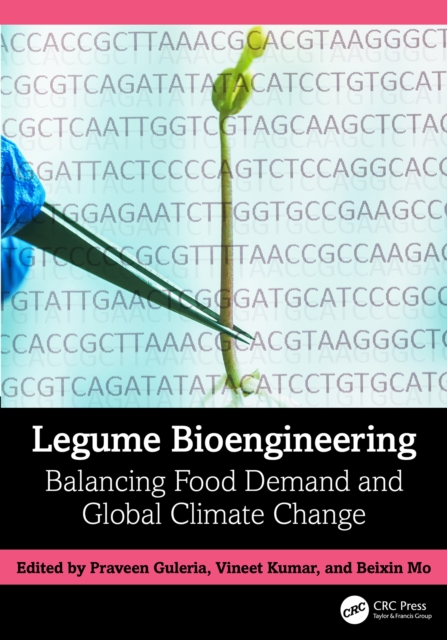
Legume Bioengineering: Balancing Food Demand and Global Climate Change offers a comprehensive guide to enhancing legume productivity and resilience in the face of global food insecurity and climate change.
Biopolymer Nanoparticles: A Novel Approach for Eco-conscious Environmental Applications is presenting new long-term solutions to the environment issues with the aid of the area of nanotechnology.
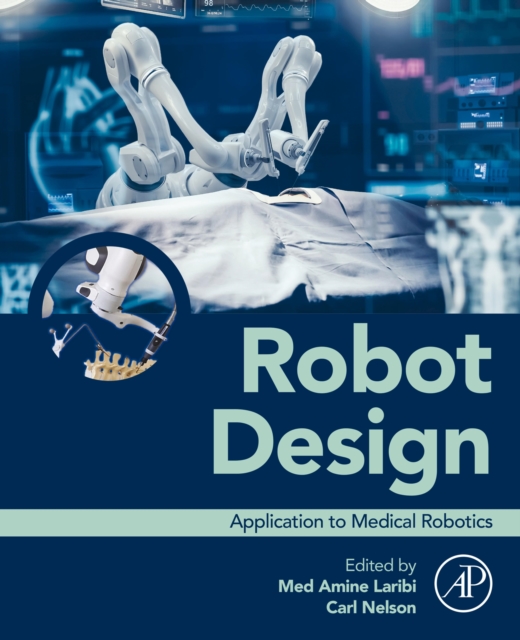
Robot Design: Application to Medical Robotics offers a blend of theory and applications, with a focus on robot design to aid researchers in developing innovative robotic solutions in the healthcare domain.
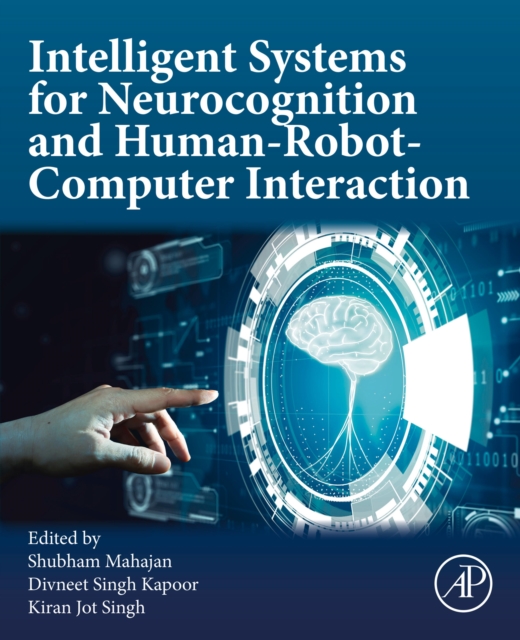
Intelligent Systems for Neurocognition and Human-Robot-Computer Interaction explores the transformative potential of intelligent systems in enhancing human well-being through advancements in neurocognitive technologies, robotics, and AI-driven healthcare.
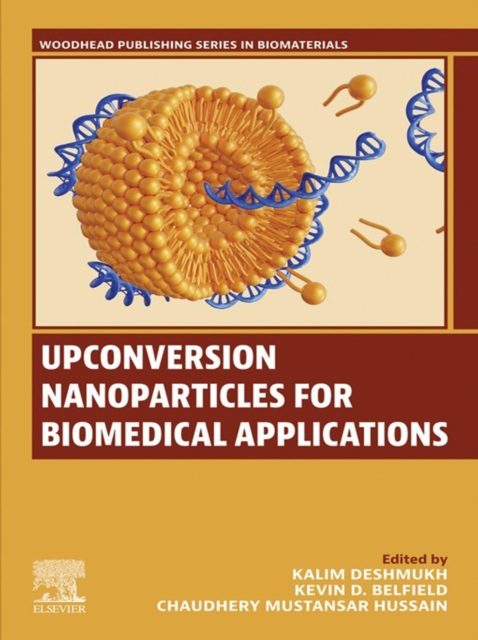
Upconversion Nanoparticles for Biomedical Applications provides a comprehensive overview of the chemistry, properties, characterization, and emerging applications of lanthanide-doped upconversion nanoparticles (UCNPs), focusing on upconversion mechanisms, fluorescent properties, and biomedical applications.
This book introduces engineering students and practitioners to biopolymers, which are polymers derived partially or entirely from biobased (renewable) raw materials, and/or are biodegradable.
This book introduces engineering students and practitioners to biopolymers, which are polymers derived partially or entirely from biobased (renewable) raw materials, and/or are biodegradable.
This book addresses the recent developments, trends, and challenges of nanosized biomedicine for solid tumors with reference to FDA approved imaging and therapeutic agents.
This edited volume discusses each millet, its climate resilience and nutrition supplementation properties in detail and help to understand and think forward the future studies.
This book presents an overview of advanced biophysical techniques that can be used to understand the physicochemical properties of biomolecules and biomaterials and expand their potential for biomedical applications.
This book addresses the recent developments, trends, and challenges of nanosized biomedicine for solid tumors with reference to FDA approved imaging and therapeutic agents.
Artificial intelligence (AI) applications in the life sciences have the potential to enable advances in biological discovery and design at a faster pace and efficiency than is possible with classical experimental approaches alone.