Theory and Applications of Nonparenteral Nanomedicines presents thoroughly analysed data and results regarding the potential of nanomedicines conceived by diverse non-parenteral routes.
Energy Efficiency of Medical Devices and Healthcare Facilities provides comprehensive coverage of cutting-edge, interdisciplinary research, and commercial solutions in this field.
A provocative and inspiring look at the future of humanity and science from world-renowned scientist and bestselling author Martin ReesHumanity has reached a critical moment.
The language of botany from plant structure to genetic modification defined and explained for students of plant sciences and botanical enthusiastsThe dictionary,with over 4,000 entries,covers the many subject areas that make up pure and applied botany.
One of the key challenges current biomaterials researchers face is identifying which of the dizzying number of highly specialized characterization tools can be gainfully applied to different materials and biomedical devices.
Abiotic Stress and Legumes: Tolerance and Management is the first book to focus on the ability of legume plants to adapt effectively to environmental challenges.
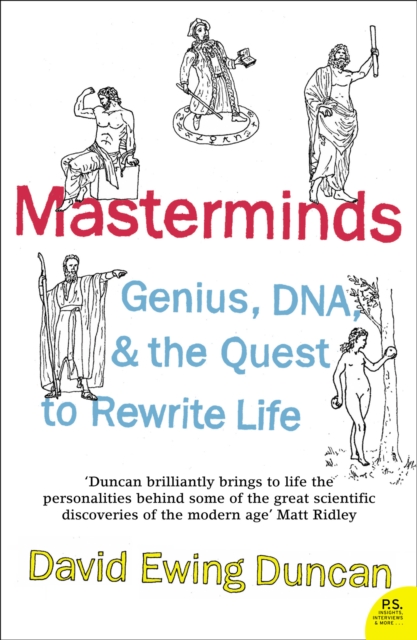
Combining myth, biography, and wit, this is a highly original depiction of cutting-edge science and its profound implications, told through the scientists who are rewriting life on earth.
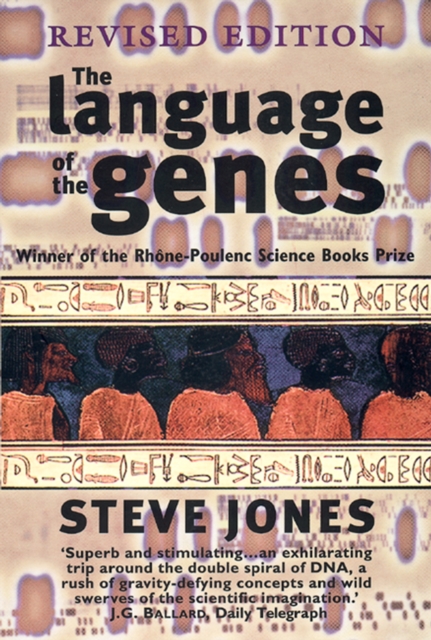
Steve Jones's highly acclaimed, double prize-winning, bestselling first book is now fully revised to cover all the new genetic breakthroughs from GM food to Dolly the sheep.
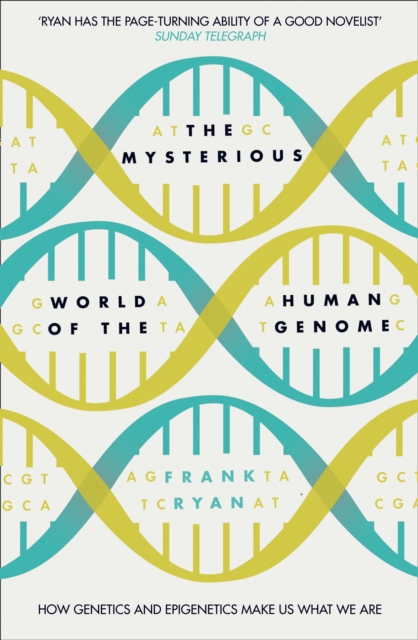
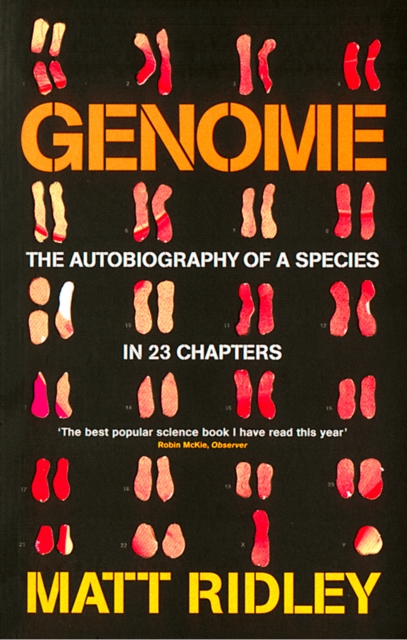
The most important investigation of genetic science since The Selfish Gene, from the author of the critically acclaimed and best-selling The Red Queen and The Origins of Virtue.
Many cancer patients are diagnosed at a stage in which the cancer is too far advanced to be cured, and most cancer treatments are effective in only a minority of patients undergoing therapy.
Biographic Memoirs: Volume 74 contains the biographies of deceased members of the National Academy of Sciences and bibliographies of their published works.
The National Research Council hosted an interacademy workshop in Yekaterinburg, Russia together with the Russian Academy of Sciences in October 2004 as a means of exploring various aspects of industrial innovation in the Urals region of Russia.
The abortifacient RU-486 was born in the laboratory, but its history has been shaped by legislators, corporate marketing executives, and protesters on both sides of the abortion debate.
The ability of the United States to sustain a dominant global position in biotechnology lies in maintaining its primacy in basic life-science research and developing a strong resource base for bioprocess engineering and bioproduct manufacturing.
The Nutrition Labeling and Education Act of 1990 (NLEA) changed the existing regulatory framework for food labeling requirements that was shared among federal, state, and local levels of government.
Authored by an integrated committee of plant and animal scientists, this review of newer molecular genetic techniques and traditional research methods is presented as a compilation of high-reward opportunities for agricultural research.
Biology has entered an era in which interdisciplinary cooperation is at an all-time high, practical applications follow basic discoveries more quickly than ever before, and new technologiesrecombinant DNA, scanning tunneling microscopes, and moreare revolutionizing the way science is conducted.
Biographic Memoirs Volume 87 contains the biographies of deceased members of the National Academy of Sciences and bibliographies of their published works.
As part of a study of current and future research in the life sciences that contains applications relevant to development of agents of biological origin 5 to 10 years into the future, an NRC/IOM committee held an international workshop in 2004 to examine advancing technologies from a global point of view.
This report is intended to provide a brief historical perspective of the evolution of the interacademy program during the past half-century, recognizing that many legacies of the Soviet era continue to influence government approaches in Moscow and Washington and to shape the attitudes of researchers toward bilateral cooperation in both countries (of special interest is the changing character of the program during the age of perestroika (restructuring) in the late 1980s in the Soviet Union); to describe in some detail the significant interacademy activities from late 1991, when the Soviet Union fragmented, to mid-2003; and to set forth lessons learned about the benefits and limitations of interacademy cooperation and to highlight approaches that have been successful in overcoming difficulties of implementation.
The report assesses the current state of chemistry and chemical engineering within the context of drug discovery, disease diagnosis, and disease prevention.
After discussions with the National Cancer Institute and the Department of Energy the Board on Biology of the National Research Council agreed to run a workshop under the auspices of its Forum on Biotechnology entitled "e;Privacy Issues in Biomedical and Clinical Research"e; on November 1, 1997.
Proponents of agricultural biotechnology believe that genetically modified (GM) crops have the potential to provide great ecological benefits, such as reduced pesticide and land use, as well as agricultural benefits.
The goal of this workshop was to bring together bioinformatics stake holders from government, academe, and industry for a day of presentations and dialogue.
This book explores the risks and benefits of crops that are genetically modified for pest resistance, the urgency of establishing an appropriate regulatory framework for these products, and the importance of public understanding of the issues.
In 1995 the National Academy of Engineering (NAE) initiated the Frontiers of Engineering Symposium program, which every year brings together 100 of the nation's future engineering leaders to learn about cutting-edge research and technical work in different engineering fields.