This book summarizes the early successes, drawbacks and accomplishments in cell biology and cell biotechnology achieved by the latest projects performed on the International Space Station ISS.
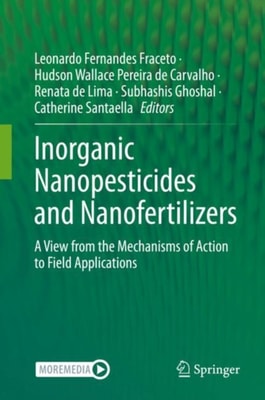
This book provides in-depth reviews of the effects of nanoparticles on the soil environment, their interactions with plants and also their potential applications as nanofertilizers and pesticides.
This book provides an overview of the current state of knowledge of the genetics and genomics of the agriculturally important Cucurbitaceae plant family, which includes crops such as watermelon, melon, cucumber, summer and winter squashes, pumpkins, and gourds.
During the past 15 years, cellular and molecular approaches have emerged as valuable adjuncts to supplement and complement conventional breeding methods for a wide variety of crop plants.
This contributed volume gathers the latest knowledge in the field of stem cells in human reproductive organs, as well as animal models, and to consider the possibility of using this knowledge for clinical purposes.
Based on the understanding that tolerance to pest pressure increases with less crop stress, this book covers all aspects of the molecular mechanisms underlying insect resistance in field crops.
This book comprises the best potato seed production practices and includes details on potato cultivation, classification, and the main structural elements of the successive stages of potato seed production.
This edited volume moves the study of South Asia to the center of sociological analysis, bringing together recent scholarship across sites in India, Sri Lanka, Nepal, and Pakistan, as well as in Ethiopia and the USA.
This book provides an overview of the noteworthy developments in the field of micromachining, with a specific focus on microinjection systems used for biological micromanipulation.
A reference is needed that addresses the recent progress in aspects of PK/PD methods and developments of nanoparticles for novel drug delivery systems.
Cereal-Based Foodstuffs: The Backbone of the Mediterranean provides an overview of cereal-based products in the Mediterranean region, illustrating the spectrum of products from past to present and their various processing methods.
This comprehensive guide to gene cloning provides beginning and advanced readers with the background, standard techniques, practical applications, and ethical and safety considerations in the field.
This book summarizes the latest information and the status quo of radish genome studies to stimulate innovations and improvements in breeding techniques and to promote further advances in the field.
This book provides prospective and practicing teachers with research insights into the mathematical difficulties of students with learning disabilities and classroom practices that address these difficulties.
This edition of the volume 'Advances in Intelligent Systems and Computing' presents the proceedings of the 3rd International Scientific Conference BCI.
From the erosion of state legitimacy in Lebanon to the use of smartphones in Kyrgyzstan, from a Polish suburb to the music scene in Azerbaijan, this volume attempts to explain why, in a variety of world regions, a substantial number of people tend to ignore or act against state rules.
This book describes the biochemistry and genetics of aerobic degradation of hydrocarbons and lipids by bacteria and yeasts, as well as the functional genomics of the best-known microorganisms involved in these processes.
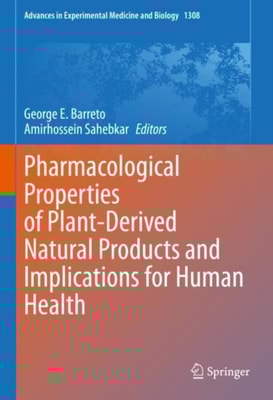
Medicinal plants and their derived products remain as an indispensable source of bioactive molecules that serve as either drug candidates or lead compounds for drug design and discovery.
This new series, based on a bi-annual conference and its topics, represents a major contribution to the emerging science of cancer research and regenerative medicine.
In the context of climate change, pollution and food safety, the current challenge is to enhance legumes production to sustain the growing population needs by 2050.
This book describes the development of genetic resources in amaranths, with a major focus on genomics, reverse, and forward genetics tools and strategies that have been developed for crop improvement.
This handbook provides comprehensive reference information on the efficient production of secondary metabolites from plants by transgenesis and other genetic manipulation strategies.
This book is designed to give students an understanding of the role of microorganisms in food processing and preservation; the relation of microorganisms to food spoilage, foodborne illness, and intoxication; general food processing and quality control; the role of microorganisms in health promotion; and federal food processing regulations.
This book is the first comprehensive compilation of deliberations on jute botanical descriptions, germplasm resources, genetic diversity and population structure, DUS test and DNA fingerprinting, interspecific hybridization, classical genetics, cytology and cytogenetics, genetic transformation; and detailed enumeration on molecular mapping, genome sequencing initiatives of three major jute fiber producing countries, interspecific and intergeneric comparative genomics, organellar genomes, elucidation on functional genomics and genomics resources and database.
This book explores the connections between migration and terrorism and extrapolates, with the help of current research and case studies, what the future may hold for both issues.
This book is the first comprehensive compilation of knowledge on teak biology, ecology, clonal forestry, clonal registration, seed biology, and seed orchards.
This wide-ranging book introduces information as a key concept not only in physics, from quantum mechanics to thermodynamics, but also in the neighboring sciences and in the humanities.
Sensors were developed to detect and quantify structures and functions of human body as well as to gather information from the environment in order to optimize the efficiency, cost-effectiveness and quality of healthcare services as well as to improve health and quality of life.
This book focuses on the latest genome sequencing of the 25 wild Oryza species, public and private genomic resources, and their impact on genetic improvement research.