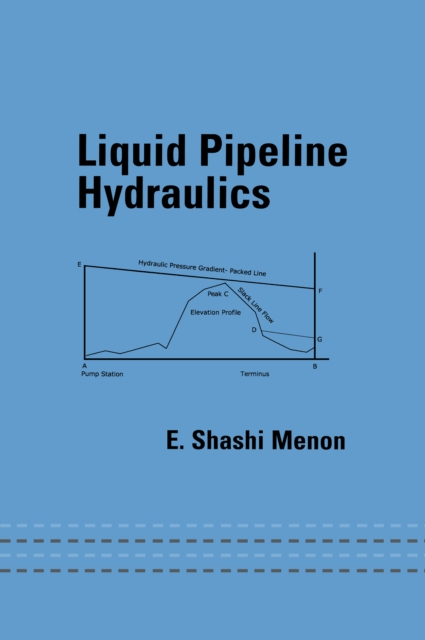
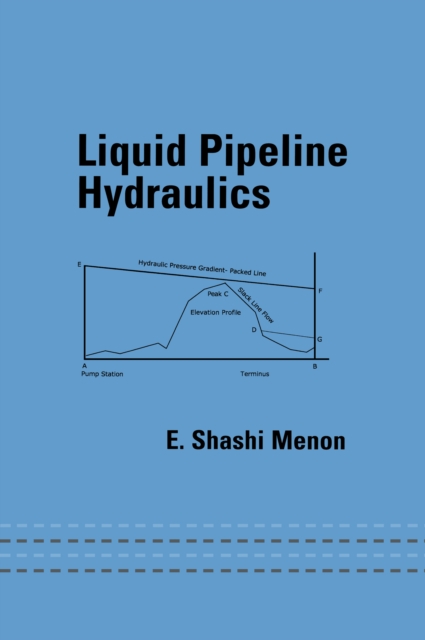
Avoiding lengthy mathematical discussions, this reference specifically addresses issues affecting the day-to-day practices of those who design, operate, and purchase liquid pipelines in the oil, water, and process industries.
Avoiding lengthy mathematical discussions, this reference specifically addresses issues affecting the day-to-day practices of those who design, operate, and purchase liquid pipelines in the oil, water, and process industries.
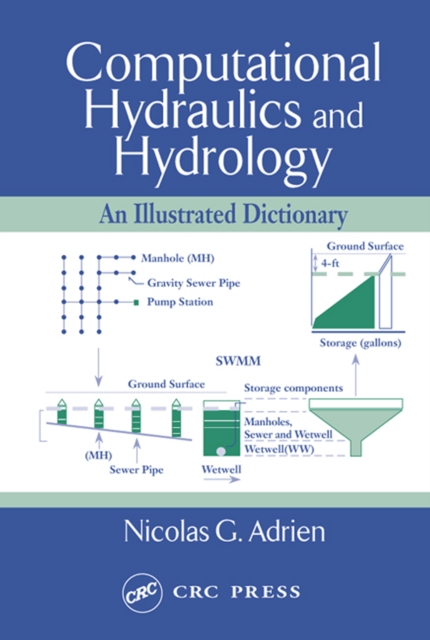
Computational hydraulics and hydrologic modeling are rapidly developing fields with a wide range of applications in areas ranging from wastewater disposal and stormwater management to civil and environmental engineering.
An introduction to the Large-Eddy-Simulation (LES) method, geared primarily toward hydraulic and environmental engineers, the book covers special features of flows in water bodies and summarizes the experience gained with LES for calculating such flows.
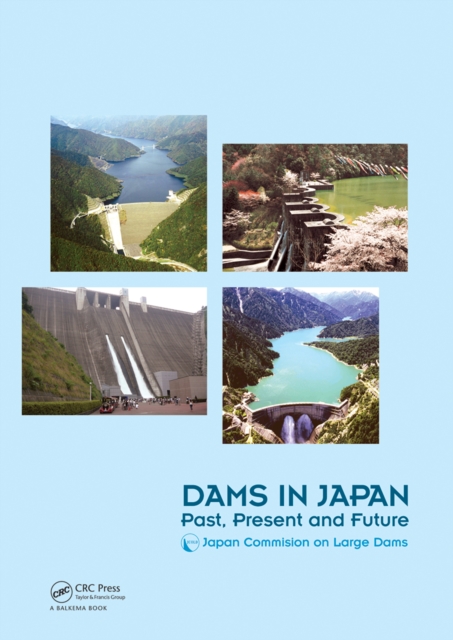
Hydraulic engineering of dams and their appurtenant structures counts among the essential tasks to successfully design safe water-retaining reservoirs for hydroelectric power generation, flood retention, and irrigation and water supply demands.
Hydraulic engineering of dams and their appurtenant structures counts among the essential tasks to successfully design safe water-retaining reservoirs for hydroelectric power generation, flood retention, and irrigation and water supply demands.
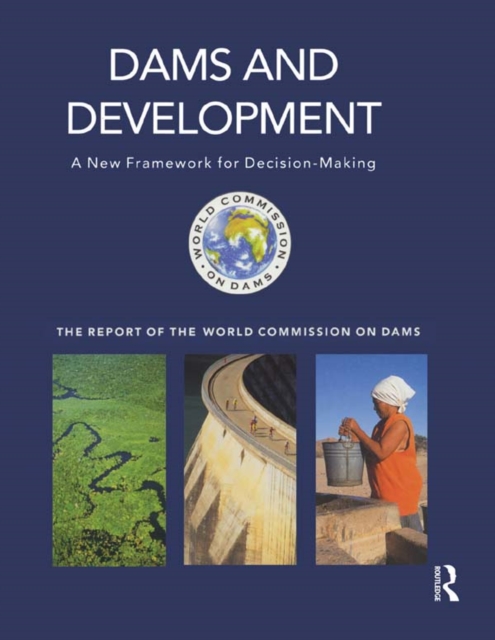
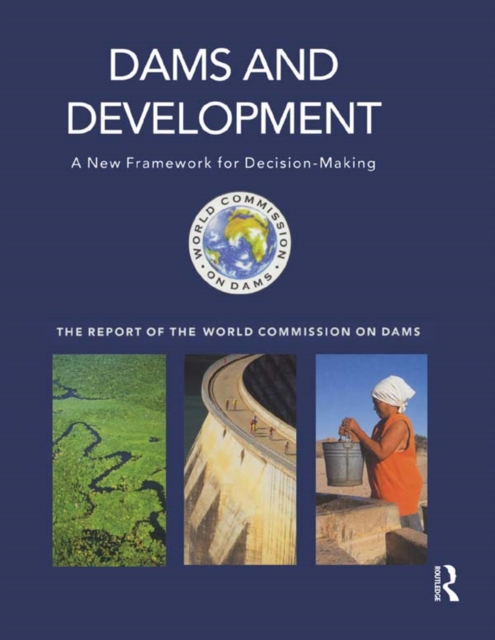
By the year 2000, the world had built more than 45,000 large dams to irrigate crops, generate power, control floods in wet times and store water in dry times.
By the year 2000, the world had built more than 45,000 large dams to irrigate crops, generate power, control floods in wet times and store water in dry times.
With Africa's water resources constantly threatened by an increasing population and the resultant rise in water demand, together with the stresses of water use for various activities, desertification, climate change, and other interventions in the water cycle by man, it is vital that the water resources in arid and semi-arid regions are developed a
With Africa's water resources constantly threatened by an increasing population and the resultant rise in water demand, together with the stresses of water use for various activities, desertification, climate change, and other interventions in the water cycle by man, it is vital that the water resources in arid and semi-arid regions are developed a
APPLIED WATER SCIENCE VOLUME 2 The second volume in a new two-volume set on applied water science, this book provides understanding, occurrence, identification, toxic effects and control of water pollutants in an aquatic environment using green chemistry protocols.
APPLIED WATER SCIENCE VOLUME 2 The second volume in a new two-volume set on applied water science, this book provides understanding, occurrence, identification, toxic effects and control of water pollutants in an aquatic environment using green chemistry protocols.
A guide for urban areas to achieve sustainability by recovering water, energy, and solids Integrated Sustainable Urban Water, Energy, and Solids Management presents an integrated and sustainable system of urban water, used (waste) water, and waste solids management that would save and protect water quality, recover energy and other resources from used water and waste solids including plastics, and minimize or eliminate the need for landfills.
A guide for urban areas to achieve sustainability by recovering water, energy, and solids Integrated Sustainable Urban Water, Energy, and Solids Management presents an integrated and sustainable system of urban water, used (waste) water, and waste solids management that would save and protect water quality, recover energy and other resources from used water and waste solids including plastics, and minimize or eliminate the need for landfills.
The essential resource to an integrated approach to reservoir modelling by highlighting both the input of data and the modelling results Reservoir Modelling offers a comprehensive guide to the procedures and workflow for building a 3-D model.
The essential resource to an integrated approach to reservoir modelling by highlighting both the input of data and the modelling results Reservoir Modelling offers a comprehensive guide to the procedures and workflow for building a 3-D model.
This fully revised edition provides a modern overview of the intersection of hydrology, water quality, and water management at the rural-urban interface.
This fully revised edition provides a modern overview of the intersection of hydrology, water quality, and water management at the rural-urban interface.
Presents a systematic and comprehensive study of hydraulic fracturing, original in its concentration of core soil problems There have been a number of well-studied cases in which dams have failed or been damaged by concentrated leaks for no apparent cause.
Presents a systematic and comprehensive study of hydraulic fracturing, original in its concentration of core soil problems There have been a number of well-studied cases in which dams have failed or been damaged by concentrated leaks for no apparent cause.
Presents an up-to-date description of current and new hydraulic fracturing processes Details Emerging Technologies such as Fracture Treatment Design, Open Hole Fracturing, Screenless Completions, Sand Control, Fracturing Completions and Productivity Covers Environmental Impact issues including Geological Disturbance; Chemicals used in Fracturing; General Chemicals; Toxic Chemicals; and Air, Water, Land, and Health impacts Provides many process diagrams as well as tables of feedstocks and their respective products
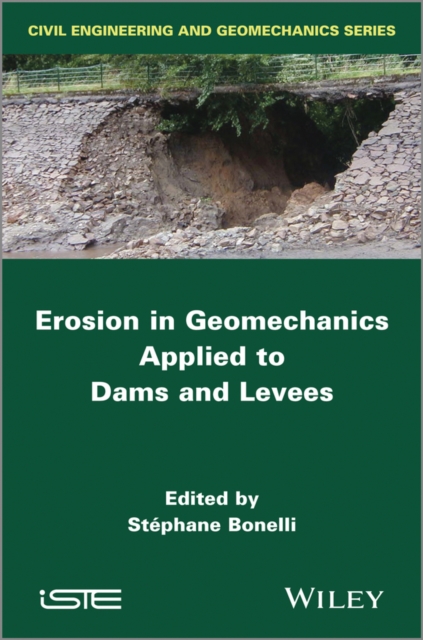
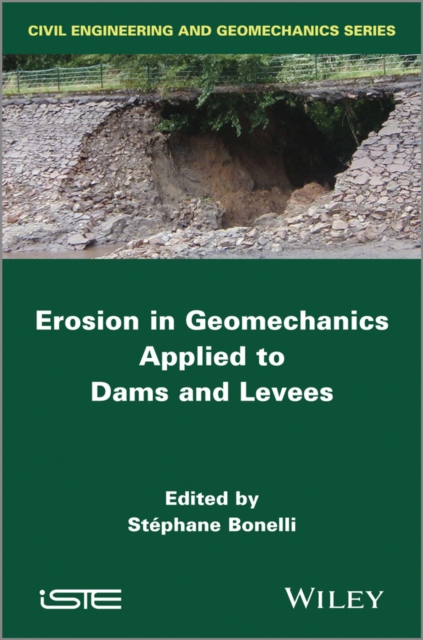
Erosion is the most common cause of failures at earth-dams, dikes and levees, whether through overtopping and overflowing, or internal erosion and piping.
Erosion is the most common cause of failures at earth-dams, dikes and levees, whether through overtopping and overflowing, or internal erosion and piping.
This book integrates the physical processes of dam breaching and the mathematical aspects of risk assessment in a concise manner The first book that introduces the causes, processes and consequences of dam failures Integrates the physical processes of dam breaching and the mathematical aspects of risk assessment in a concise manner Emphasizes integrating theory and practice to better demonstrate the application of risk assessment and decision methodologies to real cases Intends to formulate dam-breaching emergency management steps in a scientific structure
This book integrates the physical processes of dam breaching and the mathematical aspects of risk assessment in a concise manner The first book that introduces the causes, processes and consequences of dam failures Integrates the physical processes of dam breaching and the mathematical aspects of risk assessment in a concise manner Emphasizes integrating theory and practice to better demonstrate the application of risk assessment and decision methodologies to real cases Intends to formulate dam-breaching emergency management steps in a scientific structure