The demands of modeling and computation in engineering are rapidly growing as a multidisciplinary area with connections to engineering, mathematics and computer science.
Upgrading Water Treatment Plants is a comprehensive and practical guide providing the technical detail required to upgrade existing water treatment plants to increase processing efficiency and improve overall quality without the need for substantial investment into new physical plant installation.
The 2015 International Conference on Water Resource and Environment (WRE2015) aims to provide a platform where scholars from different countries can exchange ideas, opinions and views.
This book provides a new, necessary and valuable approach to the consideration of risk in underground engineering projects constructed within rock masses.
Primarily written as course material on flood control and drainage engineering for advanced students of civil engineering, this new fourth edition is again thoroughly revised.
Siltation in reservoirs has become an important problem when dams are getting older and stop functioning when the sediment has accumulated to a certain extent.
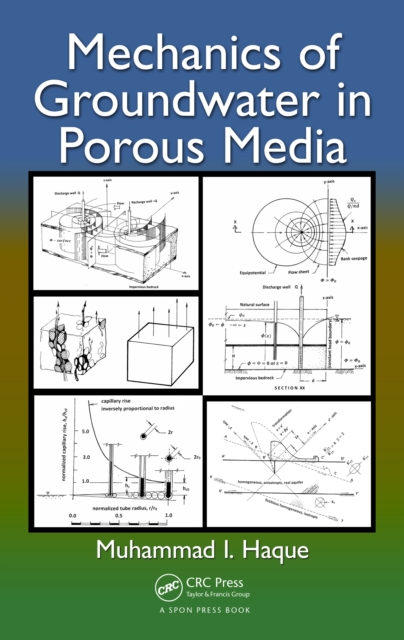
Provides a Balance between the Mathematical and Physical Aspects and the Engineering ApplicationsWritten for engineering and science students, Mechanics of Groundwater in Porous Media explains groundwater from both a mathematical and qualitative standpoint.
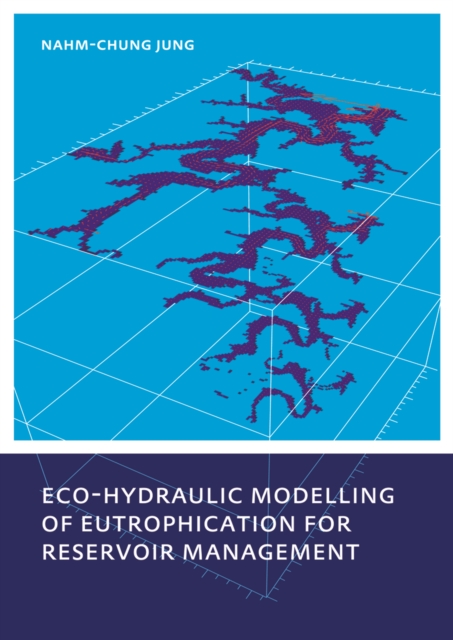
This study presents an systematic approach to water quality assessment, hybrid modelling and decision support for eutrophication management in deep reservoirs.
Water control is essential to Japan, as more than half of its invested capital is concentrated in elevations under sea level and the majority of the island nation is exceptionally vulnerable to flooding.
Modeling and Computation in Engineering II (CMCE 2013, Hong Kong, 22-23 June 2013) includes 50 contributions on modeling and simulation technology, which were presented at the 2nd SREE Conference on Modeling and Computation in Engineering (CMCE 2013) and the 3rd SREE Workshop on Applied Mechanics and Civil Engineering (AMCE 2013), both held in Hong
Advanced Engineering and Technology II collects recent essential ideas and advanced techniques to overcome the current engineering issues in civil engineering, environmental engineering, water science and hydraulic engineering, energy and chemical engineering, and other related fields.
Aimed at engineers with a good grounding in hydraulic engineering, this practical reference fills a need for a guide to the design, construction, management and modernisation of canals.
Presenting the state-of-the-art in underground infrastructure of urbanized areas, 'Underground Infrastructure of Urban Areas 3' aims at academics, designers and builders of structures, producers and suppliers of building materials, equipment, and underground structures, and also at those managing and maintaining these structures.
Environmental Fluid Mechanics provides comprehensive coverage of a combination of basic fluid principles and their application in a number of different situations-exploring fluid motions on the earth's surface, underground, and in oceans-detailing the use of physical and numerical models and modern computational approaches for the analysis of environmental processes.
Principles of Hydrogeology, Third Edition presents important concepts of groundwater hydrology with a strong emphasis on problem-solving and field applications of hydrogeology.
Resilience and Urban Risk Management presents the latest progress made in designing resilient towns, and identifies leads to be explored for attaining the objective of systematically integrating risks into urban environments The aim of the book is to provide guidance in designing and planning future cities, and to create a new form of risk manageme
This study investigates the patterns that describe reliability of water distribution networks focusing to the node connectivity, energy balance, and economics of construction, operation and maintenance.
The reference text discusses fundamental principles, planning, sourcing, demand forecasting, and supply forecasting in the field of supply chain management.
In the current push to convert to renewable sources of energy, many issues raised years ago on the economics and the difficulties of siting energy storage are once again being raised today.
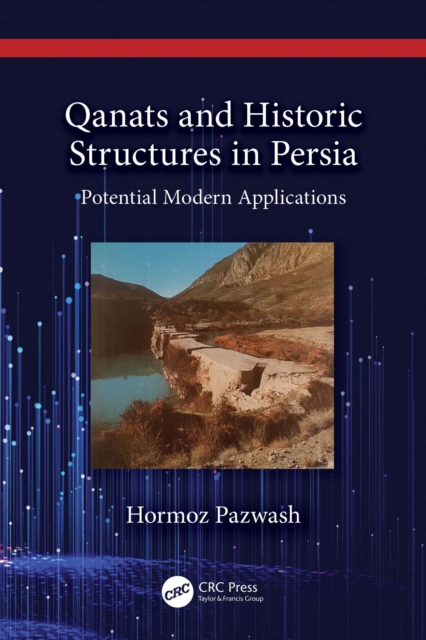
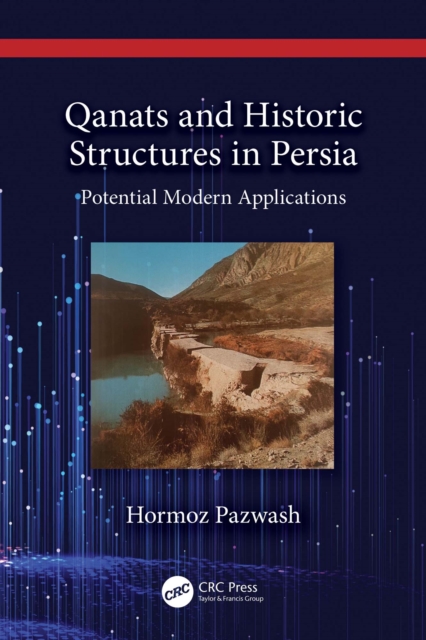
Qanats and Historic Structures in Persia presents the early history of water science and includes the advanced knowledge held by Persians regarding the hydrologic cycle in general and groundwater flow in particular.
This book comprises the proceedings of the 28th International Conference on Hydraulics, Water Resources, River and Coastal Engineering (HYDRO 2023) focusing on broad spectrum of emerging opportunities and challenges in the field of hydraulics and fluid mechanics.
This book comprises the proceedings of the 28th International Conference on Hydraulics, Water Resources, River and Coastal Engineering (HYDRO 2023) focusing on broad spectrum of emerging opportunities and challenges in the field of hydraulics and fluid mechanics.
Underground infrastructure (traffic and railway tunnels, water and sewage ducts, garages, and subways) is essential for urbanized areas, as they fulfill an important role in the transportation of people, energy, communication and water.
This book takes a thematic approach to the global history of water, covering a wide range of human interactions with water and the ways in which it carries both life and death.
Water Engineering and Management - Learning from History explores the pair technology / water use (an indivisible pair, since the first member of the binomial determines the second) which, in the light of the knowledge available in the 21st century and with a conception focused on the near future, goes beyond the limits set by nature itself.
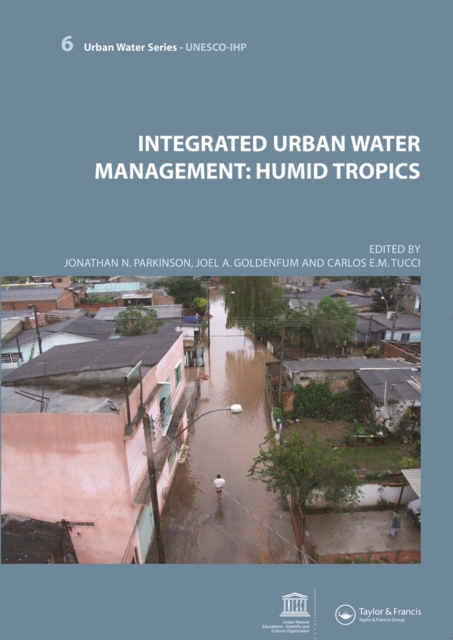
The Integrated Urban Water Management (IUWM) is an emerging approach to managing the entire urban water cycle in an integrated way, which is key to achieving the sustainability of urban water resources and services.
Water Supply and Distribution Systems, Second edition is a comprehensive introduction to the topic of how water is delivered to homes and businesses throughout the world.
A 360-degree view of the response to flood riskAs major flooding events around the world show, the impact of flooding on the built environment can cause widespread chaos.
The bulletin is structured to present the global and local role of water storage in the modern world and provide the basis for multi-purpose developments in the context of the hydrological cycle, the water-energy nexus, stakeholder engagement and environmental assessments.
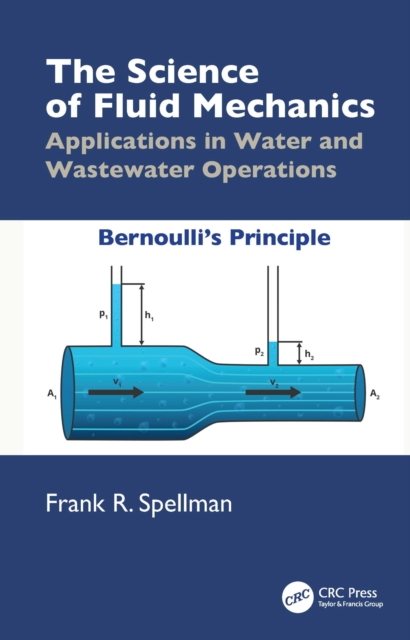
The Science of Fluid Mechanics: Applications in Water and Wastewater Operations examines the intricacies of hydrology and hydraulic systems within the context of water and wastewater management.
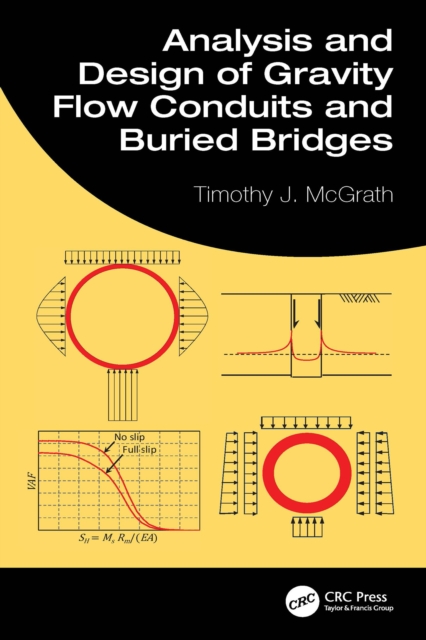
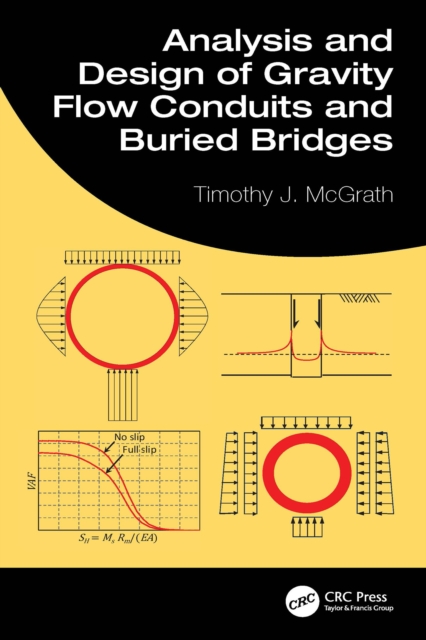
This book covers the structural analysis and design of buried gravity flow conduits, including traditional pipes, arches, box conduits, and buried bridges with spans up to 80 ft (25 m) and greater.
This book covers the structural analysis and design of buried gravity flow conduits, including traditional pipes, arches, box conduits, and buried bridges with spans up to 80 ft (25 m) and greater.
Qanats and Historic Structures in Persia presents the early history of water science and includes the advanced knowledge held by Persians regarding the hydrologic cycle in general and groundwater flow in particular.
Every year the Swiss Commission for Flood Protection (KOHS) of the Swiss Association for Water Management (SWV) organizes a symposium where professionals, officers of public administrations, and researchers exchange their experiences on special topics and key projects in river engineering and restoration.
Water Supply and Distribution Systems, Second edition is a comprehensive introduction to the topic of how water is delivered to homes and businesses throughout the world.