Wavelets as a Powerful Signal Processing ToolThe principles of wavelets can be applied to a range of problems in civil engineering structures, such as earthquake-induced vibration analysis, bridge vibrations, and damage identification.
Seafloor Processes and Geotechnology bridges the gap between the standard soil mechanics curriculum of civil engineering and published material on marine geotechnology.
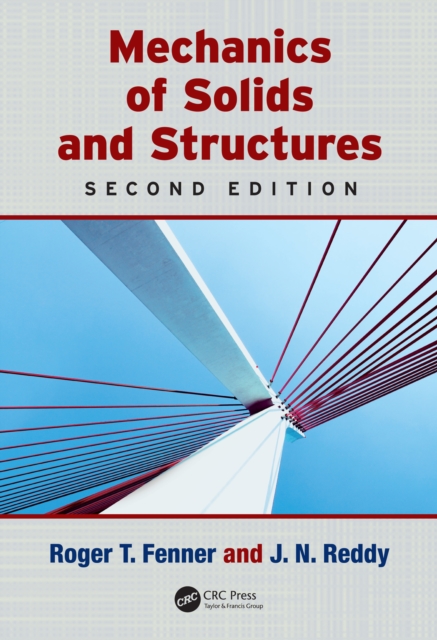
The third edition of Mechanics of Solids and Structures makes use of computational methods such as the finite element method that has revolutionized the field to solve problems while retaining all the basic principles and foundational information needed for mastering advanced engineering mechanics principles and acquiring problem-solving skills.
Soils and Foundations for Architects and Engineers provides in-depth, yet simplified, information on the more commonly encountered aspects of soils mechanics and foundations.
In the 20 years since publication of the first edition of this book there have been a number of significant changes in the practice of coastal engineering.
The 5th edition of the classic STRUCTURAL ANALYSIS by Aslam Kassamali teaches students the basic principles of structural analysis using the classical approach.
This vintage book contains a detailed and comprehensive account of the bridges and rivers of mid and eastern England, including those that lie in Bedford, Buckingham, Cambridge, Derby, Essex, Hartford, Huntingdon, Leicester, Lincoln, and beyond.
Reeds Marine Surveying is aimed at students of marine surveying, professional marine surveyors, boatyard operators and technically-minded boat owners, and covers the latest marine surveying technology, including analysis of the mechanical behaviour of materials, failure analysis, stress concentration, fatigue and fracture, corrosion, wood-damaging organisms, polymer chemistry, and the composition and characteristics of common plastics, metal, alloys and composite materials.
Reeds Marine Surveying is aimed at students of marine surveying, professional marine surveyors, boatyard operators and technically-minded boat owners, and covers the latest marine surveying technology, including analysis of the mechanical behaviour of materials, failure analysis, stress concentration, fatigue and fracture, corrosion, wood-damaging organisms, polymer chemistry, and the composition and characteristics of common plastics, metal, alloys and composite materials.
Compiled by AECOM, the 2024 edition has been updated with the latest pricing information to help you manage your projects over the next 12 months through this challenging period of high inflation and financial uncertainty.
The Science of Land Subsidence explains the current science underpinning natural and human-made land subsidence events, and provides students and interested readers with sufficient background on the basics of geology, natural science, chemical, and environmental engineering.
Disaster preparedness and response management is a burgeoning field of technological research, and staying abreast of the latest developments within the field is a difficult task.
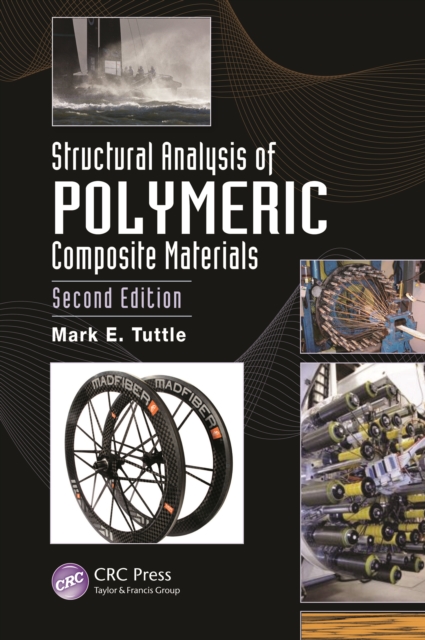
Structural Analysis of Polymeric Composite Materials, Second Edition introduces the mechanics of composite materials and structures and combines classical lamination theory with macromechanical failure principles for prediction and optimization of composite structural performance.
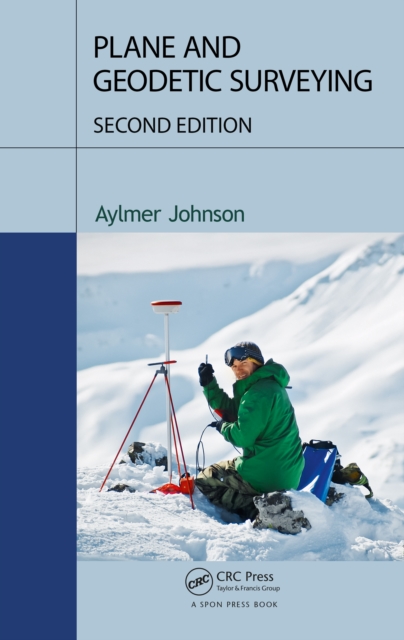
Plane and Geodetic Surveying blends together theory and practice, conventional techniques and satellite-based methods, to provide the ideal book for students of surveying.
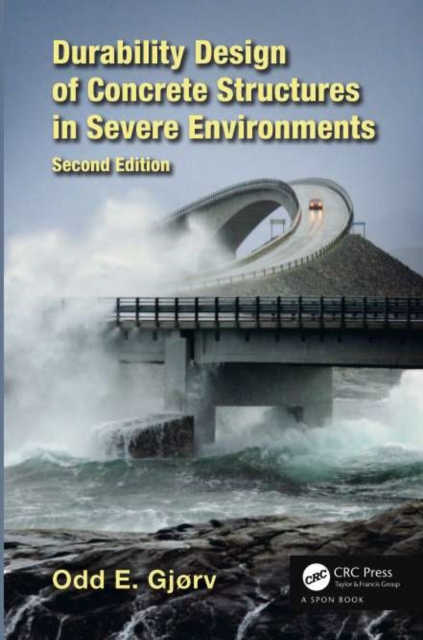
One of the most pressing problems facing the construction industry globally is the deterioration of major concrete infrastructure in marine and other chloride-containing environments.
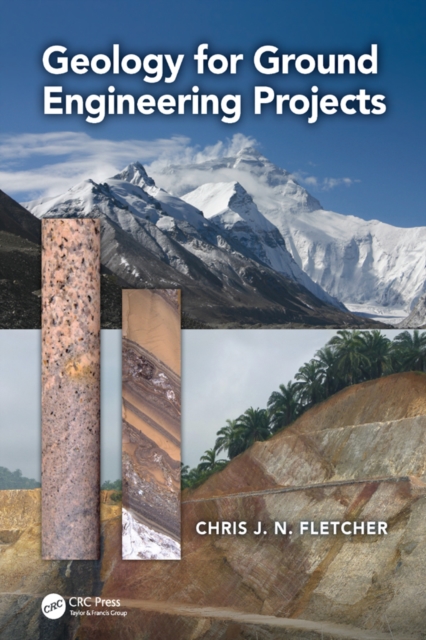
Bridges the Gap between Geology and Ground EngineeringHigh-quality geological models are crucial for ground engineering projects, but many engineers are not always at ease with the geological terminology and analysis presented in these models, nor with their implications and limitations.
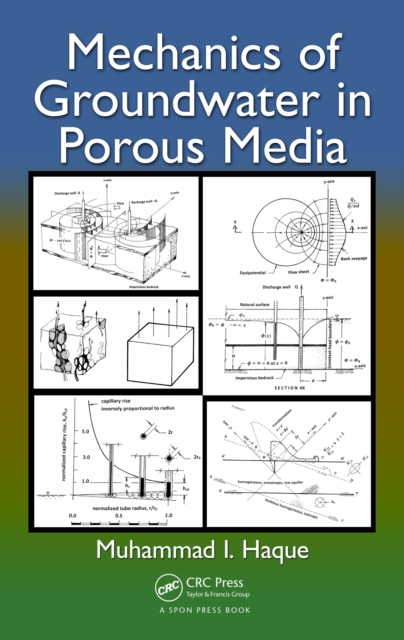
Provides a Balance between the Mathematical and Physical Aspects and the Engineering ApplicationsWritten for engineering and science students, Mechanics of Groundwater in Porous Media explains groundwater from both a mathematical and qualitative standpoint.
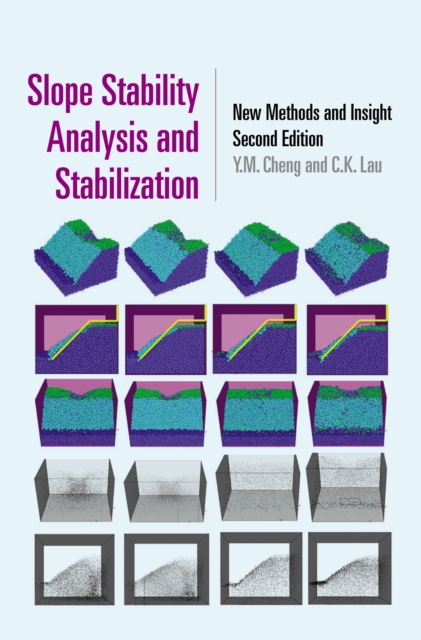
Includes Recommendations for Analysis, Design Practice, Design Charts, Tables, and MoreUsing a unified approach to address a medley of engineering and construction problems, Slope Stability Analysis and Stabilization: New Methods and Insight, Second Edition provides helpful practical advice and design resources for the practicing engineer.
The design of structures in general, and prestressed concrete structures in particular, requires considerably more information than is contained in building codes.
Risk Assessment and Security for Pipelines, Tunnels, and Underground Rail and Transit Operations details a quantitative risk assessment methodology for systematically analyzing various alternatives for protecting underground rail, oil and gas pipelines, pipeline freight transportation, and other tunnel systems from terrorism threats and other disas
This volume focuses on the engineering geological and environmental problems of major engineering works, rock and soil properties, and protection of the geoenvironment and reduction of geohazards, reflecting the major achievements and advancement of engineering geological science and technology.
A revision of a popular textbook, this volume emphasizes the development of analysis techniques from basic principles for a broad range of practical problems, including simple structures, pressure vessels, beams, and shafts.
Helping readers prepare for the civil and structural PE exam, this book presents numerous design examples that serve as a comprehensive, step-by-step guide to basic bridge design using the AASHTO LRFD Bridge Design Specifications, Fifth Edition.
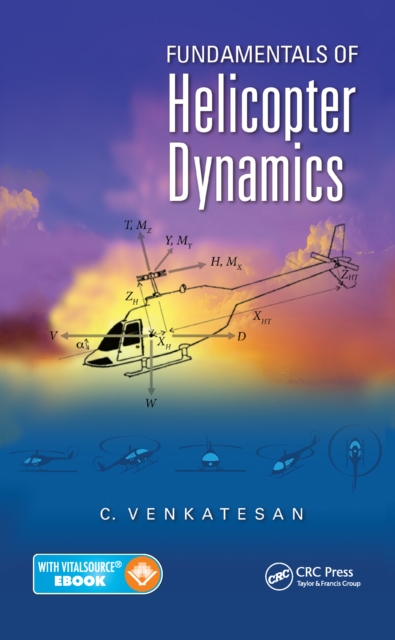
Helicopter Dynamics Introduced in an Organized and Systematic MannerA result of lecture notes for a graduate-level introductory course as well as the culmination of a series of lectures given to designers, engineers, operators, users, and researchers, Fundamentals of Helicopter Dynamics provides a fundamental understanding and a thorough overview o
A multidisciplinary field, encompassing both geophysics and civil engineering, geomechanics deals with the deformation and failure process in geomaterials such as soil and rock.
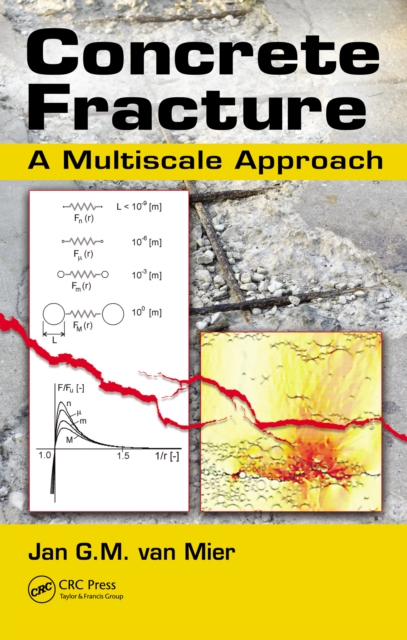
The study of fracture mechanics of concrete has developed in recent years to the point where it can be used for assessing the durability of concrete structures and for the development of new concrete materials.
A How-To Guide for Bridge Engineers and DesignersHighway Bridge Superstructure Engineering: LRFD Approaches to Design and Analysis provides a detailed discussion of traditional structural design perspectives, and serves as a state-of-the-art resource on the latest design and analysis of highway bridge superstructures.
Completely revised and updated, this fourth edition of Structural Steelwork: Design to Limit State Theory describes the design theory and code requirements for common structures, connections, elements, and frames.
Functions as a Day-to-Day Resource for Practicing Engineers The hugely useful Structural Engineer's Pocket Book is now overhauled and revised in line with the Eurocodes.
This second edition of the book, Nonlinear Random Vibration: Analytical Techniques and Applications, expands on the original edition with additional detailed steps in various places in the text.
Soil-structure interaction is an area of major importance in geotechnical engineering and geomechanics Advanced Geotechnical Engineering: Soil-Structure Interaction using Computer and Material Models covers computer and analytical methods for a number of geotechnical problems.