Ideal for removing large amounts of liquids from wells, Electrical Submersible Pumps (ESP) are perhaps the most versatile and profitable pieces of equipment in a petroleum company's arsenal.
This compendium of 29 chapters from 18 countries contains both fundamental and advanced insight into the inevitable shift from cities dominated by the fossil-fuel systems of the industrial age to a renewable-energy based urban development framework.
As electricity generators and process industries are increasingly seeking less expensive fuels for the generation of electricity and process heat, there is an ever-increasing industry-led emphasise on exploring the possibility of utilising opportunity fuels.
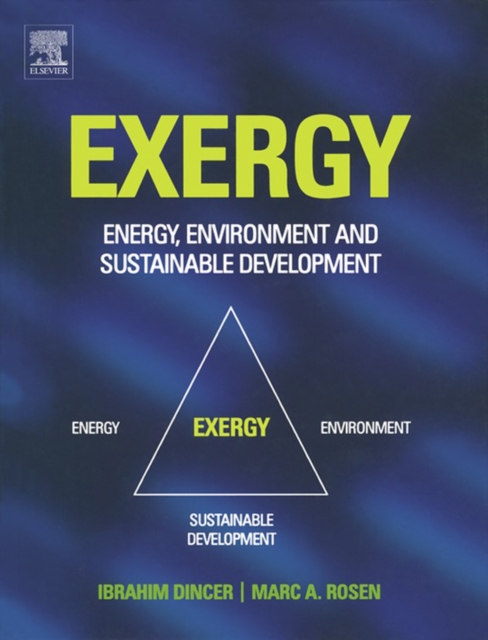
This book deals with exergy and its applications to various energy systems and applications as a potential tool for design, analysis and optimization, and its role in minimizing and/or eliminating environmental impacts and providing sustainable development.
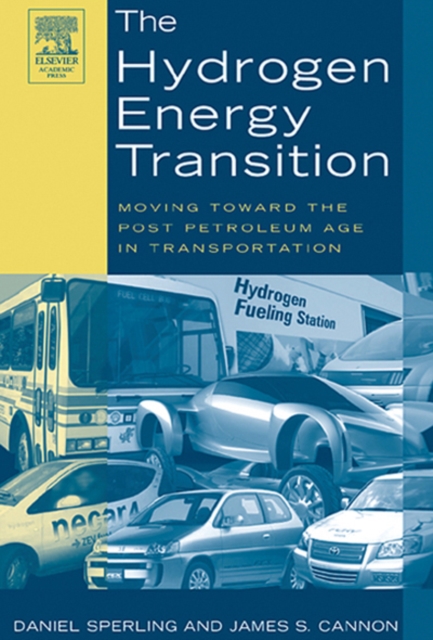
The Hydrogen Energy Transition addresses the key issues and actions that need to be taken to achieve a changeover to hydrogen power as it relates to vehicles and transportation, and explores whether such a transition is likely, or even possible.
Sustainability of Methylic and Ethylic Biodiesel Production Routes: Social and Environmental Impacts via Multi-criteria and Principal Component Analyses using Brazilian Case Studies presents an innovative, quantitative methodology for the assessment of the social and environmental sustainability of methylic and ethylic production routes.
Food Industry Wastes: Assessment and Recuperation of Commodities presents emerging techniques and opportunities for the treatment of food wastes, the reduction of water footprint, and creating sustainable food systems.