Unpredictable, unwanted, and costly, oil and gas well fishing is not a typical practice for drilling, workover and completion projects, but roughly one in every five wells experience this intervention.
Rocks mechanics legend Erle Donaldson, along with colleagues Waqi Alam and Nasrin Begum from the oil and gas consultant company Tetrahedron, have authored this handbook on updated fundamentals and more recent technology used during a common hydraulic fracturing procedure.
The wettability of oil reservoirs is the most important factor controlling the rate of oil recovery, providing a profound effect on petroleum production.
This is the first book in the petroleum sector that sheds light on the real obstacles to sustainable development and provides solutions to each problem encountered.
This title covers a wide range of topics related to the Pressure Volume Temperature (PVT) behavior of complex hydrocarbon systems and documents the ability of Equations of State (EOS) in modeling their behavior.
Now in its sixth edition, this guide to the oil industry, written in non-technical language, is a must-read for anyone involved in or curious about the oil industry.
In this highly anticipated volume, the world-renowned authors take a basic approach to present the principles of petroleum reservoir simulation in an easy-to-use and accessible format.
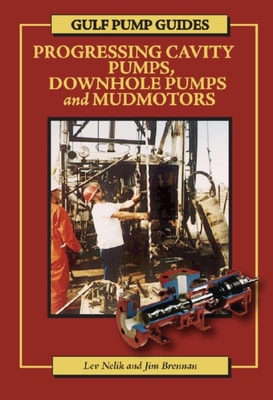
Written by one of the world's foremost authorities on pumps, this first volume in Gulf Publishing Company's Gulf Pump Guides series covers the design, application and troubleshooting for progressing cavity pumps, downhole pumps and mudmotors.
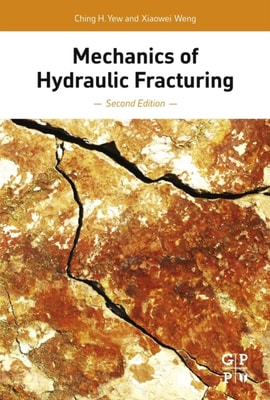
Revised to include current components considered for today's unconventional and multi-fracture grids, Mechanics of Hydraulic Fracturing, Second Edition explains one of the most important features for fracture design - the ability to predict the geometry and characteristics of the hydraulically induced fracture.
When classifying fracturing fluids and their additives, it is important that production, operation, and completion engineers understand which chemical should be utilized in different well environments.
Carbon capture and storage is one of the main carbon emissions policy issues globally, yet you may know little about it if you're outside the academic community.
A variable game changer for those companies operating in hostile, corrosive marine environments, Corrosion Control for Offshore Structures provides critical corrosion control tips and techniques that will prolong structural life while saving millions in cost.
Liquefied natural gas (LNG) is a commercially attractive phase of the commodity that facilitates the efficient handling and transportation of natural gas around the world.
As conventional-oil resources are depleted worldwide, vast heavy oil reserves available in various parts of the world become increasingly important as a secure future energy source.
Heavily illustrated with 900 pictures of actual well control sites, Common Well Control Hazards: Identification and Countermeasures provides a visual representation of 177 common well control hazards and how to prevent or counteract them.
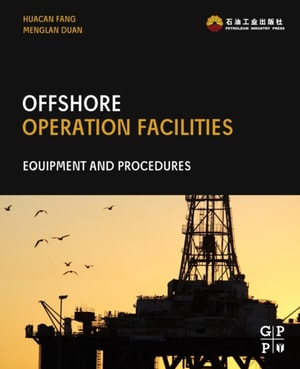
Offshore Operation Facilities: Equipment and Procedures provides new engineers with the knowledge and methods that will assist them in maximizing efficiency while minimizing cost and helps them prepare for the many operational variables involved in offshore operations.
Subsea repairs and inspection are costly for petroleum and pipeline engineers and proper training is needed to focus on ensuring system strength and integrity.
This new and improved edition focuses on providing practical information and tools that engineers can use to maximize the profitability and reliability of their fluid catalytic cracking operations.
A unique, well-documented, and forward-thinking work, the second edition of Handbook of Natural Gas Transmission and Processing continues to present a thoroughly updated, authoritative, and comprehensive description of all major aspects of natural gas transmission and processing.
This Third Edition of Elements of Petroleum Geology is completely updated and revised to reflect the vast changes in the field since publication of the Second Edition.
Once a natural gas or oil well is drilled, and it has been verified that commercially viable, it must be "e;completed"e; to allow for the flow of petroleum or natural gas out of the formation and up to the surface.
Petroleum Rock Mechanics: Drilling Operations and Well Design covers the fundamentals of solid mechanics and petroleum rock mechanics and their application to oil and gas-related drilling operations and well design.