In this information-packed volume, the authors present mathematical models and analyses for evaluating, assessing, and describing the petroleum geology of the oil-rich South Caspian Sea Basin, including eastern Azerbaijan and western Turkmenistan.
The latest methods for troubleshooting and maintaining process equipmentThis extensively revised and updated practical resource fully explains how to diagnose, troubleshoot, and correct problems across a broad range of industries all without complex equations and without ever losing sight of the importance of direct field measurements and observations.
The development of naturally fractured reservoirs, especially shale gas and tight oil reservoirs, exploded in recent years due to advanced drilling and fracturing techniques.
There is a tendency to make flow measurement a highly theoretical and technical subject but what most influences quality measurement is the practical application of meters, metering principles, and metering equipment and the use of quality equipment that can continue to function through the years with proper maintenance have the most influence in obtaining quality measurement.
This thoroughly updated edition of Fluid Catalytic Cracking Handbook provides practical information on the design, operation, troubleshooting, and optimization of fluid catalytic cracking (FCC) facilities.
This massively updated and expanded fifth edition is the most complete, authoritative engineering treatment of the dehydration and gas purification processes used in industry today.
Geologists, engineers, and petrophysicists concerned with hydrocarbon production from naturally fractured reservoirs will find this book a valuable tool for obtaining pertinent rock data to evaluate reserves and optimize well location and performance.
In Chemistry of Petrochemical Processes, readers find a handy and valuable source of information containing insights into petrochemical reactions and products, process technology, and polymer synthesis.
The subject of thermo-hydro-mechanical coupled processes in fractured rock masses has close relevance to energy-related deep earth engineering activities, such as enhanced geothermal systems, geological disposal of radioactive waste, sequestration of CO2, long-term disposal of waste water and recovery of hydrocarbons from unconventional reservoirs.
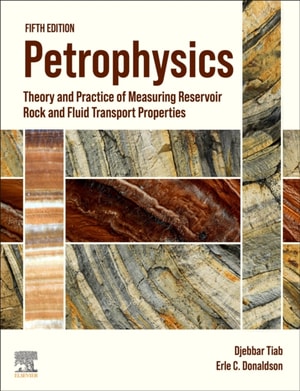
The petroleum geologist and engineer must have a working knowledge of petrophysics in order to find oil reservoirs, devise the best plan for getting it out of the ground, then start drilling.
Advanced Reservoir Engineering offers the practicing engineer and engineering student a full description, with worked examples, of all of the kinds of reservoir engineering topics that the engineer will use in day-to-day activities.
The Hydrogen Energy Transition addresses the key issues and actions that need to be taken to achieve a changeover to hydrogen power as it relates to vehicles and transportation, and explores whether such a transition is likely, or even possible.
The subject of thermo-hydro-mechanical coupled processes in fractured rock masses has close relevance to energy-related deep earth engineering activities, such as enhanced geothermal systems, geological disposal of radioactive waste, sequestration of CO2, long-term disposal of waste water and recovery of hydrocarbons from unconventional reservoirs.
This new edition of the Standard Handbook of Petroleum and Natural Gas Engineering provides you with the best, state-of-the-art coverage for every aspect of petroleum and natural gas engineering.
Oil Well Testing Handbook is a valuable addition to any reservoir engineer's library, containing the basics of well testing methods as well as all of the latest developments in the field.
Petrophysics, a seminal text in the field authored by recognized experts, now in its 5th edition, delivers information for reservoir engineers, production engineers and geoscience students fundamental to understanding rock-fluid interaction, and critical to maximizing reservoir performance while minimizing emissions and environmental impacts.
Written by the Shale Shaker Committee of the American Society of Mechanical Engineers, originally of the American Association of Drilling Engineers, the authors of this book are some of the most well-respected names in the world for drilling.
Coal is currently a major energy source in the United States as well as throughout the world, especially among many developing countries, and will continue to be so for many years.
This book is one of a kind in the field of petroleum biorefining and biological upgrade of petroleum; it presents a critical review as well as an integrated overview of the potential biochemical processes, bridging the gap between academia and industry.
This volume contains peer-reviewed manuscripts describing the scientific and technological advances presented at the 7th Natural gas Conversion Symposium held in Dalian, China, June 6-10, 2004, and a FREE CD-rom.
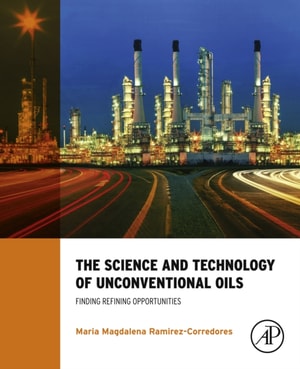
This book, The Science and Technology of Unconventional Oils: Finding Refining Opportunities, intends to report the collective physical and chemical knowledge of unconventional oils (heavy, extra-heavy, sour/acid, and shale oil) and the issues associated with their refining for the production of transportation fuels.
Reservoir Formation Damage, Second edition is a comprehensive treatise of the theory and modeling of common formation damage problems and is an important guide for research and development, laboratory testing for diagnosis and effective treatment, and tailor-fit- design of optimal strategies for mitigation of reservoir formation damage.
Handbook of Natural Gas Transmission and Processing gives engineers and managers complete coverage of natural gas transmission and processing in the most rapidly growing sector to the petroleum industry.
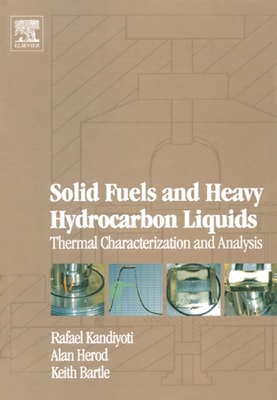
The first strand involves a critical overview of the design of experimental methods used for examining the thermal behaviour of solid fuels [pyrolysis, liquefaction and gasification], while the second will emphasise chemical structures and molecular mass distributions of coal derived tars, extracts and pitches, petroleum-derived asphaltenes, and biomass derived heavy hydrocarbon liquids.
This book discusses the progress that is being made through innovations in instrumental measurements of geologic and geochemical systems and their study using modern mathematical modeling.
This hand guide in the Gulf Drilling Guides series offers practical techniques that are valuable to petrophysicists and engineers in their day-to-day jobs.
Sustainable Materials for Transitional and Alternative Energy, a new release in the Advanced Materials and Sensors for the Oil and Gas Industry series, comprises a list of processes across the energy industry coupled with the latest research involving advanced nanomaterials.
This book discusses current challenges in Japan, focusing on the nation's rapidly aging population and low birth rate, along with persistent public bond issues with heavy interest payments, the potential collapse of social security systems, and income inequality, as well as the global picture.
Fuel cells continue to be heralded as the energy source of the future, and every year an immense amount of research time and money is devoted making them more economically and technically viable.
The Definitive Guide to Petroleum Reservoir Engineering-Now Fully Updated to Reflect New Technologies and Easier Calculation Methods Craft and Hawkins' classic introduction to petroleum reservoir engineering is now fully updated for new technologies and methods, preparing students and practitioners to succeed in the modern industry.
The continued use of coal as a means of generating electricity and an increasing demand for cleaner, more efficient energy production has led to advances in power plant technology.
Up-to-date strategies for tackling real-world fuel-related problemsThis fully revised guide shows, step-by-step, how to effectively solve fuel problems you might face in the field.